The Wild Turkey Hen: Nesting and Protection on Your Property
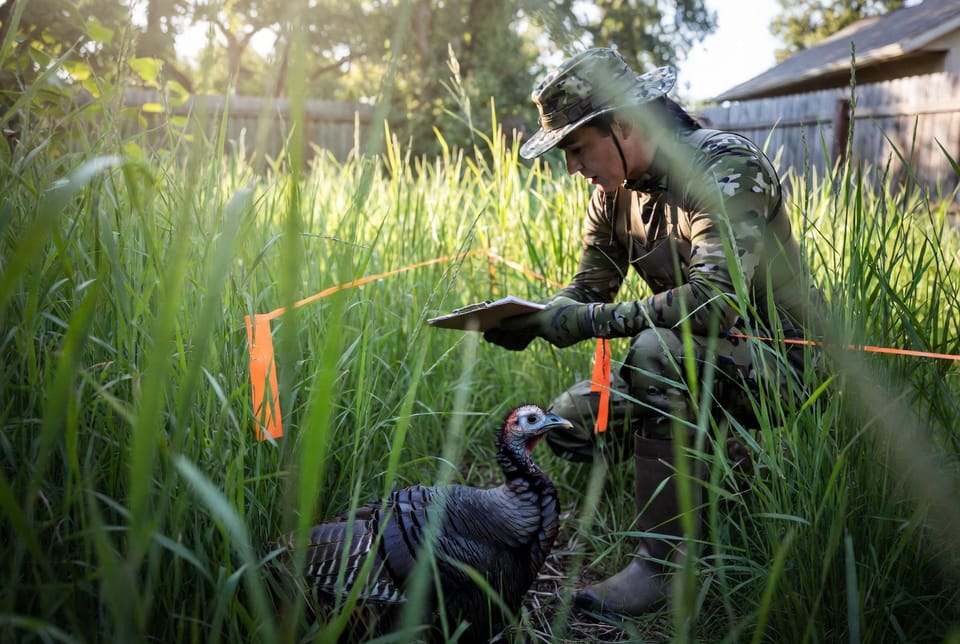
Wild turkey hens are remarkable mothers. Every spring they select a quiet corner of your land, settle onto a simple ground nest, and dedicate themselves to raising the next generation. When that nest appears on or near your property, the situation can feel surprising—or even concerning. The good news is that understanding their natural behavior allows most homeowners to coexist safely and respectfully. This guide walks you through everything you need to know about wild turkey nesting behavior, how to recognize the signs, and the practical steps that protect both your family and these impressive birds.
Protect Your Property & Nesting Turkeys – Call Now!
Understanding Wild Turkey Nesting Behavior
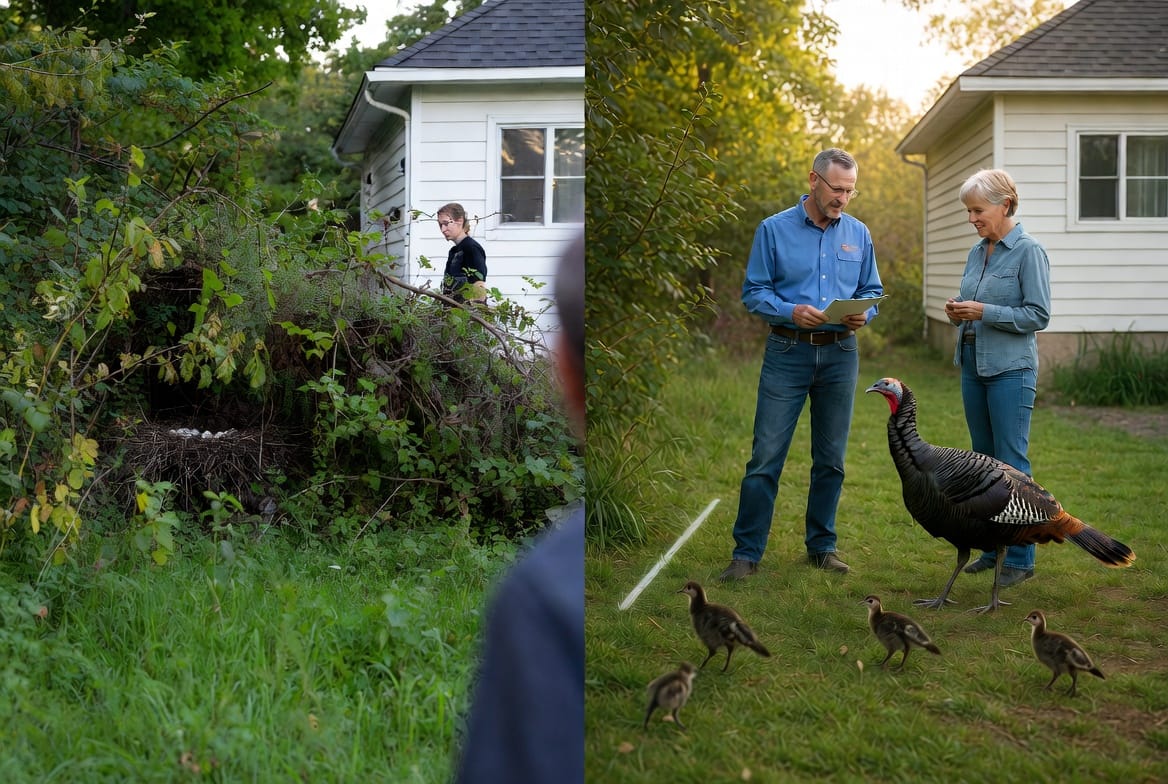
A wild turkey hen builds her nest directly on the ground. She scrapes a shallow depression in leaf litter, tall grass, or low brush, then lines it with soft vegetation. The location is almost always chosen for maximum camouflage and minimal disturbance. Once she begins laying, she may produce a clutch of eight to twelve eggs over several days. Incubation lasts roughly twenty-eight days, during which the hen remains extremely dedicated—leaving the nest only briefly to feed and drink.
During this period the hen becomes highly protective. If she senses a threat—whether a roaming dog, a curious child, or even a lawn mower—she may adopt a defensive posture. She can raise her feathers, emit sharp alarm calls, and, in rare cases, charge or strike with her wings and spurs. This aggressive defense is not random hostility; it is pure maternal instinct aimed at safeguarding eggs or newly hatched poults. Once the poults hatch, they are mobile within hours and follow the hen closely, yet the family still relies on dense cover for the first few weeks.
Recognizing that this behavior is temporary and purposeful removes most of the worry. Nesting season typically runs from mid-April through early July, depending on your region. After the poults are strong enough to roost in trees at night, the family gradually expands its range and the intense protective phase ends.
Signs of Nesting on Your Property
Early detection is the easiest way to avoid conflict. Watch for these clear indicators:
- A sudden increase in turkey sightings near the same patch of tall grass, brush pile, or overgrown fence line
- Soft clucking or soft alarm putts coming from a fixed location
- Disturbed leaf litter or a circular scrape roughly the size of a dinner plate
- Feathers scattered lightly around a secluded spot (not the dense molting piles seen later in the year)
- An adult hen that refuses to flush when approached from a distance, instead freezing or slowly walking away while watching you
- Once hatched, tiny downy poults following the hen in single file through cover
If you notice any combination of these signs, treat the area as a temporary wildlife sanctuary. Mark it mentally or with a small, non-intrusive flag so family members and service providers know to stay clear.
Potential Risks and How to Manage Them
The primary risk is not the turkey herself but the accidental encounters that can escalate. An unleashed dog investigating a nest may trigger a defensive charge. A child exploring tall grass could startle the hen at close range. Lawn equipment operated too near the site can destroy eggs or force the hen to abandon the clutch.
These situations are entirely preventable. The risk of injury to people is extremely low when common-sense distance is maintained. The greater concern is often the welfare of the nest itself—once disturbed repeatedly, the hen may leave, and the eggs or poults become vulnerable to predators.
Property damage is rarely an issue. Turkeys do not dig under foundations, chew wiring, or create the structural problems associated with other wildlife. Their presence is almost always a short-term seasonal event rather than a long-term infestation.
How to Coexist Safely with Nesting Hens
Successful coexistence rests on three simple principles: give space, reduce attraction of pets and people, and wait patiently.
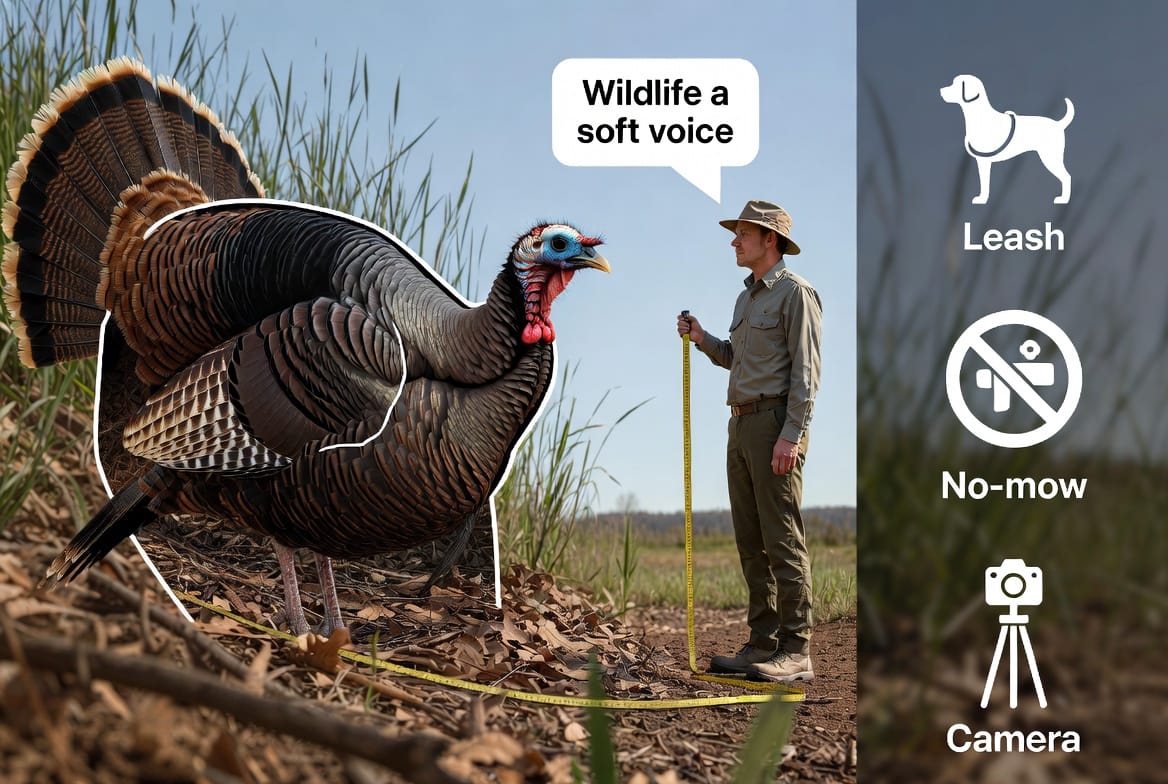
Give the area a wide berth. Establish a buffer zone of at least fifty to seventy-five feet around the suspected nest. Avoid walking, mowing, or allowing children to play in that zone until the family has moved on. If the nest is near a high-traffic path, temporarily redirect foot traffic with a polite sign or temporary fencing that does not enclose the birds.
Keep pets under control. Dogs and cats should remain on leashes or indoors when near the nesting area. Even a friendly dog’s curiosity can provoke a defensive response. After the poults hatch, the hen will lead them farther afield, reducing the chance of close encounters.
Limit food attractants. While turkeys primarily forage for insects, seeds, and plant material, supplemental feeding can encourage them to linger longer than necessary. Remove spilled birdseed, secure compost, and avoid leaving pet food outdoors during nesting season.
Use non-invasive monitoring. If you want to observe, do so from a distance with binoculars. Never attempt to approach, photograph at close range, or “help” by moving eggs. Such actions almost always cause more harm than good.
Most nesting events resolve themselves within six to eight weeks. Once the poults are large enough to fly short distances and roost in trees, the family becomes far less tied to the original nest site and the protective intensity fades.
When Professional Guidance Makes Sense
Although the majority of wild turkey nests require only respectful distance, certain situations benefit from expert input. If the nest is located directly against a foundation, under a porch, or in a high-traffic commercial area, a wildlife professional can evaluate whether temporary exclusion or gentle deterrence is appropriate—always prioritizing the birds’ welfare and following state regulations.
Certified technicians understand the difference between a temporary nesting situation and a true conflict. They use only humane, non-lethal methods and can advise on habitat modifications that discourage future nesting in inconvenient spots without harming the local turkey population.
Respecting Nature While Protecting Your Property
Wild turkey hens are not invaders; they are temporary guests performing one of nature’s most dedicated parenting roles. By recognizing the signs of nesting, giving the area space, keeping pets leashed, and resisting the urge to intervene, you allow the cycle to complete without conflict. In return, you gain the quiet satisfaction of knowing your property supported a successful brood.
Should you ever feel uncertain about the location of a nest, the behavior of a protective hen, or the best way to balance family activities with wildlife needs, professional guidance is only a phone call away. Experienced wildlife advisors can walk you through the situation, answer specific questions about your property, and recommend the least disruptive path forward.
Call Now for Safe Wild Turkey Nesting Solutions