The Water Softener Resin: When to Replace the Media
A reliable water softener stands as one of the most valuable investments a homeowner can make for protecting plumbing, appliances, and daily comfort. At the core of every functioning unit lies the water softener resin, a specialized media that performs the critical work of removing hardness minerals. Over years of continuous service this media gradually loses effectiveness, and understanding exactly when replacement becomes necessary is essential for maintaining consistent results. This comprehensive guide focuses on proper maintenance practices, explains the science behind resin function, identifies clear signs of depletion, and outlines the recommended replacement timeline so you can keep your household water quality at its best.
Replace Depleted Resin – Call for Service
Understanding the Function of Water Softener Resin
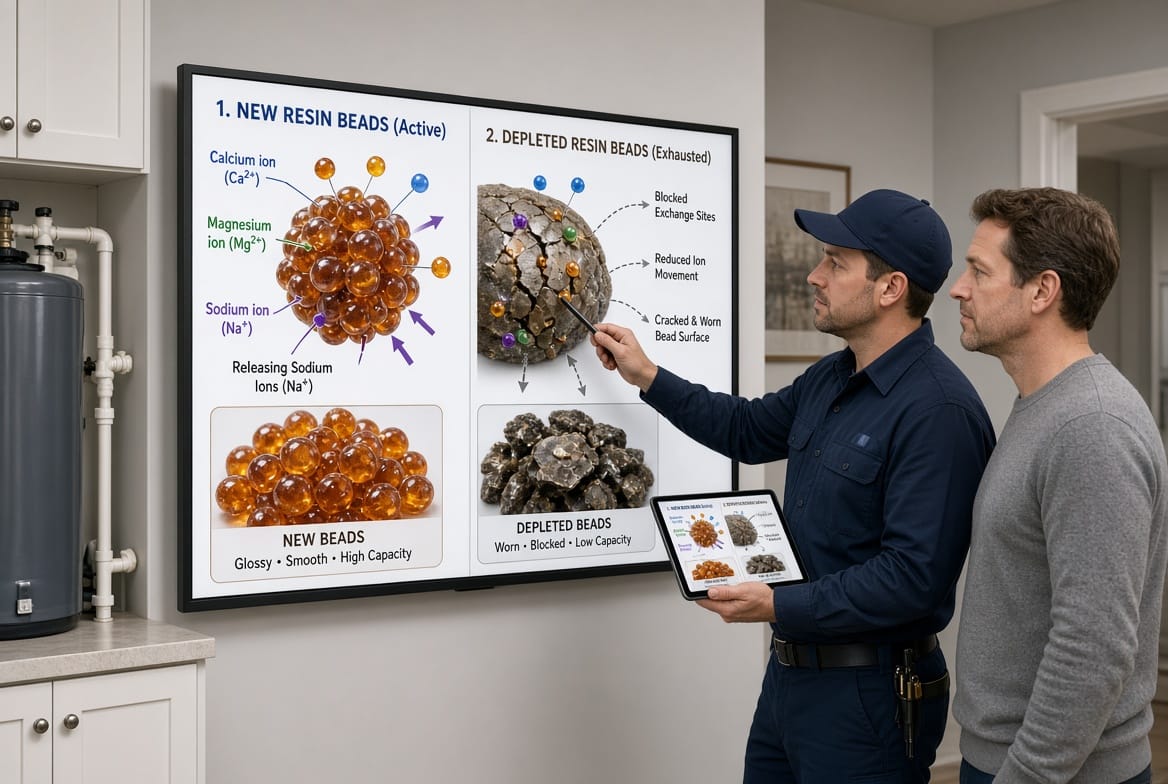
The resin media inside a water softener tank consists of tiny, porous polymer beads engineered specifically for ion exchange. These beads carry a negative electrical charge that attracts positively charged hardness ions. When untreated hard water flows through the resin bed, calcium and magnesium ions attach themselves to the beads and are swapped for sodium ions that the resin previously held. The result is water that feels noticeably softer, produces richer lather with soap, and leaves far fewer scale deposits on fixtures and inside pipes.
This exchange process repeats thousands of times every day. After a set volume of water has been treated, the resin becomes saturated with hardness minerals and must be regenerated with a concentrated brine solution. During regeneration, the high concentration of sodium ions forces the captured calcium and magnesium off the beads and flushes them down the drain. Fresh sodium ions then occupy the exchange sites once again, preparing the resin for the next cycle.
Because the beads are in constant physical and chemical contact with water, minerals, and regenerant, they experience gradual wear. Microscopic cracks develop, exchange sites become blocked by iron or other contaminants, and the overall capacity of the bed slowly declines. Professional maintenance and timely resin replacement prevent this decline from affecting household water quality.
How Ion Exchange Creates Soft Water
The science of ion exchange is both elegant and highly efficient when the resin remains in good condition. Each cubic foot of quality resin typically contains millions of individual beads, providing an enormous surface area for mineral capture. Fresh resin can remove hardness equivalent to several thousand grains before regeneration is required. As the beads age, however, that capacity shrinks.
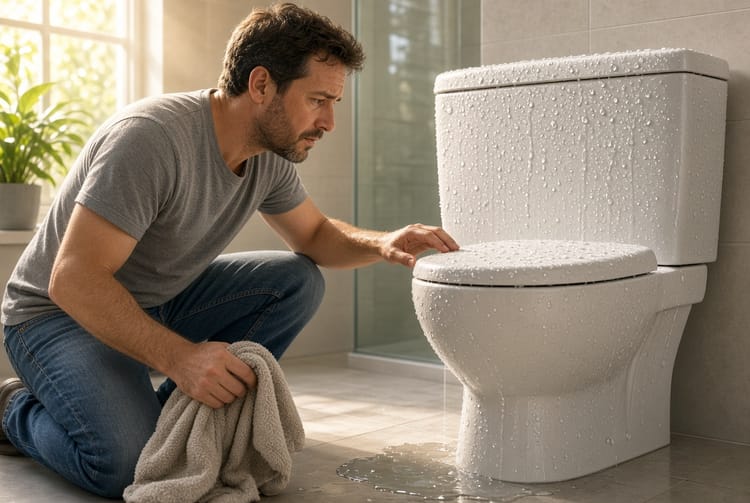
When resin begins to deplete, two measurable changes occur. First, the beads hold fewer sodium ions available for exchange, so a greater volume of hardness minerals slips through untreated. Second, regeneration becomes less complete because damaged beads cannot release captured minerals as readily. Homeowners notice these changes as a return of familiar hard-water problems even though the softener continues to cycle normally.
Regular professional inspection of the resin bed allows technicians to evaluate bead condition, measure remaining capacity, and determine whether simple cleaning or full media replacement is the better long-term solution.
Recognizing the Signs of Resin Depletion
The most reliable indicators that water softener resin has reached the end of its useful life appear gradually and can be confirmed through simple observation and system monitoring.
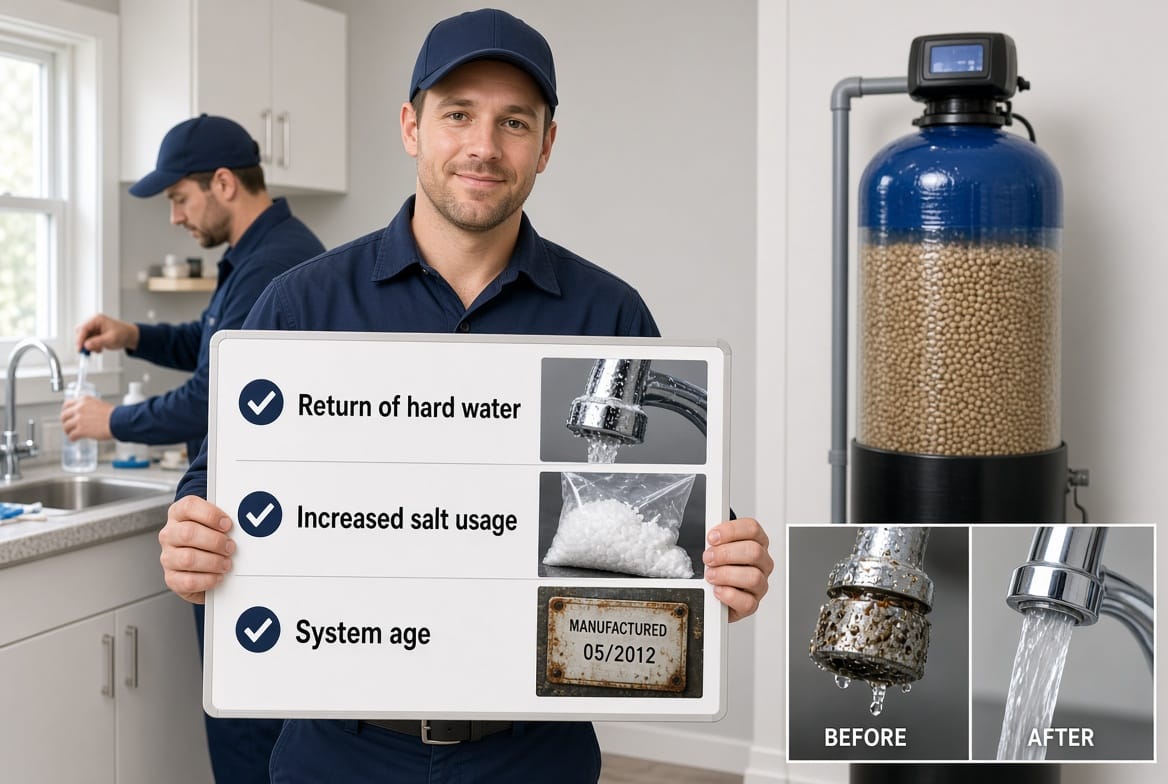
- Hard water returns even though the softener is regenerating on schedule. Soap no longer lathers easily, spots reappear on glassware, and scale begins forming on faucets and showerheads.
- Salt consumption increases without a corresponding rise in household water use. The system must regenerate more frequently or use larger brine doses to achieve the same softening effect because the remaining resin capacity has dropped.
- The age of the system itself becomes a deciding factor. Most resin beds deliver reliable performance for 10-15 years under average conditions; beyond that window the likelihood of significant depletion rises sharply.
Additional supporting clues include a noticeable drop in water pressure caused by compacted or fragmented beads, a persistent salty taste that regeneration fails to eliminate, or visible discoloration and clumping when a technician inspects the tank. Any combination of these symptoms signals that the media is no longer performing at design capacity and that resin replacement should be scheduled promptly.
Ignoring these signs allows hardness minerals to re-enter plumbing lines, reducing appliance efficiency and shortening the lifespan of water heaters, dishwashers, and washing machines. Early professional evaluation prevents these secondary problems and restores the original performance of the softener.
Recommended Replacement Interval and Professional Process
Industry experience and manufacturer guidelines consistently place the typical service life of water softener resin between 10 and 15 years. Several variables influence the exact timing: incoming water hardness level, iron or manganese content, frequency of regeneration, and overall water volume treated each year. Homes with very hard water or high iron may need replacement closer to the ten-year mark, while systems treating moderately hard water and receiving regular maintenance often reach the full fifteen-year span.
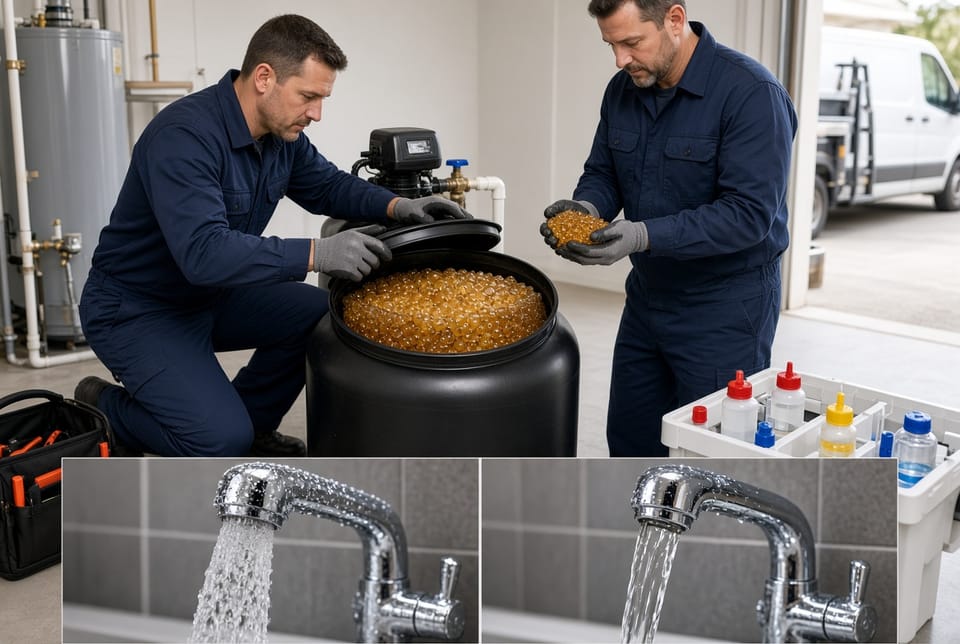
Replacement is a specialized maintenance procedure best performed by trained technicians. The old media is carefully removed, the tank is inspected and cleaned, and a precisely measured quantity of new high-capacity resin is installed. After the tank is resealed, the system is programmed, regenerated, and tested to confirm that hardness is again being reduced to the desired level. This process typically requires only a few hours and returns the softener to like-new efficiency.
Homeowners sometimes attempt to extend resin life through extra salt or more frequent regeneration cycles. While these adjustments may provide temporary relief, they cannot restore beads that have physically deteriorated. Professional media replacement remains the only reliable method for returning the system to full capacity.
Benefits of Timely Resin Replacement
Replacing depleted water softener resin delivers immediate and lasting advantages. Soft water returns, soap and detergent usage drops, and fixtures stay cleaner with less effort. Appliances operate more efficiently because scale no longer accumulates on heating elements and internal components. Energy costs associated with water heating often decrease as well.
From a maintenance standpoint, fresh resin reduces strain on the control valve and brine system, lowering the chance of unexpected breakdowns. The entire household enjoys the comfort of consistently soft water for bathing, laundry, and cleaning without the frustration of recurring hardness symptoms.
Because the resin bed is the single most important component inside the softener, investing in timely replacement protects the larger equipment investment and maintains the warranty coverage many manufacturers require when service records are kept current.
Practical Maintenance Steps That Support Resin Longevity
Between full replacements, several straightforward practices help the existing media last as long as possible. Keep the brine tank clean and free of sludge so regeneration remains efficient. Use high-purity pellet or solar salt rather than rock salt that can introduce insoluble residue. Schedule annual professional inspections that include resin sampling and capacity testing. Address any iron or sediment issues in the incoming water supply, because these contaminants accelerate bead fouling.
Monitoring salt usage and water hardness at the tap provides early warning of declining performance. A sudden unexplained increase in salt consumption or a rise in hardness readings after regeneration should prompt a service call rather than continued operation with compromised media.
These simple habits, combined with the recommended 10-15 year replacement cycle, keep the softener operating at peak efficiency and protect household plumbing for decades.
Restoring Soft Water Through Professional Service
When the signs of resin depletion become evident, prompt action restores the comfort and protection that a properly functioning water softener provides. Fresh media immediately resumes efficient ion exchange, removing calcium and magnesium and delivering the soft water your household expects.
Do not wait until scale damage or appliance problems appear. Replace depleted resin for soft water and enjoy the difference professional maintenance makes. Your system will return to reliable, efficient operation, and your water will once again feel as it should—clean, soft, and completely free of hardness minerals.
Stop Hard Water Return – Schedule Resin Service Now