The Water Heater Vacuum Relief Valve: Protecting Against Siphoning
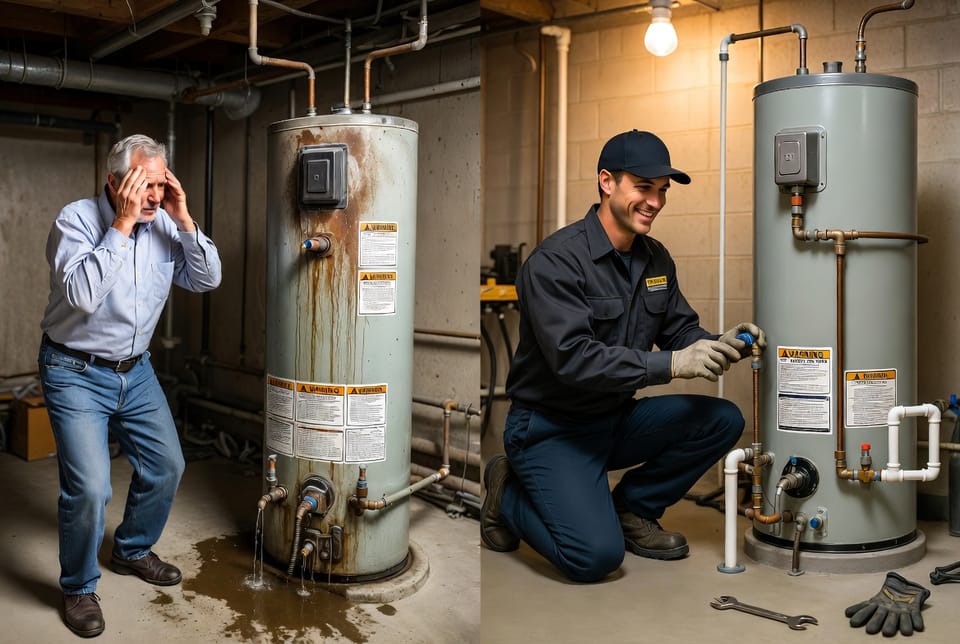
In the world of home plumbing systems, certain components work quietly in the background to safeguard your property and peace of mind. One such critical yet often overlooked device is the water heater vacuum relief valve. This essential safety feature plays a vital role in protecting your water heater tank from a phenomenon known as siphoning, which can lead to catastrophic collapse during water supply disruptions.
Protect Your Water Heater from Collapse – Call Now!
At [Your Plumbing Company], we emphasize proactive education and maintenance. Understanding how this valve functions empowers homeowners to prevent expensive repairs and ensure reliable hot water for years to come. In this comprehensive guide, we’ll explore the science behind the valve, its proper installation, warning signs of failure, and why professional inspection is your best defense.
Understanding Siphoning and Its Risks to Water Heaters
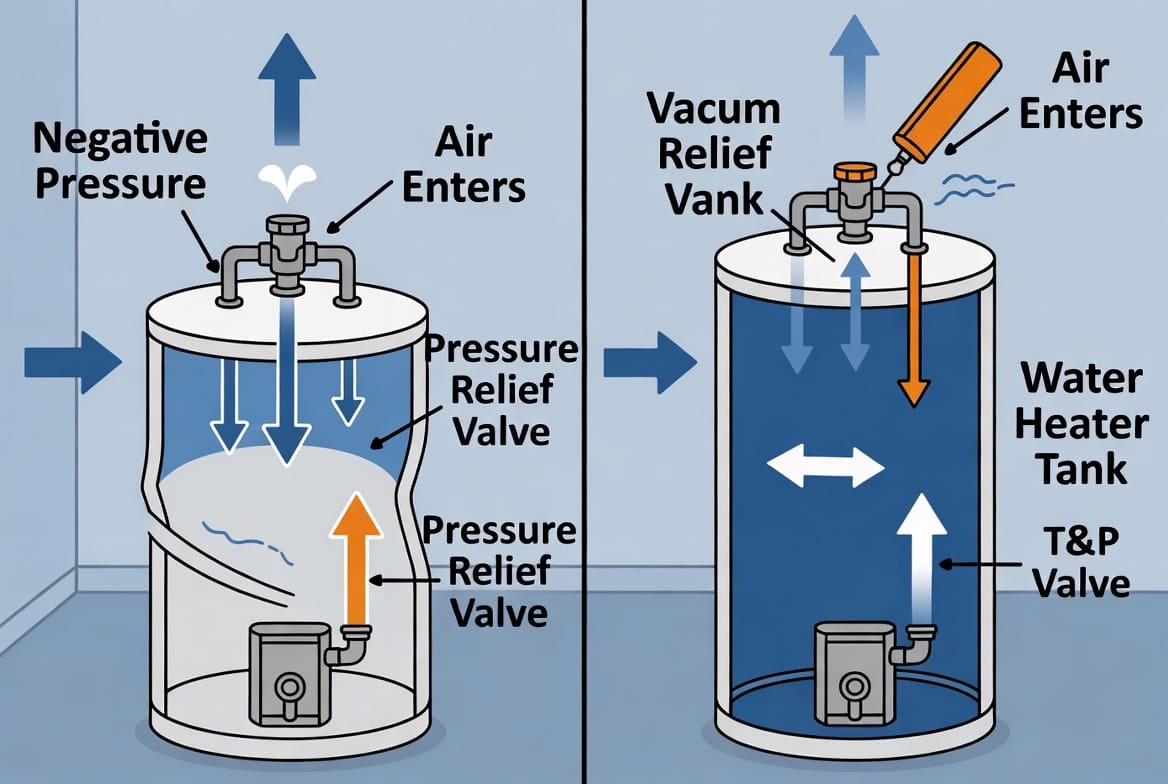
Siphoning occurs when water flows out of a tank faster than it can be replaced, creating a vacuum that can literally crush the steel walls of your water heater. This risk becomes especially pronounced during municipal water outages, maintenance shutdowns, or unexpected pressure drops in your home’s supply lines.
Without proper protection, the negative pressure pulls the tank inward, causing irreversible structural damage. Repairing or replacing a collapsed water heater tank is not only disruptive but can cost thousands of dollars in parts, labor, and water damage restoration.
The vacuum relief valve acts as a guardian, automatically allowing air to enter the tank when negative pressure is detected. This equalizes internal pressure and prevents collapse. It is typically required by modern plumbing codes and represents a smart investment in long-term system reliability.
How the Vacuum Relief Valve Works
Located at the top of the water heater tank, usually on or near the cold water inlet pipe, the vacuum relief valve contains a sensitive mechanism that responds to pressure differentials. Under normal operating conditions, it remains closed. When siphoning begins and vacuum forms, the valve opens to admit air, breaking the siphon effect.
This simple yet ingenious design:
- Prevents tank deformation and potential rupture
- Maintains the integrity of the glass lining inside the tank
- Reduces stress on connected pipes and fittings
- Complies with safety standards for residential and light commercial installations
Key benefit: The valve provides protection without interfering with everyday hot water performance.
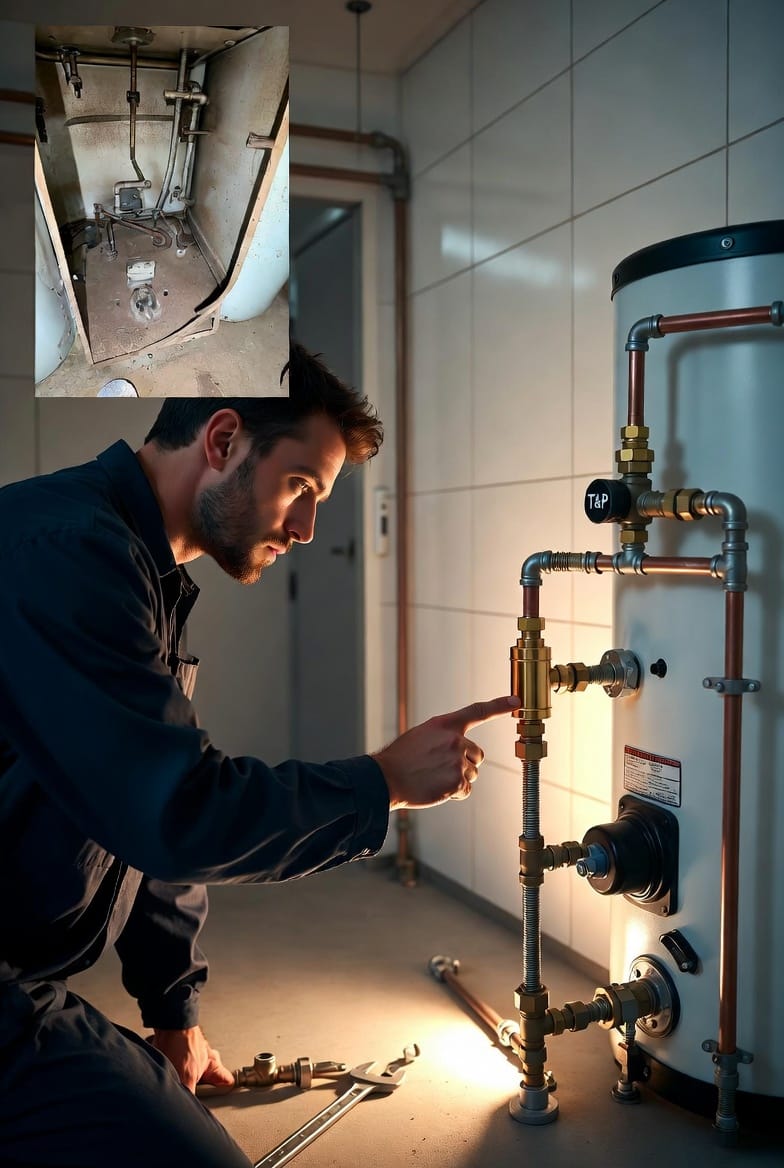
Signs Your Vacuum Relief Valve May Be Failing
Early detection of issues with your vacuum relief valve can save significant trouble. Look for these common indicators:
- Leaking or dripping from the valve itself — a sign it may be stuck open or damaged
- Unusual gurgling or knocking sounds coming from the water heater during use or refill
- Inconsistent water pressure or sudden drops in hot water availability
- Visible corrosion or mineral buildup around the valve area
- History of recent water supply interruptions without professional follow-up inspection
If you notice any of these symptoms, do not ignore them. A compromised valve leaves your entire water heater vulnerable to siphoning-related failure.
Why Location Matters: Proper Placement on the Tank
Code-compliant installation requires the vacuum relief valve to be positioned at the highest point on the water heater — typically integrated into the cold water supply line entering the top of the tank. This strategic placement ensures it can effectively sense and respond to vacuum conditions.
Professional plumbers verify:
- Correct orientation and secure connections
- Compatibility with your specific water heater model (gas, electric, or tankless hybrid)
- Absence of obstructions that could impede valve operation
- Integration with other safety devices like temperature and pressure relief valves (T&P valves)
Improper placement or DIY attempts often result in reduced effectiveness and potential code violations.
Installation Best Practices and Professional Expertise
While some homeowners attempt self-installation, we strongly recommend certified professionals for this critical component. Proper installation involves:
- Shutting off water and power/gas supply safely
- Draining the tank partially if needed for access
- Applying appropriate thread sealants and torque specifications
- Testing the system under various pressure scenarios
- Documenting the work for warranty and insurance purposes
Our technicians carry the latest tools and replacement parts to ensure your vacuum relief valve operates flawlessly from day one.
Maintenance Tips to Extend System Longevity
Regular maintenance keeps your vacuum relief valve performing optimally:
- Annual inspections by licensed plumbers to test valve function
- Flushing the water heater tank to reduce sediment that could affect valve operation
- Checking for signs of hard water mineral deposits in your area
- Monitoring overall system pressure and temperature settings
- Replacing the valve proactively every 3–5 years or as recommended by the manufacturer
These steps not only protect against siphoning but also improve energy efficiency and reduce the likelihood of other common water heater problems.
The Broader Importance in Home Safety Systems
The vacuum relief valve forms part of a comprehensive network of safety features in modern plumbing. Combined with expansion tanks, pressure regulators, and T&P relief valves, it contributes to a robust defense against pressure-related disasters.
Homeowners in areas prone to frequent water main breaks, construction disruptions, or severe weather events particularly benefit from verified valve protection. Investing in this component demonstrates foresight and commitment to property preservation.
Common Myths and Misconceptions
Many believe that standard T&P relief valves provide sufficient vacuum protection — this is incorrect. T&P valves handle positive pressure and temperature issues, while vacuum relief addresses the opposite negative pressure scenario. Both are necessary for complete safety.
Another myth suggests that newer tankless water heaters don’t need this protection. In reality, certain hybrid and high-capacity systems still incorporate similar safeguards that require professional verification.
When to Schedule Professional Service
Don’t wait for an emergency. Contact a trusted plumber if:
- Your water heater is over 10 years old
- You’ve experienced recent water supply interruptions
- You’re planning a home renovation or plumbing upgrade
- You simply want peace of mind before peak usage seasons
Early intervention prevents minor issues from escalating into major failures.
Protecting Your Investment for Years Ahead
A properly functioning water heater vacuum relief valve offers quiet confidence that your home’s hot water system remains secure against unforeseen siphoning events. By understanding its role and ensuring professional maintenance, you safeguard not only your appliance but also your family’s comfort and your property’s value.
At [Your Plumbing Company], our team of licensed experts specializes in comprehensive water heater services, from routine inspections to complete system upgrades. We approach every job with the same dedication to quality, safety, and customer satisfaction.
Protect your water heater from collapse today. Don’t leave your system vulnerable to siphoning risks.
We’re here to answer questions, provide transparent recommendations, and deliver reliable solutions that keep your home running smoothly.
Get Professional Water Heater Protection Today