The Water Heater Anode Rod: Sacrificial Protection Against Rust
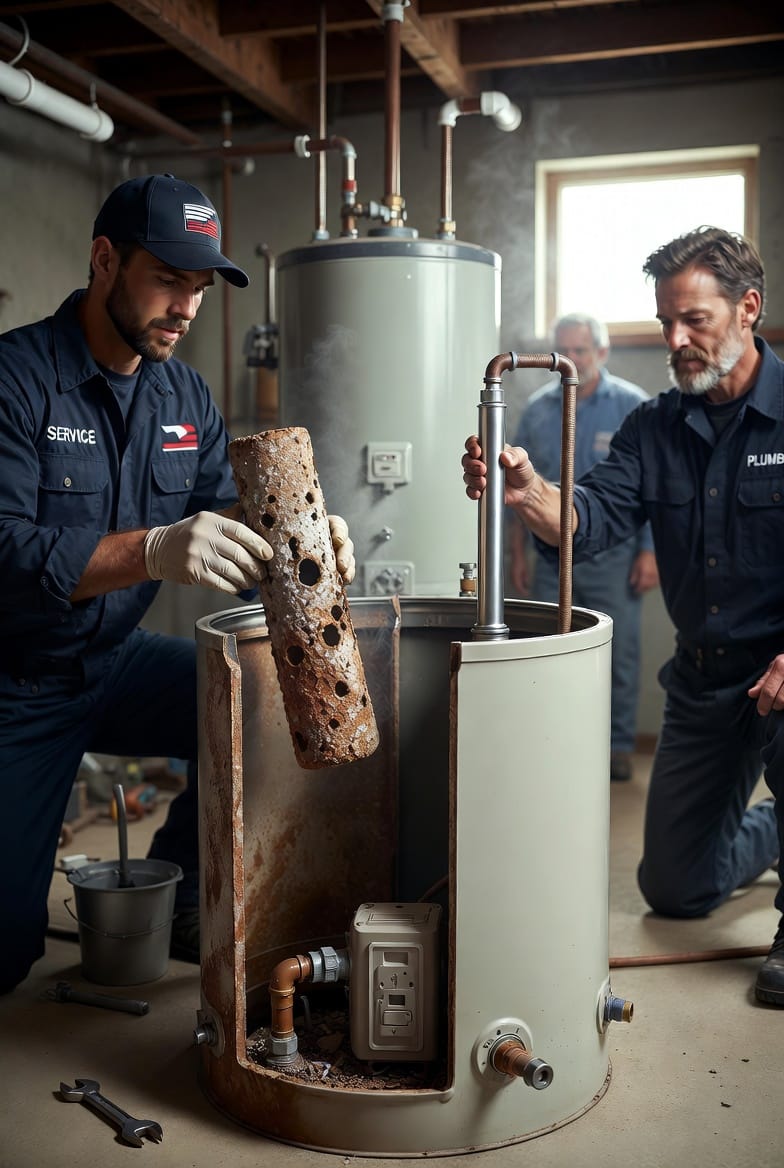
In the world of home plumbing systems, few components work as quietly and effectively as the water heater anode rod. Yet this unassuming metal rod plays a critical role in preventing costly damage and keeping your hot water flowing reliably for years. At its core, the anode rod is your water heater’s first line of defense against rust and corrosion.
Replace Your Anode Rod Today – Call Now!
By understanding how this sacrificial anode operates, recognizing when it needs attention, and committing to timely replacement, homeowners can dramatically extend the lifespan of their water heater—often adding five, ten, or even more years of dependable service. This comprehensive guide walks you through everything you need to know about the water heater anode rod, why it matters, and how proactive care delivers peace of mind and long-term savings.
Understanding the Role of the Water Heater Anode Rod
Every standard tank-style water heater contains a steel tank lined with a protective glass or porcelain coating. Over time, however, small imperfections, scratches, or manufacturing variations allow water to reach the bare metal. That’s where the anode rod steps in as a sacrificial protector.
Made typically of magnesium, aluminum, or zinc alloys, the anode rod is more electrically active than the steel tank. It essentially “attracts” the corrosive elements in your water—such as oxygen, minerals, and chlorides—so that the rod corrodes instead of the tank itself. This electrochemical process is known as cathodic protection, and it is the same principle used to safeguard ships, pipelines, and underground storage tanks worldwide.
Bold fact: Without a functioning anode rod, even the highest-quality water heater tank can begin rusting from the inside out within just a few years. With a healthy rod in place, the same tank can last 12–15 years or longer, depending on water quality and usage.
Regular inspection and replacement of the anode rod therefore represent one of the smartest, lowest-cost investments you can make in your home’s plumbing infrastructure. It is far less expensive to replace a $50–$150 rod than to purchase and install an entirely new water heater costing $1,000 or more.
The Science Behind Sacrificial Protection
The anode rod works through a simple yet powerful electrochemical reaction. Water inside the tank contains ions that seek to oxidize metal. Because the anode rod is engineered to be the most reactive metal present, it becomes the preferred target for corrosion.
Electrons flow from the anode rod to the steel tank, keeping the tank in a protected “cathodic” state while the rod itself gradually dissolves. Over time, the rod sacrifices itself—hence the term “sacrificial anode”—to preserve the integrity of the tank walls.
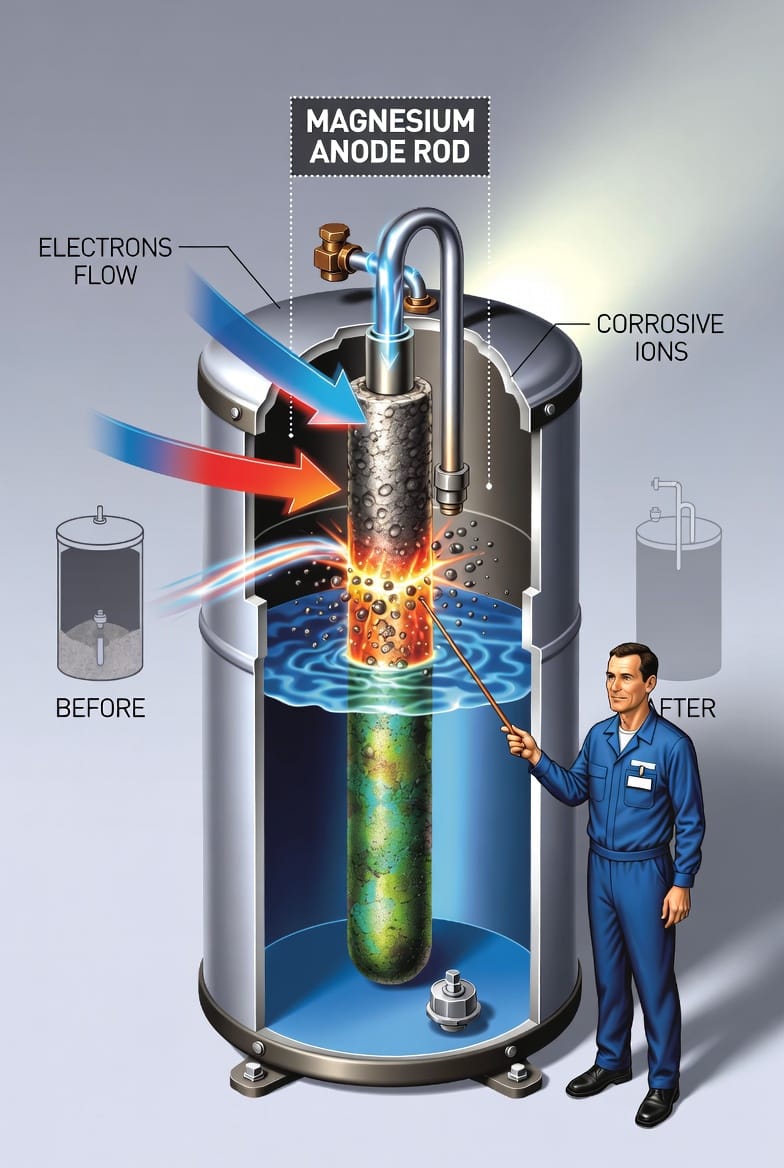
This protective mechanism continues until the rod is significantly depleted. Once the rod can no longer supply electrons effectively, the tank itself becomes vulnerable. That is why monitoring and replacing the anode rod at the right interval is essential for extending water heater life.
Recognizing the Signs of a Depleted Anode Rod
Your water heater often sends clear signals when the anode rod is nearing the end of its useful life. Catching these signs early prevents irreversible tank damage and emergency repairs.
Here are the most common indicators:
- Rusty or discolored hot water – Small particles of iron oxide appear as reddish-brown water when you run the hot tap.
- Unusual rumbling or popping sounds – Sediment buildup accelerates when the protective rod weakens, causing the tank to work harder.
- Reduced hot water capacity – The unit struggles to maintain temperature because corrosion affects heating efficiency.
- Visible corrosion around fittings – Leaks or wet spots near the top of the tank can signal advanced internal damage.
- Water heater age over 5 years without documented rod inspection – Most manufacturers recommend checking the rod every 3–5 years regardless of symptoms.
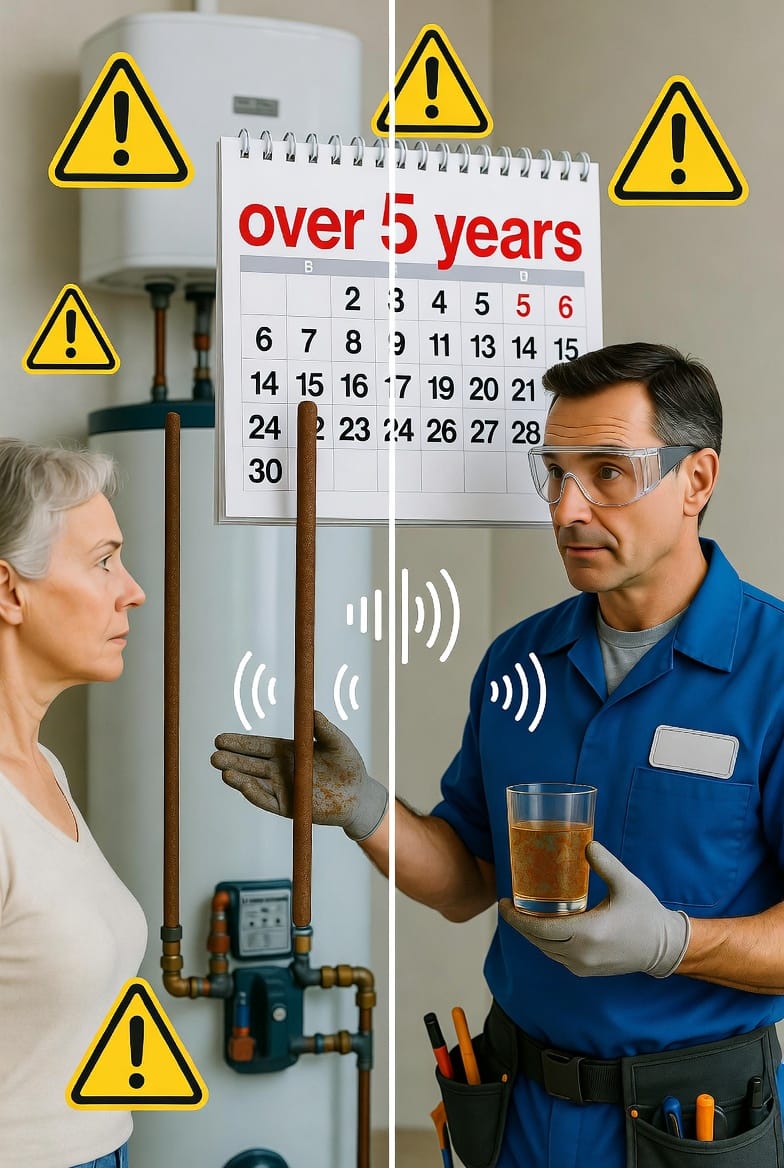
If you notice any of these symptoms, do not wait. A quick inspection can confirm the rod’s condition and prevent a full tank failure.
The Benefits of Timely Anode Rod Replacement
Replacing the water heater anode rod on schedule delivers multiple measurable advantages:
- Extended equipment lifespan – Many homeowners report adding 8–12 additional years to their original water heater.
- Improved energy efficiency – A clean, protected tank heats water faster and uses less energy.
- Cleaner water quality – Less internal corrosion means fewer rust particles reach your fixtures and appliances.
- Lower long-term costs – Avoiding premature replacement saves thousands in equipment, labor, and potential water damage.
- Peace of mind – Knowing your system is protected against hidden corrosion allows you to enjoy reliable hot water without worry.
Homeowners who maintain their anode rod consistently often find their water heater outlasts the typical 8–12 year warranty period by a wide margin.
How Often Should You Replace Your Anode Rod?
Industry experts and manufacturers universally recommend inspecting or replacing the anode rod every 3–5 years. Factors that accelerate depletion include:
- Hard water with high mineral content
- High temperature settings (above 120°F)
- Frequent heavy usage in large households
- Water with elevated sulfate or chloride levels
In softer water regions, rods may last closer to five years. In harder water areas, replacement every three years is often ideal. The good news? The inspection process is straightforward and non-disruptive when performed by a qualified technician.
DIY vs Professional Replacement: What’s Best?
While some experienced homeowners choose to replace the anode rod themselves, professional service offers distinct advantages.
A licensed plumber has the specialized tools to remove stubborn rods without damaging the tank, properly flush sediment, and reinstall a correctly sized rod matched to your specific water heater model. They also perform a complete system safety check at the same time.
Key risks of DIY attempts include cross-threading, overtightening, or failing to reseal the tank properly—any of which can lead to leaks or reduced performance. For most families, the modest investment in professional service pays for itself many times over through extended equipment life and avoided complications.
Additional Maintenance Tips for Long-Lasting Water Heaters
Beyond anode rod care, adopt these habits to maximize performance:
- Set water temperature to 120°F to reduce mineral buildup and energy waste.
- Drain a few gallons from the tank annually to remove sediment.
- Insulate hot water pipes to maintain temperature and lower energy bills.
- Schedule annual professional inspections that include anode rod assessment.
These simple steps, combined with proactive anode rod replacement, create a comprehensive maintenance strategy that keeps your system running at peak efficiency.
Common Myths About Anode Rods Debunked
Myth 1: “If my water looks clear, the rod must be fine.”
Reality: Corrosion happens internally long before visible signs appear in the water.
Myth 2: “Aluminum rods are always better.”
Reality: Magnesium rods perform best in most residential applications; the right choice depends on your local water chemistry.
Myth 3: “Once the rod is gone, the water heater is doomed.”
Reality: Timely replacement can still rescue a tank that has only minor corrosion.
Armed with accurate information, you can make confident decisions about your water heater’s care.
Conclusion: Protect Your Investment Today
The water heater anode rod may be hidden from view, but its sacrificial protection delivers outsized benefits. By replacing it every 3–5 years—or sooner if signs of depletion appear—you safeguard the heart of your home’s hot water system and avoid expensive surprises.
Replace your anode. Extend your heater’s life.
Don’t leave your water heater’s longevity to chance. Schedule a professional inspection and anode rod replacement today. Our experienced technicians provide fast, reliable service that keeps your system protected and efficient for years to come.
Your hot water—and your wallet—will thank you.
Extend Your Water Heater Life – Schedule Inspection Now