The Toilet Wax Ring: Signs of Failure and Replacement
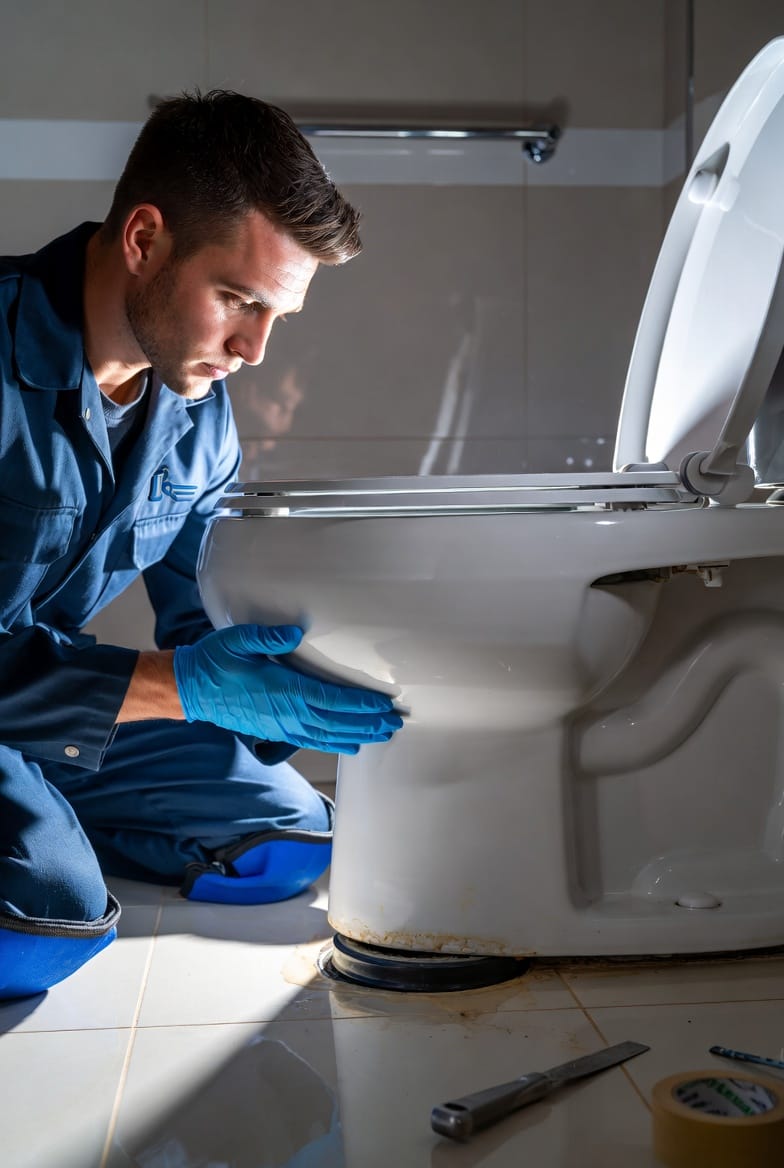
Toilet wax rings are small but essential components in every bathroom plumbing system. When they fail, the results can be frustrating and costly. A leaking toilet wax ring is one of the most common yet overlooked sources of bathroom water damage and unpleasant odors.
Fix Your Wax Ring Leak Fast – Call Now!
At first glance, your toilet may appear perfectly normal. Yet beneath the base lies a simple wax seal that prevents water from escaping and sewer gas from entering your living space. Understanding the signs of toilet wax ring failure and the straightforward wax ring replacement process can save you from expensive floor repairs and health concerns.
In this comprehensive guide, we explain exactly what a toilet wax ring does, how to spot trouble early, and the professional-recommended steps to restore a secure, leak-free connection. Whether you are a homeowner noticing the first signs or simply planning ahead, this information empowers you to act confidently and protect your property.
What Is a Toilet Wax Ring and Why Is It Critical?
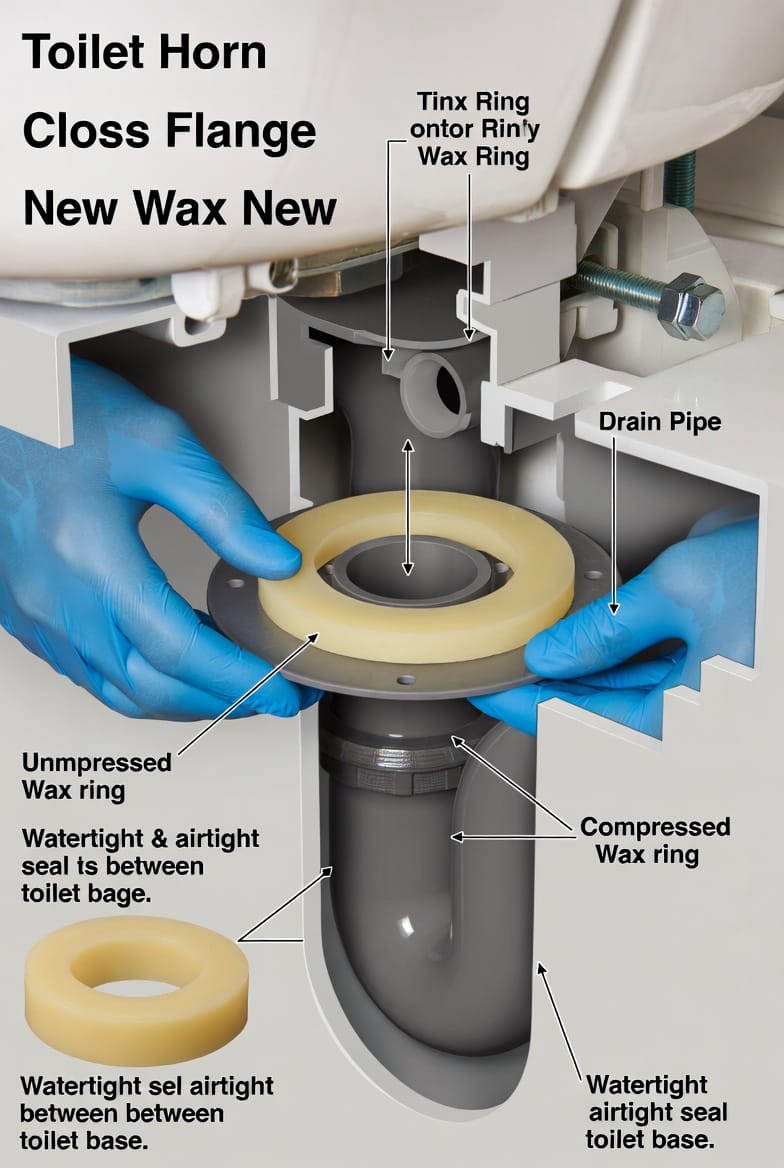
A toilet wax ring is a thick, pliable ring made primarily of wax (sometimes with added foam or rubber for extra durability) designed to create a permanent, watertight, and airtight seal between the toilet’s outlet horn and the closet flange on the drain pipe.
Installed during initial toilet setup or later repairs, the ring compresses under the weight of the toilet to fill every gap. This compression forms a flexible barrier that accommodates minor movement while blocking water and sewer gas from escaping. Without an effective wax ring, even the smallest gap allows slow seepage that gradually damages flooring, subflooring, and surrounding materials.
Key risks if ignored include mold growth, structural weakening, and persistent odors that affect indoor air quality. Fortunately, toilet wax ring replacement is a standard plumbing repair that restores full functionality quickly and affordably.
How a Wax Ring Creates a Reliable Seal
The sealing process is elegantly simple yet highly effective. When the toilet is lowered onto the flange, the wax ring is compressed between the toilet horn and the flange opening. The wax molds perfectly to the irregular surfaces, creating a custom-fit barrier.
Over time, the compressed wax remains pliable enough to maintain the seal even if the toilet shifts slightly. This design has been the industry standard for decades because it reliably prevents leaks while allowing easy removal during future maintenance.
A properly installed wax ring ensures your toilet flushes cleanly without water pooling around the base or sewer gas odors drifting into the bathroom. When the seal begins to degrade, however, those protective qualities disappear.
Common Signs of Toilet Wax Ring Failure
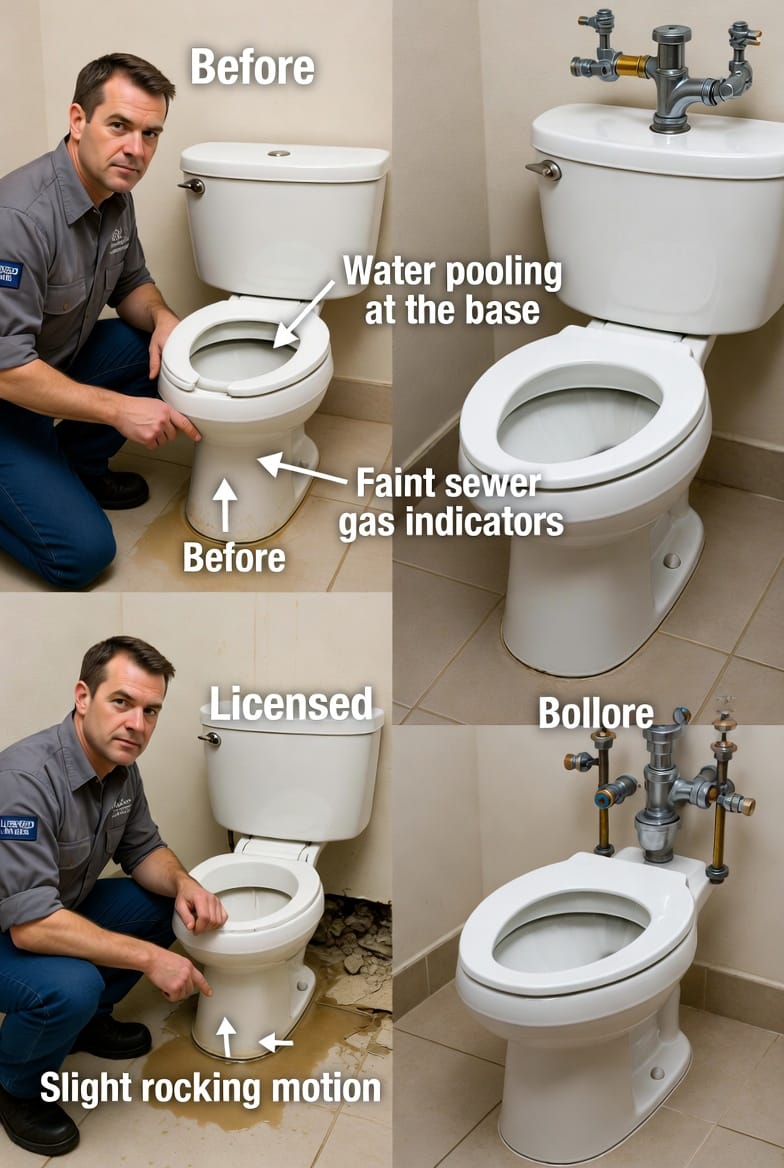
Early detection is the best defense against major damage. Watch for these signs of toilet wax ring failure:
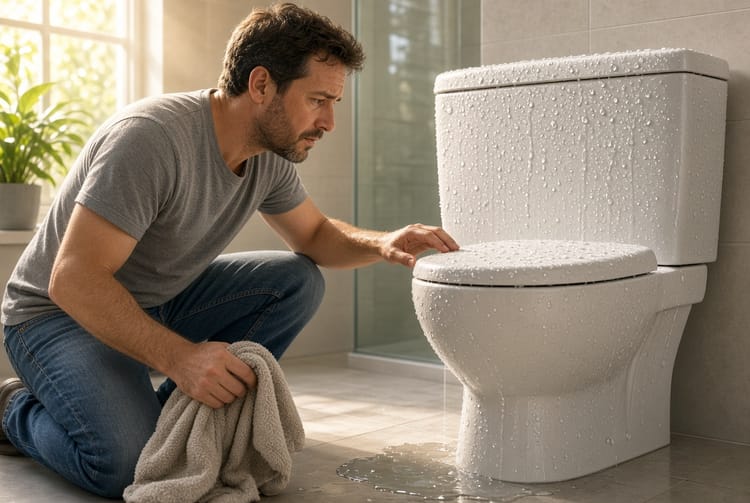
- Water around the toilet base – Even small puddles that reappear after wiping often indicate the seal is compromised.
- Persistent sewer gas smells – A rotten-egg or musty odor that worsens when the toilet is flushed or after heavy rain signals gas escaping through gaps.
- Rocking or unstable toilet – If the fixture moves even slightly when weight is applied, the wax ring may no longer provide solid support.
- Floor damage or soft spots – Visible warping, discoloration, or spongy areas near the base suggest water has been seeping underneath for some time.
These symptoms rarely appear overnight. They develop gradually, which is why regular visual inspections are recommended. Ignoring them can lead to costly subfloor replacement and potential mold remediation.
A failing toilet wax ring does not always cause dramatic flooding, but the slow, hidden damage is equally serious. Homeowners who act at the first sign of trouble avoid larger headaches and maintain a healthier living environment.
Why Toilet Wax Rings Fail Over Time
Several factors contribute to wax ring degradation. Normal wear from decades of compression, temperature fluctuations, and minor toilet movement slowly break down the wax’s flexibility. Improper initial installation—such as using the wrong size ring or failing to clean the flange thoroughly—shortens its lifespan dramatically.
In homes with frequent heavy use or older plumbing systems, the ring may also encounter chemical exposure from cleaning products or shifting floor levels. Once gaps form, water and gas begin escaping, accelerating the failure.
The good news is that wax ring replacement addresses the root cause directly. Replacing the ring before extensive damage occurs is far simpler and less expensive than repairing water-damaged flooring or dealing with mold.
The Professional Step-by-Step Wax Ring Replacement Process
Toilet wax ring replacement follows a proven sequence that ensures a lasting seal. While experienced DIYers can complete the job, many homeowners prefer professional service for perfect results and warranty protection.
- Prepare the area – Turn off the water supply valve and flush the toilet to empty the tank and bowl. Sponge out remaining water.
- Disconnect the supply line – Carefully loosen the nut connecting the water line to the tank.
- Remove the toilet – Unscrew the closet bolts, rock the toilet gently to break the old seal, and lift it away (two people make this step safer and easier).
- Clean the flange and horn – Scrape away all remnants of the old wax ring using a putty knife. Thorough cleaning prevents leaks in the new seal.
- Install the new wax ring – Center the fresh ring on the flange or toilet horn according to manufacturer instructions. Some rings include built-in plastic horns for added stability.
- Reinstall the toilet – Lower the toilet straight down, aligning the horn with the flange. Press firmly to compress the wax evenly.
- Secure and test – Tighten the closet bolts, reconnect the water supply, and flush several times while checking for leaks.
Each step requires patience and precision. Proper alignment and even compression are critical for long-term success. Professionals complete this process efficiently, often finishing in under an hour while leaving the bathroom spotless.
Essential Tools and Materials for Wax Ring Replacement
Successful wax ring replacement requires only basic tools:
- Adjustable wrench and pliers
- Putty knife and scraper
- New wax ring (standard or extra-thick as needed)
- Closet bolts and washers
- Sponge and rags
- Optional: wax ring remover tool and flange stabilizer
Using quality materials ensures the repair lasts for years rather than months.
When to Call a Professional Plumber
While the process is straightforward, certain situations call for expert help. If the flange is cracked, the toilet is extremely heavy, or you notice extensive floor damage, a licensed plumber provides the safest solution. Professionals also guarantee their work, giving you peace of mind that the toilet wax ring seal will perform reliably.
Benefits of Timely Wax Ring Replacement
Addressing a failing wax ring promptly delivers multiple advantages:
- Eliminates water waste and reduces utility bills
- Prevents costly floor and subfloor repairs
- Removes sewer gas odors for healthier indoor air
- Restores toilet stability and prevents rocking
- Extends the life of your toilet and surrounding fixtures
Homeowners who replace the ring at the first sign of trouble enjoy a dry, odor-free bathroom for many years.
Preventing Future Wax Ring Problems
Prevention is simple. Avoid excessive side-to-side pressure on the toilet, schedule periodic inspections, and never use harsh chemicals that could degrade the wax. When installing new toilets, always choose the correct ring size and follow manufacturer torque specifications for bolts.
Frequently Asked Questions About Toilet Wax Rings
How long do toilet wax rings typically last?
Most last 10–20 years under normal conditions, though heavy use or poor installation can shorten this lifespan.
Can I replace a wax ring without removing the toilet?
No. The toilet must be lifted to access and replace the ring properly.
Is there a permanent alternative to wax rings?
Some rubber or foam seals are marketed as permanent, but traditional wax remains the most reliable and widely recommended option.
Will a leaking wax ring cause mold?
Yes. Hidden moisture beneath the toilet creates ideal conditions for mold growth.
How much does professional wax ring replacement cost?
Most professional services complete the job efficiently and affordably, protecting your home from far more expensive damage.
Can I use silicone instead of a wax ring?
Silicone is not recommended because it lacks the flexibility needed for proper sealing and future removal.
Take Action Before Small Leaks Become Big Problems
A leaking toilet wastes water and damages floors. Don’t let a failing toilet wax ring compromise your home’s comfort and safety.
If you notice water around the base, sewer gas odors, or a rocking toilet, schedule wax ring replacement today. Our experienced team handles the entire process quickly and cleanly, leaving your bathroom dry and odor-free.
Protect your home with prompt professional service. A secure toilet wax ring means peace of mind every time you flush.
Get Professional Wax Ring Replacement Today