The Sewer Ejector Pump: Moving Waste Up from Basement Bathrooms
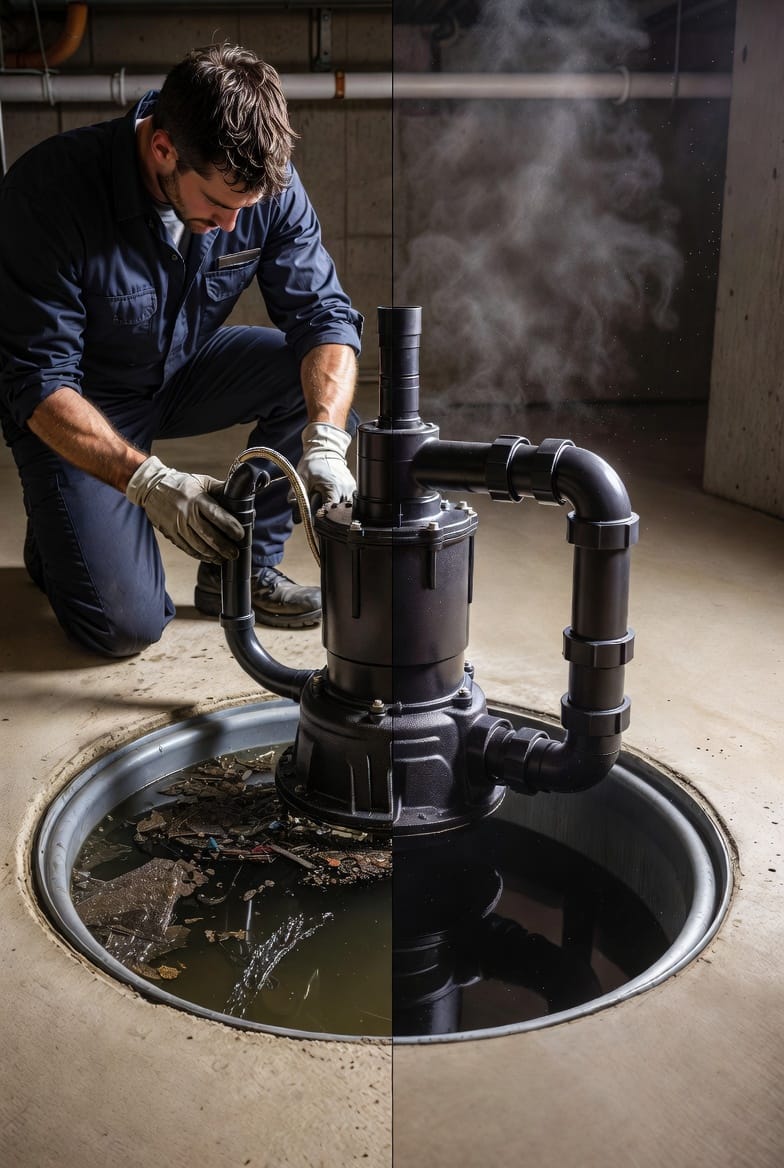
Basement bathrooms add valuable living space and convenience to any home, but they introduce a unique plumbing challenge: below-grade plumbing. When fixtures sit lower than the main sewer line, gravity alone cannot move waste upward. This is where the sewer ejector pump becomes essential. It quietly and efficiently grinds and lifts wastewater and solids from your basement fixtures up to the municipal sewer line, keeping everything flowing reliably.
Reliable Ejector Pump Repair & Maintenance – Call Now!
Homeowners often overlook this hardworking component until problems arise. Understanding how a sewer ejector pump operates, recognizing early warning signs, and following a simple maintenance routine can prevent costly emergencies and protect your basement investment. With proper care, your below-grade bathroom remains a functional, worry-free space for years to come.
What Is a Sewer Ejector Pump and Why Is It Critical for Below-Grade Plumbing?
A sewer ejector pump is a specialized wastewater management system designed specifically for installations where plumbing fixtures are located below the level of the street sewer line. Unlike standard sump pumps that handle only clear water, an ejector pump is built to handle raw sewage—human waste, toilet paper, and other solids—without clogging.
Installed in a sealed sump pit beneath the basement floor, the unit collects drainage from showers, sinks, and toilets. When the pit fills to a predetermined level, an internal float switch activates the pump. Powerful impellers grind the waste into a fine slurry, then force it upward through a discharge pipe that connects to the main sewer line. This process ensures waste moves up against gravity, maintaining proper sanitation and preventing backups.
In modern homes with finished basements or additions, below-grade plumbing is increasingly common. Without a properly functioning sewer ejector pump, even a single flush or shower could lead to unpleasant overflows. The good news is that today’s units are engineered for durability, quiet operation, and energy efficiency, providing homeowners with dependable performance when installed and maintained correctly.
How Does a Sewer Ejector Pump Work?
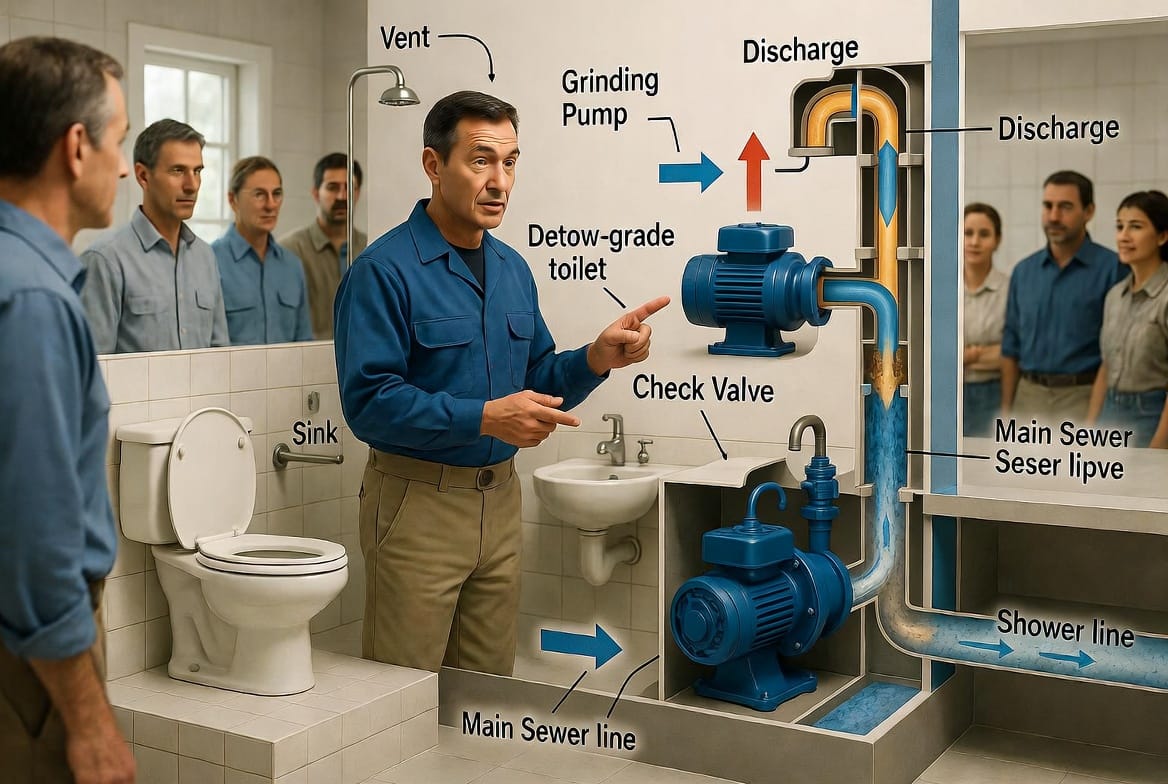
The operation of a sewer ejector pump is straightforward yet impressively engineered. Wastewater from basement fixtures flows by gravity into the sealed sump basin. As the liquid level rises, a reliable float or electronic sensor triggers the pump motor. Heavy-duty cutting blades or impellers then macerate solid materials into a pumpable slurry. The motor drives the waste upward through a discharge pipe—typically 2 to 4 inches in diameter—equipped with a check valve that prevents backflow.
The entire cycle takes only seconds, and the system returns to standby once the pit is emptied. Most units include an alarm float that activates if the water level becomes dangerously high, giving you advance notice before any overflow occurs. Advanced models even feature dual pumps for redundancy in high-usage homes.
This reliable lifting mechanism is the only practical solution for below-grade plumbing. It keeps your basement bathroom hygienic and odor-free, allowing you to enjoy the extra space without constant concern about drainage issues.
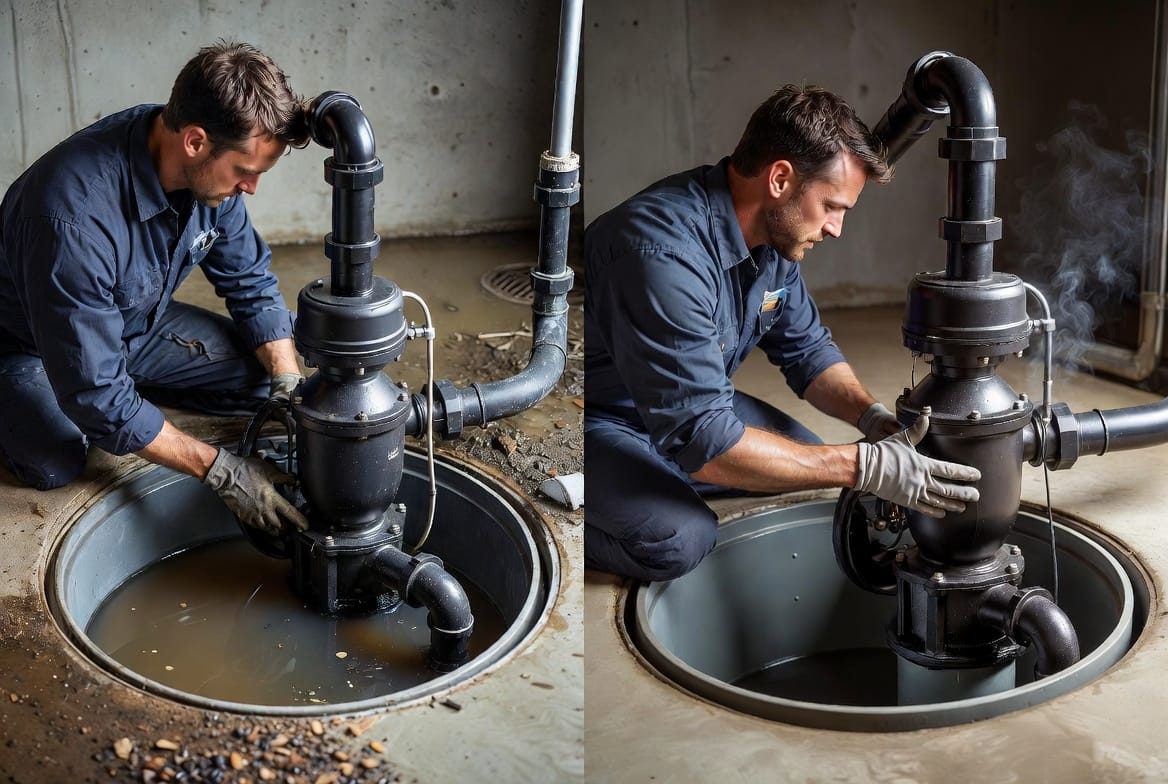
Common Signs Your Sewer Ejector Pump Is Experiencing Failure
Early detection of problems can save you from major headaches. Listen and watch for these key indicators:
- Alarm sounds – The high-level alarm activates, signaling the pit is filling faster than the pump can empty it.
- Gurgling or bubbling noises from basement drains or toilets.
- Slow draining or complete backups in basement fixtures while upper-floor plumbing works normally.
- Unusual odors seeping from drains or the pump basin.
- Frequent cycling – the pump runs almost constantly or turns on and off repeatedly.
- Visible water or sewage around the sump pit cover.
If you notice any of these signs, do not ignore them. A failing sewer ejector pump can quickly escalate into a messy and expensive cleanup. Prompt attention keeps small issues from becoming major plumbing disasters.
The Risks of Ignoring Ejector Pump Problems
Neglecting a malfunctioning sewer ejector pump carries real consequences. Sewage backups can damage flooring, drywall, and personal belongings. Health risks from exposure to raw waste are significant, especially in homes with children or elderly residents. Structural moisture issues may develop, leading to mold growth and costly remediation.
In extreme cases, untreated backups can affect the entire home’s plumbing system or even create neighborhood sewer complications. The financial impact of emergency repairs, water damage restoration, and lost use of basement space far exceeds the cost of routine professional service. By addressing concerns early, you protect both your property value and your family’s well-being.
Essential Maintenance Tips for Long-Term Reliability
Consistent maintenance is the secret to trouble-free sewer ejector pump performance. Follow these proven practices:
- Test the system annually by pouring water into the basin and verifying that the pump activates, grinds, and discharges properly.
- Never flush non-biodegradable items such as wipes, feminine products, paper towels, or grease.
- Listen for unusual noises during operation and investigate immediately if grinding, humming, or rattling occurs.
- Inspect the pit and lid for cracks or odors at least twice a year.
- Have the entire unit professionally serviced every 1–2 years, including cleaning the impeller, checking the check valve, and testing the alarm float.
- Keep the area around the pit clear of stored items to allow easy access for technicians.
These simple steps dramatically extend the life of your equipment and minimize the chance of unexpected failure.
When to Call a Professional for Ejector Pump Service
While basic visual checks are helpful, most maintenance and repairs require specialized knowledge and equipment. Call a licensed plumber when:
- The alarm triggers repeatedly
- You suspect a clog in the discharge line
- The pump fails to activate despite power
- You notice sewage odors or water around the basin
Professional service ensures the job is done correctly the first time, restoring your below-grade plumbing to peak performance quickly and safely.
Keep Your Basement Bathrooms Working Reliably
Your sewer ejector pump is the unsung hero of a functional basement bathroom. With regular attention and professional support when needed, it will continue to move waste upward efficiently, protecting your home and your peace of mind.
Don’t wait for an emergency. Keep basement bathrooms working reliably by scheduling expert ejector pump service today.
Expert Sewer Ejector Pump Service You Can Trust – Call Now