The Washing Machine Drain Pan: Preventing Floods from Appliance Leaks
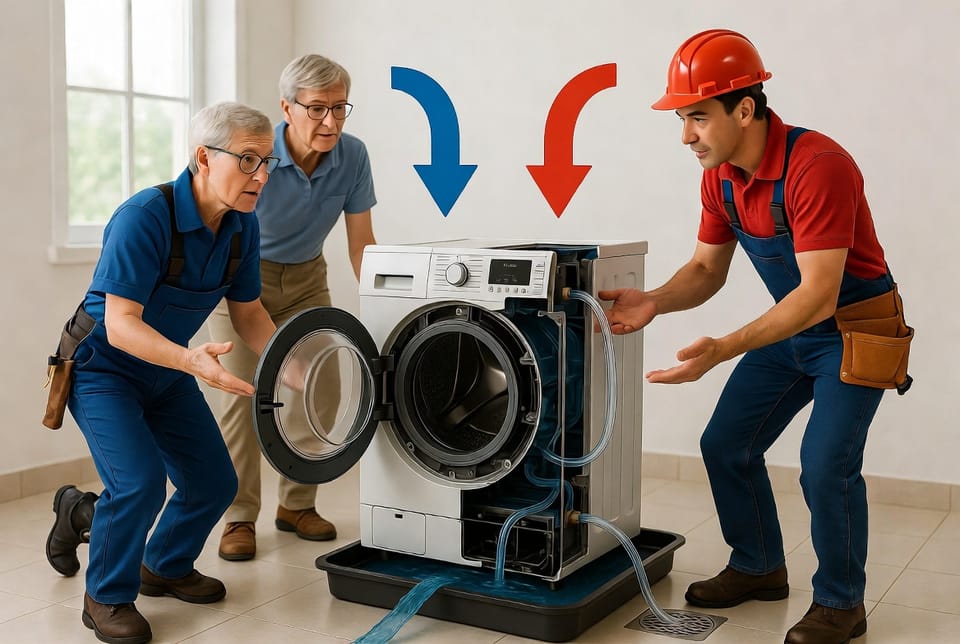
In every home, the washing machine delivers convenience day after day. Yet behind that steady performance hides a silent risk many homeowners underestimate: appliance leaks. A loose hose, worn seal, or sudden overflow can release gallons of water in minutes, leading to ruined floors, damaged walls, and expensive repairs. The good news is that a straightforward preventive device—the washing machine drain pan—offers reliable protection with minimal effort.
Get Professional Drain Pan Installation – Call Today!
This simple tray sits beneath your washer and catches leaks before they spread. Whether your laundry room sits on a finished basement, second-floor level, or any water-sensitive area, a properly installed drain pan delivers peace of mind. In this authoritative guide, we explain exactly what a washing machine drain pan is, how it works, why it matters, and how to make it part of your home’s defense system.
What Is a Washing Machine Drain Pan?
A washing machine drain pan is a shallow, durable tray—typically crafted from high-grade plastic or corrosion-resistant metal—designed to fit directly under your washer. Measuring roughly the same width and depth as the appliance, the pan acts as a safety net. It collects water from minor drips, hose failures, or full overflows and channels it safely away through a dedicated drain line.
Unlike a simple drip tray, a quality drain pan features a built-in outlet that connects to your home’s plumbing. This connection prevents standing water and eliminates the need for manual cleanup. Homeowners often choose plastic models for their lightweight design and rust-free performance, while metal versions provide extra rigidity in high-traffic installations. Both types deliver the same core benefit: early leak containment.
Why Every Homeowner Needs This Simple Protection
Washer leaks rank among the top causes of household water damage. Without protection, even a small failure can flood an entire room within hours. On upper floors the risk multiplies—water seeps through ceilings and into living spaces below, creating structural headaches and mold concerns. Finished laundry rooms face the same threat: beautiful tile or hardwood floors become costly casualties.
Installing a washing machine drain pan changes the equation completely. It contains leaks at the source, protects your investment, and gives you time to address the problem. Flood prevention becomes automatic rather than reactive.
Key risks a drain pan eliminates include:
- Hidden hose failures that release water unnoticed during spin cycles
- Overflow from clogged drains that back up into the laundry area
- Seal deterioration causing steady drips that accumulate over time
- Vibration-induced cracks in supply lines from unbalanced loads
With a drain pan in place, these issues remain contained, sparing you from insurance claims and lengthy restoration work.
How a Drain Pan Works and Connects to Your Drain
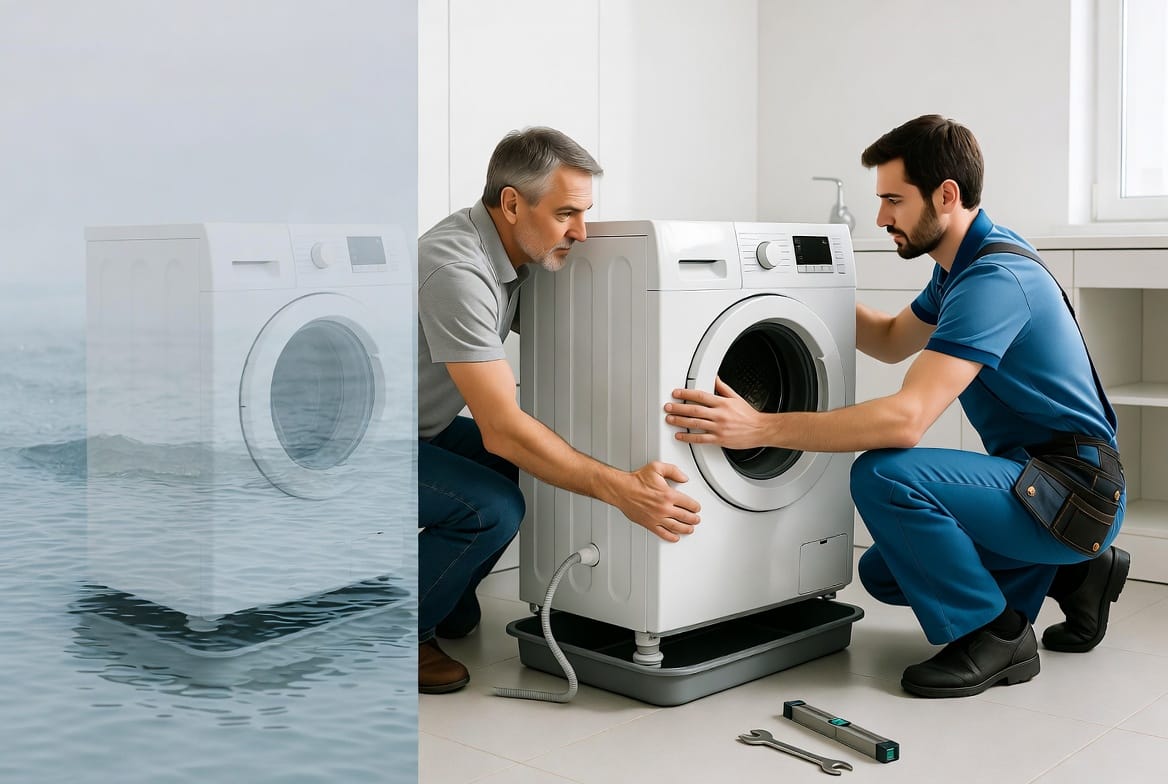
The operation is elegantly simple yet highly effective. The drain pan sits level beneath the washer. Any escaping water collects in the tray and flows toward the lowest point where the outlet connects to a drain line. From there, water travels safely to a floor drain, laundry sink, or exterior discharge point.
Proper connection is essential. A flexible hose or rigid pipe links the pan’s outlet to your existing plumbing. Many modern pans include a ¾-inch or 1-inch fitting that matches standard household drains. Professional plumbers ensure the line slopes correctly for gravity flow, eliminating any chance of backup.
In second-floor installations, the drain pan becomes even more critical. Water that would otherwise cascade through subfloors is redirected immediately. Finished basement rooms gain the same safeguard, keeping carpet, drywall, and stored belongings dry.
Materials Matter: Plastic Versus Metal Options
Plastic drain pans dominate the market for good reason. They resist rust, weigh less, and install easily in tight spaces. High-density polyethylene construction withstands years of moisture without cracking. Metal pans, often stainless steel or galvanized, offer superior strength for heavy commercial-style washers. Both materials perform reliably when paired with correct drainage.
Step-by-Step Installation for Lasting Results
Professional installation guarantees optimal performance. Here’s how experts approach the job:
- Measure and select the correct pan size to match your washer dimensions with extra margin for vibration.
- Level the surface beneath the appliance to ensure complete water capture.
- Position the pan and connect the outlet hose securely with clamps or threaded fittings.
- Test the drain line for proper slope and flow before placing the washer inside.
- Secure the washer on the pan’s raised edges or vibration pads to prevent shifting.
Once complete, the system operates silently in the background, ready to handle any leak.
Additional Features That Enhance Protection
Many drain pans now include optional leak alarms. A small sensor placed in the tray triggers an audible alert or smart-home notification the moment water appears. This early warning allows fast response even when you’re away from home.
Benefits of adding an alarm include:
- Immediate notification of even the smallest leaks
- Reduced risk of undetected flooding during vacations or overnight
- Integration with home security systems for total peace of mind
These upgrades transform a basic safety tray into a smart preventive solution.

Maintenance Tips to Keep Your System Effective
Routine care ensures decades of reliable service. Inspect the pan every six months for debris or sediment buildup. Clear the drain line annually to maintain smooth flow. Check hose connections for tightness and replace any worn parts promptly.
A quick visual check during filter cleaning keeps everything functioning perfectly. These simple habits reinforce the drain pan’s role as your first line of defense.
Real-World Scenarios Where Drain Pans Make All the Difference
Consider a typical second-floor laundry room. A supply hose cracks during a late-night cycle. Without protection, water pours across the floor and through the ceiling into the living room below. With a washing machine drain pan, every drop is captured and routed safely away. The homeowner receives an alert, calls for service, and avoids thousands in repairs.
In finished basements, the same scenario protects luxury vinyl plank flooring and stored belongings. Families report sleeping easier knowing their investment stays dry.
Choosing the Right Professional for Installation
Selecting an experienced plumber ensures correct sizing, secure connections, and code compliance. Look for technicians who specialize in preventive plumbing solutions and carry the latest drain pan models. They evaluate your specific layout—second-floor challenges, basement constraints, or standard setups—and recommend the ideal configuration.
Protect Your Home from Washer Leaks Today
The washing machine drain pan stands as one of the simplest yet most effective upgrades any homeowner can make. It contains leaks, prevents floor damage, protects finished spaces, and delivers early warnings when paired with alarms.
Don’t wait for the next unexpected flood to remind you of its importance. Take action now and safeguard your home, your belongings, and your peace of mind.
Prevent Costly Water Damage – Schedule Your Drain Pan Now