The Water Heater Anode Rod Inspection: How to Check for Corrosion
Regular water heater anode rod inspection is one of the smartest, most cost-effective steps homeowners can take to extend water heater life and avoid sudden failures. By understanding how this simple sacrificial component works and learning to check it periodically, you protect your investment and enjoy reliable hot water for years longer.
Protect Your Water Heater from Corrosion – Call Now!
In this comprehensive guide, we’ll walk through everything you need to know—from the science behind the anode rod to practical inspection steps, warning signs, and professional best practices. Whether you’re a DIY enthusiast or prefer calling experts, proper anode rod maintenance delivers peace of mind and significant savings.
Understanding the Role of the Anode Rod in Your Water Heater
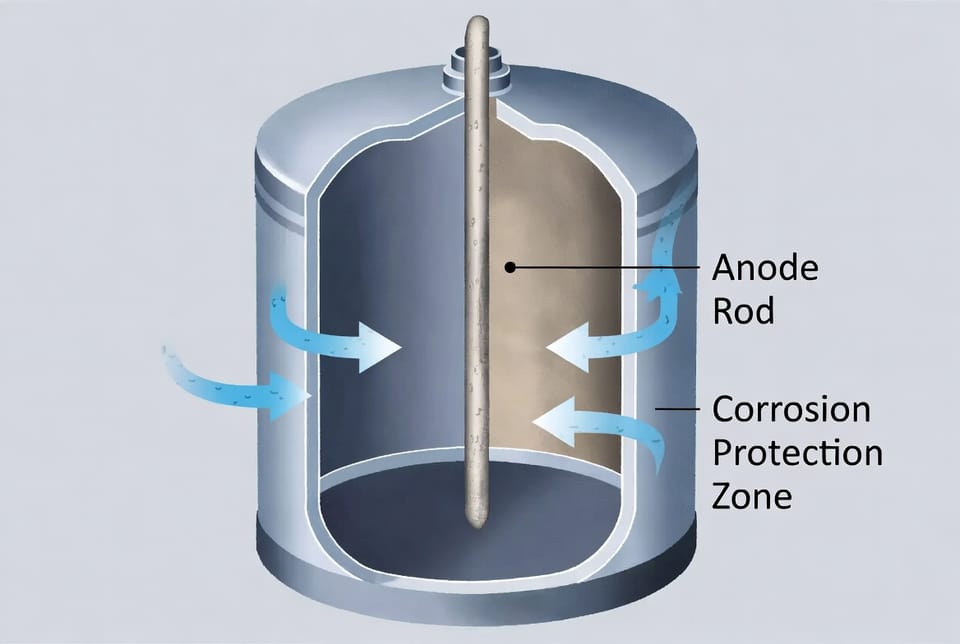
Every modern water heater contains a critical but often overlooked part: the anode rod, sometimes called a sacrificial anode. This long metal rod, typically made of magnesium, aluminum, or zinc, serves as the tank’s first line of defense against corrosion.
Water naturally contains minerals and oxygen that can slowly eat away at the steel tank. The anode rod attracts corrosion to itself through a process called cathodic protection. It essentially “sacrifices” its metal so the tank remains intact. Without a functioning anode rod, your water heater tank would corrode from the inside out, leading to leaks, reduced efficiency, and eventual replacement.
Key benefit: A well-maintained anode rod can add 5–10 years or more to your water heater’s lifespan, saving you thousands in premature replacement costs.
Why Regular Anode Rod Inspection Matters
Most homeowners only think about their water heater when something goes wrong. However, proactive anode rod inspection prevents emergencies. Over time, the rod depletes as it absorbs corrosive elements. Once it’s worn down, it stops protecting the tank.
Recommended inspection interval: Every 3–5 years, or sooner if you have hard water or notice performance issues. This simple check can dramatically extend water heater life and maintain energy efficiency.
Factors that accelerate anode rod depletion include:
- Hard water with high mineral content
- High water temperature settings
- Frequent hot water usage
- Older water heater models
By staying ahead of these risks, you avoid the stress and expense of water damage from tank failure.
Signs Your Anode Rod Needs Immediate Attention
Recognizing early warning signs empowers you to act before major problems develop. Look for these common indicators that your anode rod is depleted:
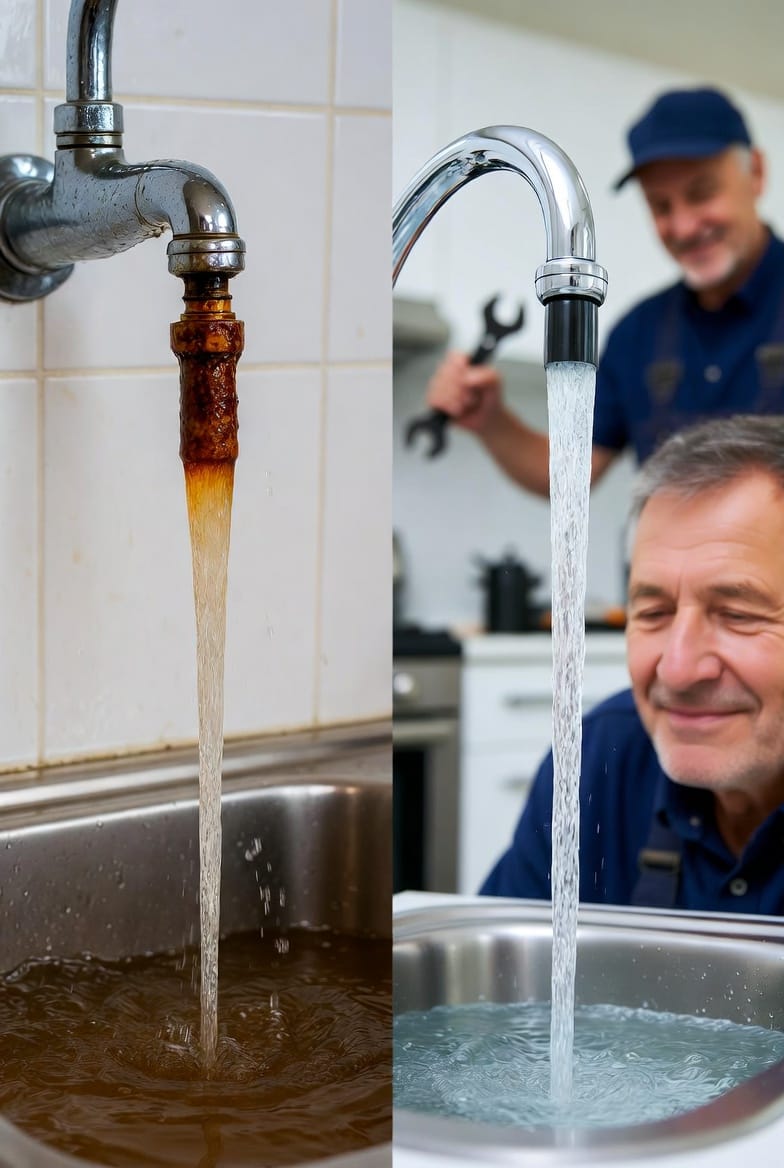
- Rusty or discolored hot water – Especially noticeable in the morning or after periods of non-use
- Rumbling or popping noises from the tank (sediment buildup often accompanies rod failure)
- Reduced hot water supply or slower recovery times
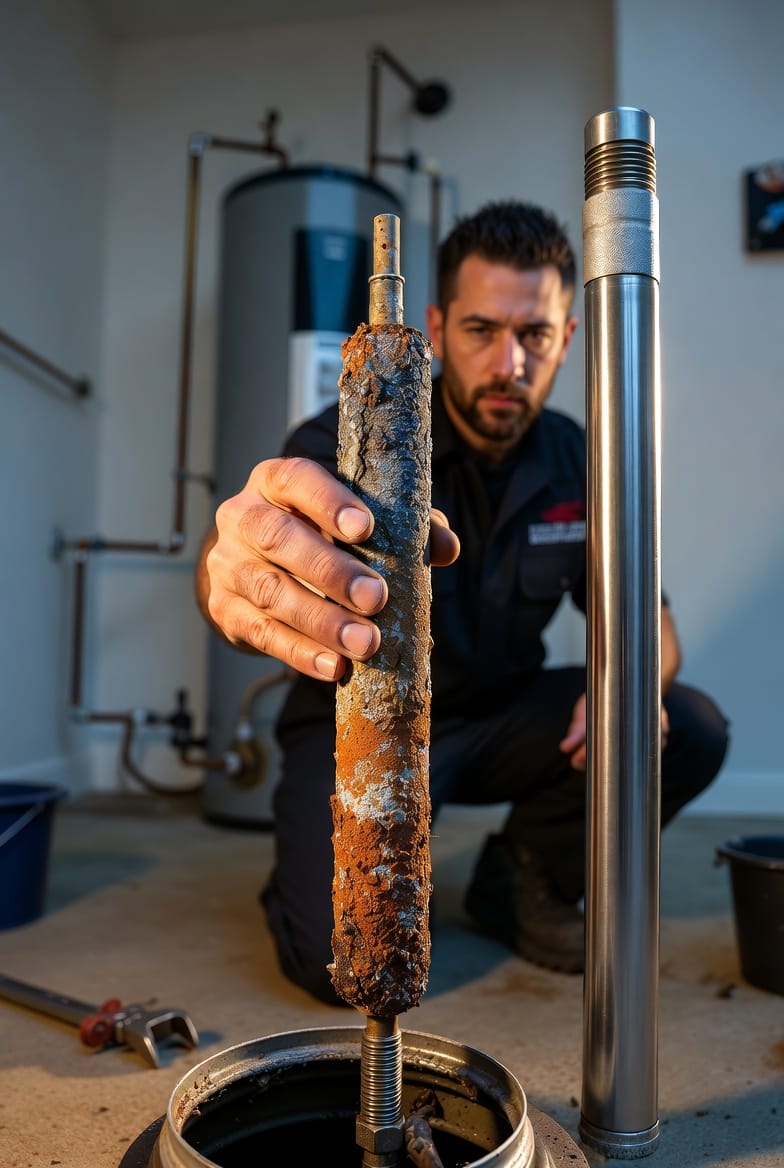
- Visible corrosion or pitting when inspecting the rod
- Metallic taste or odor in hot water
If the rod has worn to less than 1/2 inch thick or shows heavy pitting and flaking, it’s time for replacement. Continuing to use a depleted rod puts your entire water heater at serious risk.
Step-by-Step Guide: How to Inspect Your Water Heater Anode Rod
Safety first: Turn off the power or gas supply and allow the tank to cool before beginning any inspection.
- Locate the anode rod – Usually found on top of the tank under a removable cap or bolt.
- Remove the rod using a socket wrench and extension (professional plumbers use specialized tools for tight spaces).
- Examine the rod carefully – Measure remaining thickness and check for heavy corrosion.
- Compare to new rod standards – Healthy rods maintain most of their original diameter.
- Reinstall or replace as needed, using thread tape for a proper seal.
While DIY inspection is possible, professional water heater anode rod inspection ensures correct tools, safety compliance, and proper reinstallation without damaging fittings.
Pro Tip: Take clear photos during inspection for future reference and to show technicians if needed.
The Replacement Process and Best Practices
When inspection reveals significant wear, timely anode rod replacement restores full protection. Professionals recommend matching the new rod material to your water chemistry—magnesium for most standard installations, aluminum for areas with hard or high-sulfate water.
During replacement service, skilled technicians often:
- Flush the tank to remove sediment
- Inspect heating elements and other components
- Test for leaks and proper operation
- Provide maintenance recommendations tailored to your home
This comprehensive approach maximizes the return on your maintenance investment.
Benefits of Professional Plumbing Service for Anode Rod Care
While basic visual checks can be done at home, certified plumbers bring expertise that homeowners simply can’t match. They use specialized extraction tools, understand local water conditions, and ensure code compliance.
Advantages of professional service include:
- Faster, safer inspections with minimal water spillage
- Expert diagnosis of related issues (sediment, element failure, etc.)
- Access to high-quality OEM replacement rods
- Warranty-backed workmanship
- Comprehensive system evaluation
Regular professional maintenance not only extends water heater life but also improves energy efficiency, potentially lowering monthly utility bills.
Common Myths About Water Heater Maintenance
Many homeowners believe their water heater is “set it and forget it.” In reality, annual or biennial checks prevent 80% of common failures. Another myth is that all anode rods last the same amount of time—water quality varies dramatically by region, making personalized inspection schedules essential.
Long-Term Strategies to Maximize Water Heater Longevity
Beyond anode rod inspection, consider these complementary practices:
- Maintain temperature at 120°F for optimal balance of safety and efficiency
- Install a water softener if you have very hard water
- Drain a few gallons annually to reduce sediment
- Schedule full system tune-ups every 3 years
Combining these habits with diligent anode rod checks creates a robust protection plan for your home’s hot water system.
When to Schedule Professional Help
Don’t wait for leaks or complete failure. If your water heater is more than three years old or you’ve never had the anode rod inspected, now is the ideal time. Early intervention is always more affordable and less disruptive than emergency repairs.
Our experienced plumbing team specializes in water heater anode rod inspection and replacement, delivering thorough service with transparent recommendations.
Protect Your Investment Today
Extending water heater life through regular anode rod checks is one of the wisest maintenance decisions any homeowner can make. By understanding what an anode rod does, recognizing depletion signs, and performing timely inspections, you safeguard your family’s comfort and avoid expensive surprises.
Ready for professional peace of mind? We’re here to help you maintain reliable hot water and maximize every dollar invested in your home systems.
Don’t let hidden corrosion shorten your water heater’s life. Schedule your inspection now and enjoy years of dependable performance.
Extend Your Water Heater Life – Schedule Anode Rod Inspection