The Topdressing Practice: Applying Compost or Sand to Improve Lawn Health
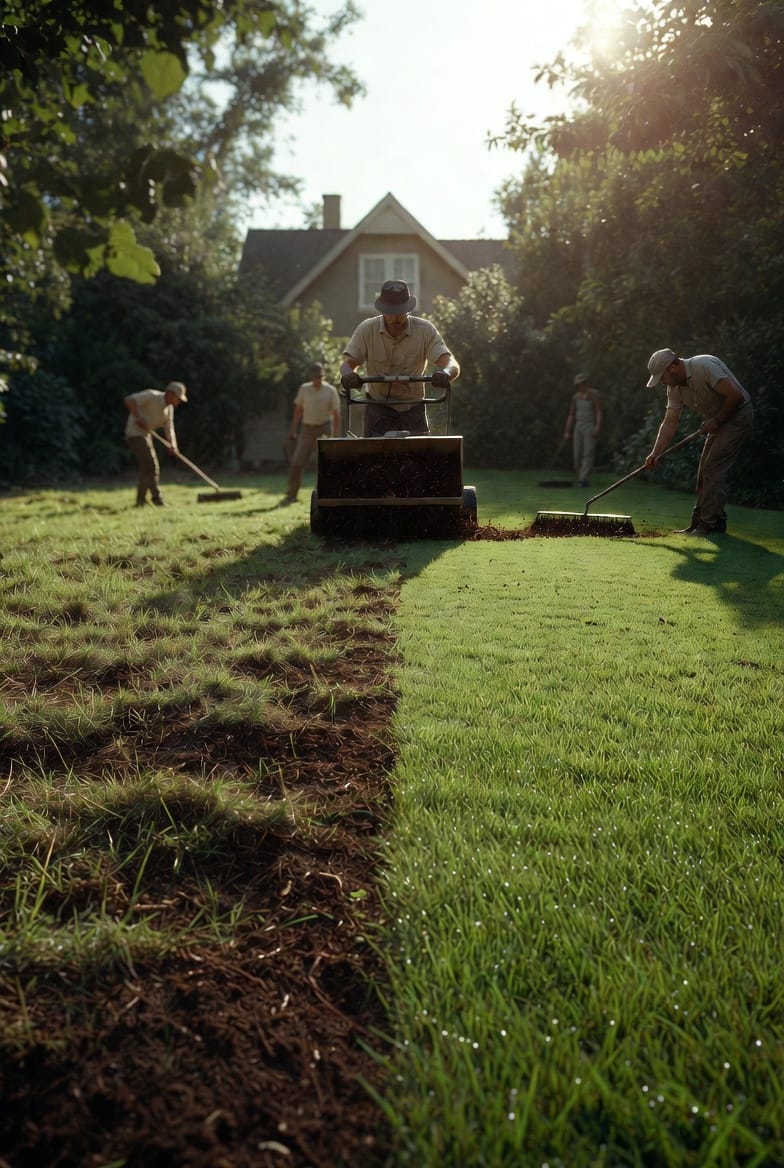
Topdressing is one of the most effective, non-invasive soil amendment techniques available to homeowners and property managers who want a thicker, greener, more resilient lawn without tearing up the turf. By gently applying a thin layer of compost, sand, or a custom blend directly onto the existing grass surface, you introduce vital organic matter and minerals that filter down into the root zone over time. This practice has been refined by professional lawn care services for decades because it delivers measurable improvements in soil structure, drainage, nutrient availability, and overall turf density.
Improve Your Lawn from Above – Call Now!
Whether your lawn suffers from compaction, poor drainage, uneven surfaces, or thatch buildup, topdressing offers a proven solution that works with your existing grass rather than against it. The process is straightforward, results-oriented, and remarkably forgiving when performed correctly. In this comprehensive guide, we explore exactly how topdressing works, the science-backed benefits, the best materials to choose, and the professional techniques that ensure outstanding outcomes every time.
What Is Topdressing and How Does It Serve as Soil Amendment?
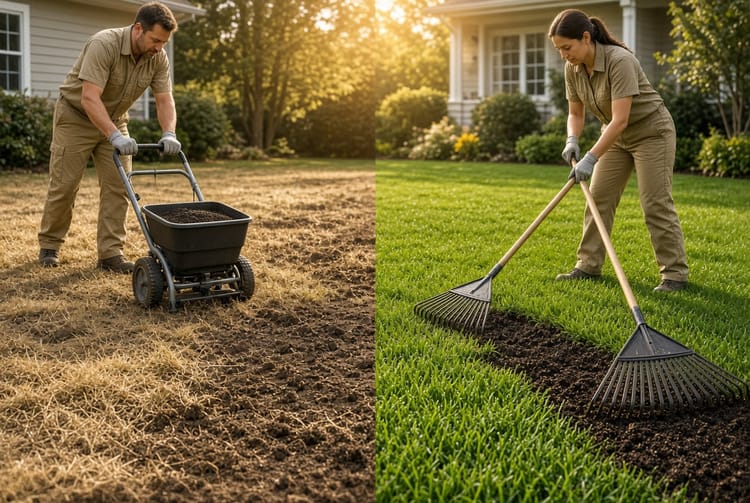
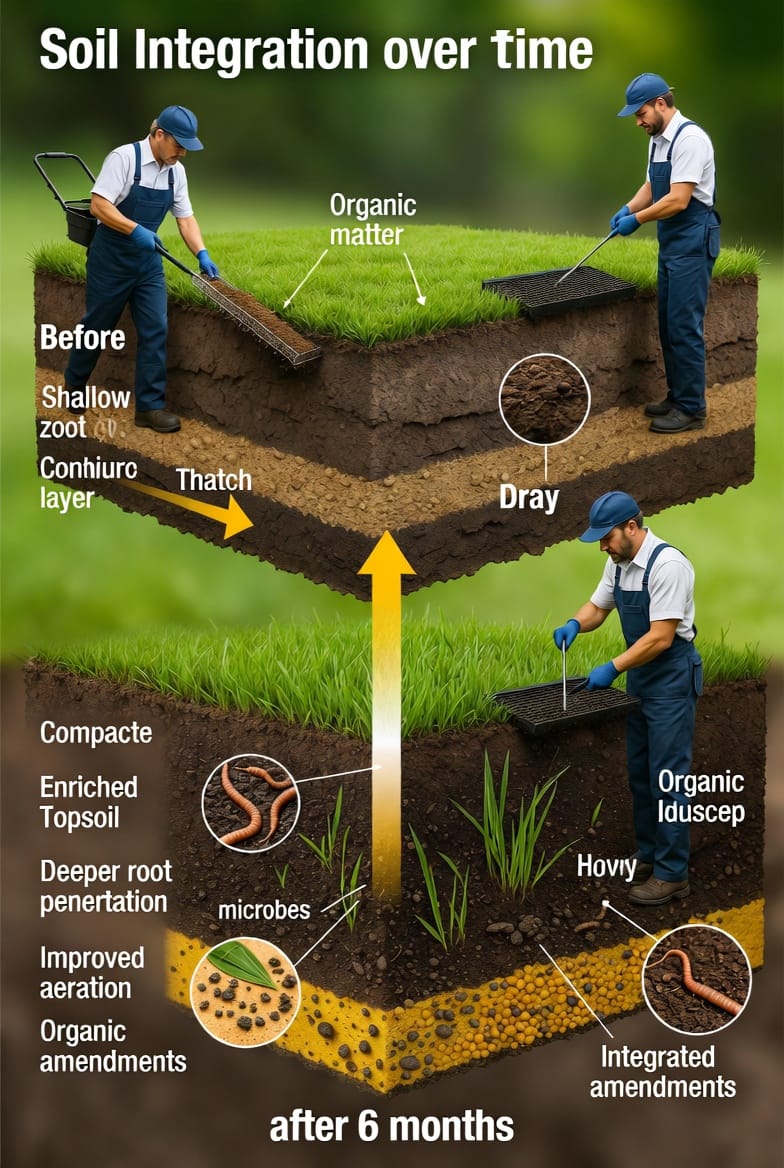
Topdressing is the controlled application of a thin layer (typically ¼ to ½ inch) of organic or inorganic material across an established lawn. Unlike tilling or complete soil replacement, this method amends the soil gradually from the top down. As rain, irrigation, and earthworm activity incorporate the material, it mixes naturally with the native soil, improving its physical and biological properties without disrupting the grass roots.
This gentle soil amendment approach is especially valuable in established lawns where heavy machinery would cause more harm than good. Over a single season, repeated or well-timed topdressing applications can increase organic matter content by 1–3 %, enhance microbial activity, and create a healthier growing environment for your turf. The result is a lawn that is better equipped to withstand drought, heavy foot traffic, and temperature extremes.
The Proven Benefits of Topdressing
Professional lawn care teams rely on topdressing because the advantages are both immediate and long-lasting. Here are the primary benefits you can expect:
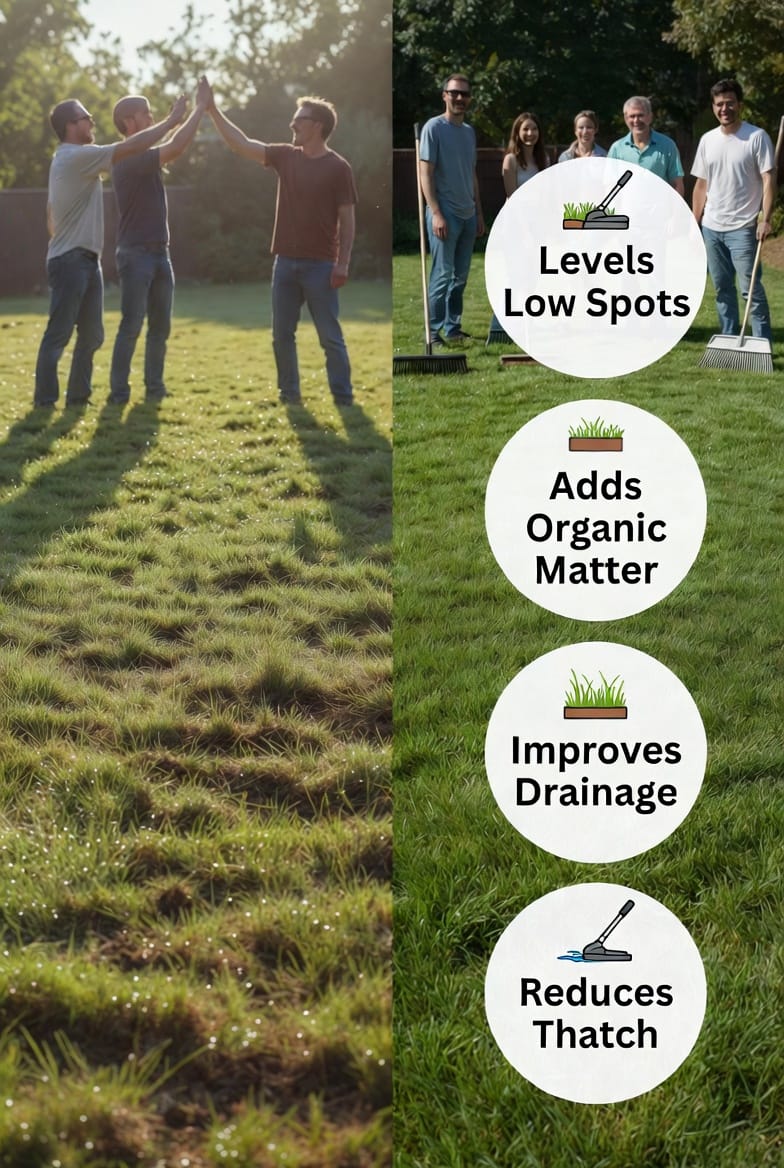
- Levels low spots and uneven surfaces – Minor depressions and bumps disappear as the material fills voids, creating a smoother, safer playing or walking surface.
- Adds organic matter – Compost-rich topdressing feeds beneficial soil microbes and slowly releases nutrients directly to the root zone.
- Improves soil structure and drainage – Sand-based mixtures open up heavy clay soils, while compost improves water retention in sandy soils.
- Reduces thatch buildup – The abrasive action of the particles and increased microbial activity help break down excess organic debris.
- Enhances root development – Healthier soil encourages deeper, denser roots, leading to greater drought tolerance and overall vigor.
- Boosts nutrient uptake – Micronutrients and slow-release nitrogen become more available, reducing the need for synthetic fertilizers.
These benefits compound with each application, delivering a lawn that looks professionally maintained year after year.
Choosing the Right Topdressing Materials
Selecting the correct material is critical to success. Two primary options dominate professional practice:
Compost-based topdressing delivers nutrients and organic matter. High-quality, mature compost increases humus content, improves water-holding capacity, and supports a thriving soil food web. It is the preferred choice for lawns showing signs of nutrient deficiency or low biological activity.
Sand topdressing excels at improving drainage and aeration. Coarse, angular sand particles create pore space in heavy soils, reducing compaction and preventing waterlogging. Many services use a 70/30 or 50/50 sand-to-compost blend to combine the best properties of both materials.
Always source materials from reputable suppliers to avoid weed seeds or contaminants. Professional teams test soil first and customize the blend to match your lawn’s specific needs.
When Is the Best Time to Topdress?
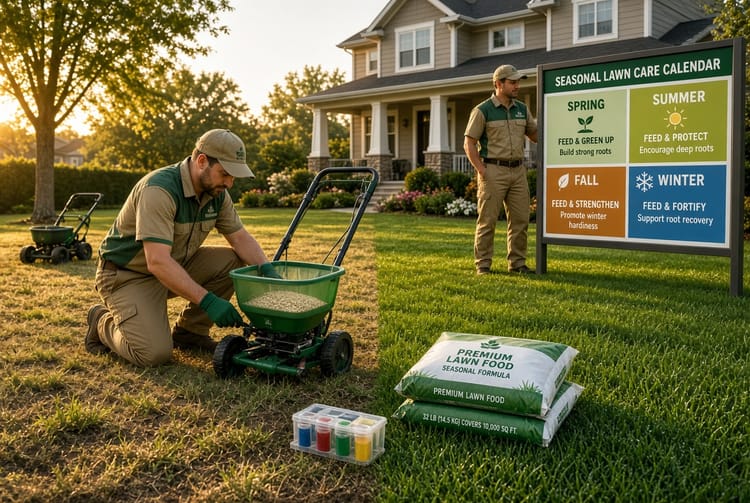
Timing matters. The ideal windows are early spring (after the final frost but before peak growth) and early fall (when cool-season grasses are actively growing). These periods allow the grass to recover quickly while soil microbes remain active. Avoid midsummer heat stress or dormant winter periods when the lawn cannot incorporate the material effectively.
Professional Step-by-Step Application Techniques
Achieving professional results requires careful preparation and execution. Follow these proven steps:
- Mow and dethatch – Cut the lawn short and remove excess thatch so the topdressing contacts the soil surface directly.
- Aerate if needed – Core aeration creates channels that help the material penetrate faster.
- Calibrate the spreader – Use a drop or rotary spreader adjusted for even distribution at the recommended rate.
- Apply in multiple light passes – Divide the total amount into two or three passes in different directions for uniform coverage.
- Drag and incorporate – Use a lawn drag mat, bamboo rake, or back of a leaf rake to work the material down into the canopy and thatch layer.
- Water lightly – A gentle irrigation settles the particles and initiates the integration process.
- Monitor and repeat – Light applications every 4–6 weeks during the active growing season yield the best cumulative results.
When performed by experienced technicians, these steps ensure maximum contact and minimum disruption.
Common Challenges and How Professionals Overcome Them
Even with careful planning, a few issues can arise. Uneven application leads to patchy growth; too thick a layer can smother grass; poor material quality introduces weeds. Trusted lawn care providers mitigate these risks through soil testing, calibrated equipment, and split applications. They also advise on post-application care, such as avoiding heavy traffic for 7–10 days and maintaining consistent irrigation until the material integrates.
Long-Term Lawn Transformation You Can Trust
When topdressing becomes part of your annual lawn care routine, the improvements are dramatic and sustainable. Lawns become noticeably smoother, greener, and more resilient. Homeowners report fewer bare spots, reduced watering needs, and greater pride in their outdoor spaces.
Improve your soil from above.
Our experienced team will assess your lawn, recommend the perfect compost or sand blend, and deliver results you can see and enjoy for seasons to come.
Transform Your Lawn with Expert Topdressing – Call Now