The Toilet Fill Valve Hissing: Causes and Quick Fixes
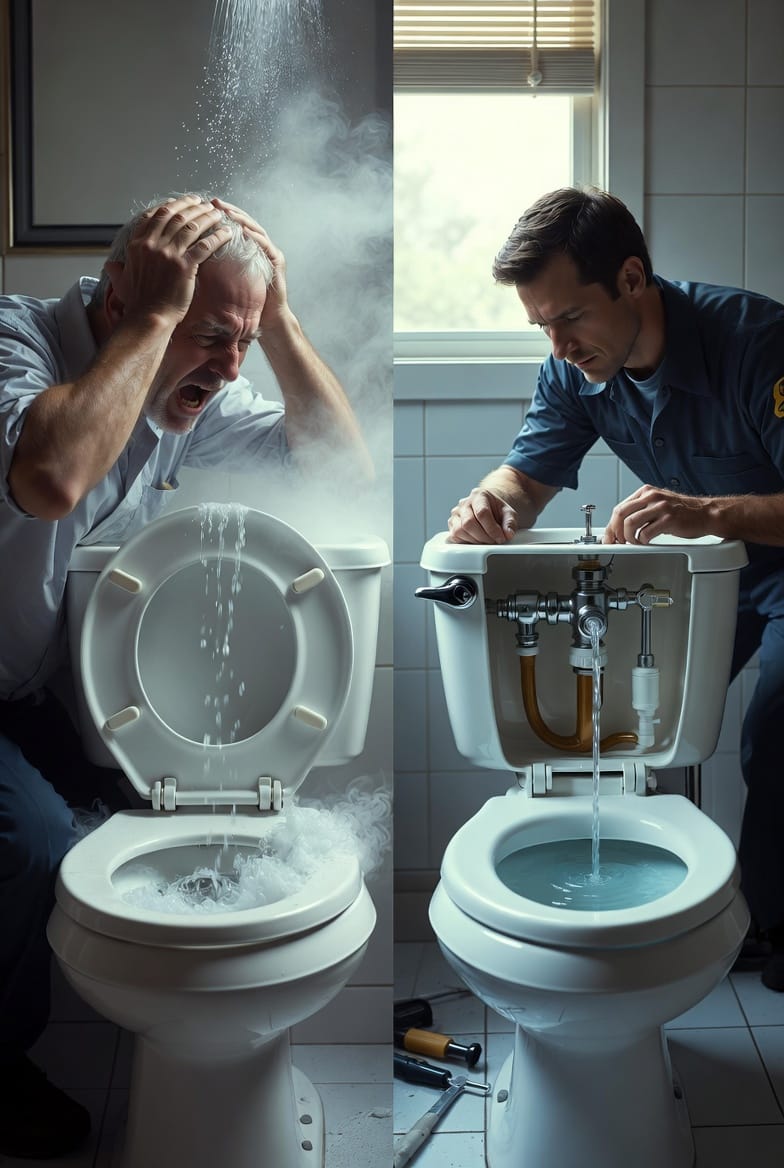
Is that constant hissing sound from your toilet driving you crazy? Many homeowners in Dallas and across Texas notice this irritating noise coming from the toilet tank, often wondering if it signals a bigger problem. The good news is that a hissing toilet fill valve is usually a straightforward issue with effective, quick fixes.
Silence the Hissing Toilet Today – Call Now!
At our professional plumbing services, we’ve helped countless property owners silence these noisy toilets and prevent potential water waste or damage. Understanding the toilet fill valve hissing causes empowers you to diagnose and resolve it confidently — or know exactly when to call in the experts.
Why Your Toilet Fill Valve Makes That Hissing Noise
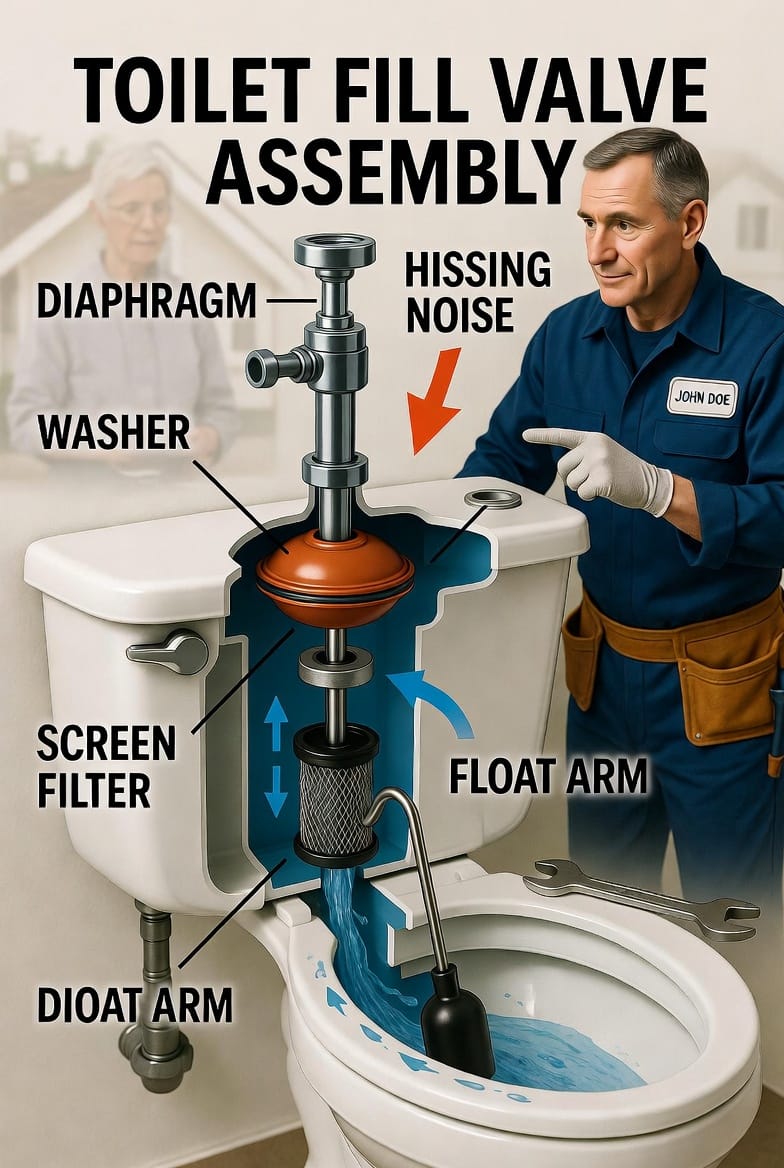
The fill valve is the unsung hero inside your toilet tank. It regulates water inflow after each flush, shutting off once the tank reaches the proper level. When it starts hissing, something disrupts this smooth operation.
Common causes include:
- Worn-out rubber washer or diaphragm: Over time, these components degrade, allowing water to leak through and create vibration that produces the hissing.
- Debris and mineral buildup: Hard water common in many Texas areas leaves sediment that clogs the valve screen or inlet, forcing water through restricted paths noisily.
- High water pressure: Excessive pressure in your home’s plumbing system strains the valve, leading to turbulent flow and audible hissing.
- Improperly adjusted or faulty float mechanism: If the float is misaligned or damaged, the valve stays partially open longer than needed.
Early detection prevents minor annoyances from becoming costly repairs. A hissing fill valve can waste gallons of water daily, inflating your utility bills and potentially contributing to higher insurance risks if leaks develop.
Diagnosing the Hissing Fill Valve
Diagnosing a hissing toilet fill valve is simpler than you might think. Follow these steps for accurate identification:
- Listen carefully right after flushing. The hissing typically continues as the tank refills and persists until it stops abruptly or fades.
- Remove the tank lid (carefully!) and observe the fill valve. Look for visible spraying, bubbling, or continuous water movement even after the tank is full.
- Check for vibrations or unusual sounds when gently pressing on the float arm — this can temporarily quiet the valve and confirm the source.
- Test your home’s water pressure using a simple gauge or by observing strong flow from multiple faucets simultaneously.
If the noise matches these patterns, you’re likely dealing with a fill valve issue rather than a flapper problem or external leak.
Many Dallas homeowners overlook these signs until the hissing becomes unbearable or leads to running water that never fully stops. Addressing it promptly protects your plumbing system and maintains household peace.
Quick and Effective Fixes You Can Try
For handy homeowners, several DIY fixes can resolve toilet fill valve hissing without professional help. Always turn off the water supply first for safety.
1. Cleaning the Fill Valve
Debris is a frequent culprit. Shut off the water, disconnect the supply line, and remove the valve cap. Rinse the screen and internal parts thoroughly under running water. Reassemble and test — this simple cleaning often eliminates the hiss immediately.
2. Replacing the Diaphragm or Washer
Most modern fill valves have replaceable rubber components. Purchase a compatible repair kit from your local hardware store. Carefully swap out the worn diaphragm or washer following the manufacturer’s instructions. This targeted repair restores smooth operation without full replacement.
3. Adjusting Water Levels and Float
Sometimes a simple adjustment solves the issue. Lower the float slightly if the tank overfills, or ensure it moves freely without sticking. Proper water level prevents unnecessary strain on the valve.
4. Installing a New Fill Valve
When cleaning and minor repairs don’t suffice, replacing the entire unit is often the best long-term solution. Modern quiet-fill valves are designed for low noise and efficiency. Installation typically takes 20-30 minutes with basic tools.
These fixes not only stop the annoying hissing but also improve overall toilet performance and conserve water — a win for your wallet and the environment.
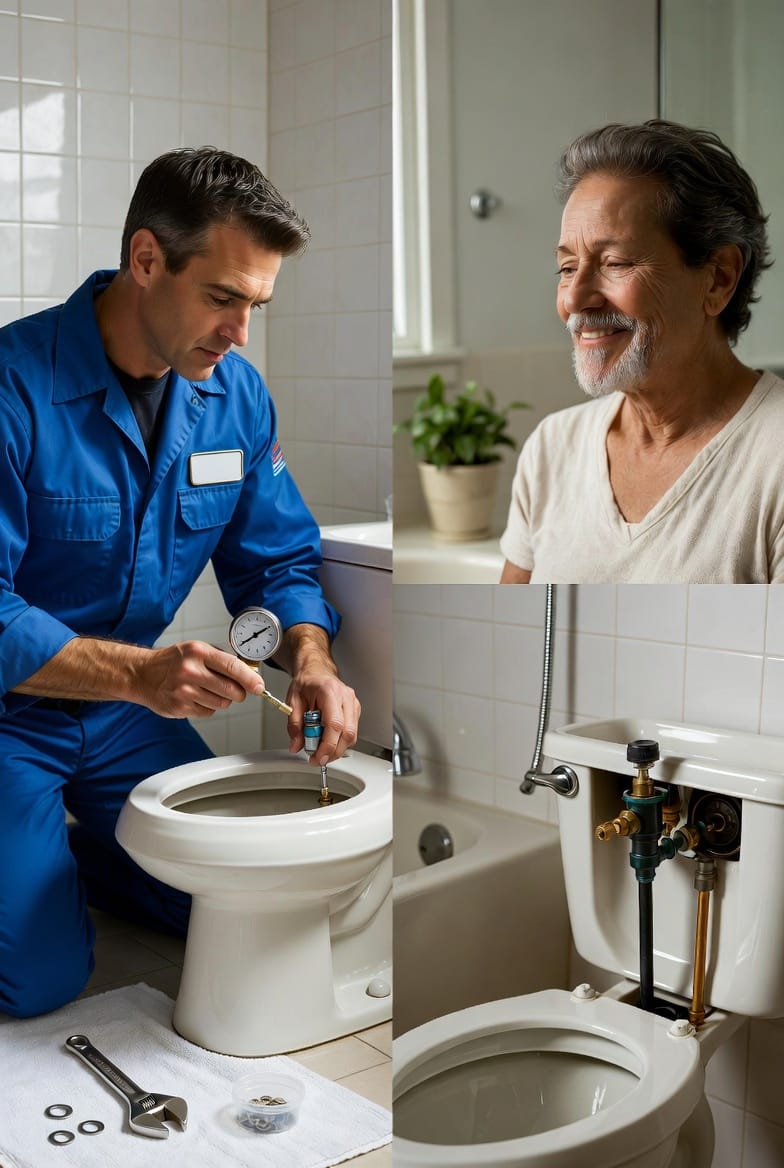
When to Call a Professional Plumber
While many hissing issues are DIY-friendly, certain situations call for expert intervention:
- Persistent hissing after cleaning and part replacement
- Signs of corrosion or extensive mineral damage
- Uncertainty about water pressure problems affecting your entire home
- Older toilets with outdated valve designs that are hard to service
Our experienced team specializes in toilet fill valve repairs and full plumbing diagnostics. We use advanced tools to quickly identify root causes and provide lasting solutions tailored to Texas homes.
Don’t let a small hissing sound escalate into larger plumbing headaches. Professional service ensures the job is done right the first time, often with warranties for added peace of mind.
Preventive Maintenance for Silent Toilets
Prevention is always better than cure. Incorporate these habits to avoid future fill valve hissing:
- Annual inspections: Check toilet tanks for wear during routine home maintenance.
- Water softeners: Consider installing one if you have hard water common in the Dallas area.
- Pressure regulators: Install if your home experiences consistently high water pressure.
- Quality replacement parts: Choose durable valves designed for longevity when repairs are needed.
Regular attention to your plumbing system reduces risks of leaks, water damage, and unexpected repair costs. It also supports smoother insurance claims should any issues arise.
The Impact of Ignoring Hissing Toilets
Many homeowners tolerate the noise, but ignoring a faulty toilet fill valve can lead to:
- Increased water bills from continuous running
- Potential foundation or floor damage from undetected leaks
- Higher stress levels from constant household irritation
- Reduced property value if plumbing problems accumulate
Taking action promptly protects your investment and maintains a comfortable living environment for your family.
Choosing the Right Plumbing Solutions
When selecting repair options or new components, prioritize quality. Modern fill valves feature anti-siphon technology and adjustable heights for universal fit. Professional installation guarantees compatibility with your specific toilet model.
Our plumbing experts stay updated on the latest innovations, ensuring recommendations match your home’s needs perfectly. Whether it’s a quick fix or full system optimization, we deliver reliable results.
Conclusion: Enjoy a Quiet, Efficient Bathroom
A hissing toilet fill valve is more than just an annoyance — it’s a signal worth addressing for better home comfort and efficiency. With the right knowledge and timely action, you can restore peaceful silence to your bathroom.
Silence the hissing toilet today. For expert diagnosis and reliable repairs. We’re here to help Dallas and surrounding area homeowners resolve plumbing issues quickly and affordably.
Don’t wait for the problem to worsen — contact us now for prompt, dependable service that brings lasting quiet to your home.
Silence the Hissing Toilet Today – Call Now!