The Toilet Bowl Ring: Removing Stubborn Mineral Deposits
A toilet bowl ring is one of the most common yet frustrating cleaning challenges homeowners face. That unsightly band of discoloration circling the waterline can turn an otherwise clean bathroom into an eyesore. These rings form gradually and often resist everyday scrubbing, leaving many people wondering how to restore their toilet to a pristine state. Understanding the nature of these deposits, applying the right removal techniques, and adopting simple prevention habits can eliminate the problem for good. This guide provides clear, practical steps to handle stubborn mineral deposits with confidence and keep your toilet looking fresh.
Remove Stubborn Toilet Rings Today – Call Now!
What Exactly Is a Toilet Bowl Ring?
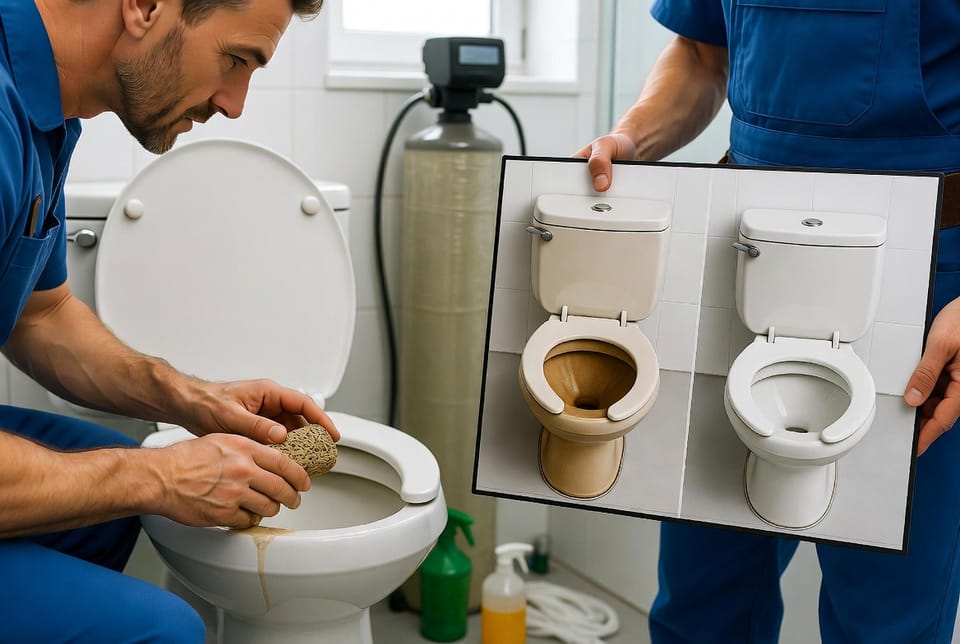
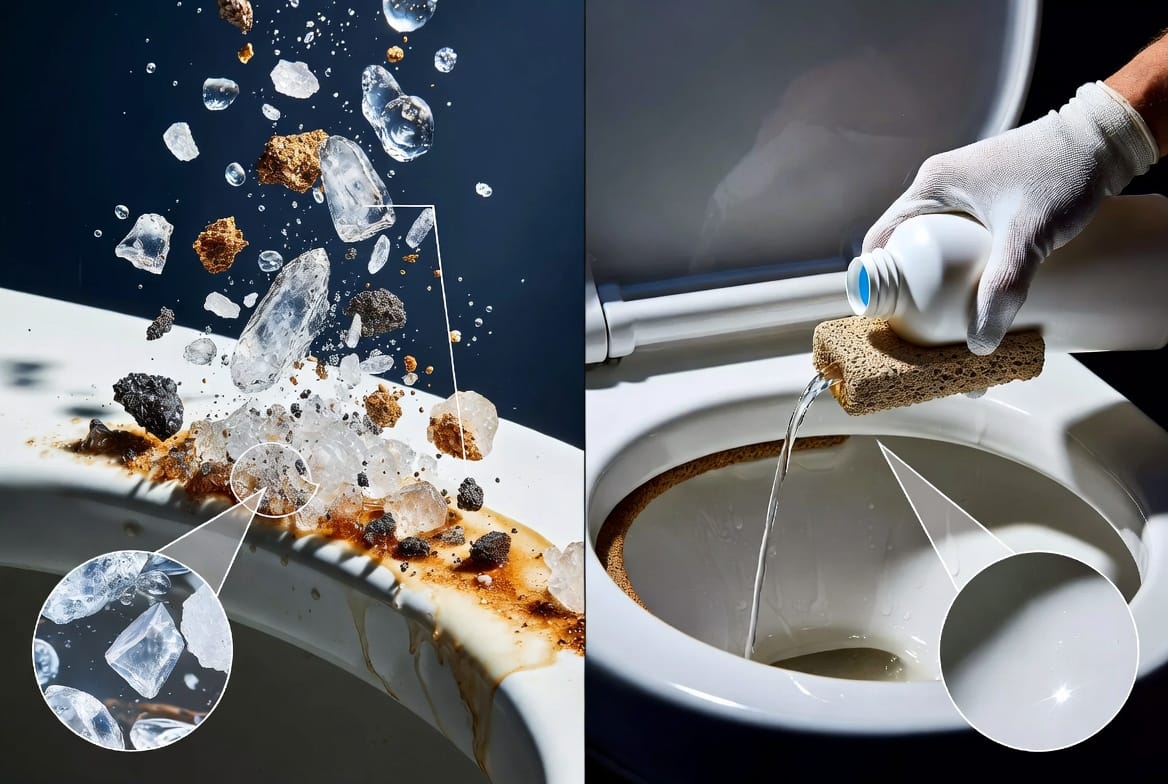
A toilet bowl ring is a buildup of mineral deposits that settles along the waterline inside the bowl. In most cases the ring consists of hard-water minerals such as calcium and magnesium that precipitate out of the water and adhere to the porcelain surface. Over time these minerals create a chalky or crusty layer that appears brown, gray, or yellowish.
Rust is another frequent contributor. When iron is present in the water supply or when metal components in older plumbing systems corrode, reddish-brown stains form and blend with the mineral layer. The combination produces a stubborn ring that ordinary toilet cleaners struggle to dissolve.
The porcelain surface of a toilet is smooth when new, yet microscopic pores and slight irregularities allow minerals to grip firmly. Once the initial layer settles, additional deposits accumulate more easily, making the ring thicker and darker with each passing week. Hard water areas experience this issue more rapidly, but even soft-water homes can develop rings if the toilet is not cleaned regularly.
Recognizing that the ring is primarily mineral rather than organic dirt changes the cleaning approach. Soap scum or bacterial film responds to disinfectant cleaners, whereas mineral deposits require mechanical abrasion or chemical dissolution targeted at calcium, magnesium, and iron compounds.
Why These Rings Become So Stubborn
Several factors turn a light film into a stubborn mineral deposit. Continuous exposure to hard water means minerals keep depositing every time the toilet is flushed. The constant presence of standing water at the same level encourages crystallization right at the waterline. Infrequent cleaning allows the first thin layer to harden, after which subsequent layers bond more tightly.
Temperature fluctuations and evaporation also play a role. Warm bathroom air causes slight evaporation at the water surface, concentrating minerals and accelerating deposit formation. Older toilets with roughened porcelain or residual factory glazing imperfections provide additional anchor points for the buildup.
Ignoring the early stages compounds the difficulty. A faint haze can usually be wiped away with mild acid, but a thick crust often demands more aggressive methods. The good news is that every toilet ring can be removed safely without damaging the porcelain when the correct techniques are used.
Effective Removal Methods for Stubborn Mineral Deposits
Addressing a toilet bowl ring begins with choosing the right approach based on the severity of the buildup. Three reliable methods stand out: the pumice stone, a natural vinegar and baking soda combination, and commercial cleaners formulated for hard-water stains. Each method has strengths, and combining them often yields the fastest results.
Using a Pumice Stone
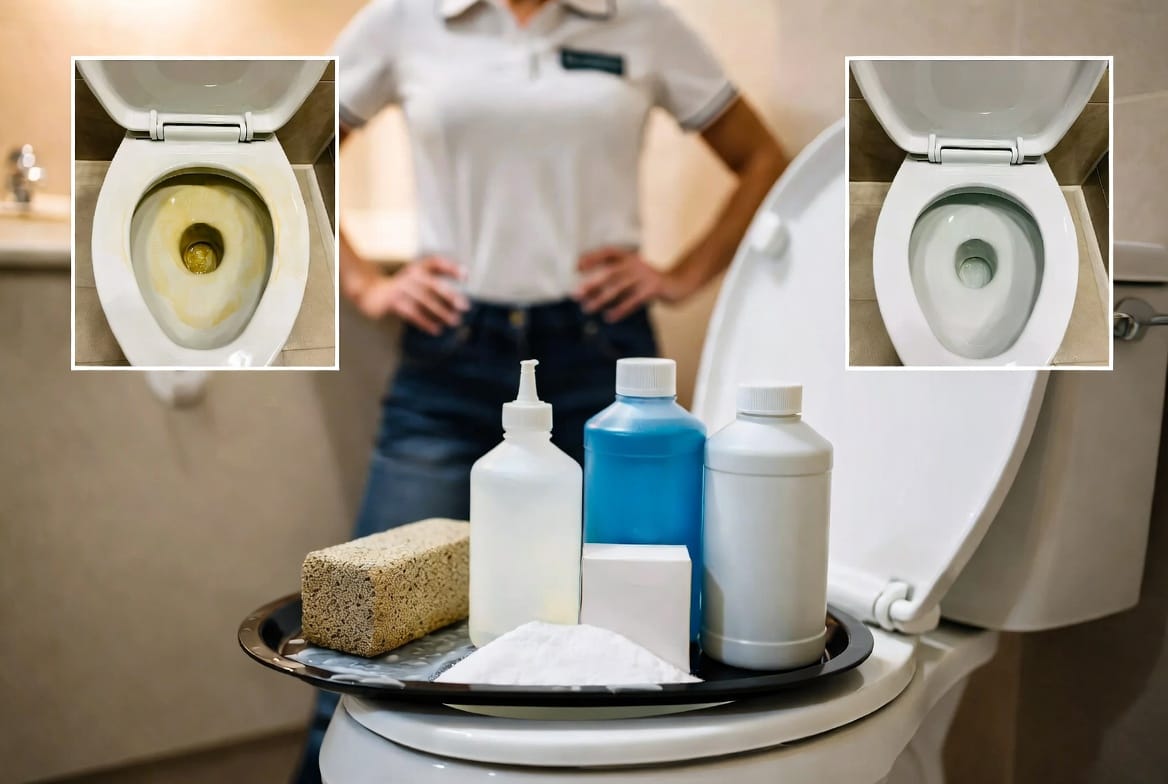
A pumice stone is one of the most effective tools for mechanical removal of hardened mineral rings. The stone is soft enough not to scratch glazed porcelain yet abrasive enough to grind away calcium and rust deposits. Always keep the stone and the toilet surface wet during use to prevent scratching.
Begin by flushing the toilet to wet the bowl thoroughly. Wet the pumice stone under running water and gently rub it along the ring in small circular motions. Apply light to moderate pressure and work in sections. As the stone wears down it releases fine grit that helps lift the deposits. Rinse frequently by pouring clean water or flushing lightly so you can monitor progress.
For especially thick rings, several passes may be required. After the visible ring disappears, flush the toilet fully and wipe the surface with a soft cloth to remove any residual grit. The result is a smooth, clean porcelain surface that looks nearly new.
Safety tip: Never use a dry pumice stone. Dry abrasion can leave micro-scratches that invite future deposits to form more quickly.
The Vinegar and Baking Soda Approach
A natural and inexpensive solution pairs white vinegar with baking soda. Vinegar’s mild acetic acid dissolves calcium and magnesium carbonate, while baking soda provides gentle abrasion and helps lift loosened particles.
Pour two cups of undiluted white vinegar directly into the bowl, focusing on the ring area. Allow the vinegar to sit for at least thirty minutes; overnight soaking produces even better results for heavy deposits. Sprinkle half a cup of baking soda around the waterline and into the water. The mixture will fizz, creating a mild scrubbing action.
Use a toilet brush to agitate the solution against the ring. Scrub thoroughly for several minutes, then let the mixture sit another fifteen minutes. Flush the toilet and inspect the results. Repeat the process if any residual staining remains. This method is particularly reassuring for households preferring to avoid strong commercial chemicals.
Commercial Cleaners Designed for Mineral Deposits
When natural methods need reinforcement, commercial cleaners formulated specifically for hard-water stains and rust offer powerful assistance. Look for products containing hydrochloric acid, sulfamic acid, or chelating agents that bind metal ions. Follow the manufacturer’s instructions carefully, wearing gloves and ensuring good ventilation.
Apply the cleaner directly to the ring and allow the recommended dwell time. Many formulas foam or change color as they react with the deposits. Scrub with a brush, then flush thoroughly. Commercial cleaners often cut through the toughest rings in a single application, making them ideal for neglected toilets.
Whichever method you choose, patience and thorough rinsing are essential. After removal, the porcelain should feel smooth to the touch. Any remaining roughness indicates leftover mineral film that needs additional attention.
Step-by-Step Process for Complete Ring Removal
Start by assessing the severity. Light rings respond well to vinegar alone. Moderate rings benefit from the vinegar-baking soda combination. Heavy, long-standing rings usually require the pumice stone or a commercial cleaner.
Gather supplies: rubber gloves, a pumice stone, white vinegar, baking soda, a toilet brush, and optional commercial cleaner. Protect the floor with a towel in case of drips.
- Flush the toilet to wet the surface.
- Apply your chosen cleaner or solution and allow adequate dwell time.
- Scrub systematically around the entire circumference of the ring.
- Rinse by flushing and inspect under good lighting.
- Repeat if necessary until the porcelain is uniformly clean.
- Wipe the exterior and seat for a complete finish.
After the ring is gone, polish the bowl with a soft cloth to restore shine. This final step removes any remaining residue and leaves the surface less hospitable to new deposits.
Prevention Strategies That Keep Rings from Returning
Removing a toilet bowl ring is satisfying, yet prevention saves time and effort in the long run. Two primary strategies prove most effective: consistent regular cleaning and addressing the underlying water hardness.
Establish a Regular Cleaning Routine
Weekly cleaning prevents minerals from accumulating into visible rings. Use a mild toilet cleaner or a diluted vinegar solution each week. Focus on the waterline and under the rim where deposits begin. A quick scrub with a toilet brush takes only a few minutes and stops the problem before it becomes stubborn.
Monthly deeper cleaning with vinegar or a commercial mineral remover keeps any early film from hardening. Consistency is more important than intensity; frequent light cleaning outperforms occasional heavy scrubbing.
Install or Maintain a Water Softener
In hard-water regions a water softener dramatically reduces mineral content entering the home. Softened water contains far fewer calcium and magnesium ions, so deposits form much more slowly. If a whole-house softener is not feasible, consider a point-of-use filter designed for bathrooms or simply increase the frequency of preventive cleaning.
Additional helpful habits include ensuring the toilet tank fills completely so the waterline stays consistent, avoiding the use of in-tank chemical tablets that can sometimes accelerate staining, and promptly addressing any leaks that keep surfaces continuously wet.
Common Mistakes to Avoid
Several well-intentioned actions can worsen the situation or damage the toilet. Abrasive powders or steel wool can scratch porcelain, creating new sites for deposits. Bleach alone does little against mineral rings and may react poorly with other cleaners. Overly aggressive scrubbing with the wrong tools risks etching the glaze.
Never mix commercial acid cleaners with bleach or ammonia; dangerous fumes can result. Always read labels and work in a ventilated space. Patience yields better results than forceful scrubbing that risks surface damage.
When Professional Help Makes Sense
Most toilet rings respond to the methods described above. However, if the ring persists after multiple careful attempts, or if the porcelain shows signs of etching or cracking, professional assistance is wise. Experienced technicians have specialized tools and stronger yet safe formulations that restore the bowl without risk.
They can also inspect the plumbing for underlying issues such as high iron content or failing components that contribute to rapid deposit formation. A single professional service visit often resolves chronic problems and provides tailored prevention advice.
Maintaining Long-Term Cleanliness and Confidence
A clean toilet free of mineral deposits contributes to overall bathroom hygiene and home comfort. Once the current ring is removed and prevention habits are in place, the problem rarely returns with the same intensity. Homeowners in hard-water areas especially benefit from combining mechanical removal knowledge with water-treatment solutions.
The techniques outlined here—pumice stone abrasion, vinegar and baking soda chemistry, and targeted commercial cleaners—are accessible, affordable, and highly effective. Applied correctly they restore porcelain to its original condition and keep it that way.
Regular attention turns a once-frustrating chore into a quick maintenance task. The result is a bathroom that looks and feels consistently fresh, free from the visual distraction of stubborn rings.
Final Encouragement and Next Steps
Stubborn toilet bowl rings caused by mineral deposits and rust need not be permanent fixtures. With the right knowledge and tools every homeowner can achieve a clean, ring-free bowl. Begin with the gentlest effective method and progress as needed. Pair removal with weekly cleaning and, where possible, water softening for lasting results.
If you prefer expert guidance or want personalized tips for your specific water conditions, help is readily available. Remove stubborn toilet rings today and enjoy the confidence of a consistently clean bathroom.
Professional advice can make the process even smoother and ensure the best long-term outcome for your home.
Eliminate Hard Water Stains – Call Now!