The Sump Pump Sanctuary: Protecting Your Basement with Primary, Backup, and Alarm Systems
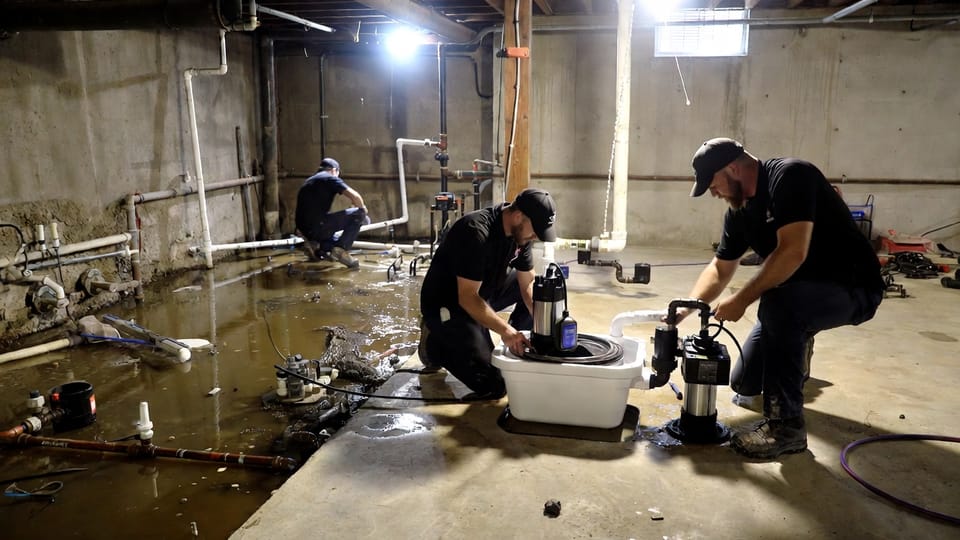
Imagine your basement as a vulnerable fortress, constantly threatened by the relentless forces of groundwater and heavy rains. In this battle against basement flooding, a robust sump pump system stands as your unwavering guardian—a true life-saving mechanism that prevents water from turning your home's lower level into a disastrous swamp. Without it, you risk structural damage, mold growth, and costly repairs that could run into thousands of dollars. But fear not; with the right setup involving a primary pump, a battery-powered backup, and advanced alarm systems, you can safeguard your sanctuary effectively. This comprehensive guide explores these essential components, empowering you to make informed decisions for lasting peace of mind.
Protect Your Basement Now – Call for Redundant Sump Pump Systems
The Vital Role of the Primary Sump Pump
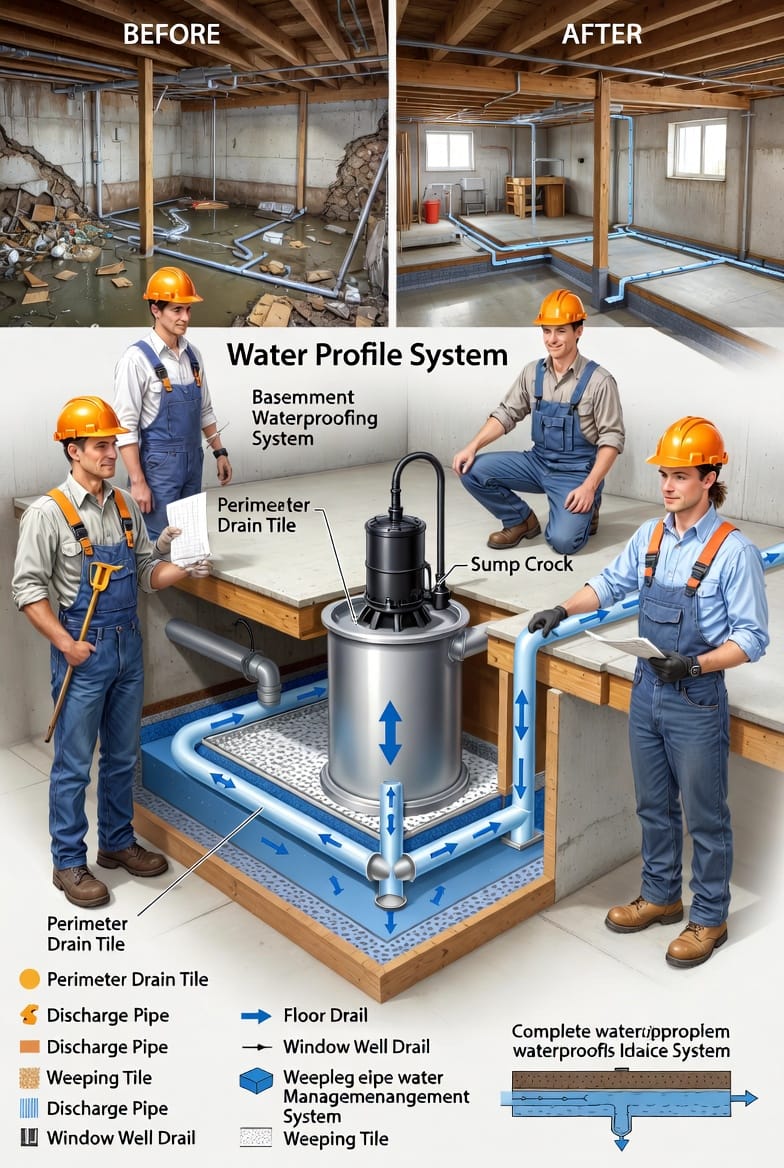
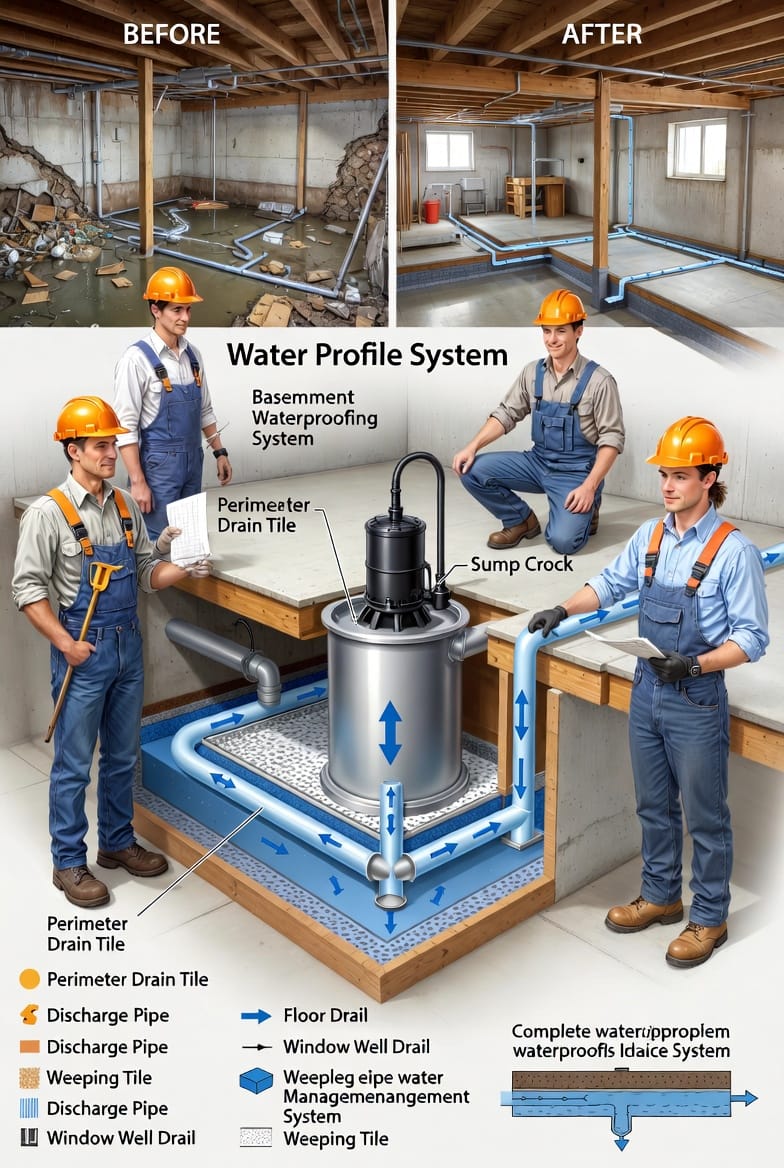
At the heart of any effective basement water management strategy lies the primary sump pump. This hardworking device is designed to automatically detect rising water levels in your sump pit—also known as the sump crock—and pump it out before it overflows into your living space. Typically powered by your home's electrical system, the primary pump activates via a float switch, which rises with the water and triggers the motor to expel excess moisture through a discharge pipe leading away from your foundation.
Why treat it as life-saving? Consider the statistics: According to industry reports, untreated basement flooding affects millions of homes annually, leading to health hazards like black mold proliferation and electrical risks. A reliable primary pump, especially one with a dual float-switch for added redundancy, ensures continuous operation during normal conditions. Here's how it functions seamlessly:
- Detection Mechanism: The float switch monitors water levels precisely, activating at predetermined thresholds to prevent overflow.
- Pumping Capacity: High-quality models can handle thousands of gallons per hour, tailored to your home's specific needs based on soil type and rainfall patterns.
- Durability Features: Look for pumps with cast-iron construction and sealed motors to withstand corrosive environments.
By investing in a top-tier primary pump, you're not just installing equipment—you're establishing the first line of defense against catastrophic water damage. Rest assured, with proper selection, this component alone can avert many common flooding issues.
Why a Battery-Powered Backup Is Non-Negotiable
Power outages strike without warning, often during severe storms when you need protection the most. This is where the battery-powered backup sump pump becomes indispensable, stepping in as a fail-safe to keep your basement dry even when the grid fails. Unlike the primary unit, which relies on electricity, the backup runs on a rechargeable battery, providing hours—or even days—of uninterrupted service depending on the model's capacity.
The critical need for this backup cannot be overstated. During a blackout, groundwater continues to seep in, and without a secondary system, flooding can occur rapidly, leading to irreversible harm. For instance, a single heavy rain event could inundate your basement with feet of water, ruining valuables and compromising your home's integrity. A battery backup mitigates this by:
- Seamless Transition: It automatically activates if the primary pump fails or loses power, ensuring no downtime.
- Extended Runtime: Advanced batteries, like deep-cycle marine types, offer 7-10 hours of continuous pumping, extendable with additional units.
- Recharge Capability: Once power returns, the system recharges automatically, ready for the next challenge.
In essence, relying on a single pump is like gambling with your home's safety. A battery backup provides that reassuring layer of protection, allowing you to weather any storm confidently. As plumbing experts, we've seen countless cases where this simple addition prevented disasters—proving its value time and again.
Enhancing Protection with Water Alarms and Wi-Fi Alerts
No system is complete without early detection tools. Enter the water alarm and Wi-Fi alert system, which serve as vigilant sentinels alerting you to potential issues before they escalate. A basic water alarm is a battery-operated device placed near the sump pit; it sounds a loud siren upon detecting moisture, giving you precious time to intervene.
For modern homeowners, upgrading to a Wi-Fi-enabled alert system takes this to the next level. Connected to your smartphone via an app, it sends real-time notifications about high water levels, pump failures, or low battery status—even if you're away from home. This technology is crucial during power outages, as it allows remote monitoring and quick response, potentially averting catastrophic flooding.
The value here is multifaceted:
- Preventive Alerts: Catch problems like a stuck float switch or clogged discharge early, avoiding overflow.
- Integration Potential: Many systems sync with smart home hubs for automated responses, such as activating backup pumps remotely.
- Peace of Mind: Receive push notifications, emails, or texts, ensuring you're always in the loop.
Incorporating these alarms transforms your sump pump setup from reactive to proactive, reinforcing its life-saving status. With these tools, you gain control over unforeseen events, protecting not just your basement but your entire household.
Building a Complete Basement Water Management System
To truly fortify your home, integrate all components into a cohesive basement water management system. Start with perimeter drain tiles—perforated pipes buried around your foundation—that channel groundwater into the sump crock. From there, the primary and backup pumps handle evacuation, while alarms monitor for anomalies.
This holistic approach addresses multiple failure points:
- Redundancy in Action: If the primary fails, the backup engages; if both are at risk, alerts notify you.
- Discharge Optimization: Ensure pipes lead at least 10 feet from the foundation, with check valves to prevent backflow.
- Customization: Tailor the system to your home's size, location, and flood risk—consult professionals for optimal design.
By viewing your sump pump as a sanctuary, you're investing in long-term resilience. Homes with such systems see significantly lower insurance claims and higher property values, underscoring their practical benefits.
Essential Maintenance for Longevity
A life-saving system demands regular upkeep to perform when needed. Neglect can lead to failures at critical moments, so adopt a structured maintenance routine. Quarterly testing involves running water into the sump pit to verify pump activation and clear discharge. Annually, inspect and replace the backup battery to maintain its charge capacity.
Follow these guidelines for optimal performance:
- Quarterly Checks: Test floats, clean debris from the pit, and listen for unusual noises indicating wear.
- Yearly Battery Maintenance: Test voltage, clean terminals, and replace if capacity drops below 80%.
- Replacement Timeline: Primary and backup pumps typically last 5-7 years; schedule professional inspections to assess condition.
Additionally, keep the area around the sump clear of storage to allow easy access. With diligent care, your system remains a reliable protector, minimizing risks and extending its lifespan.
Common Risks and How to Mitigate Them
Even the best systems face challenges. Power outages top the list, but backups address this. Clogs from debris require regular cleaning, while improper installation can cause inefficiencies—always opt for licensed professionals.
Other risks include:
- Battery Depletion: Mitigate with high-capacity units and solar chargers for extended outages.
- Alarm Malfunctions: Test monthly and replace batteries as needed.
- Environmental Factors: In flood-prone areas, consider elevated pump placements or additional drainage.
By anticipating these, you maintain an authoritative edge over potential threats, ensuring your basement stays dry and secure.
Real-Life Scenarios: Lessons from the Field
Drawing from years of experience, consider a homeowner in a rainy region who ignored backups— a storm-induced outage led to $15,000 in damages. Contrast this with another who installed a full system: Alerts during a similar event allowed timely intervention, saving everything.
These stories highlight the transformative power of redundancy. Whether you're in a suburban home or urban apartment with a lower level, tailoring a sump pump sanctuary to your needs yields invaluable protection.
Choosing the Right System for Your Home
Selecting components involves assessing your risk level. For moderate areas, a standard primary with backup suffices; high-risk zones benefit from Wi-Fi integration. Budget for quality—cheaper models often fail prematurely.
Key considerations:
- Capacity Matching: Calculate based on inflow rates; professionals can measure this accurately.
- Warranty and Support: Opt for brands offering extended coverage and easy parts access.
- Eco-Friendly Options: Energy-efficient pumps reduce utility bills while maintaining efficacy.
With expert guidance, you'll configure a system that's both effective and economical.
The Investment That Pays Off
Viewing your sump pump system as an investment rather than an expense shifts perspective. Initial costs—around $1,000-$3,000 for a full setup—are dwarfed by potential savings from avoided repairs. Plus, many insurers offer discounts for flood-prevention measures, further enhancing ROI.
In the long run, this sanctuary not only protects your property but also preserves your family's well-being, free from the stress of water woes.
Don't gamble with a single pump. Inquire about our redundant sump pump systems at
Prevent Catastrophic Basement Flooding – Get Your Free Consultation Today