The Summer Lawn Stress: Heat and Drought Management Strategies
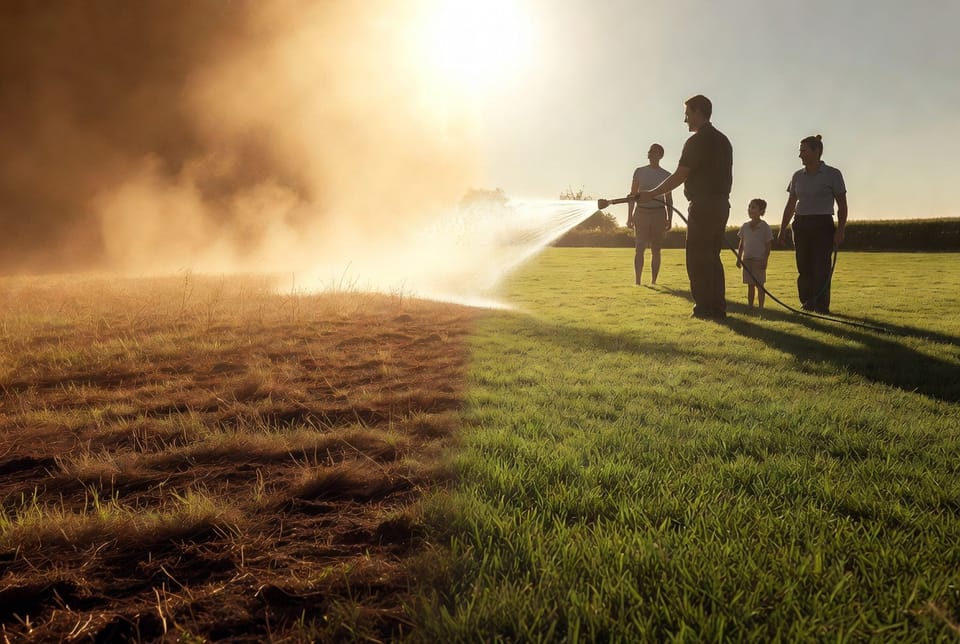
Summer brings sunshine, backyard barbecues, and family gatherings — but it also delivers intense heat stress and drought conditions that can push even the toughest lawns to their limits. Understanding how to manage your lawn during these challenging months is essential for maintaining a vibrant, resilient yard that continues to enhance your home’s beauty and value.
Get Expert Summer Lawn Care Today!
At our professional lawn care service, we’ve helped thousands of homeowners navigate summer lawn challenges successfully. This comprehensive guide shares proven, effective strategies to protect your grass during heat waves and drought periods.
Understanding Summer Lawn Stress
Lawns experience significant pressure during summer months. High temperatures, intense sunlight, and reduced rainfall create a perfect storm of stress factors that can lead to dormancy, thinning, and permanent damage if not addressed properly.
Heat stress occurs when soil temperatures rise above 85°F, causing grass plants to slow their growth and conserve energy. Drought stress compounds this issue by limiting water availability to the root system. Cool-season grasses like Kentucky bluegrass, fescue, and ryegrass are particularly vulnerable, while warm-season varieties such as Bermuda, Zoysia, and St. Augustine have better natural tolerance but still require strategic care.
The good news? With the right approach, your lawn can not only survive summer challenges but emerge stronger and more resilient for the seasons ahead.
Recognizing the Signs of Heat and Drought Damage
Early detection is key to effective summer lawn management. Watch for these common indicators:
- Grass blades turning bluish-gray or dull green
- Footprints that remain visible long after walking across the lawn
- Wilting or folding of leaf blades
- Brown patches that spread over time
- Thinning turf density
- Increased presence of weeds or pest activity
When you notice these signs, immediate action can prevent long-term damage and support faster recovery.
Essential Mowing Strategies for Summer Heat
One of the most effective ways to build heat and drought resistance is adjusting your mowing practices.
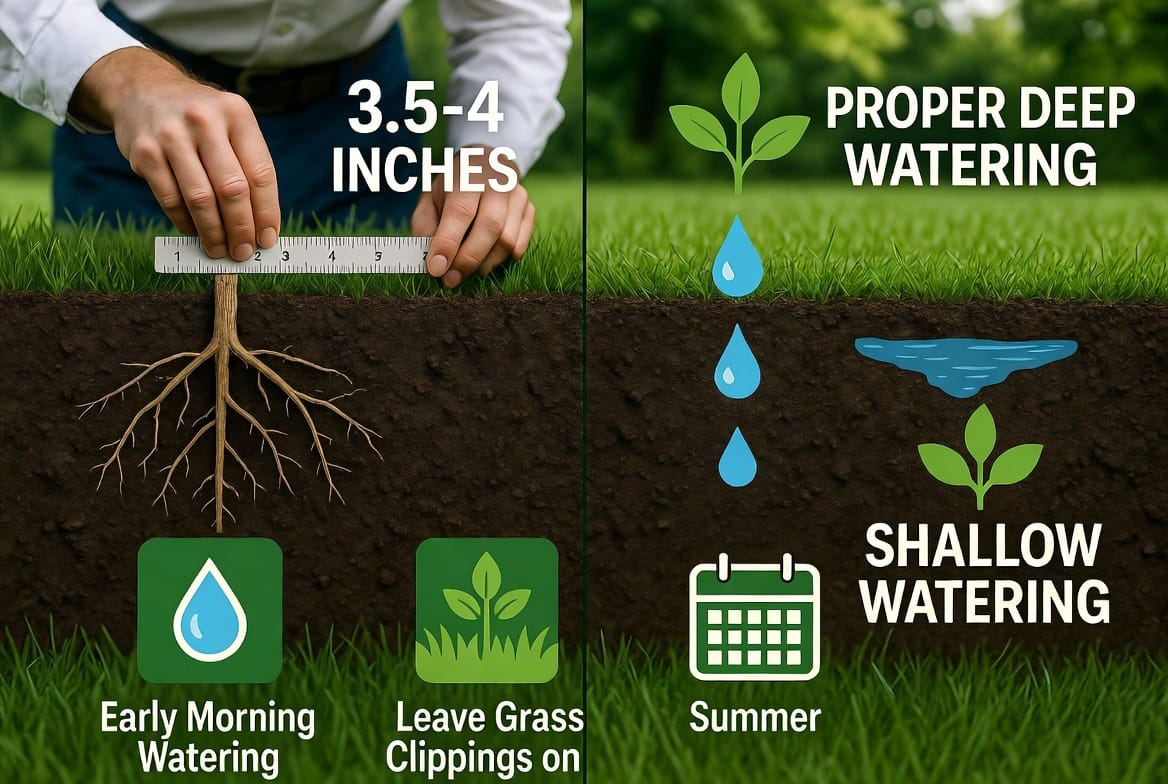
Raise your mowing height to 3.5–4 inches during summer months. Taller grass develops deeper root systems and provides natural shade for the soil, reducing evaporation and keeping roots cooler.
- Never remove more than one-third of the grass blade in a single mowing
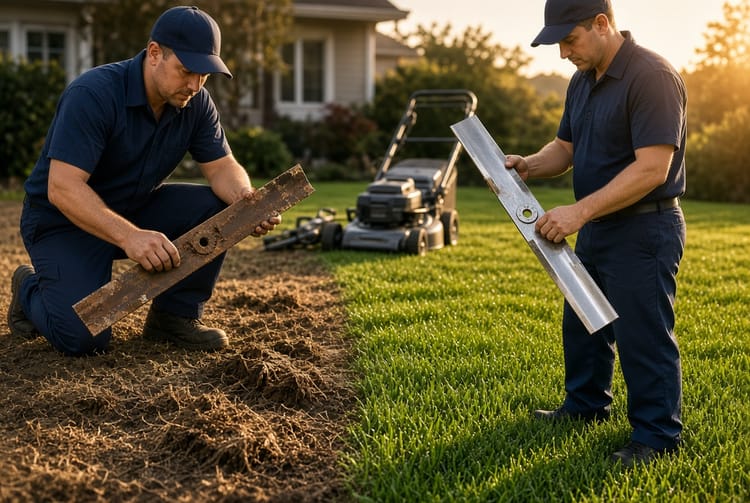
- Keep mower blades sharp to ensure clean cuts that heal quickly
- Mow during the coolest parts of the day — early morning or late evening
- Leave grass clippings on the lawn to return valuable nutrients and moisture
This "mow high" approach significantly improves your lawn’s ability to withstand prolonged heat periods.
Watering Techniques That Make a Difference
Proper watering is perhaps the most critical element of summer lawn care.
The golden rule: Water deeply but infrequently. Your lawn needs approximately 1 inch of water per week, delivered in fewer, longer sessions rather than daily shallow watering. Deep watering encourages roots to grow downward, creating a more resilient plant.
Best practices for summer watering:
- Water in the early morning (before 10 AM) to minimize evaporation
- Avoid watering during the hottest part of the day
- Use a rain gauge or tuna can to measure water application accurately
- Focus on consistent coverage across the entire lawn
- Adjust based on soil type — clay soils need slower application to prevent runoff
Remember that overwatering can be just as harmful as underwatering, especially in high heat when fungal diseases thrive in constantly moist conditions.
Fertilization Guidelines During Extreme Heat
Avoid applying fertilizer during periods of extreme heat and drought. High temperatures combined with nitrogen can stress grass plants severely, leading to burn and further damage.
Instead:
- Focus on soil testing to understand specific nutrient needs
- Use slow-release, low-nitrogen formulas when conditions moderate
- Consider potassium-rich supplements that help with drought tolerance
- Time applications for early morning or evening when temperatures are lower
Smart fertilization timing protects your investment and promotes stronger summer performance.
Additional Summer Lawn Care Tips
Beyond mowing, watering, and fertilizing, several other practices contribute to lawn success during hot months:
- Leave grass clippings (grasscycling) to act as natural mulch
- Avoid heavy foot traffic on stressed areas
- Minimize or skip aeration during peak summer heat
- Keep equipment clean to prevent spreading lawn diseases
- Monitor for and address pest issues promptly
- Consider applying a light layer of organic mulch in garden beds to reduce overall yard heat
These practices work together to create a comprehensive summer lawn protection strategy.
Soil Health: The Foundation of Summer Resilience
Healthy soil is your lawn’s best defense against heat and drought. Well-structured soil with good organic content retains moisture better and supports deeper root development.
Consider these soil improvement approaches:
- Regular soil testing every 1-2 years
- Adding compost or organic matter to improve structure
- Using mycorrhizal fungi products to enhance root efficiency
- Topdressing with thin layers of compost in cooler periods
Strong soil biology leads to stronger grass plants capable of withstanding environmental stress.
Managing Pests and Diseases in Summer Conditions
Heat and humidity create ideal conditions for certain lawn pests and diseases. Stay vigilant for:
- Chinch bugs and sod webworms
- Brown patch and other fungal diseases
- Increased weed pressure in thin areas
Integrated pest management approaches focusing on cultural practices, proper watering, and targeted treatments when necessary help maintain lawn health without excessive chemical use.
Post-Heat Wave Recovery Strategies
Once temperatures moderate, focus on helping your lawn recover:
- Gradually resume normal mowing heights
- Apply appropriate recovery fertilizers
- Overseed thin areas with heat-tolerant varieties
- Continue deep, infrequent watering to rebuild root systems
- Monitor progress and adjust care as needed
With proper attention, most lawns can make a strong comeback after stressful summer periods.
When to Consider Professional Summer Lawn Care
While many homeowners successfully manage their lawns independently, professional services offer several advantages:
- Expert assessment of your specific lawn conditions
- Access to commercial-grade equipment and products
- Time-saving convenience during busy summer months
- Knowledge of local climate patterns and grass varieties
- Comprehensive programs designed for seasonal challenges
Professional care ensures consistent results and peace of mind.
Building Long-Term Lawn Resilience
The strategies outlined here don’t just help your lawn survive this summer — they build lasting strength that benefits your yard year after year. Consistent, intelligent care creates a lawn ecosystem that naturally resists stress and recovers quickly from challenging conditions.
Help your lawn survive summer stress. Don’t let heat and drought damage your beautiful yard. Our experienced team provides specialized summer lawn care solutions tailored to your property’s unique needs.
Your lawn deserves the best protection during the hottest months of the year. With the right strategies and support, you can enjoy a lush, green lawn all summer long.
Protect Your Lawn from Heat & Drought – Call Now