The Spring Dead Spot: Winter Disease on Warm-Season Lawns
Spring brings renewal to many landscapes, but for owners of warm-season lawns like Bermuda grass, it can reveal unwelcome surprises. Circular dead patches emerging after winter are a classic sign of spring dead spot, a persistent fungal issue that strikes during cold months and becomes visible as temperatures rise. This comprehensive guide explains the condition, its impact, and proven management strategies to restore your lawn’s health and beauty.
Recover Your Lawn from Spring Dead Spot – Call Now!
At Tradewinds Universal, we’ve helped countless homeowners in the region recover from winter lawn diseases with targeted, effective care. Don’t let spring dead spot ruin your outdoor space — professional intervention ensures lasting results.
Understanding Spring Dead Spot in Warm-Season Grasses
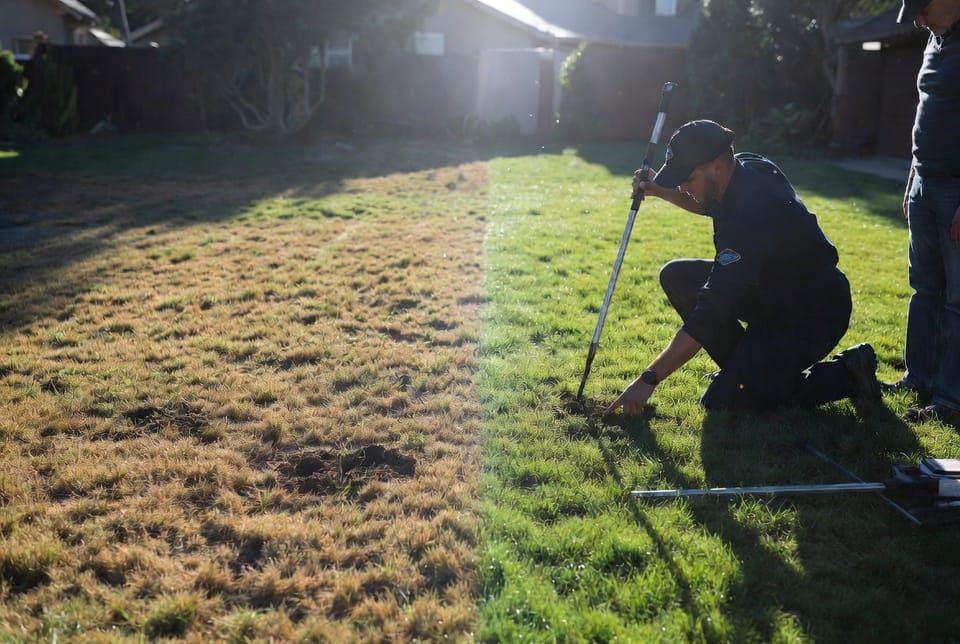
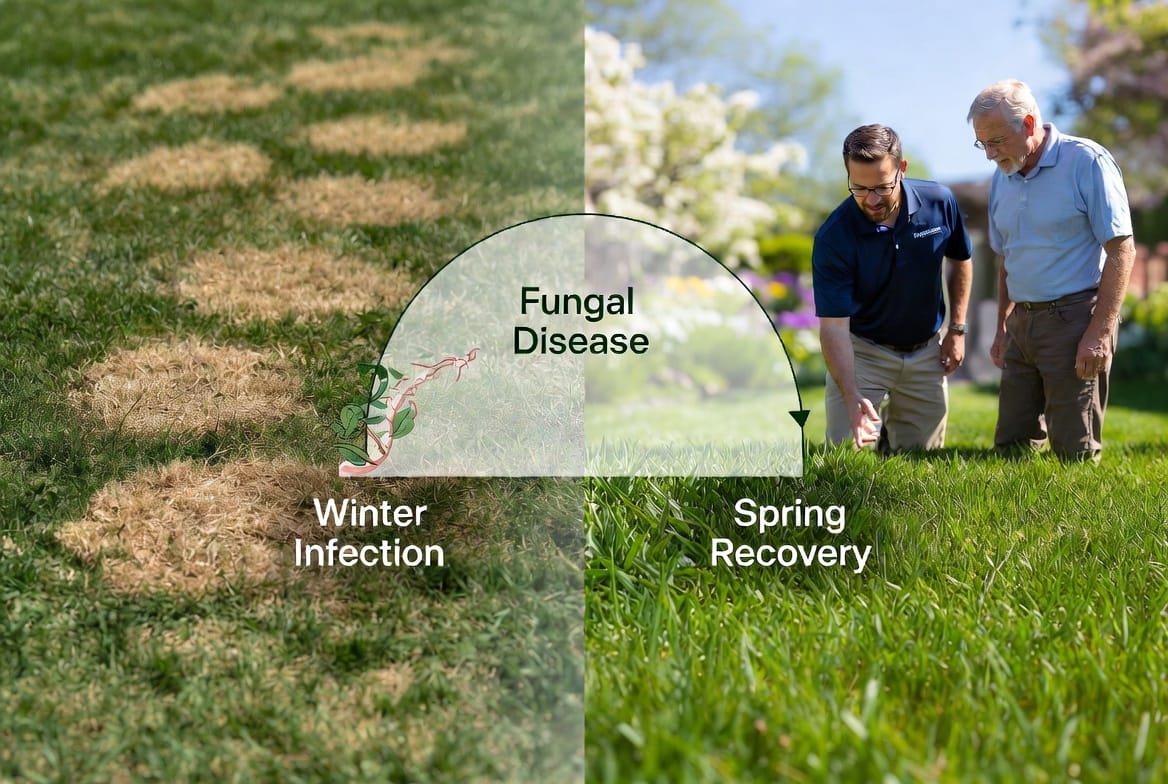
Spring dead spot is a soil-borne fungal disease primarily affecting bermudagrass and other warm-season turfgrasses. The fungus thrives in cooler soil temperatures during late fall and winter, slowly damaging the root system and crowns. By spring, when the grass should green up, infected areas fail to recover, appearing as distinct tan or straw-colored sunken patches.
These patches are typically circular or irregular, ranging from a few inches to several feet in diameter. Multiple spots can merge, creating larger damaged zones that stand out against emerging green growth. The disease doesn’t kill the grass outright in most cases but severely weakens it, making recovery slower without proper support.
Key risk factors include:
- Poorly drained soils that stay saturated during winter.
- Excessive thatch buildup providing a cozy environment for fungi.
- Over-fertilization in late summer or fall, leading to lush top growth with weak roots.
- Compacted soil limiting oxygen to the root zone.
Understanding these elements empowers homeowners to take proactive steps rather than reacting after damage appears.
Recognizing the Signs Early
Early detection is crucial for successful management. In early spring, look for these telltale indicators:
- Tan, sunken circular patches that contrast sharply with surrounding greening grass.
- Patches that may have a reddish or purple border initially.
- Slow or absent green-up in affected areas even after fertilizing.
- Roots that appear dark, rotted, or sparse when pulled gently.
If you notice these symptoms, resist the urge to over-water or apply heavy nitrogen immediately, as this can stress the grass further. Instead, focus on gentle cultural practices while planning professional assessment.
Many homeowners mistake spring dead spot for drought damage, insect activity, or fertilizer burn. Accurate identification prevents wasted effort and ensures the right solutions are applied at the optimal time.
The Disease Lifecycle and Why It Hits in Spring
The fungi responsible for spring dead spot, such as Ophiosphaerella species, remain active in the soil throughout the year but become most destructive when soil temperatures drop. During winter, they attack the root system, depleting the plant’s energy reserves needed for spring regrowth.
As warmer weather arrives, healthy Bermuda grass begins its vigorous growth phase. Infected areas lag behind, creating the visible “dead spots.” Without intervention, the disease can persist for years, gradually worsening and thinning the turf.
Improving lawn resilience involves addressing both the immediate symptoms and underlying conditions that favor fungal development.
Effective Management and Prevention Strategies
Recovering from spring dead spot requires a balanced approach combining cultural practices, targeted treatments, and long-term prevention. Here’s how professionals tackle it:
1. Cultural Practices for Immediate Recovery
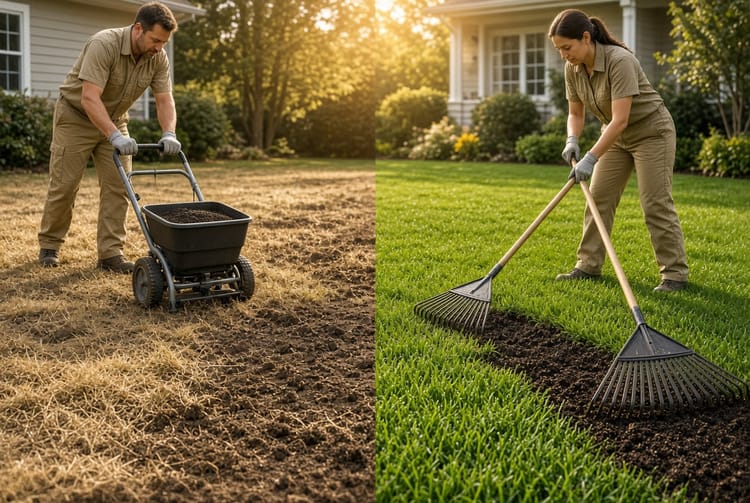
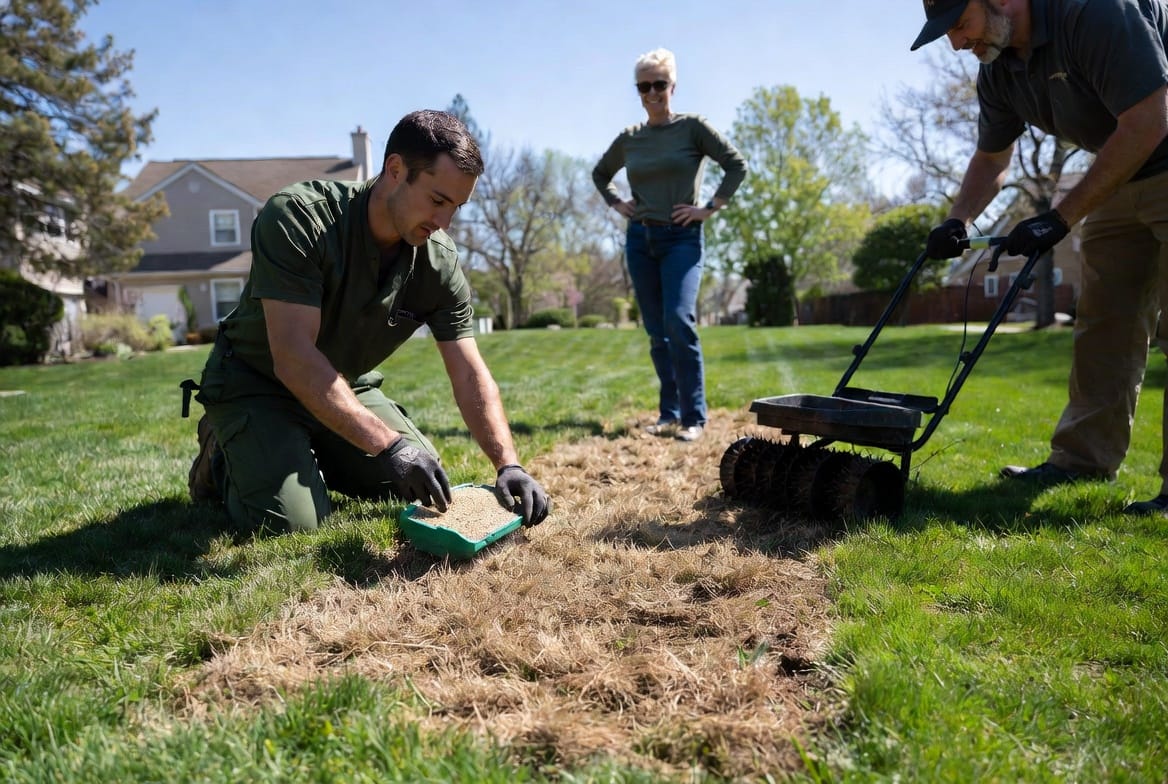
- Aeration and dethatching: Relieve soil compaction and remove excess thatch to promote better air and water penetration.
- Proper irrigation: Water deeply but infrequently to encourage deep rooting while avoiding prolonged wetness.
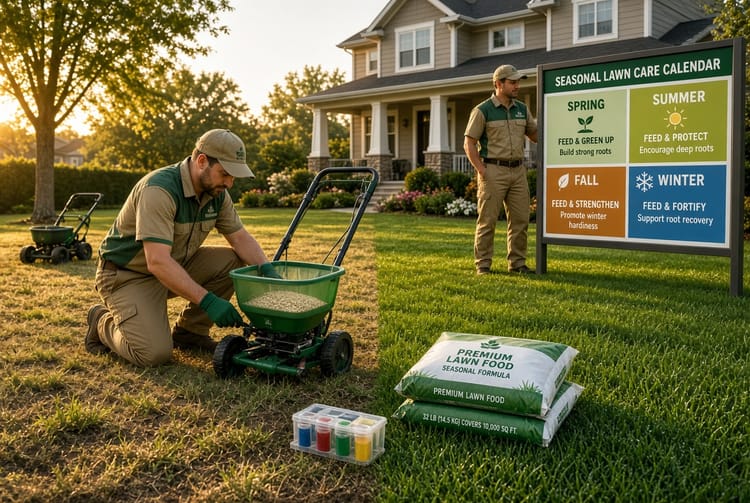
- Balanced fertilization: Use slow-release products timed correctly to support recovery without stimulating excessive top growth.
2. Fall Fungicide Applications – The Key Preventive Step
The most effective management occurs in the fall, before the fungus becomes active. Preventive fungicide applications create a protective barrier in the soil. Timing is critical — usually when soil temperatures begin to cool but before prolonged cold sets in.
Professional application ensures the right products, rates, and coverage for maximum efficacy while minimizing environmental impact.
3. Soil and Drainage Improvements
Poor drainage is a major contributor. Amending soil with organic matter, installing drainage solutions where needed, and maintaining consistent grading help reduce disease pressure significantly.
Long-Term Lawn Health for Warm-Season Grasses
Building a resilient Bermuda lawn goes beyond treating one season’s issues. Consider these ongoing best practices:
- Mowing at the correct height (typically 1.5 to 2.5 inches for Bermuda) to shade the soil and reduce weed competition.
- Regular soil testing to maintain optimal pH and nutrient levels.
- Overseeding or patching with disease-resistant varieties when needed.
- Monitoring weather patterns and adjusting care accordingly.
With consistent professional care, your lawn can withstand winter stresses better each year, resulting in thicker, greener turf that enhances your property’s curb appeal and enjoyment.
Common Questions About Spring Dead Spot
How long does recovery take?
With proper treatment, visible improvement often appears within weeks to a couple of months during the active growing season. Full recovery may take an entire season.
Can I treat it myself?
While basic cultural practices help, professional diagnosis and precise fungicide application deliver faster, more reliable results, especially for severe cases.
Will it spread to my whole lawn?
Not necessarily, but untreated patches can expand and merge. Early action limits the spread.
Is it harmful to pets or children?
The disease itself isn’t harmful, and professional treatments are selected with safety in mind when applied correctly.
Why Choose Professional Spring Lawn Care
Attempting to manage complex fungal diseases without expertise can lead to recurring problems and unnecessary expense. Experienced technicians understand local conditions, grass varieties, and timing nuances that make the difference between temporary fixes and lasting solutions.
Recover from winter disease and enjoy a lush, healthy lawn this season. Our team provides comprehensive spring lawn care tailored to your specific needs.
Don’t wait for patches to worsen — proactive care protects your investment and restores beauty faster.
Get Professional Spring Dead Spot Treatment – Call Now