The Spotted Skunk: Handstand Warning Before Spraying
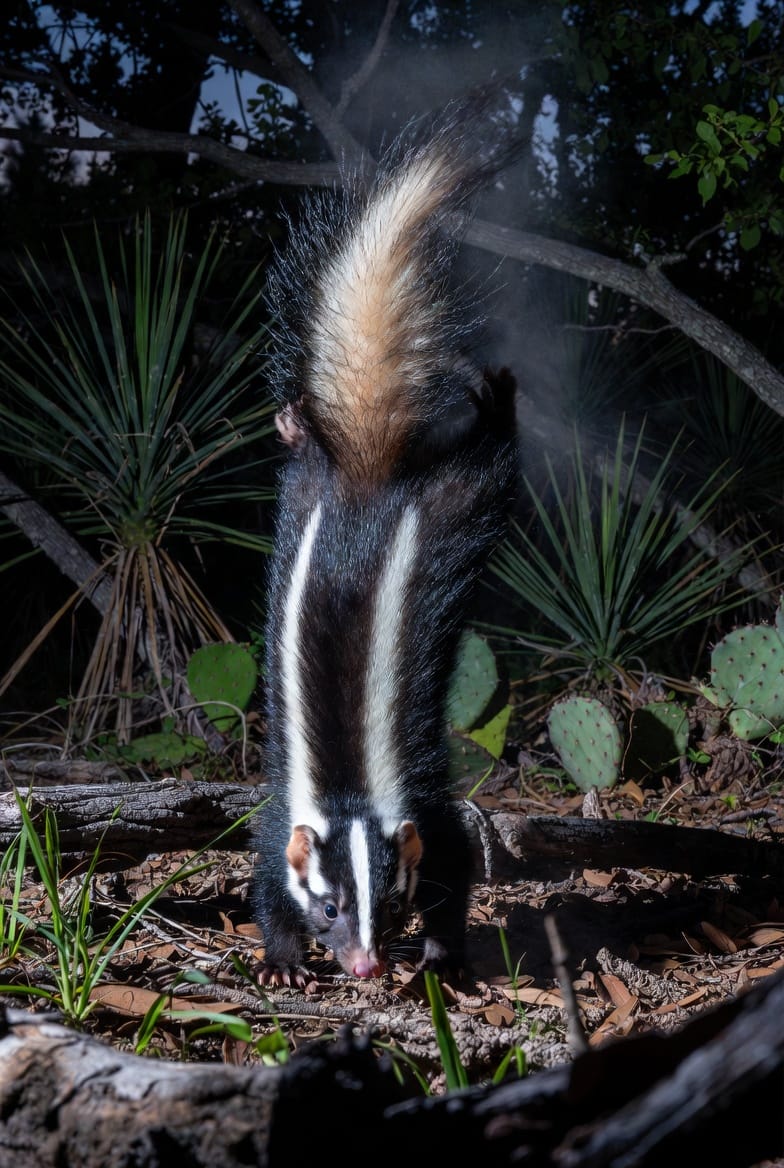
Spotted skunks are fascinating yet potentially troublesome visitors to Texas properties. Unlike their more common striped cousins, these smaller members of the skunk family have a unique handstand defense that serves as a clear warning before they release their potent spray. Homeowners in Dallas and surrounding areas who encounter these nocturnal creatures benefit from understanding their behavior to avoid unpleasant surprises and ensure safe, humane removal.
Humane Spotted Skunk Removal – Call Today!
At our wildlife removal service, we specialize in handling spotted skunk situations with care and expertise. This comprehensive guide explores everything you need to know about these distinctive animals, from their biology to effective prevention strategies. Whether you're dealing with a potential encounter or simply want to protect your home, professional assistance ensures peace of mind.
What Makes the Spotted Skunk Unique?
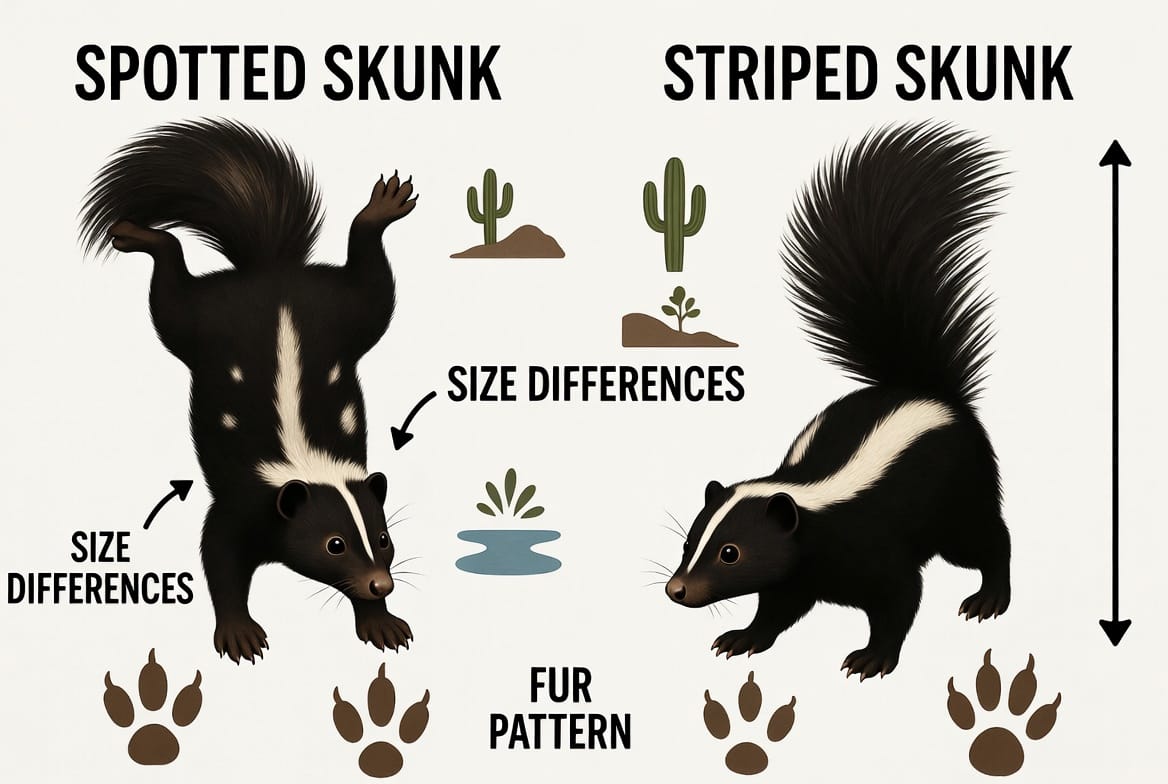
The spotted skunk, often called the "weasel skunk" or "civet cat" in local Texas folklore, stands out due to its smaller size and acrobatic defense mechanism. While striped skunks typically weigh 6 to 14 pounds, spotted skunks are notably lighter, ranging from 1 to 3 pounds, with a body length of about 12 to 18 inches. Their fur features bold white spots on a black background, creating a striking pattern that distinguishes them immediately from the continuous white stripes of their larger relatives.
One of the most remarkable behaviors of the spotted skunk is its handstand warning. When threatened, instead of simply raising its tail, the spotted skunk performs a graceful handstand, balancing on its front legs while elevating its hindquarters and tail. This pose not only looks dramatic but also serves as an effective visual deterrent, giving predators – and unaware humans – a clear signal to back away. If the warning is ignored, the skunk can accurately spray a foul-smelling sulfur-based compound up to 10-12 feet.
This unique behavior makes spotted skunks particularly memorable but also requires caution. In suburban Dallas neighborhoods with wooded edges or green spaces, these adaptable animals find ample opportunities to forage and den. They are omnivores, feeding on insects, small rodents, fruits, and occasionally garden produce or pet food left outdoors.
Key differences from striped skunks include:
- Size: Much smaller and more agile
- Markings: Irregular white spots rather than continuous stripes
- Defense: Handstand pose before spraying
- Activity: Often more arboreal, capable of climbing trees and structures
Understanding these distinctions helps homeowners identify the specific type of skunk they're dealing with and respond appropriately.
Recognizing Signs of Spotted Skunk Presence
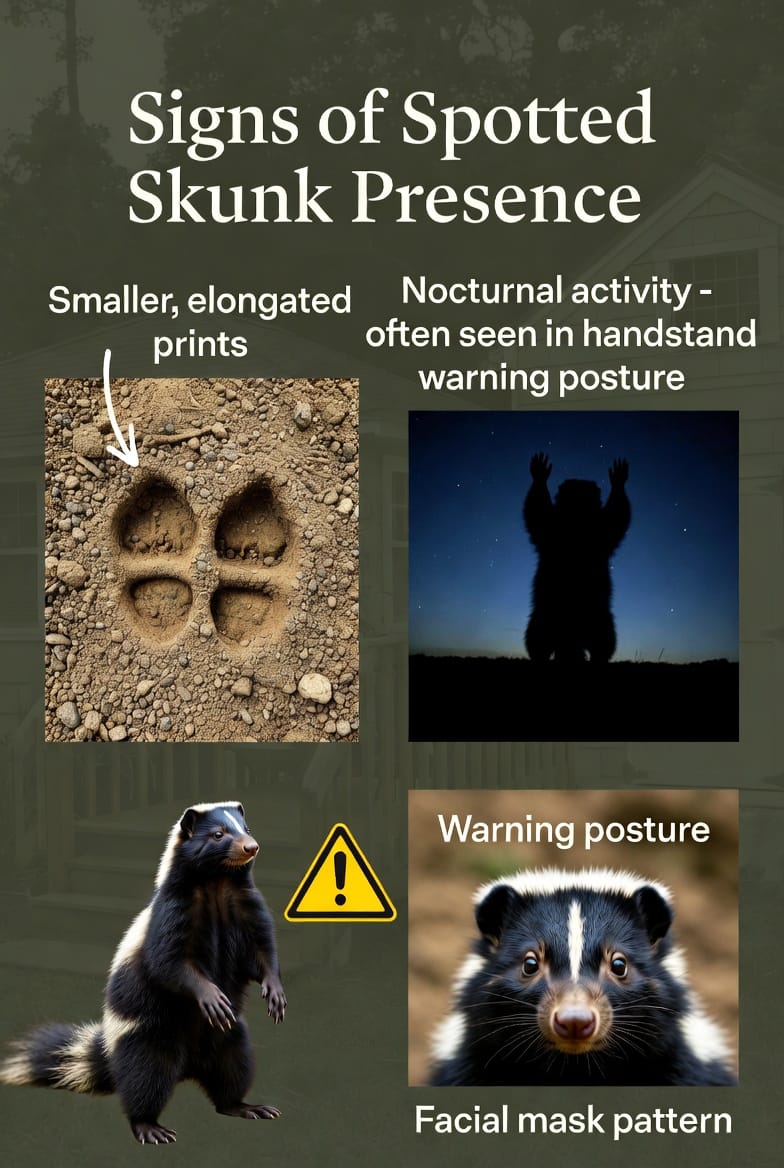
Early detection is crucial for effective spotted skunk control. These animals are primarily nocturnal, becoming active at dusk and returning to dens by dawn. Homeowners may notice several telltale signs around their Dallas properties:
- Smaller Tracks: Spotted skunk footprints are distinctly smaller than those of striped skunks, measuring about 1-1.5 inches long with five toes visible on both front and hind prints.
- Musky Odor: A lingering pungent smell around foundations, sheds, or under decks often indicates recent activity, even if the animal isn't visible.
- Characteristic Warning Pose: Sightings of the handstand behavior, especially near trash bins or entry points.
- Droppings and Digging: Small, tubular scat containing insect parts or seeds, along with shallow digging in lawns or garden beds.
- Nocturnal Noises: Rustling sounds or occasional chattering from attics, crawl spaces, or woodpiles.
If you observe these indicators, it's wise to avoid direct confrontation. Startling a spotted skunk in its handstand position can trigger an immediate defensive spray, which is notoriously difficult to remove from clothing, pets, or home exteriors.
Potential Risks and Why DIY Approaches Are Discouraged
While spotted skunks are generally not aggressive, they can become problematic when they establish dens near human dwellings. Their spray causes significant odor issues and can irritate eyes and skin. More importantly, skunks may carry diseases such as rabies, leptospirosis, or parasites that pose risks to pets and family members.
Attempting to handle or trap spotted skunks yourself often leads to unnecessary stress for the animal and potential injury or spraying incidents for homeowners. The handstand warning gives a brief window to retreat safely, but many people misinterpret it or panic, escalating the situation.
Professional wildlife specialists understand the biology and behavior of these animals, ensuring humane and effective removal while complying with Texas wildlife regulations. Spotted skunks are protected in some contexts, making legal and ethical handling essential.
Humane Trapping and Removal Methods
Our approach to spotted skunk removal prioritizes the safety of both the animals and our clients. Key steps in professional handling include:
- Assessment: Thorough inspection of the property to locate dens and entry points without disturbing the skunk.
- Avoid Startling: Using specialized techniques and equipment that respect the animal's warning signals.
- Live Trapping: Employing baited traps designed for small mammals, placed strategically during active hours.
- Relocation or Exclusion: Safe removal followed by proper exclusion to prevent re-entry, including sealing access points with durable materials.
- Habitat Modification: Recommendations to reduce attractants like unsecured garbage, pet food, or woodpiles.
By working with experienced technicians, Dallas homeowners ensure the process is quick, quiet, and stress-free. We never use harmful chemicals or methods that could endanger local wildlife populations.
Prevention Strategies for Texas Properties
Preventing spotted skunk problems is far easier than dealing with an active infestation. Consider these practical tips tailored to North Texas conditions:
- Secure all trash containers with tight-fitting lids and store them in garages overnight.
- Eliminate food sources by feeding pets indoors and cleaning up fallen fruit from trees promptly.
- Seal potential den sites such as gaps under sheds, decks, and foundations using hardware cloth or metal flashing.
- Maintain clear perimeters around homes by trimming overgrown vegetation and removing debris piles.
- Install motion-activated lighting around vulnerable areas to discourage nocturnal visitors.
- Consider professional-grade repellents or ultrasonic devices as supplementary deterrents.
Implementing these measures creates an environment less appealing to spotted skunks while enhancing overall property security against various wildlife.
The Importance of Professional Wildlife Management
Dealing with spotted skunks requires more than just knowledge – it demands the right tools, experience, and respect for local ecosystems. Our team brings years of specialized training in humane wildlife control, serving Dallas-Fort Worth and surrounding communities with reliable solutions.
We understand the unique challenges Texas homeowners face, from seasonal wildlife patterns to urban-wildland interfaces. By choosing professional services, you protect your family, pets, and property while contributing to responsible wildlife management.
Don't wait until a handstand warning turns into an unwanted spray incident. Early intervention saves time, money, and frustration.
Additional Insights on Spotted Skunk Ecology
Spotted skunks play a valuable role in local ecosystems by controlling insect and rodent populations. Their presence indicates a balanced habitat, but when they encroach on residential areas, intervention becomes necessary to maintain harmony between humans and nature.
In Texas, spotted skunks prefer brushy areas, woodlands, and rocky terrains but readily adapt to suburban settings where food and shelter are abundant. Their breeding season typically occurs in late winter to early spring, with kits born in early summer. Understanding these cycles helps predict and prevent peak activity periods around homes.
Many homeowners appreciate learning about these creatures beyond the immediate nuisance factor. The spotted skunk's agility and unique defenses highlight the diversity of North American wildlife, making educational resources an important part of our service philosophy.
Common Misconceptions About Skunks
A frequent misunderstanding is that all skunks are identical in behavior and appearance. The spotted skunk's handstand sets it apart dramatically. Another myth suggests skunks spray without warning – in reality, the handstand provides a reliable signal that responsible observers should heed.
Some believe skunks are purely destructive, yet they consume large numbers of garden pests and contribute to soil aeration through their foraging. Balancing appreciation for their ecological contributions with practical property protection forms the foundation of effective wildlife management.
When to Call for Expert Help
If you've spotted a small skunk performing acrobatics in your yard, detected unusual odors, or found evidence of digging near your foundation, it's time to act. Our specialists respond promptly to assess the situation and implement customized solutions.
We handle everything from single-animal removals to comprehensive property exclusion programs. Every service includes follow-up inspections to ensure long-term results.
Protecting Your Dallas Home from Wildlife Intrusions
Living in the vibrant Dallas area offers many benefits, including proximity to natural spaces. However, this also means occasional encounters with native wildlife like the spotted skunk. Preparing your property and knowing when to seek professional support keeps your home safe and enjoyable.
Our commitment extends beyond immediate removal. We provide detailed guidance on maintaining a wildlife-resistant property, helping you enjoy Texas living without unnecessary disruptions.
In conclusion, the spotted skunk's charming yet effective handstand warning reminds us of nature's ingenuity. By respecting these signals and partnering with knowledgeable professionals, homeowners can address potential issues humanely and efficiently.
Never startle a skunk in handstand position. Call our specialists today for prompt, humane, and effective spotted skunk removal and wildlife control services throughout the Dallas area. Our experienced team is ready to restore peace to your property while protecting local wildlife.
Expert Spotted Skunk Control – Call Now for Fast Help!