The Solar Panel Soiling Loss: How Dust and Pollen Affect Output
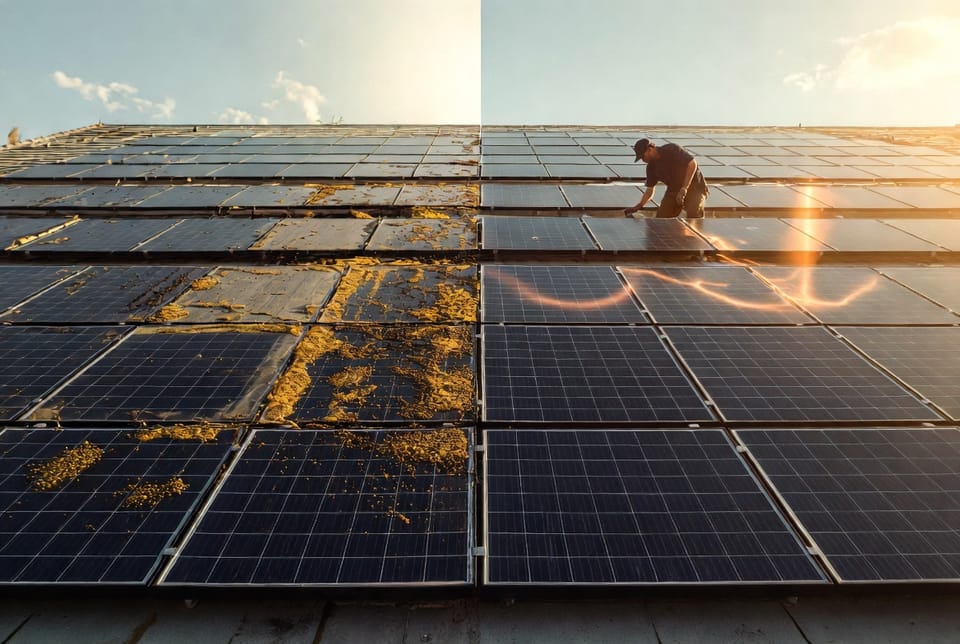
Solar panel soiling loss is one of the most common yet overlooked factors that silently reduces the performance of your solar energy system. Even the highest-quality panels can suffer significant efficiency drops when dust, pollen, bird droppings, and pollution build up on the surface.
Stop Soiling Loss Today – Get Professional Cleaning
Professional solar maintenance is essential to protect your investment and maximize long-term energy production. In this comprehensive guide, we explain exactly how soiling occurs, how much output it can cost you, and the best practices to keep your system operating at peak efficiency.
Understanding Solar Panel Soiling Loss
Soiling loss refers to the reduction in solar panel output caused by the accumulation of particles on the glass surface. These particles block, scatter, or absorb sunlight before it can reach the photovoltaic cells.
This performance factor is especially critical in regions with dry seasons, agricultural activity, or high pollen counts. Studies consistently show that soiling can reduce energy production by 5% to 20% or more during extended dry periods without proper cleaning.
The good news? Soiling loss is completely preventable with the right knowledge and maintenance routine.
How Dust, Pollen, and Other Contaminants Accumulate
Solar panels are exposed to the elements 24/7, making them natural collectors of airborne particles. Several common contaminants contribute to soiling:
- Dust and sand: Fine particles settle easily and become harder to remove over time
- Pollen: Sticky and abundant during spring and early summer, creating a thin film
- Bird droppings: Highly acidic and can cause permanent etching if left untreated
- Pollution and soot: Urban and industrial areas see faster buildup from vehicle emissions and factory output
- Leaves and debris: Organic matter that holds moisture and promotes mold growth
These materials form a layer that reduces light transmission. In dry climates, dust can accumulate rapidly, while pollen seasons create sudden spikes in soiling.
Key Risk: Even a seemingly light layer of dust can cause measurable output reduction. The effect compounds over weeks and months if left unaddressed.
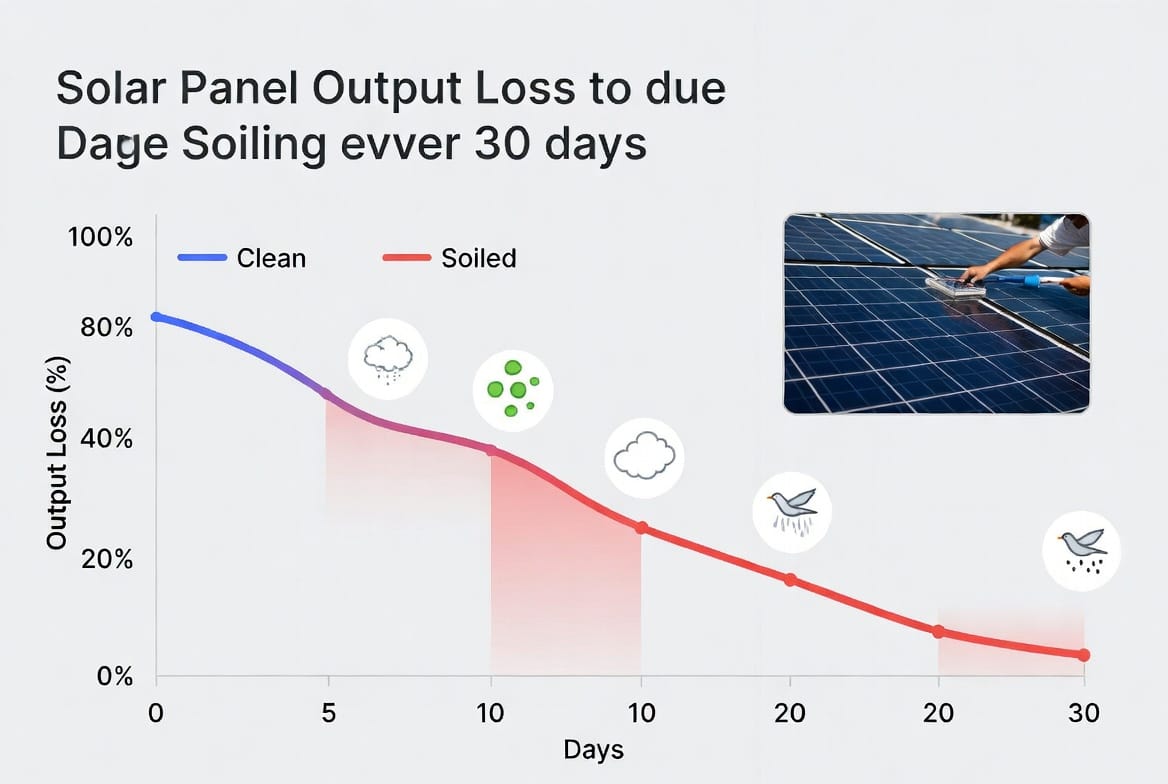
Quantifying the Impact on Your Energy Production
The financial impact of soiling loss adds up quickly. For a typical 6kW residential system:
- 5% loss = hundreds of dollars per year in lost energy credits
- 15-20% loss = potentially thousands of dollars annually in high-soiling areas
During peak pollen season or prolonged dry spells, daily production can drop noticeably. Homeowners often report their monitoring apps showing unexpected dips that correlate with visible panel dirt.
Authoritative Insight: Regular cleaning restores panels to near-original performance levels, providing immediate and measurable improvements in output.
Best Practices for Effective Solar Panel Cleaning
Proper cleaning technique is crucial. Using the wrong methods can damage your panels or void warranties.
Recommended Cleaning Guidelines
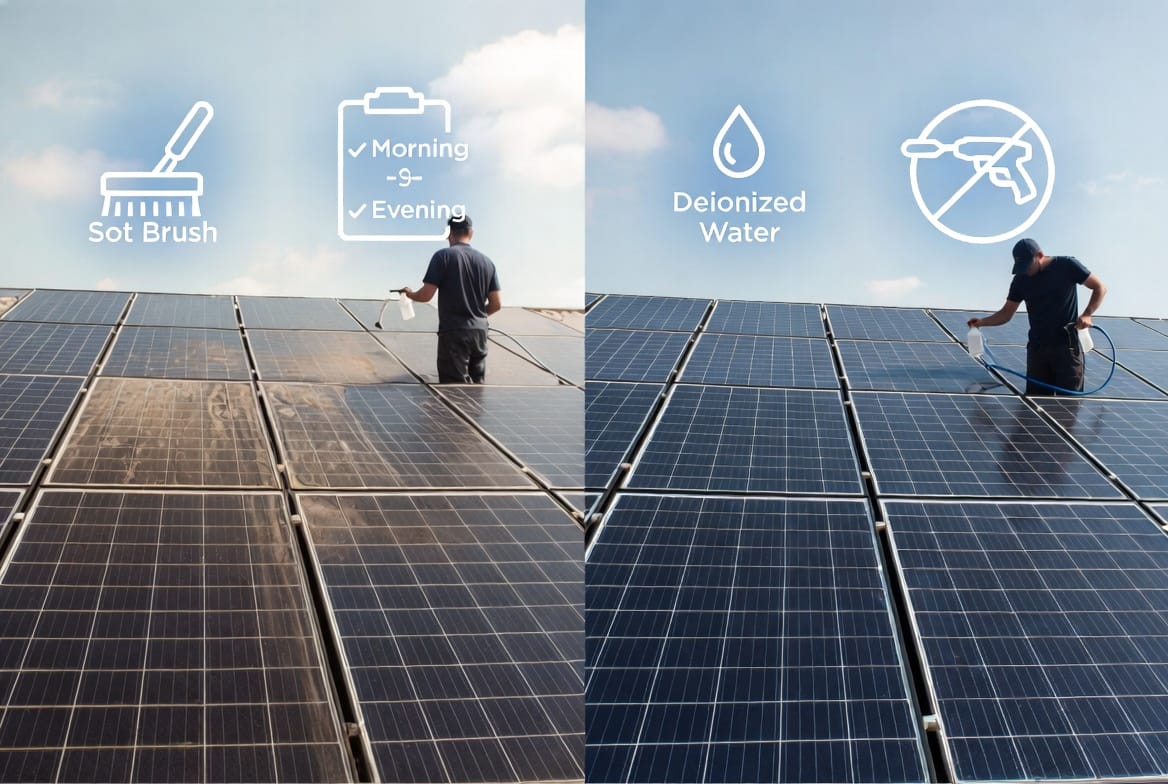
- Timing: Clean in the early morning or evening when panels are cool
- Tools: Use a soft brush or microfiber mop designed for solar panels
- Water: Deionized or distilled water is ideal to prevent mineral spots
- Technique: Gentle sweeping motions from top to bottom
- Frequency: Every 3-6 months, or more often in dusty or high-pollen areas
Important Safety Note: Always prioritize safety. Professional solar cleaning services use proper equipment and harnesses for rooftop access.
What to Avoid
- Harsh chemicals or abrasive cleaners that can scratch glass or harm coatings
- Pressure washers that may force water under seals
- Cleaning during peak sun hours (risk of thermal shock)
- Walking directly on panels
Seasonal Considerations and Proactive Maintenance
Different seasons bring different soiling challenges:
- Spring: High pollen counts require more frequent attention
- Summer: Dust and intense sun make soiling more impactful
- Fall: Leaves and organic debris
- Winter: Snow, ice, and bird activity
Pro Tip: Schedule professional inspections after major pollen seasons and before high-energy summer months.
A comprehensive maintenance plan includes visual inspections, output monitoring, and scheduled cleanings. This proactive approach protects your system and ensures consistent performance year-round.
The Benefits of Professional Solar Panel Maintenance
Partnering with experienced professionals offers several advantages:
- Expert assessment of soiling levels and system health
- Safe, efficient cleaning using specialized tools and purified water
- Early detection of potential issues beyond soiling
- Peace of mind knowing your investment is protected
- Maximum ROI through optimized energy production
Homeowners who invest in regular professional cleaning consistently report higher satisfaction and better system performance.
Common Questions About Solar Panel Soiling
How often should I clean my solar panels?
It depends on your location. Dry, dusty areas may need cleaning every 2-3 months, while other regions do well with biannual service.
Can rain clean my panels?
Rain helps but is rarely sufficient, especially for stubborn dust or pollen buildup. It often leaves mineral deposits behind.
Will cleaning void my warranty?
No. Proper cleaning using recommended methods actually helps maintain warranty compliance.
Is it safe to clean panels myself?
DIY cleaning is possible for ground-mounted systems, but rooftop arrays are best handled by trained professionals.
Protecting Your Solar Investment Long-Term
Solar panel soiling loss is manageable when you understand the causes and implement proper solutions. By staying ahead of dust, pollen, and other contaminants, you ensure your system continues delivering clean, reliable energy for decades.
Keep your panels producing at peak.
Don’t let soiling silently reduce your solar savings.
Our experienced team uses industry-best practices to restore your system’s performance safely and effectively. Contact us for a free assessment and customized maintenance plan.
Protect Your Solar Investment – Call for Expert Service