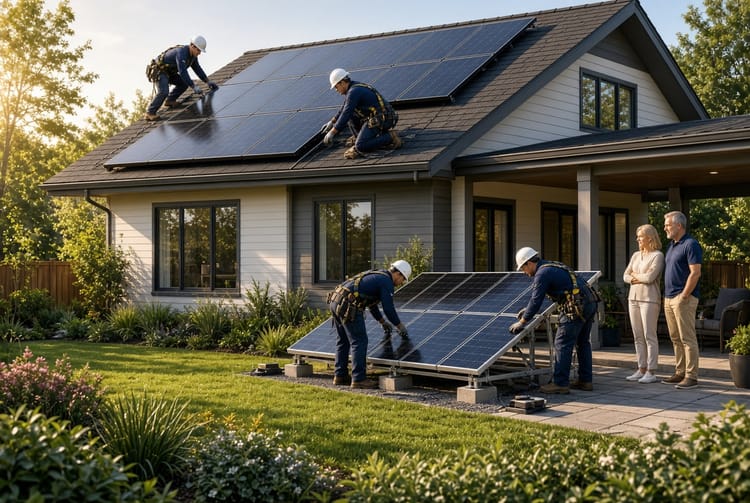
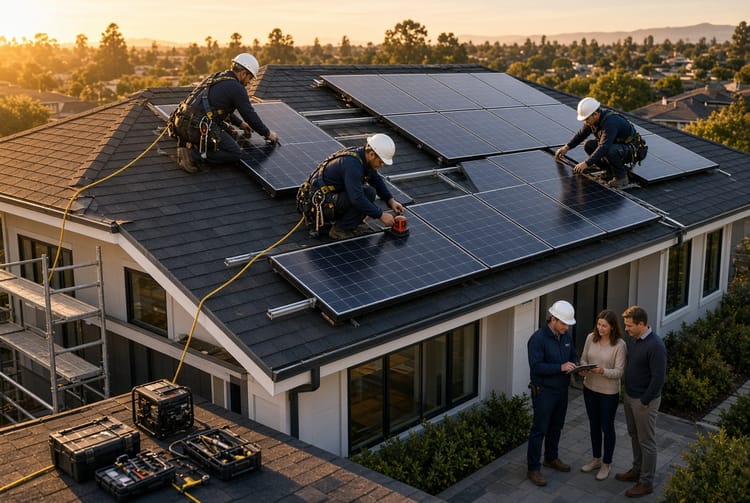
The Solar Panel Snow Load: Structural Requirements for Heavy Snow Regions
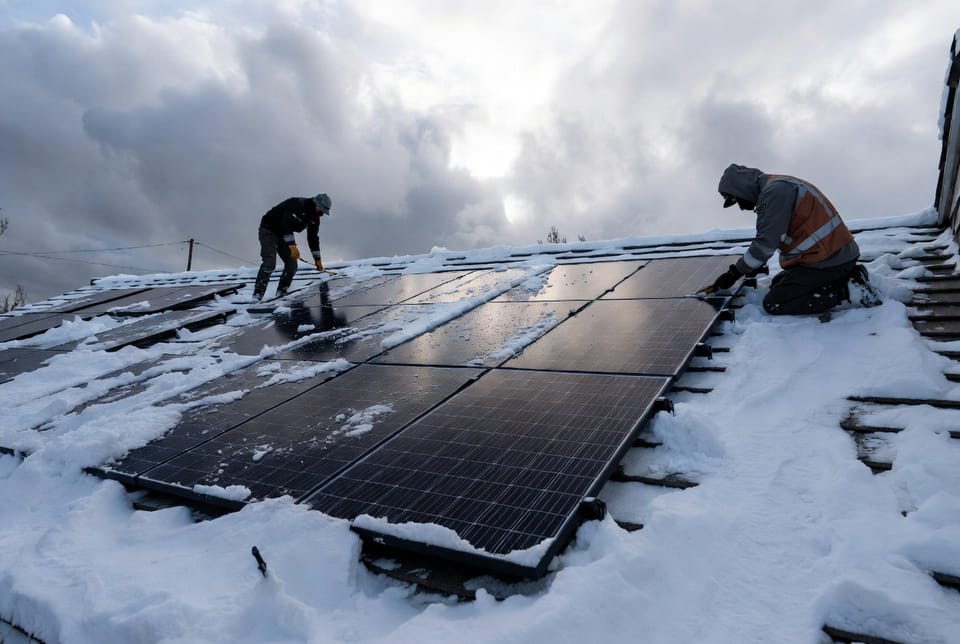
In regions where winter brings substantial snowfall, installing solar panels requires careful attention to structural integrity. Homeowners and businesses embracing renewable energy must ensure their roofs and mounting systems can handle the combined weight of the panels and accumulated snow. Proper planning not only protects your investment but also delivers reliable clean energy year-round.
Ensure Your Roof Handles Snow + Solar – Call Today!
Solar panels themselves add approximately 2-4 pounds per square foot to the roof load. Snow, however, can add significantly more—up to 30 pounds per square foot or higher in extreme conditions. This combination demands engineered mounting solutions tailored to local building codes and environmental factors. By prioritizing mounting strength, you safeguard your home, maximize system longevity, and maintain optimal energy production even in challenging winters.
Why Snow Loads Matter for Solar Installations
Heavy snow regions present unique challenges. Snow accumulation on panels increases downward pressure, while melting and refreezing can create uneven loads or ice dams. Without proper structural assessment, risks include roof deflection, mounting failure, or panel damage. Fortunately, modern engineering practices make solar viable and safe in snow-prone areas.
Professional installers focus on site-specific evaluations that account for ground snow loads, roof slope, exposure, and thermal conditions. This proactive approach ensures your solar system enhances rather than compromises your property's structural safety.
Understanding Solar Panel and Snow Load Dynamics
Solar arrays introduce both dead loads (the weight of panels and racking) and contribute to live loads when snow settles. Building codes, often based on standards like ASCE 7, require roofs to support these combined forces. In many areas, design snow loads range from 20 to over 100 pounds per square foot, depending on location and importance factors.
Key factors influencing total load include:
- Panel weight and distribution: Concentrated point loads at attachment points rather than uniform spread.
- Snow density and depth: Fresh snow is lighter; compacted or wet snow is much heavier.
- Roof geometry: Slopes, valleys, and obstructions affect accumulation and drifting.
- Local climate data: Historical weather patterns and projected extremes guide engineering calculations.
By addressing these early, homeowners avoid costly retrofits and enjoy peace of mind during harsh winters.
Engineering Mounting Systems for Maximum Strength
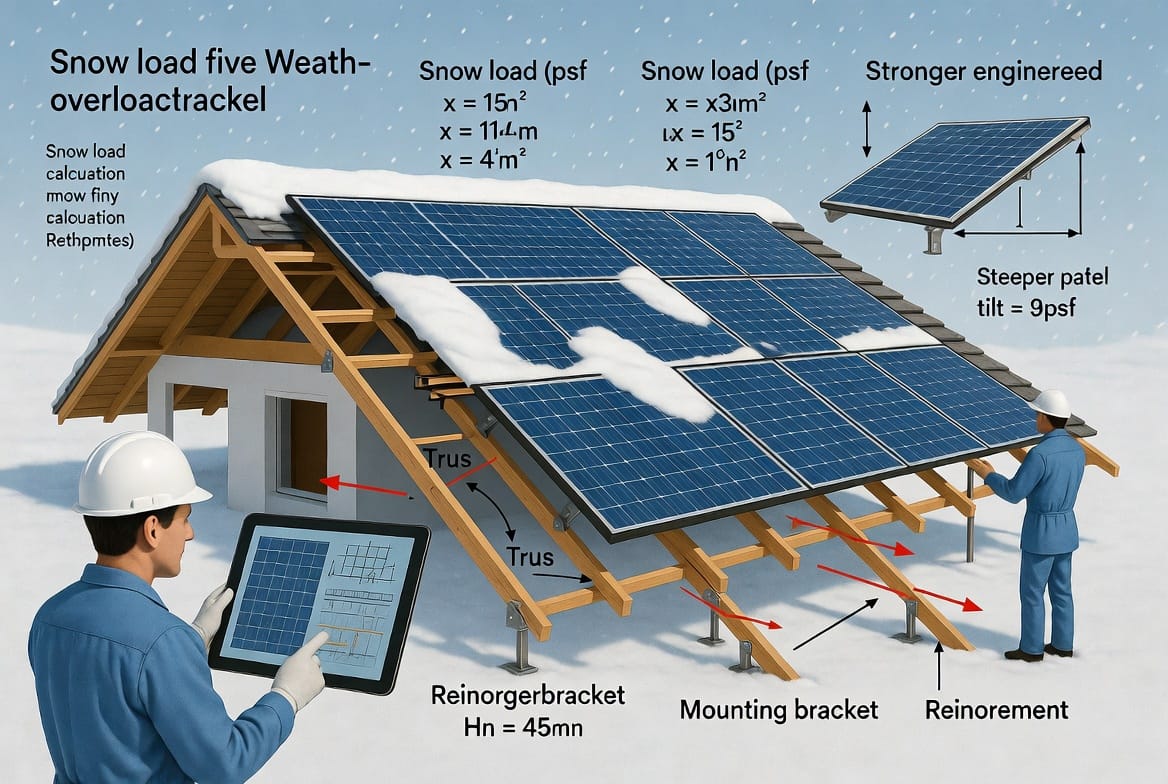
Mounting strength is the cornerstone of safe solar installations in heavy snow areas. Standard racking must be upgraded or specifically rated for high loads. Many systems use three-rail or enhanced support configurations to distribute weight more effectively and resist bending.
Engineered mounts incorporate:
- High-strength aluminum or steel components tested to exceed local code requirements.
- Adjustable tilt mechanisms allowing optimization for both energy production and snow shedding.
- Secure attachment points that transfer loads directly to robust roof trusses or additional reinforcements.
- Corrosion-resistant hardware built for long-term exposure to moisture and freeze-thaw cycles.
Professional structural engineers perform detailed calculations, often using software that models wind, snow, and seismic forces together. This ensures the entire system—roof, mounts, and panels—works in harmony.
Assessing and Strengthening Your Roof Structure
Before installation, a thorough roof assessment is essential. Older homes may need truss upgrades, sistering of rafters, or additional support beams to handle extra loads. Focus areas include:
- Roof truss strength: Verifying spacing and capacity to support concentrated loads from panel mounts.
- Sheathing and decking integrity: Ensuring plywood or OSB can distribute forces without excessive deflection.
- Overall building condition: Checking for existing weaknesses like rot, poor ventilation, or prior modifications.
In heavy snow zones, experts recommend designing for the full combined load without relying on snow naturally sliding off immediately. However, strategic design choices can minimize accumulation.
The Role of Panel Tilt and Design in Snow Management
Panel tilt plays a critical dual role: optimizing sunlight capture while promoting snow shedding. Steeper angles (often 30-45 degrees or more in snowy climates) encourage snow to slide off more readily, reducing static load on the structure.
Benefits of optimized tilt include:
- Faster natural clearing after storms, restoring energy production quicker.
- Reduced risk of dangerous ice buildup or sudden slides.
- Better performance in winter when low sun angles benefit from increased tilt.
Designers balance this with aesthetic and energy considerations, sometimes incorporating snow guards or automated cleaning solutions for maximum reliability.
Navigating Local Building Codes and Permitting
Compliance with local building codes is non-negotiable. Authorities Having Jurisdiction (AHJs) require stamped engineering drawings that detail snow load calculations, mounting specifications, and structural reinforcements. Resources like ASCE 7 standards provide the framework, but site-specific data from snow load maps is crucial.
Steps for code-compliant installation:
- Consult local snow load maps and ground snow data (pg values).
- Engage a licensed structural engineer for custom calculations.
- Submit detailed plans showing dead loads, live loads, and drift considerations.
- Select certified mounting systems rated for your region's demands.
- Schedule inspections to verify work meets or exceeds requirements.
This process, while detailed, protects homeowners from liability and ensures long-term system safety and performance.
Maintenance and Long-Term Performance in Snowy Conditions
Ongoing maintenance ensures your system continues to meet structural and performance expectations. Regular inspections after major storms check for any shifts in mounting or unexpected accumulation. While panels are durable, proactive care maximizes their lifespan.
Practical maintenance tips:
- Visual inspections: Look for loose components or excessive deflection.
- Snow removal strategies: Use safe, non-abrasive methods when needed, avoiding damage to panels or roof.
- Monitoring systems: Track energy output to detect snow-related performance dips early.
- Professional servicing: Schedule annual checks by qualified technicians familiar with snow-region installations.
With proper care, solar systems in heavy snow areas often outperform expectations due to the reflective "albedo" effect of surrounding snow boosting winter production.
Common Myths and Realities
Many assume solar panels are incompatible with heavy snow, but reality shows otherwise. Modern systems are engineered precisely for these conditions. Panels are rated for significant loads (often 40-50+ psf or more), and proper mounting prevents issues. Another myth is that snow completely blocks production—partial coverage still allows generation, and cleared panels excel in cold, bright conditions.
Investing in quality engineering dispels these concerns and delivers substantial energy savings and environmental benefits.
Case Studies and Success Stories
Across North America, countless homeowners in states like Minnesota, Maine, Colorado, and upstate New York enjoy reliable solar power despite harsh winters. Engineered installations with reinforced roofs and optimized racking demonstrate resilience, with systems enduring record snowfalls while maintaining structural integrity and high energy yields. These examples reassure that, with the right expertise, solar is a smart choice anywhere.
Choosing the Right Professionals
Partner with experienced installers and engineers who specialize in snow-region solar projects. Look for certifications, proven track records, and a commitment to code compliance. They will guide you through assessments, custom designs, and high-quality component selection tailored to your property.
Conclusion: Build with Confidence for Winter Resilience
Embracing solar energy in heavy snow regions is entirely achievable when structural requirements and mounting strength take center stage. By understanding loads, optimizing designs, and working with qualified experts, you protect your roof, ensure safety, and secure long-term clean energy production.
Ensure your roof can handle snow plus panels. Our team is ready to help you achieve a safe, efficient, and powerful solar installation built to thrive in even the toughest winter conditions.
Safe Solar Installation in Snow Regions – Speak to Experts