The Solar Panel Glass Strength: Hail Rating and Impact Resistance
Solar panel glass strength plays a critical role in the long-term performance and reliability of any photovoltaic system. In an era of increasingly unpredictable weather patterns, understanding hail rating and impact resistance is essential for protecting your investment and ensuring consistent energy production for decades.
Get Hail-Resistant Solar Panels – Call Now!
Why Solar Panel Durability Matters More Than Ever
Modern solar installations face numerous environmental challenges, from heavy rain and snow to extreme winds and hailstorms. The glass covering on solar panels is not ordinary window glass — it is specially engineered tempered glass designed to withstand mechanical stress while maintaining optimal light transmission.
High-quality solar panels with superior glass strength provide peace of mind, particularly for homeowners and businesses in hail-prone regions. When you choose panels with proven impact resistance, you reduce the risk of microcracks, power loss, and expensive replacements.
Understanding Industry Hail Testing Standards
The solar industry relies on rigorous international testing protocols to verify panel durability. Two of the most important standards are IEC 61215 and UL 61730.
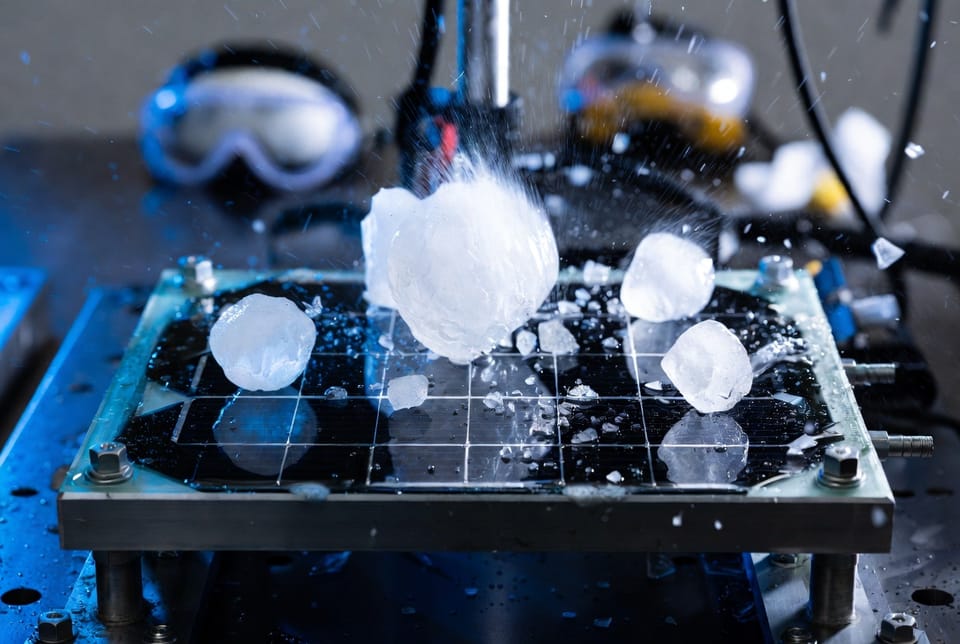
These tests simulate real-world hail impacts using spherical ice balls fired from pneumatic cannons at specific velocities. The standard procedure typically involves shooting 1-inch diameter ice balls at 50 mph (approximately 80 km/h) directly at multiple points across the panel surface, including edges and center areas.
Key aspects of hail testing include:
- Testing at various temperatures and conditions
- Multiple impact points across the entire module
- Post-impact electrical performance verification
- Visual inspection for cracks or delamination
Panels must pass these tests without significant performance degradation to receive certification. This scientific approach ensures that only truly durable products reach the market.
What Different Hail Rating Classes Mean
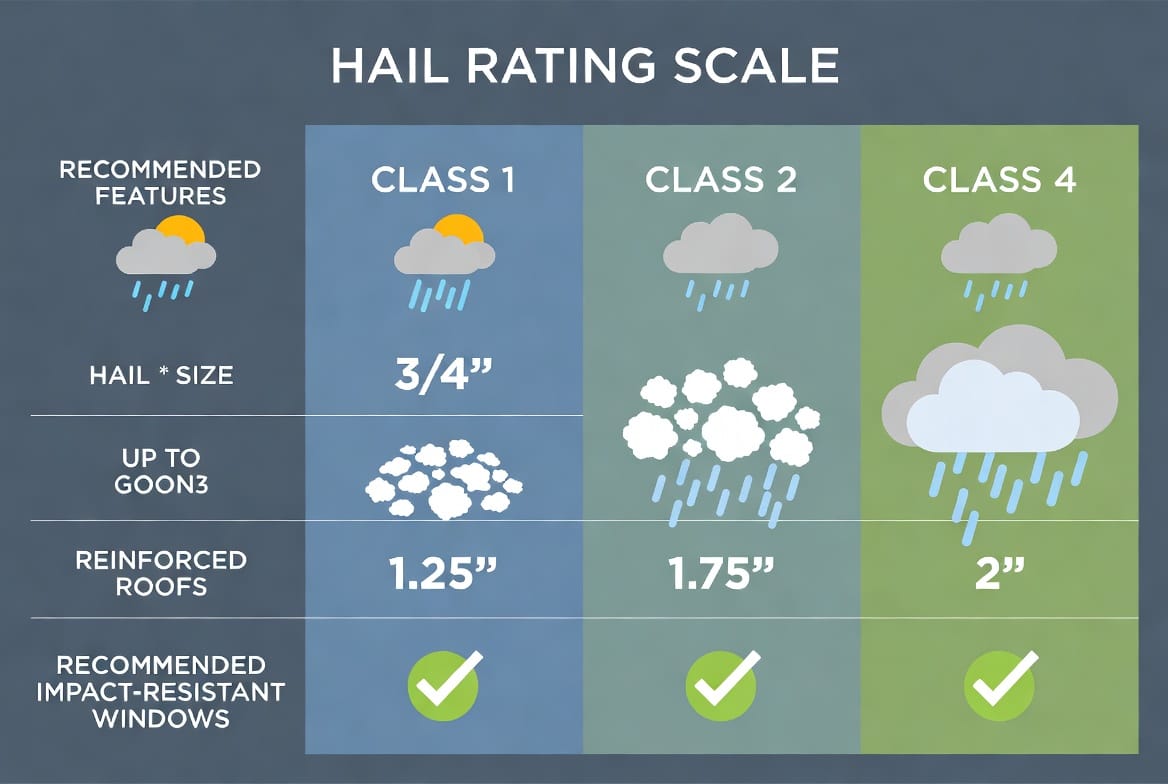
Hail ratings are classified based on the size of hailstones the panel can withstand. A Class 4 hail rating represents one of the highest levels of protection available for residential and commercial solar installations.
Hail Rating Classes Explained:
- Class 1: Basic protection against small hail (typically up to ¾ inch)
- Class 2-3: Moderate resistance suitable for many regions
- Class 4: Superior durability capable of withstanding 2-inch diameter hail at significant speeds
A Class 4 rated panel offers exceptional protection in storm-prone areas where larger hail is more common. These panels undergo more severe testing protocols, making them ideal for regions with frequent severe weather.
When evaluating specifications, look for clear mention of hail resistance ratings in the manufacturer's technical datasheet. Reputable companies provide detailed information about the exact testing conditions and results.
How Solar Panel Glass Achieves Superior Impact Resistance
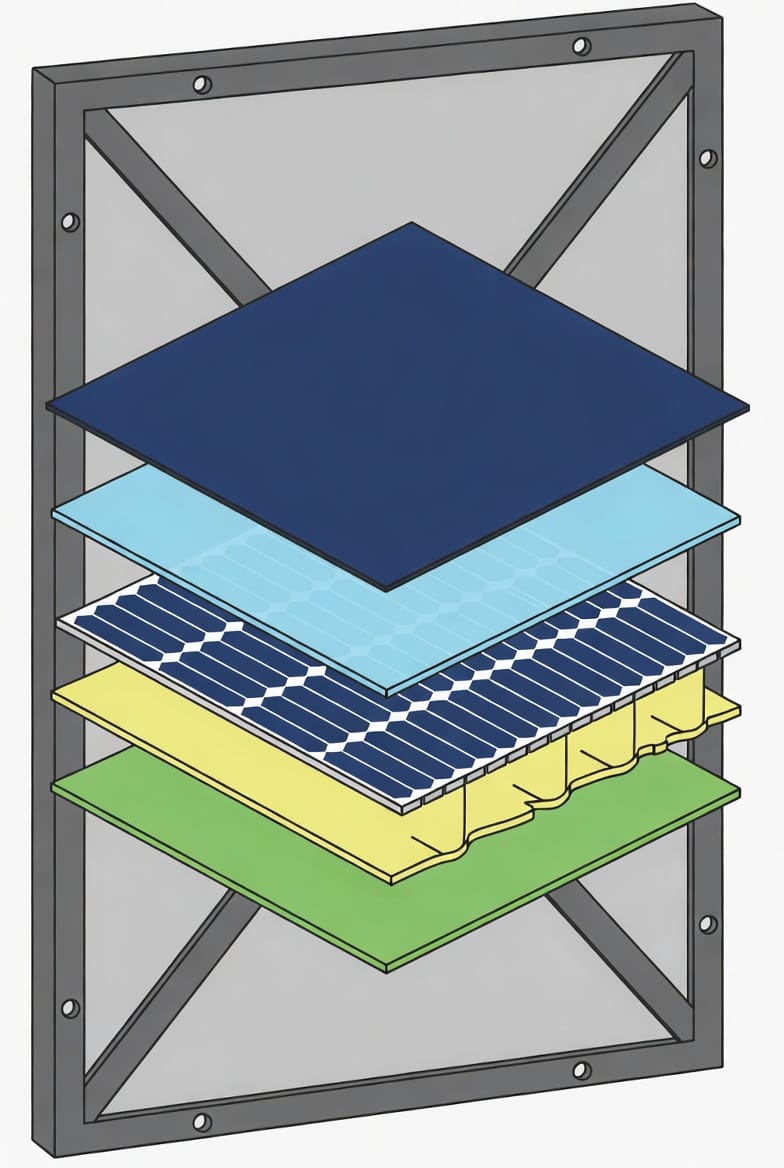
The strength of solar panel glass comes from advanced manufacturing processes and material science. High-transmission tempered glass undergoes special heat treatment that creates compressive stress on the surface, making it significantly stronger than standard glass.
Advanced features in premium solar panels include:
- Thicker glass layers (typically 3.2mm or more)
- Anti-reflective coatings that also enhance durability
- Multi-layer encapsulation that helps absorb and distribute impact energy
- Reinforced framing systems that provide additional structural support
These engineering solutions work together to protect the sensitive solar cells beneath the glass surface. Even if the glass experiences minor surface impacts, the underlying components often remain fully functional.
Real-World Performance in Storm Conditions
Solar panels with excellent hail ratings have demonstrated remarkable resilience in actual weather events. Many systems continue producing power efficiently even after experiencing significant hailstorms that damaged other property like roofs, vehicles, and windows.
This durability translates directly to better long-term financial returns. Panels that maintain their performance avoid costly downtime and premature replacement expenses.
Benefits of choosing high hail-rated panels:
- Reduced risk of warranty claims due to weather damage
- More consistent energy production over 25+ years
- Higher resale value for properties with solar installations
- Greater insurance approval likelihood
How to Check Impact Resistance Specifications
When comparing solar panels, always review the technical specifications carefully. Look for specific hail rating classifications and detailed test reports from accredited laboratories.
Important details to verify:
- Exact hail size and velocity the panel is rated for
- Testing standard compliance (IEC 61215, UL 61730)
- Maximum impact energy absorption
- Manufacturer's warranty coverage for hail damage
Don't hesitate to ask installers for complete documentation. A trustworthy solar provider will gladly share detailed performance data and explain how different ratings apply to your specific location.
Choosing the Right Protection for Your Location
Geographic location significantly influences the level of impact resistance you need. Areas with documented history of large hail require higher-rated panels for optimal protection.
Consider factors such as:
- Local weather patterns and historical hail data
- Roof orientation and exposure
- Budget considerations versus long-term durability
- Available warranty terms
Professional solar installers can help assess your specific risk profile and recommend panels with appropriate glass strength and hail ratings.
The Bottom Line: Invest in Proven Durability
Selecting solar panels with strong glass and verified hail resistance is one of the smartest decisions you can make for your renewable energy system. These panels are engineered to handle nature's toughest challenges while delivering reliable clean power year after year.
Choose panels that can take a hit. When planning your solar installation, always ask about hail ratings and impact resistance specifications.
For expert guidance on selecting the most durable solar panels for your needs, contact our team at (855) 321-3587. Our specialists understand regional weather challenges and can help you choose equipment that will stand strong against whatever nature delivers.
Protect your investment with solar panels built to last. The right choice today means reliable energy and peace of mind for decades to come.
Protect Your Solar Investment from Hail – Call Now