The Solar Panel Fire Safety: Mitigating DC Arc Fault Risks
Solar energy continues to transform homes and businesses with clean, reliable power. Yet safety remains the top priority for every installation. Homeowners and businesses often ask about solar panel fire safety and specifically DC arc fault risks. The good news? With today’s technology and proven practices, these risks are minimal and fully manageable. This article explores the science behind DC arc faults, how modern standards protect you, and the exact steps that keep your solar system fire-safe for decades.
Protect Your Solar System from Arc Fault Risks – Call Today
Understanding the potential hazards empowers informed decisions. DC arc faults represent one of the most discussed concerns in photovoltaic systems. Unlike household AC circuits, solar arrays operate at high direct-current voltages. When connections loosen or insulation degrades, electricity can jump across gaps, creating intense heat and sparks capable of igniting nearby materials. Rest assured, these events are rare when systems follow current codes and professional installation protocols.
What Are DC Arc Faults and Why Do They Matter?
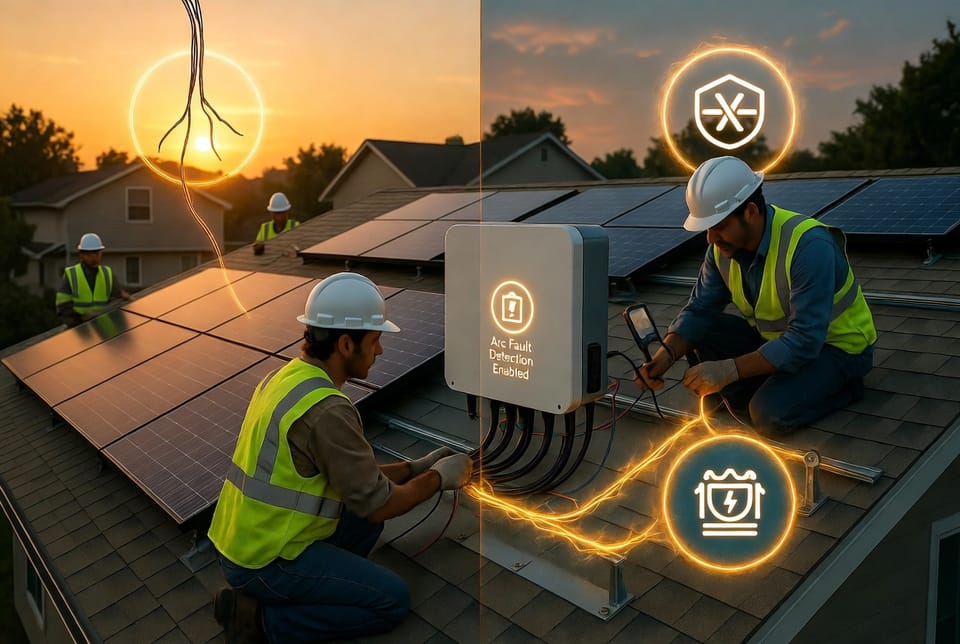
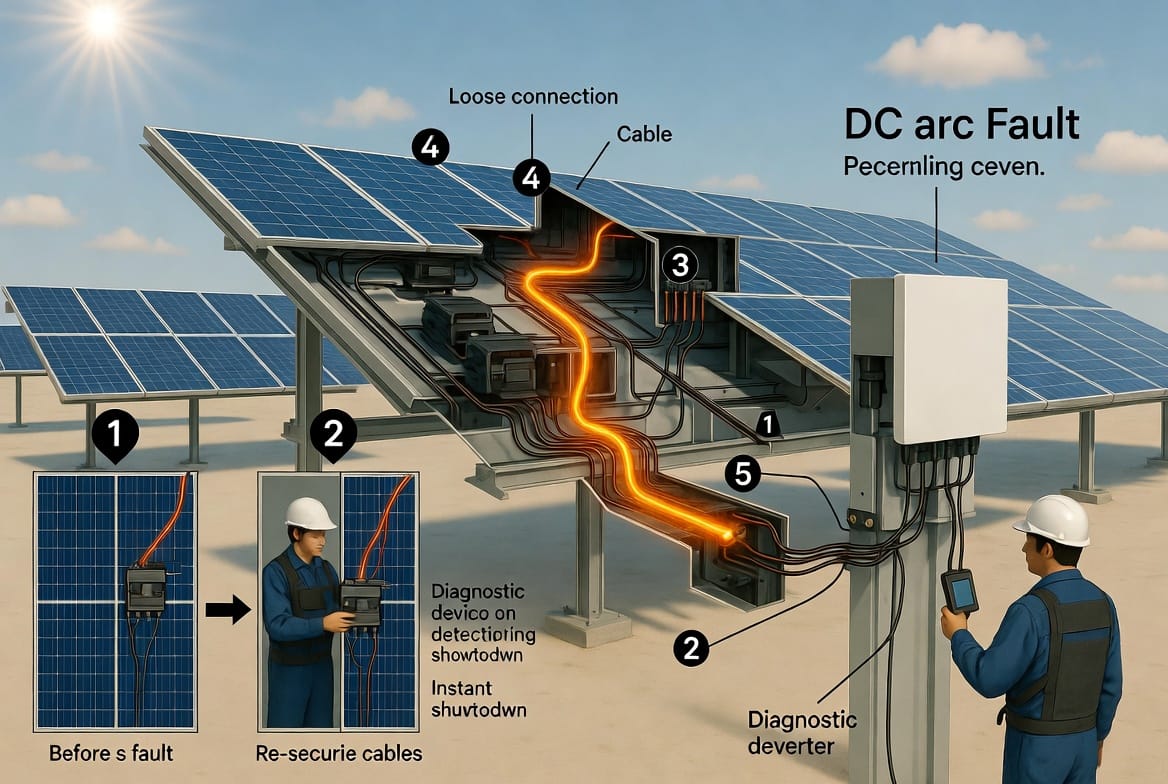
DC arc faults occur when direct current escapes its intended path and sustains an electrical arc. The arc generates temperatures exceeding 5,000°F, hot enough to melt metal or start fires. In a solar system, this can happen anywhere along the DC wiring between panels and the inverter.
The reassuring reality is that arc fault detection technology now monitors circuits continuously. Inverters equipped with this capability sense the unique electrical signature of an arc and shut down the system within milliseconds. This rapid response prevents escalation and protects your property.
Modern solar installations incorporate multiple layers of protection. From high-quality components to rigorous testing, every element works together to deliver peace of mind. Professional installers who stay current with National Electrical Code requirements ensure your system meets or exceeds the latest fire safety standards.
Common Causes of DC Arc Faults in Solar Installations
Several preventable factors can lead to DC arc faults. Recognizing them helps you appreciate why expert installation matters:
- Loose connections – Vibration, thermal expansion, or improper torque during installation creates gaps where arcing begins.
- Damaged wiring – Rodents, weather exposure, or physical abrasion can compromise insulation over time.
- Poor-quality components – Substandard connectors or cables degrade faster and increase risk.
- Installation errors – Incorrect routing, insufficient strain relief, or missing grounding create hidden vulnerabilities.
- Aging systems – Even well-built arrays need periodic inspection after 10–15 years of service.
These causes are not inevitable. Certified installers use torque tools, weatherproof enclosures, and high-grade materials to eliminate them from day one. When you choose experienced professionals, DC arc fault risks drop dramatically.
How Modern Building Codes Address Fire Risks
Current electrical codes, particularly NEC Section 690.11, mandate arc fault detection for all new PV systems. These requirements evolved from extensive testing and real-world data. Inverters must now include built-in DC arc fault circuit interrupters (AFCIs) that automatically interrupt power when an arc is detected.
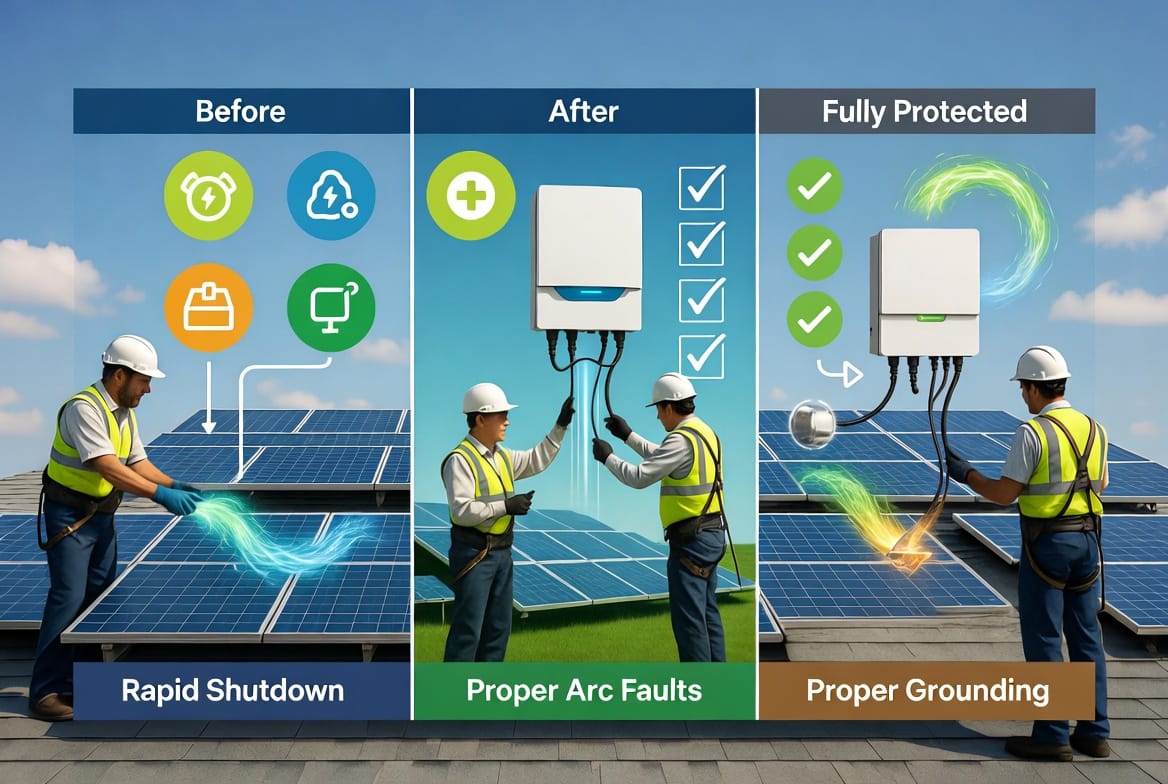
Additional code provisions require rapid shutdown capabilities. In an emergency, first responders or homeowners can de-energize the entire array from a single switch, reducing voltage to safe levels within seconds. Proper grounding further dissipates stray currents and prevents arcs from forming.
These standards exist for one reason: to make solar safer than traditional energy sources. Installations completed today comply with the strictest fire safety regulations ever written. When your system meets these codes, you benefit from layered protection that industry experts have refined over years of innovation.
Proven Safe Installation Practices to Minimize Risks
The best defense against solar panel fire safety concerns lies in meticulous installation. Here are the essential practices every reputable installer follows:
- Use only UL-listed components rated for outdoor DC use.
- Apply correct torque specifications to every connector and terminal.
- Route cables through protective conduit and maintain proper separation from roof materials.
- Install arc fault detection directly at the inverter or combiner box.
- Verify proper grounding of all metallic parts and panels.
- Incorporate rapid shutdown devices at the array level.
- Perform comprehensive post-installation testing with specialized diagnostic equipment.
- Provide homeowners with clear maintenance schedules and emergency procedures.
These steps transform potential vulnerabilities into strengths. Professional teams document every connection and test results, creating a permanent safety record for your system.
The Role of Advanced Detection Technology
Today’s inverters do far more than convert DC to AC. They serve as intelligent safety hubs. Arc fault detection circuitry analyzes electrical waveforms thousands of times per second. When it identifies the irregular pattern of an arc, the system isolates the affected circuit instantly.
Combined with rapid shutdown and ground-fault protection, these features create a comprehensive safety net. Even in extreme conditions—high winds, hail, or prolonged heat—the system remains vigilant. Manufacturers continue to improve sensitivity while reducing false alarms, ensuring reliable performance year after year.
Maintenance and Ongoing Safety
Safe solar systems require minimal but consistent attention. Annual inspections by certified technicians catch loose connections before they become hazards. Visual checks for damaged wiring, debris buildup, or animal activity add another layer of protection.
Many modern inverters include remote monitoring apps that alert owners and installers to performance anomalies. This proactive approach means issues are resolved long before they affect safety or production. With proper care, your solar investment delivers clean energy safely for 25 years or more.
Why Professional Installation Makes All the Difference
DIY or unqualified installations often overlook critical safety details. Certified professionals understand code nuances, use calibrated tools, and stand behind their work with warranties. They also guide you through permitting and inspections, ensuring full compliance.
Choosing the right installer means more than just quality panels—it means complete peace of mind. Their expertise directly mitigates DC arc fault risks and upholds the highest solar panel fire safety standards.
Safe Solar Is the Smart Choice
Solar power offers unmatched environmental and financial benefits. By prioritizing fire safety through code-compliant design, advanced detection, and expert installation, you eliminate unnecessary worry. The technology exists today to make solar systems among the safest electrical installations in your home.
Safe solar requires proper installation. Ask about safety certifications and how our team builds fire-resistant systems from day one.
Safe Solar Installation Starts Here – Call Now for Expert Advice