The Solar Panel Efficiency Race: Understanding Cell Technology and Real-World Performance
Solar panel efficiency isn’t just a lab number — it’s the key to how much clean energy your roof actually produces and how quickly you see savings on your electricity bill. In today’s competitive solar market, homeowners face a clear choice: chase maximum output with premium technology or balance performance with budget. This guide breaks down the efficiency race between monocrystalline, polycrystalline, and thin-film cell technologies, explains what those ratings really mean in everyday use, and equips you with the knowledge to make the smartest decision for your home.
Find Your Best Solar Panel Technology Today – Call Now
You can feel confident knowing that the right panel technology will deliver reliable, long-term performance tailored to your roof, location, and energy goals. Let’s explore how these different cell types stack up and what truly matters when the sun hits your panels day after day.
What Solar Panel Efficiency Ratings Actually Mean
Efficiency measures the percentage of sunlight that a solar panel converts into usable electricity under Standard Test Conditions (STC): 1,000 watts per square meter of light, a cell temperature of 25°C (77°F), and a specific air mass. A 20% efficient panel turns 20% of the sunlight striking its surface into power.
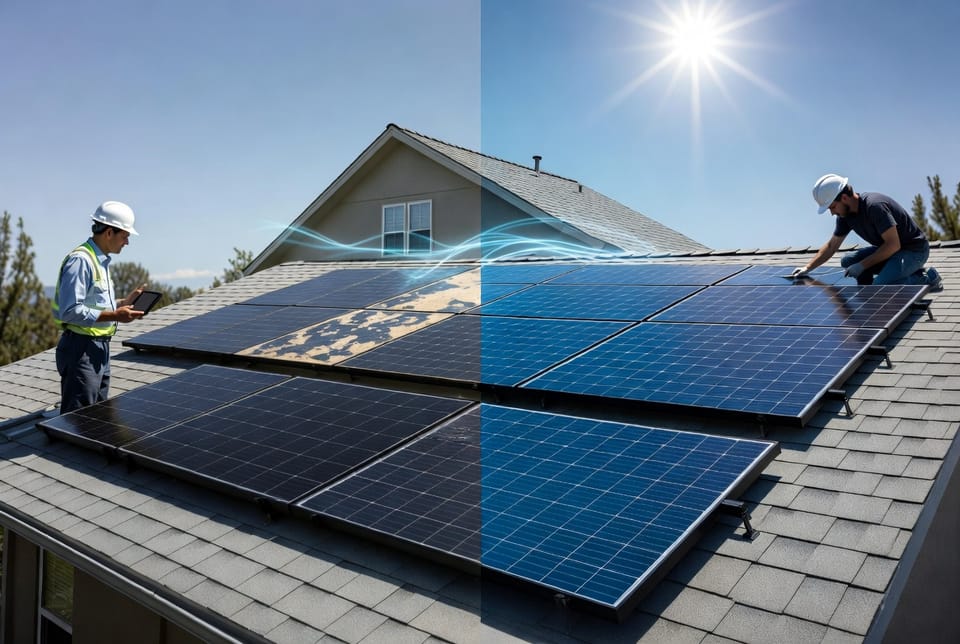
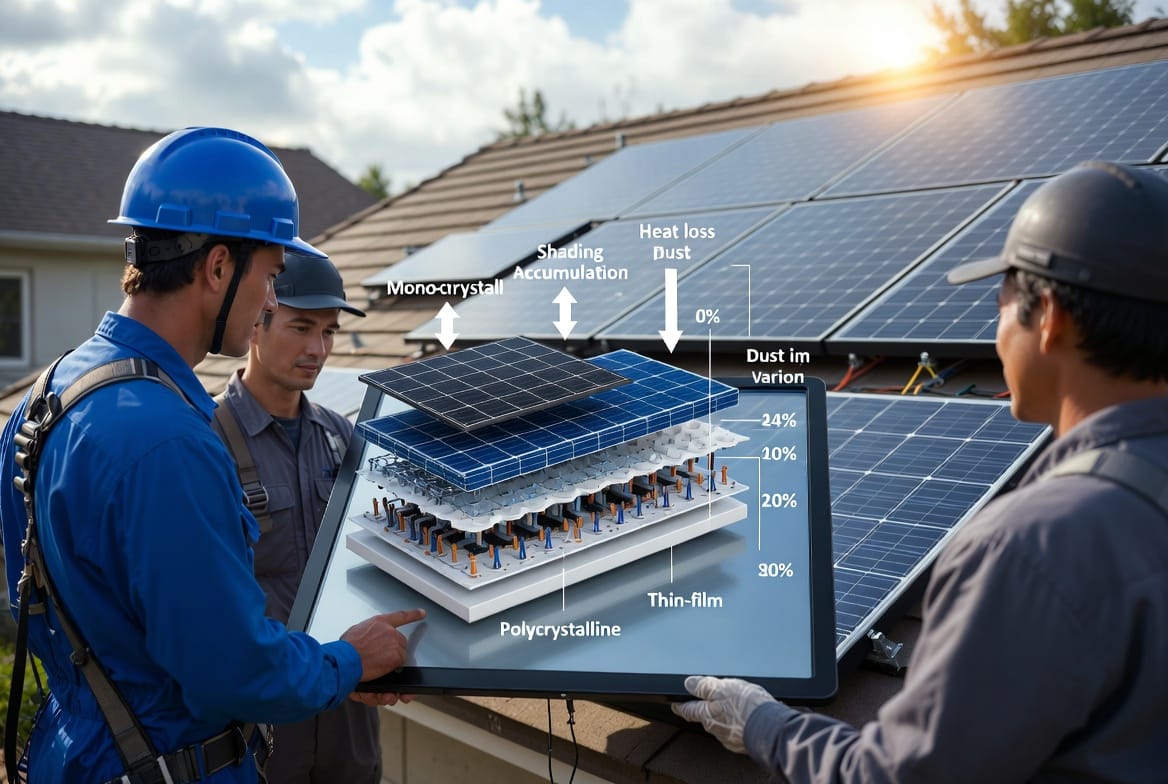
Lab ratings provide a useful benchmark, yet real-world performance is almost always lower. Factors such as roof orientation, local weather patterns, shading from trees or chimneys, dust buildup, and rising panel temperatures all reduce output. A high-efficiency panel in ideal conditions may deliver 85–95% of its rated performance over the course of a year in most U.S. climates.
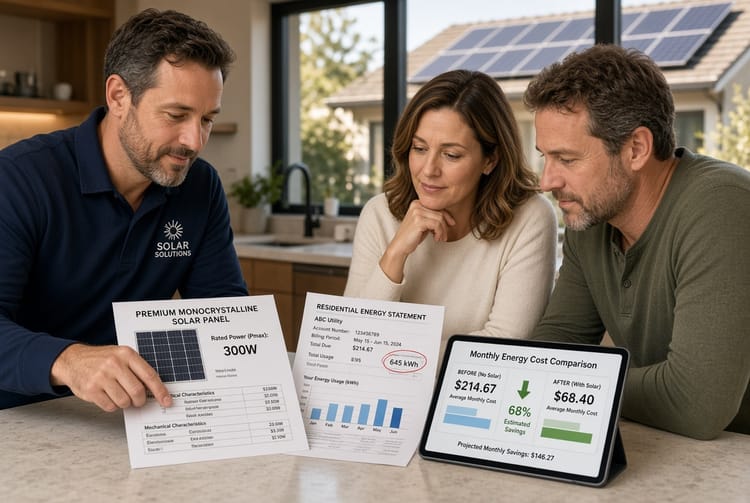
Why efficiency matters to you: Higher-efficiency panels produce more power from the same roof space, which is critical if your roof area is limited or if you want to maximize energy independence. They also tend to pay for themselves faster through greater electricity bill reductions and higher home value. Rest assured, modern panels from reputable manufacturers maintain strong performance for 25–30 years, with warranties guaranteeing at least 80–90% output after two decades.
- Key real-world efficiency drivers:
- Temperature: Panels lose roughly 0.3–0.5% efficiency per degree Celsius above 25°C.
- Shading: Even partial shade on one cell can cut an entire string’s output dramatically.
- Soiling: Dust, pollen, and bird droppings reduce light absorption by up to 20% if not cleaned regularly.
- Angle and orientation: South-facing roofs at the correct tilt capture the most annual energy in the United States.
Understanding these variables helps you set realistic expectations and choose technology that performs best where you live.
Monocrystalline Solar Panels: The High-Efficiency Champion
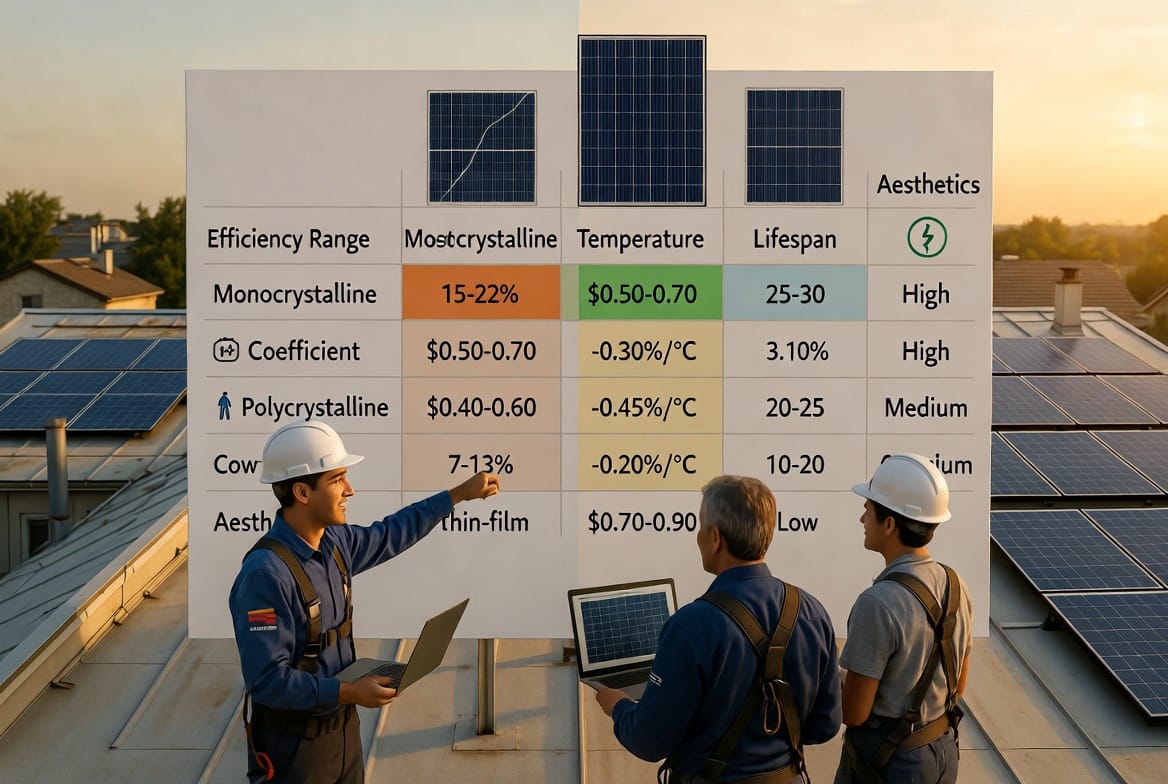
Monocrystalline panels lead the efficiency race because they are manufactured from a single, continuous crystal of pure silicon. The result is a uniform black appearance, excellent electron flow, and industry-leading conversion rates that typically range from 15% to 22% under STC.
These panels shine in space-constrained installations. A smaller number of higher-efficiency monocrystalline panels can generate the same power that would require many more lower-efficiency units, freeing up roof area for future needs or simply delivering a cleaner aesthetic. They also perform better in low-light conditions such as early morning, late afternoon, or cloudy days — a big advantage across many U.S. regions that experience variable weather.
Homeowners often choose monocrystalline when maximum energy harvest and long-term savings are the priority. The slightly higher upfront cost is offset by greater lifetime production and faster return on investment.
Advantages of monocrystalline panels:
- Highest efficiency ratings (15–22%)
- Superior low-light performance
- Space-efficient design
- Sleek, all-black appearance that blends with most roofs
- Strong temperature performance with modern PERC and half-cut cell designs
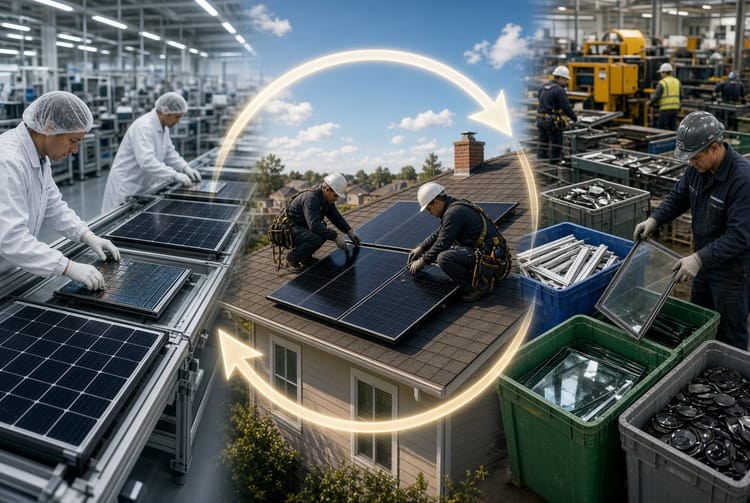
Considerations: Higher initial cost per watt and slightly more waste during manufacturing, though recycling programs continue to improve.
With proper installation by trained professionals, monocrystalline systems routinely exceed homeowner expectations for both performance and durability.
Polycrystalline Solar Panels: Reliable Budget-Friendly Power
Polycrystalline panels are made by melting multiple silicon fragments together, creating a distinctive blue, speckled look. Their efficiency typically falls between 13% and 16% under STC — lower than monocrystalline but still highly effective for the price.
These panels remain a smart choice for larger roofs where space is not a limitation. The lower manufacturing cost makes them attractive for budget-conscious homeowners who still want proven silicon technology and solid long-term performance.
Polycrystalline panels have improved significantly in recent years with better anti-reflective coatings and stronger frames. They deliver dependable energy production in sunny climates and offer an excellent balance of cost and output for many average-sized U.S. homes.
Advantages of polycrystalline panels:
- Lower cost per watt
- Proven reliability with 25-year warranties
- Good performance in moderate temperatures
- Widely available and easy to install
Considerations: Slightly lower efficiency means more panels (and more roof space) may be required to reach the same system size. The blue color may not appeal to every homeowner seeking a uniform black roofline.
When your roof has ample unshaded space and budget is a primary concern, polycrystalline panels provide trustworthy performance without compromise.
Thin-Film Solar Panels: Flexible and Versatile Performance
Thin-film technology deposits a thin layer of photovoltaic material (such as cadmium telluride, copper indium gallium selenide, or amorphous silicon) onto glass, plastic, or metal. These panels achieve efficiencies between 7% and 13% — lower than crystalline silicon — but offer unique advantages in specific applications.
Their lightweight and flexible design makes them ideal for curved surfaces, metal roofs, or installations where weight is a concern. Thin-film panels also perform better in high-temperature conditions and diffuse light, maintaining more consistent output when the sun is not directly overhead.
While they require more surface area to produce the same power, their lower cost per square foot and excellent high-heat tolerance can make them the right solution for certain commercial or residential projects in hotter U.S. climates.
Advantages of thin-film panels:
- Flexible and lightweight construction
- Superior performance in high temperatures
- Better response to diffuse or indirect sunlight
- Potentially lower overall system cost in suitable applications
Considerations: Lower efficiency requires larger roof coverage, and some chemistries have shorter warranted lifespans or specific disposal requirements.
Real-World Performance: Moving Beyond Laboratory Numbers
Laboratory efficiency tells only part of the story. Real-world output depends on how well the chosen technology handles your local conditions. Modern panels from leading manufacturers include advanced features such as half-cut cells, PERC technology, and bifacial designs that help close the gap between lab ratings and daily production.
Temperature is one of the largest real-world variables. As panels heat up — which they do quickly on a sunny roof — efficiency drops. Monocrystalline and polycrystalline panels typically have a temperature coefficient of -0.3% to -0.5% per °C, while certain thin-film types lose less power in extreme heat.
Shading, even on a single cell, can reduce string output by 30% or more unless microinverters or optimizers are used. Regular cleaning and proper array design minimize soiling losses. Orientation and tilt also play critical roles: a south-facing roof at a tilt equal to your latitude often captures the most annual energy.
Degradation over time is minimal — high-quality panels lose only about 0.5% of output per year, meaning a 25-year-old system still produces roughly 85–90% of its original power.
Proven strategies to maximize real-world performance:
- Use module-level power electronics (microinverters or optimizers) to reduce shading impact.
- Schedule professional cleaning twice per year in dusty or pollen-heavy areas.
- Select panels with strong warranties and low temperature coefficients.
- Work with experienced installers who model your exact roof conditions using industry-standard software.
When you choose the right cell technology and pair it with quality installation, you can confidently expect 90% or more of the rated annual energy production in most U.S. locations.
Choosing the Right Panel Technology for Your Roof
Every roof and every homeowner’s situation is different. A smaller urban roof with limited space often benefits most from high-efficiency monocrystalline panels. Larger suburban roofs with ample unshaded area may achieve excellent economics with cost-effective polycrystalline technology. Unique roof shapes, metal surfaces, or weight restrictions can make flexible thin-film the ideal solution.
Consider your local climate, electricity rates, available incentives, and long-term energy needs. A professional solar assessment will model all three technologies against your specific roof and usage patterns, ensuring you receive the best possible return on investment.
The Bottom Line: Efficiency, Performance, and Peace of Mind
The solar panel efficiency race continues to advance, yet the best choice for you comes down to matching cell technology to your roof, budget, and energy goals. Whether you select premium monocrystalline for maximum output, reliable polycrystalline for balanced value, or versatile thin-film for specialized applications, today’s panels deliver impressive real-world results when properly specified and installed.
You deserve a solar system that works efficiently for decades, reduces your carbon footprint, and provides predictable monthly savings. Understanding the differences between cell technologies empowers you to make an informed decision with complete confidence.
Choose the right panel technology for your roof. Our experts are ready to evaluate your home and design a system that meets your exact needs for performance, reliability, and long-term value.
Maximize Your Solar Savings – Call for a Free Consultation