The Solar Panel Durability: Hail, Wind, and Snow Ratings
Solar energy systems represent a long-term investment in clean power and energy independence. Yet the true value of that investment depends heavily on how well the panels withstand the forces of nature. Hail, high winds, and heavy snow can challenge even the most advanced photovoltaic modules. Understanding solar panel durability ratings gives homeowners and businesses the confidence to select equipment that performs reliably for decades. This guide explains the key performance standards, what each rating actually means, and how to interpret the specifications so you can choose panels built for your local climate.
Check Hail, Wind & Snow Ratings – Call Today!
Why Durability Ratings Matter for Long-Term Performance
Every solar installation faces unique environmental stresses. A panel that thrives in a mild coastal region may struggle under intense Midwest hailstorms or heavy Rocky Mountain snowpacks. Manufacturers subject modules to controlled laboratory tests that replicate these extremes. The resulting hail rating, wind rating, and snow load rating appear on product data sheets and certification labels. These numbers are not marketing claims; they are measurable thresholds backed by internationally recognized testing protocols.
Selecting panels with appropriate ratings reduces the risk of physical damage, protects system output, and supports warranty claims should extreme weather occur. When you know what the ratings mean, you can match the product to your site conditions with precision and peace of mind.
Understanding Hail Ratings in Detail
Hail is one of the most sudden and potentially destructive weather events for rooftop and ground-mounted arrays. A hail rating quantifies a panel’s ability to absorb impact without cracking the glass, damaging the cells, or compromising the encapsulant.
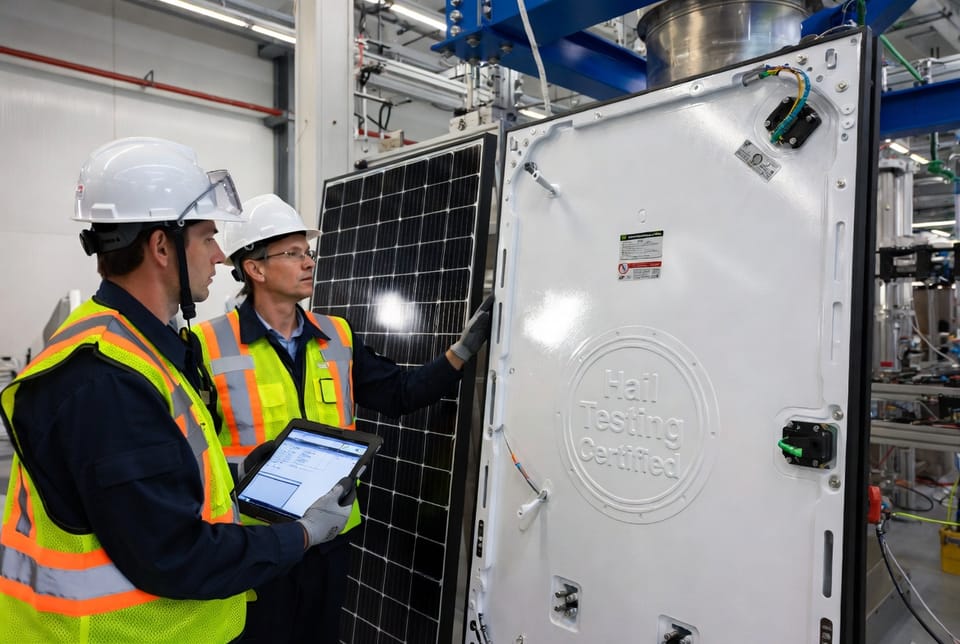
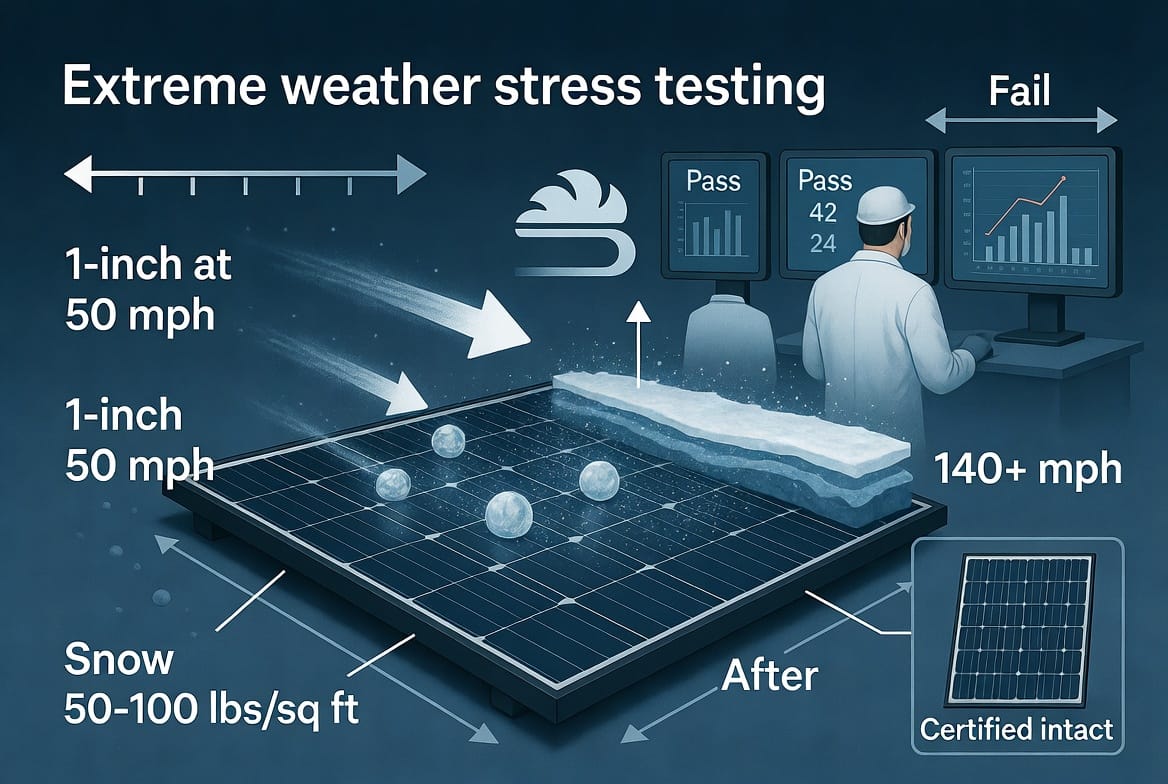
The industry standard hail test uses frozen ice balls of a defined size launched at a specific velocity. For most premium modules, the baseline requirement is 1-inch ice balls traveling at 50 mph. During the test, multiple impacts strike the panel surface at various angles. Afterward, engineers inspect the glass for fractures, measure electrical performance for any power loss, and verify that moisture barriers remain intact.
What should you look for in the specifications?
- Confirmation that the panel has passed the 1-inch / 50 mph impact protocol
- Any higher-level ratings (some manufacturers test with 1.25-inch or larger balls at greater speeds)
- Visual evidence of tempered glass thickness and anti-reflective coatings that enhance impact resistance
- Explicit mention of post-impact power retention, typically greater than 95 percent of original output
Panels that meet or exceed this threshold give owners reassurance that ordinary hail events will not interrupt energy production or require costly replacements. In regions with frequent spring and summer storms, requesting documentation of the exact ice-ball size and speed tested is a practical step toward long-term reliability.
Wind Ratings: Standing Firm Against Powerful Gusts
Wind exerts both positive pressure and negative uplift forces on solar arrays. Rooftop installations are particularly exposed because the panels act like sails. A robust wind rating indicates the maximum sustained wind speed the mounting system and module frame can safely endure without structural failure or detachment.
Leading panels and racking combinations are routinely certified for winds of 140 mph or higher. Testing involves placing the full assembly in large wind tunnels or applying mechanical loads that simulate extreme pressure differentials. Engineers measure deflection of the frame, integrity of the mounting clamps, and any movement of the glass laminate.
Key specification details to review include:
- The published maximum wind speed (look for figures of 140+ mph)
- Whether the rating applies to both the module itself and the recommended mounting hardware
- Safety factors built into the design, often 1.5 times the stated load
- Compatibility with local building codes that may demand higher thresholds in hurricane or tornado corridors
Choosing a system rated well above the historical peak wind speeds for your area provides an extra margin of safety. Installers can further enhance performance by using reinforced rails, additional attachment points, and aerodynamic edge designs that reduce uplift.
Snow Load Ratings: Supporting Winter Weight
In colder climates, accumulated snow creates a steady downward force that can stress frames, glass, and roof attachments. The snow load rating expresses the maximum weight per square foot the panel can support without permanent deformation or breakage.
Typical residential and commercial modules carry ratings between 50 and 100 lbs per square foot. Testing applies uniform pressure across the surface for extended periods, then evaluates structural integrity and electrical continuity. Higher-rated panels often feature thicker frames, dual glass construction, or reinforced backsheets that distribute weight more effectively.
When examining product literature, note the following:
- The exact snow-load figure (aim for the upper end of the 50–100 lbs/sq ft range if your region experiences deep winter accumulations)
- Whether the rating is for the module alone or includes the mounting system
- Any guidance on tilt angle, which influences how quickly snow slides off
- Certification that the panel retains full mechanical strength after repeated load cycles
Proper system design also considers roof capacity and snow-shedding strategies. Panels with strong snow ratings allow steeper tilt angles and smoother surfaces that encourage natural clearing, minimizing the need for manual removal and associated safety risks.
Core Performance Standards and Certifications
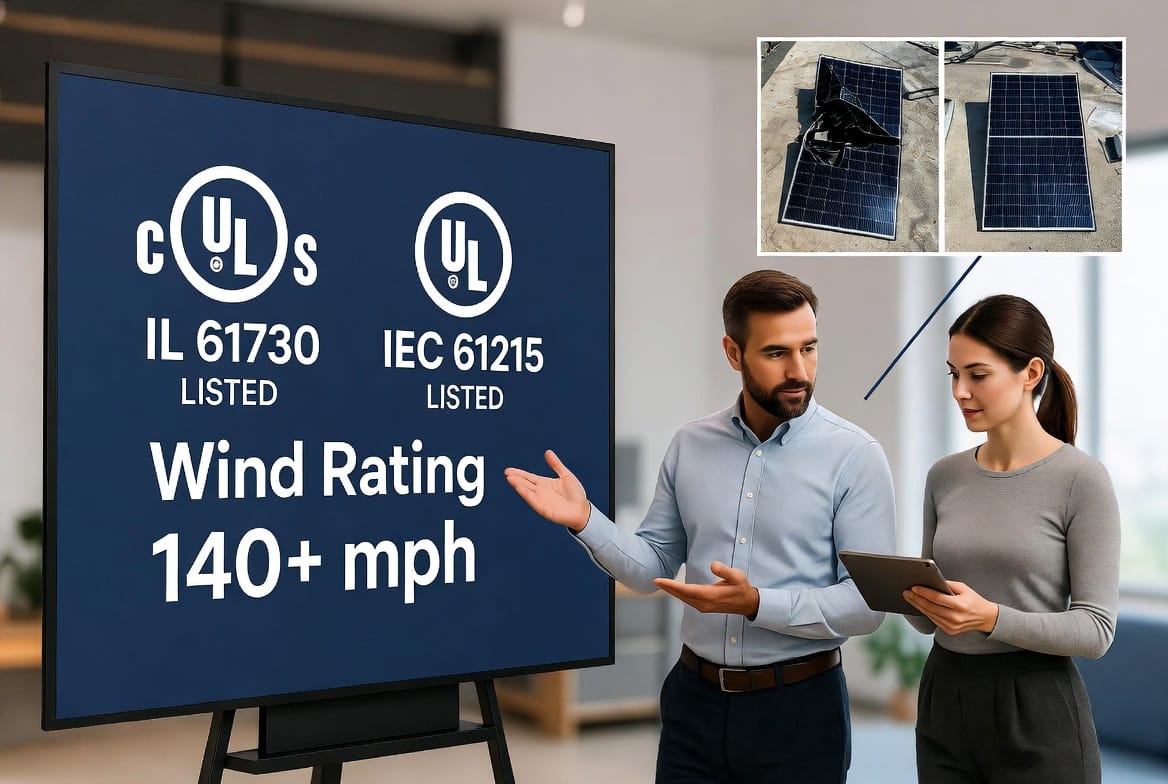
Independent laboratories validate durability claims through rigorous protocols. Two of the most widely recognized standards are UL 61730 and IEC 61215.
UL 61730 focuses on safety, covering construction requirements, electrical insulation, and fire resistance. It ensures that a panel will not create hazards under normal or fault conditions, including those induced by weather stress.
IEC 61215 addresses design qualification and type approval. It includes the specific hail-impact sequence, thermal cycling, humidity-freeze tests, and mechanical load evaluations that underpin the ratings discussed earlier. Modules that carry both certifications have demonstrated consistent performance across a broad range of environmental challenges.
Additional wind-specific ratings often appear alongside these core marks. Together they form a reliable checklist for quality.
What to verify on the data sheet or product label:
- Presence of UL 61730 and IEC 61215 marks
- Explicit hail, wind, and snow figures that align with the standards
- Third-party laboratory identification
- Manufacturing date and batch information for traceability
Panels bearing these certifications give owners documented proof that the product has survived the same forces it may encounter in the field.
How to Evaluate Specifications When Comparing Panels
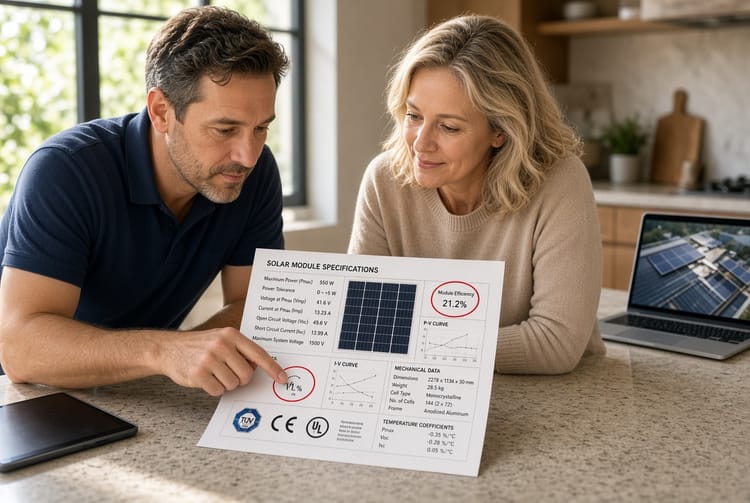
Data sheets can appear dense, yet a systematic approach makes comparison straightforward. Begin with the three core ratings:
- Locate the hail rating and confirm it meets or exceeds 1-inch ice balls at 50 mph.
- Check the wind rating and ensure it reaches 140 mph or higher, noting any site-specific mounting requirements.
- Review the snow load and select a value within or above the 50–100 lbs/sq ft range appropriate for your climate zone.
Next, cross-reference the certifications. Only proceed with products that list both UL 61730 and IEC 61215. Finally, examine the warranty language. Leading manufacturers link their performance guarantees to these durability tests, offering 25-year or longer coverage against power degradation and material defects.
Ask your installer for the full test reports rather than relying solely on marketing summaries. A transparent supplier will readily provide the documentation. This step transforms abstract numbers into concrete assurance that the panels will endure the weather patterns of your specific location.
Matching Ratings to Your Local Climate
Climate varies dramatically across regions. Coastal areas may prioritize wind resistance, while inland plains focus on hail protection, and northern zones emphasize snow capacity. A professional site assessment considers historical weather data, local building codes, and micro-climate factors such as elevation and exposure.
For example:
- High-hail-risk zones benefit from panels tested beyond the baseline 1-inch / 50 mph threshold.
- Hurricane or high-wind corridors demand systems rated well above 140 mph with enhanced mounting hardware.
- Heavy-snow regions require modules closer to the 100 lbs/sq ft end of the spectrum, paired with appropriate tilt and clearance.
By aligning the published ratings with actual site conditions, you maximize energy harvest and minimize maintenance. Durable panels also retain higher resale value and contribute to overall property resilience.
The Practical Advantages of Choosing High-Rated Panels
Beyond avoiding damage, strong durability ratings deliver everyday benefits. Panels that resist impact and load maintain consistent output, protecting the financial returns of your solar investment. They reduce the likelihood of insurance claims and the associated deductibles or premium increases. Installation teams appreciate working with robust modules because fewer on-site adjustments are needed and commissioning proceeds more smoothly.
Homeowners report greater peace of mind during severe weather seasons. Knowing the system has been engineered and certified for the forces it may face allows families and businesses to focus on the clean energy benefits rather than potential repairs. Over a 25- to 30-year service life, these advantages compound into measurable savings and uninterrupted performance.
Installation Best Practices That Support Durability
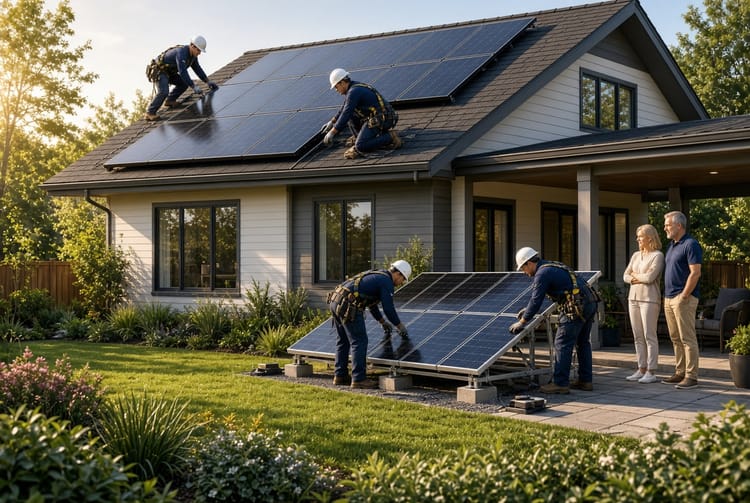
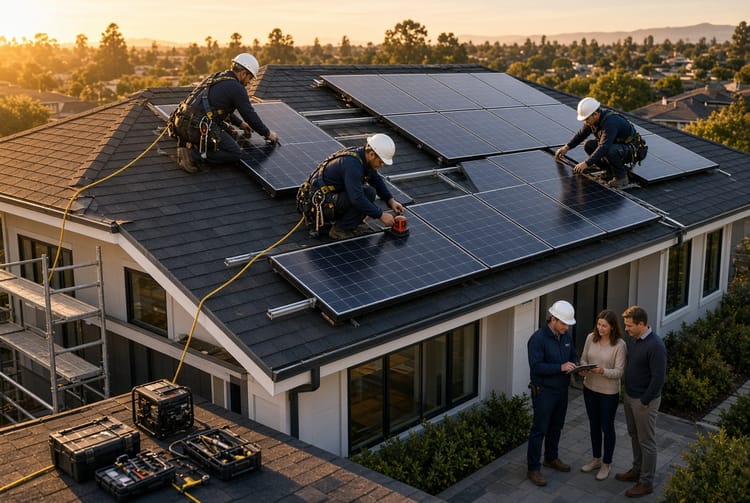
Even the highest-rated panels require correct installation to realize their full potential. Qualified teams follow manufacturer guidelines for torque specifications, rail spacing, and attachment density. They verify roof structural capacity before adding snow or wind loads. Proper grounding, wiring management, and weather-sealing further protect the system against secondary weather effects such as moisture intrusion.
Regular visual inspections after major storms help identify any rare issues early. Most modern panels need little more than occasional cleaning and monitoring through the system’s performance app. When ratings, certifications, and professional installation align, the result is a solar array that delivers reliable power through every season.
Making an Informed Decision for Your Project
Durability is not an abstract feature; it is a measurable set of performance thresholds that determine how well your solar investment will perform under real-world conditions. By understanding that a solid hail rating means survival against 1-inch ice balls at 50 mph, that a strong wind rating reaches 140+ mph, and that a practical snow load falls in the 50–100 lbs/sq ft range, you gain the knowledge needed to select panels with confidence.
Look for the UL 61730 and IEC 61215 certifications on every data sheet. Request the supporting test documentation. Discuss your local climate with experienced professionals who can translate the numbers into a customized recommendation.
Choose durable panels for your climate. A short conversation can confirm that the modules proposed for your roof or ground array carry the precise hail, wind, and snow ratings required for decades of dependable service. With the right specifications in place, your solar system becomes a resilient source of clean energy, ready to perform through whatever weather arrives.
Call Today for Climate-Ready Solar Panel Guidance