The Solar Panel Cleaning Frequency: How Dirt Affects Production and When to Clean
Maintaining solar panel cleaning frequency is one of the most important yet often overlooked aspects of owning a solar energy system. Homeowners and businesses invest significantly in solar technology expecting maximum returns, yet many are unaware of how quickly dirt, dust, pollen, and other debris can reduce performance. Understanding exactly when and how to clean your panels ensures you protect your investment and keep your system operating at peak capacity year after year.
Maximize Your Solar Output – Call for Professional Cleaning Today
In this comprehensive guide, we break down the science behind soiling, quantify the real impact on energy production, identify the key factors that determine your ideal cleaning schedule, and share safe, proven methods that deliver results without risking damage. Whether you manage a residential rooftop array or a large commercial installation, these insights will help you make informed maintenance decisions that maximize output and longevity.
Understanding Soiling: What Happens When Dirt Builds Up on Solar Panels
Soiling refers to the accumulation of dust, dirt, pollen, bird droppings, leaves, and atmospheric pollutants on the glass surface of solar modules. Even a thin layer acts like a barrier, preventing sunlight from reaching the photovoltaic cells that convert light into electricity.
This is not merely an aesthetic issue. Soiling directly interferes with the photoelectric effect, reducing the amount of photons that generate electrical current. Over time, uneven soiling can also create hot spots that accelerate panel degradation. Professional solar experts consistently observe that regular attention to solar panel cleaning frequency prevents these problems before they compound.
How Dirt Accumulation Causes Significant Energy Losses
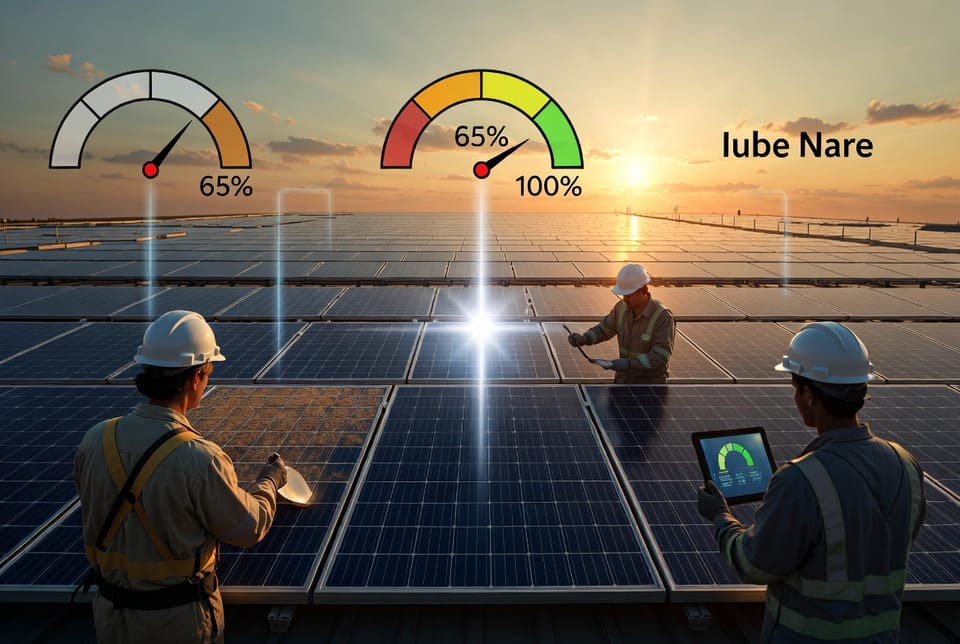
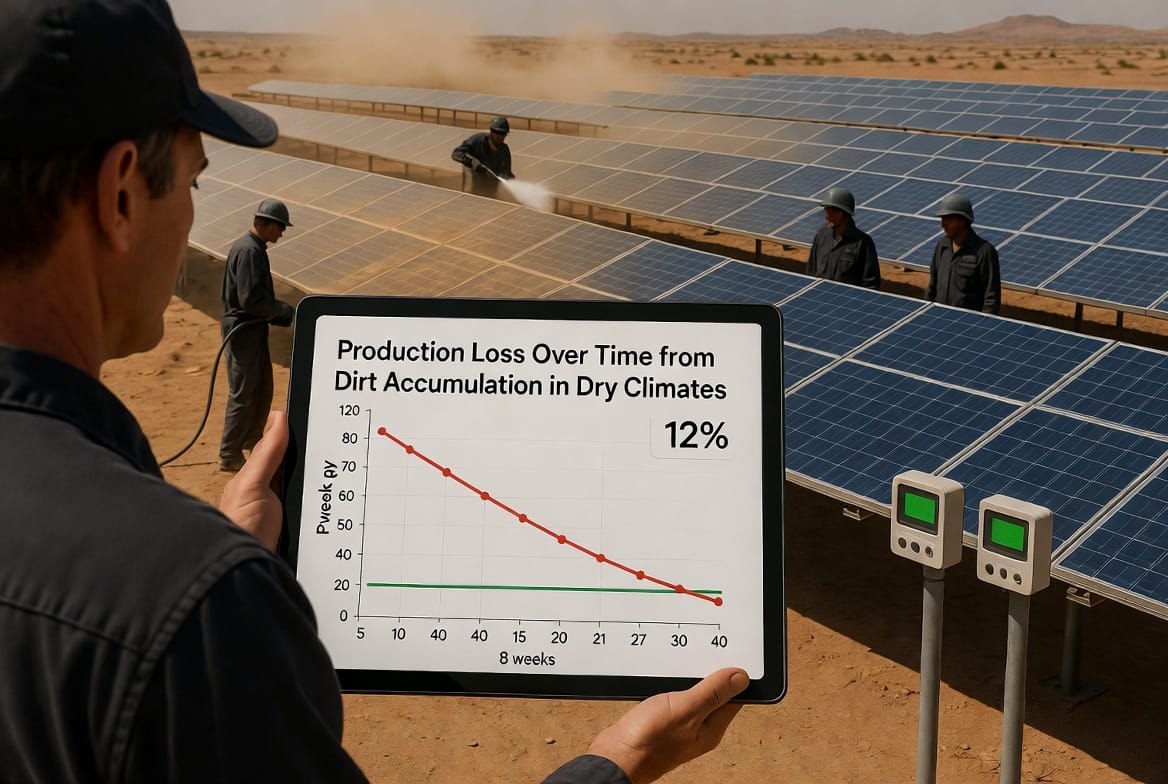
Research and field data confirm that soiling can reduce energy production by 5-15% annually, with losses climbing even higher in certain environments. In dry, dusty regions, monthly losses may reach 1-2% if panels remain uncleaned, compounding quickly over a season.
The mechanism is straightforward yet powerful: dirt scatters and absorbs incoming sunlight. A layer as thin as 0.1 millimeters can block up to 10% of available irradiance. In extreme cases — such as after prolonged dry spells or pollen seasons — production drops can exceed 20% until the next rainfall or professional cleaning.
These losses translate directly to higher electricity bills and longer payback periods on your solar investment. Bold action on solar panel cleaning frequency restores full output almost immediately, often within hours of proper maintenance. Homeowners who maintain consistent schedules routinely report recovering the full 5-15% that would otherwise be lost to soiling.
Key Factors That Determine Your Optimal Cleaning Frequency
No single schedule fits every installation. Cleaning frequency depends on several environmental and site-specific variables. Understanding these helps you create a tailored plan that balances effort with results.
- Rainfall patterns: In areas with frequent rain, natural precipitation often provides sufficient rinsing. However, light showers may spread contaminants rather than remove them, sometimes requiring follow-up cleaning.
- Dust and pollen levels: Arid climates, agricultural regions, and areas near construction sites experience rapid dust buildup. Spring pollen seasons can coat panels in a fine yellow layer within days.
- Geographic location: Coastal installations face salt spray, while urban rooftops collect smog and particulate matter. Desert or high-wind areas see accelerated accumulation.
- Panel tilt and orientation: Flatter panels (less than 10° tilt) collect more debris and self-clean less effectively than steeply angled ones.
- Nearby vegetation and wildlife: Trees, farms, or bird activity introduce leaves, sap, and droppings that adhere stubbornly.
- Local weather extremes: Prolonged droughts, wildfires, or heavy construction nearby dramatically increase cleaning needs.
By evaluating these factors, most systems require professional or thorough cleaning 2–4 times per year. In high-soiling zones, quarterly or even monthly attention delivers the best returns.
Signs It’s Time to Clean Your Solar Panels
Rather than relying solely on the calendar, watch for these clear indicators that solar panel cleaning is needed:
- Visible dust, haze, or streaking when viewed at an angle
- Noticeable drop in daily energy production reports from your monitoring app
- Uneven soiling patterns after rain or wind events
- Pollen or bird dropping buildup during peak seasons
- System alerts showing underperformance compared to expected output
Proactive owners combine these visual cues with seasonal planning. For example, schedule deep cleaning after spring pollen peaks and before summer high-production months.
Safe and Effective Solar Panel Cleaning Methods
Safety and panel integrity come first. Aggressive techniques can scratch glass, void warranties, or introduce micro-abrasions that reduce efficiency over time. Follow these expert-recommended guidelines for best results:
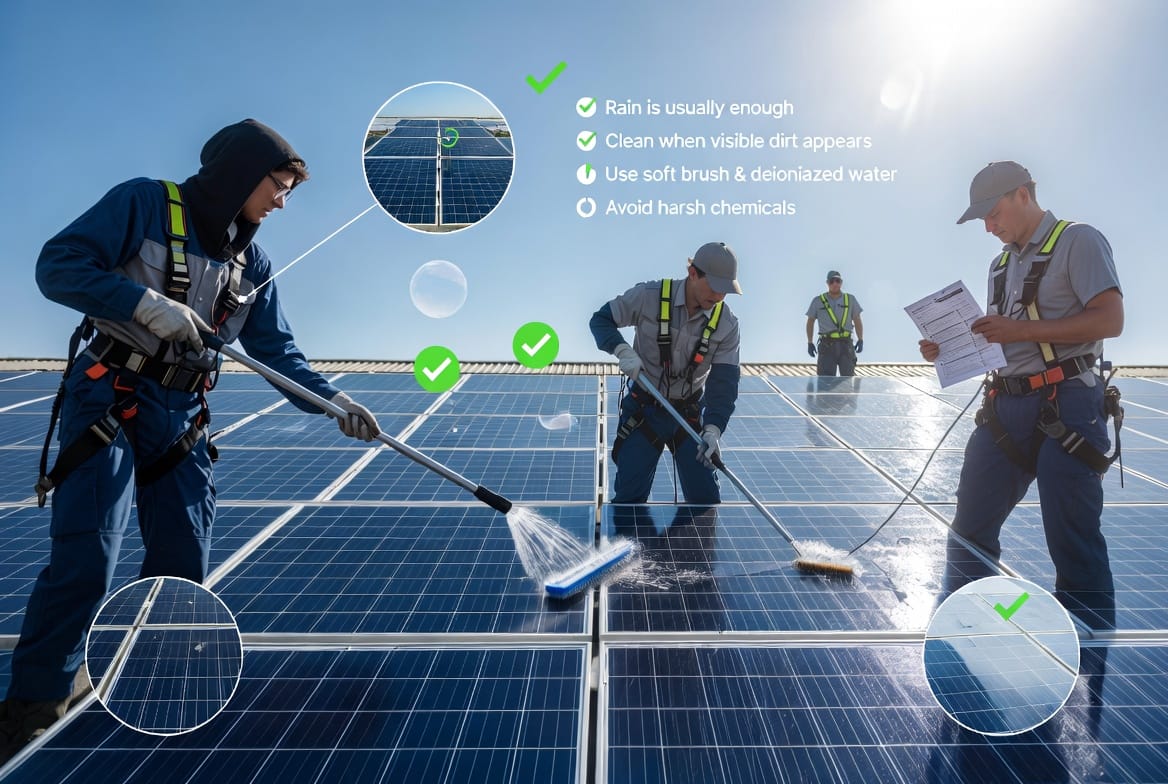
- Rely on rain when possible: In moderate-rainfall areas, natural precipitation often keeps panels sufficiently clean. Monitor output to confirm effectiveness.
- Clean when visible dirt appears: Do not wait for major performance drops — address soiling promptly to avoid compounded losses.
- Use soft brushes and deionized water: Gentle tools prevent scratches. Deionized or distilled water leaves no mineral residue that could cause spotting.
- Avoid harsh chemicals: Strong detergents, abrasive cleaners, or acidic solutions can damage anti-reflective coatings and seals.
- Skip high-pressure washers: Excessive pressure risks cracking glass or forcing water into junctions.
- Work from the top down: Gravity helps remove loosened debris without re-contaminating lower panels.
- Clean during cooler hours: Early morning or late afternoon prevents rapid drying that leaves streaks.
When performed correctly, these methods restore full production safely and efficiently. Many homeowners prefer professional crews equipped with specialized tools and safety harnesses for large or hard-to-reach arrays.
Why Professional Solar Panel Cleaning Delivers Superior Results
While DIY cleaning works for small accessible systems, professional services offer distinct advantages. Trained technicians use purified water systems, reach difficult angles safely, and document before-and-after performance. They also inspect for potential issues like loose wiring or cracked cells during each visit.
Regular professional maintenance typically pays for itself many times over through recovered energy production. The 5-15% gain compounds annually, accelerating your return on investment and extending system lifespan.
Protecting Your Investment Through Consistent Maintenance
Consistent solar panel cleaning frequency is a small effort that yields outsized rewards. By addressing soiling proactively, you ensure every ray of sunlight contributes to maximum energy output. Your system remains reliable, efficient, and protected against long-term degradation.
At the end of the day, clean panels simply perform better — and longer. Homeowners and businesses who prioritize maintenance enjoy lower utility costs, greater energy independence, and peace of mind knowing their solar investment is optimized.
Keep your panels producing at peak. Our team is ready to assess your installation and recommend the ideal cleaning frequency tailored to your location and needs.
Keep Your Solar Panels at Peak Performance – Call Today