The Solar Panel Bifacial Technology: Producing Energy from Both Sides
In today’s rapidly evolving renewable energy landscape, bifacial solar panels stand out as a groundbreaking advancement that is redefining how we harness the sun’s power. Unlike traditional solar solutions that only capture sunlight from one side, bifacial technology introduces a dual-sided approach that maximizes energy output without requiring additional space or resources. This emerging technology is quickly becoming the preferred choice for forward-thinking homeowners, businesses, and utility-scale projects seeking higher returns on their solar investments.
Capture More Energy with Bifacial Panels – Call Now!
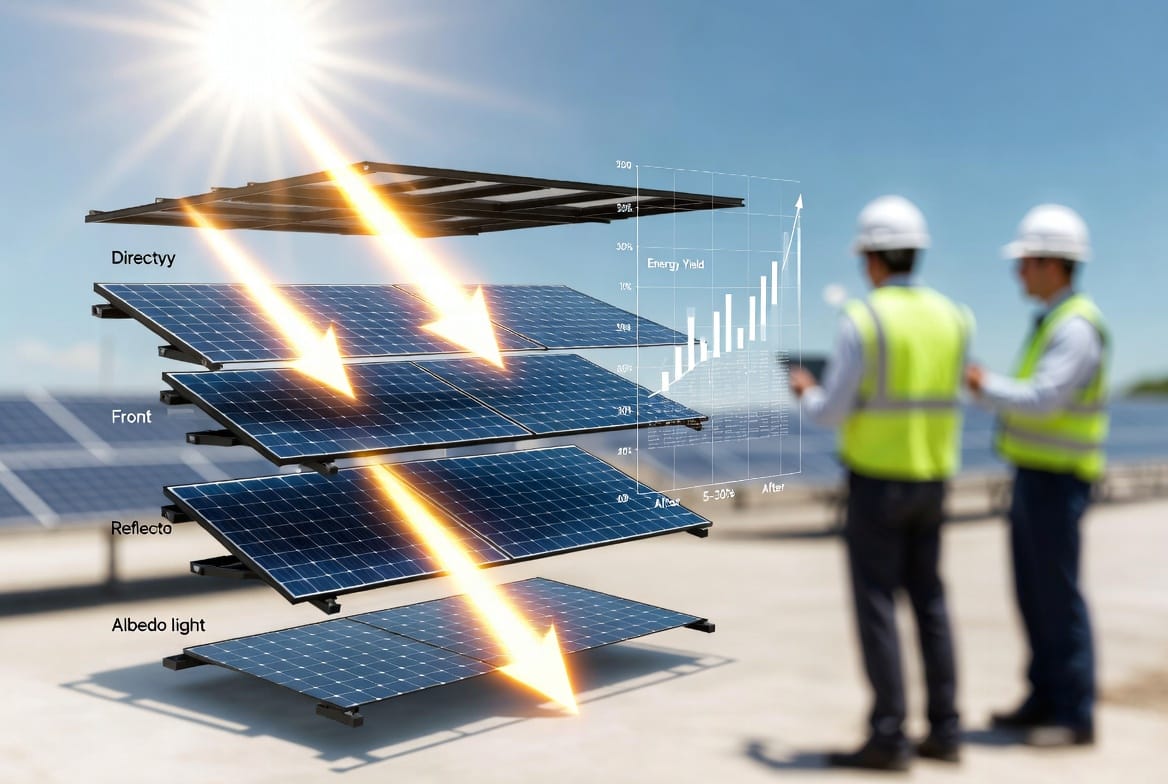
Bifacial solar panels are engineered with glass on both the front and rear surfaces, allowing photovoltaic cells sandwiched in between to generate electricity from direct sunlight hitting the front and from reflected light bouncing onto the back. This simple yet powerful design change can deliver 5-30% more energy depending on the reflectivity of the surrounding surface — a significant boost that translates into faster payback periods and greater overall system performance.
Whether you are exploring solar options for the first time or upgrading an existing array, understanding bifacial technology empowers you to make informed decisions that deliver long-term value. In this comprehensive guide, we break down exactly how bifacial panels work, their key benefits, ideal installation scenarios, and why this technology represents a smart, future-proof investment in clean energy.
What Makes Bifacial Solar Panels Different?
Traditional monofacial solar panels have been the industry standard for decades, featuring an opaque backsheet that blocks any light from reaching the rear of the cells. Bifacial solar panels, by contrast, replace that backsheet with a second layer of high-transparency glass. This glass-glass construction not only protects the cells more effectively but also allows the rear side to actively participate in energy production.
The result is a panel that looks similar to conventional models from the front yet performs at a noticeably higher level. Installers and engineers appreciate the durability of the dual-glass design, which offers superior resistance to weather, moisture, and thermal stress. For property owners, this means a more reliable system that continues delivering strong performance year after year with minimal degradation.
The technology is not entirely new, but recent improvements in manufacturing, cell efficiency, and frame designs have made bifacial panels more accessible and cost-effective than ever before. Today, they represent one of the most practical ways to increase energy yield without expanding the physical footprint of your solar array.
The Mechanics Behind Dual-Sided Energy Production
At the heart of bifacial performance lies a natural phenomenon known as the albedo effect — the measure of how much light a surface reflects. Light-colored or highly reflective surfaces — such as white gravel, snow, or specialized white roofing membranes — bounce a greater percentage of sunlight back upward. Bifacial solar panels are uniquely positioned to capture this reflected light on their rear side, converting it into usable electricity alongside the direct irradiance absorbed by the front.
Imagine sunlight striking the ground and scattering upward. The rear glass surface of the bifacial panel allows photons to reach the cells from behind, effectively doubling the opportunities for energy generation throughout the day. This process is especially effective during morning and late afternoon hours when the sun’s angle creates more diffuse and reflected light.
Reflected light reaching the back of bifacial panels can add meaningful production even on cloudy days or in regions with lower direct sunlight. The exact gain depends on several site-specific factors, including ground cover, panel height above the surface, and local climate conditions. Professional installers conduct detailed site assessments to optimize these variables and ensure every system delivers its full potential.
Quantifying the Gains: Benefits You Can Count On
The most compelling reason to choose bifacial solar panels is the measurable increase in energy production. Depending on ground reflectivity, systems routinely achieve 5-30% more energy output compared to equivalent monofacial setups. This extra yield directly reduces electricity bills, shortens the return on investment timeline, and maximizes the value of available roof or land space.
Additional benefits include:
- Higher performance in varied conditions — Bifacial panels excel in environments with high albedo, such as snowy regions or installations over reflective surfaces, where traditional panels lose potential energy.
- Improved efficiency over the system lifetime — The dual-glass design typically experiences slower degradation rates, providing stable output for 25–30 years or more.
- Reduced land usage — Because each panel produces more power, fewer panels (and less land) are needed to reach the same energy goals — an important advantage for space-constrained projects.
- Enhanced aesthetics and versatility — Many bifacial installations allow light to pass through partially, creating visually lighter arrays that blend well with modern architecture.
- Greater energy independence — The additional production helps homes and businesses offset more of their consumption, contributing to long-term savings and sustainability.
These advantages make bifacial technology particularly attractive for commercial, agricultural, and utility-scale applications where every percentage point of extra output translates into significant financial returns.
Where Bifacial Technology Shines: Ideal Applications
Bifacial solar panels deliver their greatest advantages when paired with surfaces that naturally or intentionally reflect light. The three most effective scenarios are:
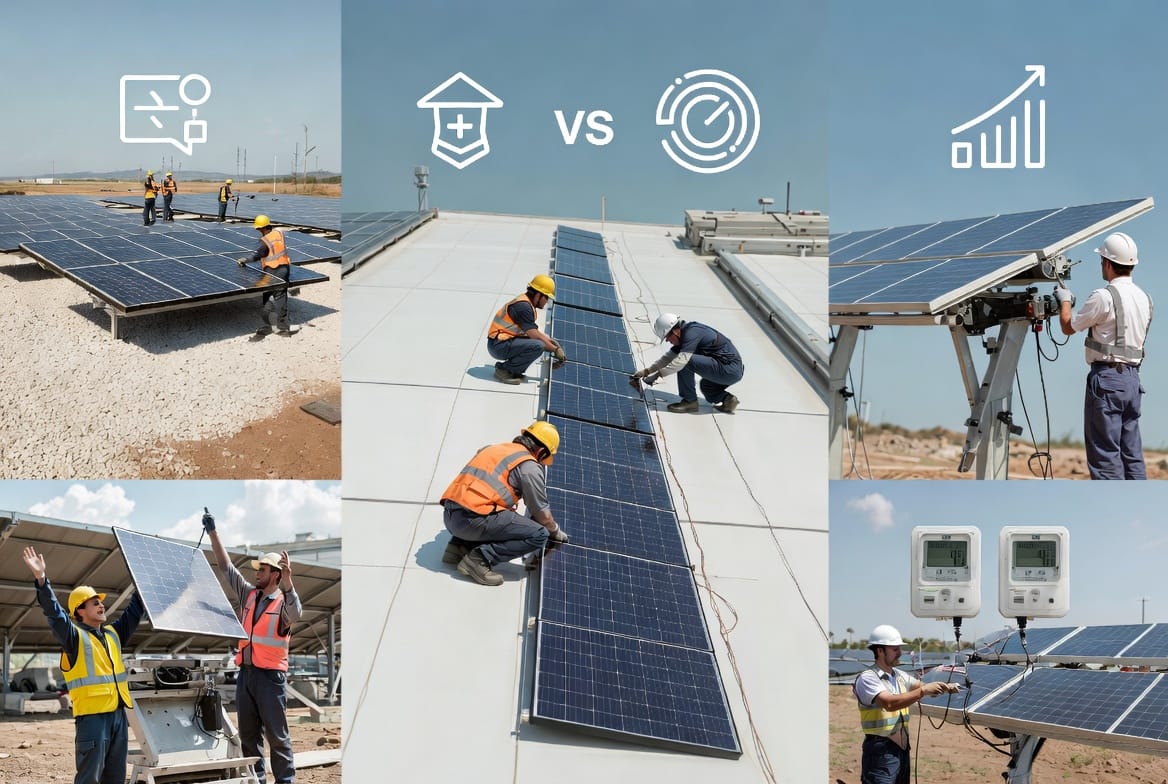
- Ground-mounted arrays with light-colored gravel — Installing panels several feet above reflective gravel maximizes rear-side exposure while allowing easy access for maintenance.
- White membrane roofs — Commercial and industrial buildings with cool, white roofing membranes create the perfect high-albedo environment directly beneath the panels.
- Elevated solar trackers — Single- or dual-axis trackers that follow the sun also keep the rear surface optimally exposed to reflected light throughout the day.
In each of these settings, professional installation teams ensure proper elevation, tilt angles, and surface preparation to capture the full benefits of the technology. The result is a system that works smarter — not harder — to meet your energy needs.
Overcoming Potential Hurdles with Confidence
Like any advanced technology, bifacial solar panels come with considerations such as slightly higher upfront costs and the need for careful site-specific planning. However, these are easily managed by working with experienced installers who understand albedo optimization and structural requirements. The long-term energy gains and system durability more than offset the initial investment, delivering peace of mind and superior performance for decades.
Looking Ahead: The Promising Future of Bifacial Solar
As manufacturing scales and efficiencies continue to improve, bifacial solar panel technology is poised to become the new standard across residential and commercial markets. Innovations in cell design, anti-reflective coatings, and integrated tracking systems will further enhance yields while driving costs downward.
For anyone serious about maximizing clean energy production, now is the ideal time to explore bifacial solutions. The technology is proven, the benefits are clear, and the environmental impact is substantial.
Capture more energy with bifacial panels. Let our experts design a system tailored to your exact needs and site conditions.
Unlock Higher Solar Savings with Bifacial Panels – Call Now!