The Snake Den Discovery: Identifying Hibernation Sites and Safe Removal
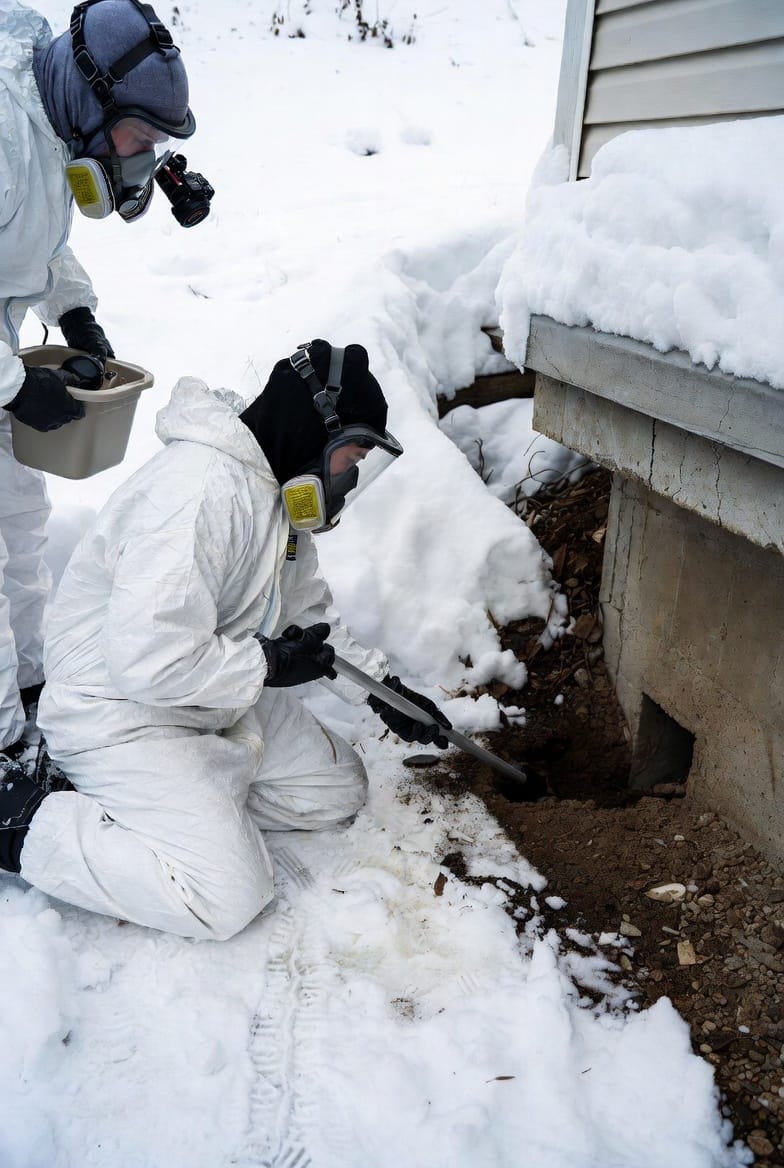
Winter brings more than cold temperatures and snow-covered landscapes. It also triggers snake den activity that many homeowners overlook until it becomes a serious concern. As reptiles seek warmth and protection, they congregate in hibernation sites around residential properties. Understanding these locations and knowing how to handle them safely protects your family, pets, and the local ecosystem.
Protect Your Home from Winter Snake Dens – Call Now
At our wildlife removal service, we specialize in safe snake removal that is both effective and humane. This guide walks you through the snake den discovery process, from spotting hibernation sites to professional resolution. Whether you have noticed unusual activity near your foundation or simply want peace of mind during the colder months, the information below will help you act confidently.
Why Snakes Choose Hibernation Sites in Winter
Snakes do not truly hibernate like mammals; they enter a state called brumation. During this period, their metabolism slows dramatically, and they become largely inactive. They must find sheltered spots that maintain stable temperatures above freezing to survive the winter months.
Winter concerns rise because these hibernation sites are often located disturbingly close to human structures. Snakes instinctively seek out crevices, voids, and piles that offer insulation and protection from predators. Left unaddressed, these dens can lead to springtime surprises when snakes emerge active and hungry near doorways, garages, or crawl spaces.
Homeowners in colder climates frequently report increased encounters because snake dens provide easy access to warmth radiating from foundations or stored materials. Early identification prevents escalation and eliminates the need for emergency interventions later.
Common Locations for Snake Dens Around Your Property
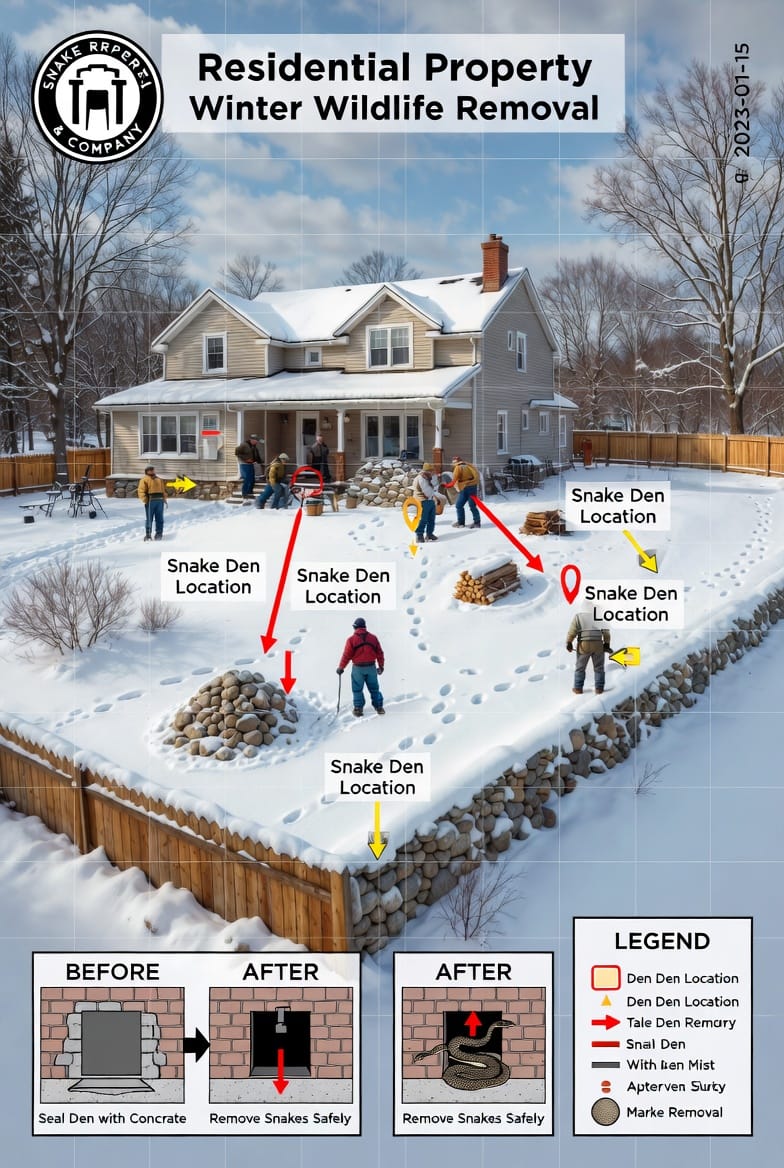
Snake dens form in predictable spots that offer natural or man-made shelter. Knowing these locations is the first step in effective identifying hibernation sites.
- Foundations and concrete slabs: Cracks, gaps around utility lines, or voids beneath slabs create ideal insulated spaces. Heat from the home draws snakes inward.
- Rock piles and stone walls: Loose stones or decorative rock features trap air pockets and provide perfect camouflage and temperature regulation.
- Wood piles and debris stacks: Stacked firewood, fallen branches, or unused lumber offer both cover and a steady supply of small rodents that snakes may follow.
- Burrows and ground holes: Abandoned animal burrows or eroded soil near retaining walls frequently become communal hibernation sites for multiple snakes.
- Sheds, garages, and crawl spaces: Any structure with unsealed entry points can serve as an extension of a natural den.
These areas become especially attractive in winter because they remain undisturbed and maintain consistent microclimates. Regular property inspections during late fall help catch snake den formation before full brumation begins.
How to Identify a Snake Den Safely
Spotting a snake den early allows for calm, planned action rather than panic. Look for these reliable identification signs during winter walks around your property:
- Shed skins: Translucent, papery remains near entrances or along foundation lines indicate recent activity and potential denning.
- Droppings: Distinctive tubular scat with white uric acid caps often accumulates at den openings.
- Multiple sightings: Repeated observations of the same snake species in one concentrated area strongly suggests a communal hibernation site.
- Unusual tracks or holes: Fresh disturbances in snow or soil around rock piles and slabs point to active use.
- Musty odor: Some dens produce a faint, distinctive scent from accumulated snakes in confined spaces.
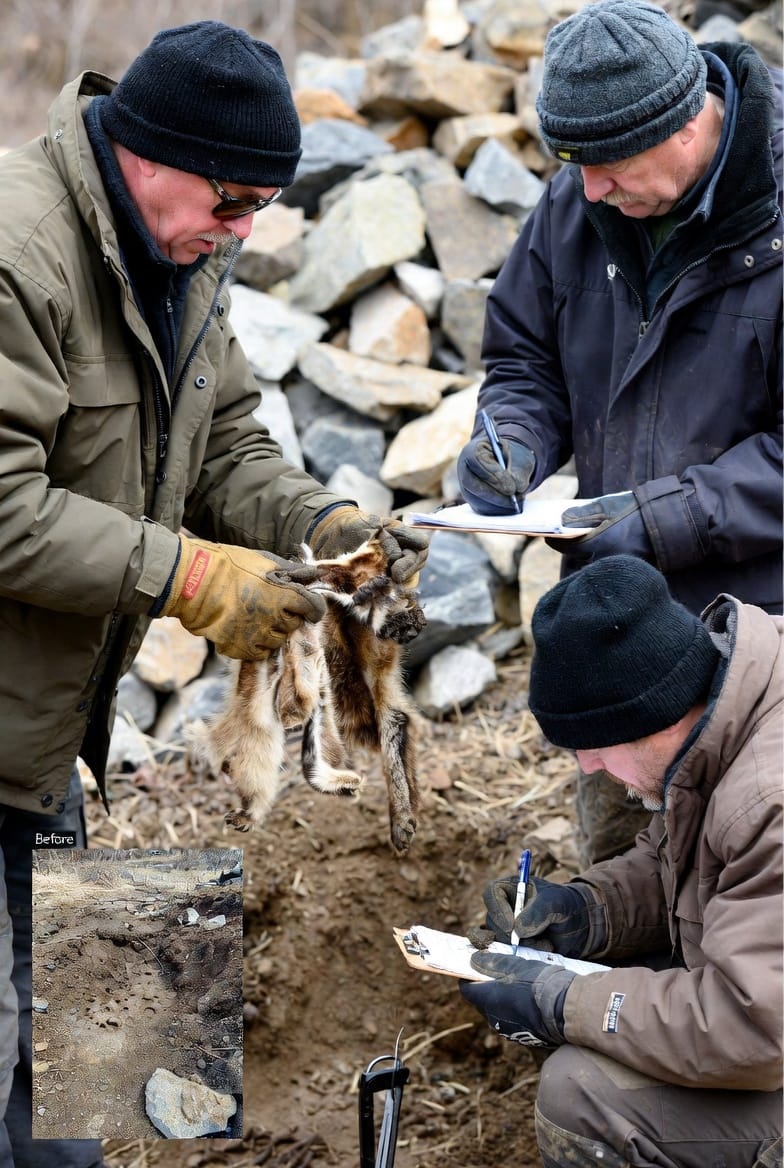
Never attempt to probe suspected hibernation sites yourself. Snakes may be sluggish in cold weather but can still strike if provoked. Instead, note the location and contact wildlife removal specialists who have the training and equipment to confirm and address the issue safely.
Risks of Ignoring Snake Hibernation Sites
Leaving snake dens unaddressed creates unnecessary risks. In winter, snakes remain mostly dormant, but warming trends or disturbances can cause premature emergence. This leads to snakes entering living spaces through small gaps, increasing the chance of unexpected indoor encounters.
Families with children or pets face heightened safety concerns when dens sit near high-traffic areas. Even non-venomous species can cause stress and property damage if they seek shelter inside walls or attics during temperature fluctuations. Additionally, some local regulations require prompt removal of certain species to prevent ecological imbalance or disease transmission concerns.
Professional intervention eliminates these risks while ensuring compliance with wildlife protection laws. Attempting DIY methods often results in incomplete removal, allowing snakes to return or relocate to new hibernation sites nearby.
Safe and Humane Snake Removal Methods
The cornerstone of responsible snake den discovery is safe, humane removal. Our specialists follow a proven, step-by-step protocol designed to protect both homeowners and the snakes:
- Thorough inspection: Using specialized cameras and tools, experts locate the full extent of the hibernation site without disturbance.
- Species identification: Accurate identification determines the safest handling approach and confirms legal requirements.
- Humane extraction: Snakes are gently guided into secure containers using non-lethal tools during their low-activity winter state.
- Relocation: Snakes are transported to approved natural habitats far from residential areas, ensuring their survival.
- Den sealing and exclusion: Entry points are repaired with wildlife-proof materials to prevent future occupation.
- Sanitation and prevention: Any remaining signs are cleaned, and the area is treated to deter return.
This methodical approach guarantees safe snake removal that is effective immediately and long-term. Because snakes are less active in winter, the process is often quicker and less stressful for the animals than summer interventions.
Why Professional Wildlife Removal Is the Smart Choice
DIY attempts may seem cost-effective at first, but they frequently fail to address the entire snake den. Incomplete work leaves behind scent trails that attract new snakes the following season. Professional wildlife removal specialists bring years of experience, proper licensing, and insurance that homeowners simply cannot match.
Our team provides detailed reports, preventive recommendations, and follow-up inspections at no extra charge in many cases. Homeowners gain peace of mind knowing the job was completed correctly the first time. Choosing experts also supports ethical wildlife management practices that keep native snake populations healthy in their proper habitats.
Prevention Tips to Avoid Future Snake Den Issues
Once the current hibernation sites are resolved, simple maintenance keeps your property clear:
- Store firewood and debris at least 30 feet from structures and elevated off the ground.
- Seal all foundation cracks and gaps around pipes before winter.
- Remove rock piles or replace with tightly packed landscaping.
- Keep grass trimmed and eliminate rodent attractants that draw snakes.
- Schedule annual property checks with wildlife removal professionals in late fall.
These proactive steps dramatically reduce the likelihood of new snake den discovery next season.
Protecting Your Home and Local Wildlife
Snake den discovery during winter does not have to disrupt your peace or harm the environment. With careful identification of hibernation sites and expert-led safe removal methods, you resolve the issue responsibly and permanently.
Safe snake removal protects you and wildlife. Our experienced team stands ready to handle every aspect of snake den concerns with the professionalism and care your family deserves.
Safe & Humane Snake Removal – Call Our Experts Today