The Sewer Cleanout Location: Finding Your Home's Access Point
In the world of home maintenance, few elements are as crucial yet overlooked as the sewer cleanout location. As a homeowner, understanding this vital access point can mean the difference between a minor inconvenience and a major plumbing disaster. This comprehensive guide empowers you with the knowledge to locate, identify, and prepare for using your sewer cleanout, emphasizing emergency preparedness every step of the way.
Find Your Sewer Cleanout Today – Call Now!
Sewer cleanouts provide direct access to your home's main drain line, allowing professional plumbers to clear stubborn clogs, perform inspections, and restore proper flow efficiently. Knowing exactly where yours is located saves precious time when backups occur, minimizes property damage, and reduces stress during unexpected crises.
What Is a Sewer Cleanout and Why Does It Matter?
A sewer cleanout is essentially a strategically placed pipe fitting that grants direct entry to the main sewer line leaving your home. It serves as the primary gateway for clearing blockages that occur beyond the reach of standard drain snakes or plungers.
Why it matters for emergency preparedness:
- Rapid response capability: Professionals can insert tools directly into the main line without invasive methods.
- Cost efficiency: Quick access often prevents the need for extensive excavation or interior demolition.
- Preventive maintenance: Regular inspections through the cleanout help identify issues before they escalate.
- Peace of mind: In an emergency, every minute counts – knowing the location eliminates frantic searching.
Bold fact: Many homeowners discover their cleanout only after a sewer backup floods their basement or yard. Preparing ahead transforms potential chaos into manageable situations.
Typical Locations for Your Sewer Cleanout
Sewer cleanouts are placed in predictable yet varied spots depending on your home's age, design, and local building codes.
Common locations include:
- Near the foundation: Often within a few feet of where the main drain exits the house.
- In the yard: Frequently buried slightly underground along the sewer line path to the street.
- Basement or crawlspace: Especially in older homes or those with slab foundations.
- Garage or utility areas: Less common but possible in certain architectural layouts.
Factors influencing placement include climate (colder regions may bury them deeper to prevent freezing), property layout, and municipal requirements. Newer constructions typically feature more accessible cleanouts with clear markings.
Pro tip: If your home was built before the 1980s, expect potentially multiple cleanouts or older materials.
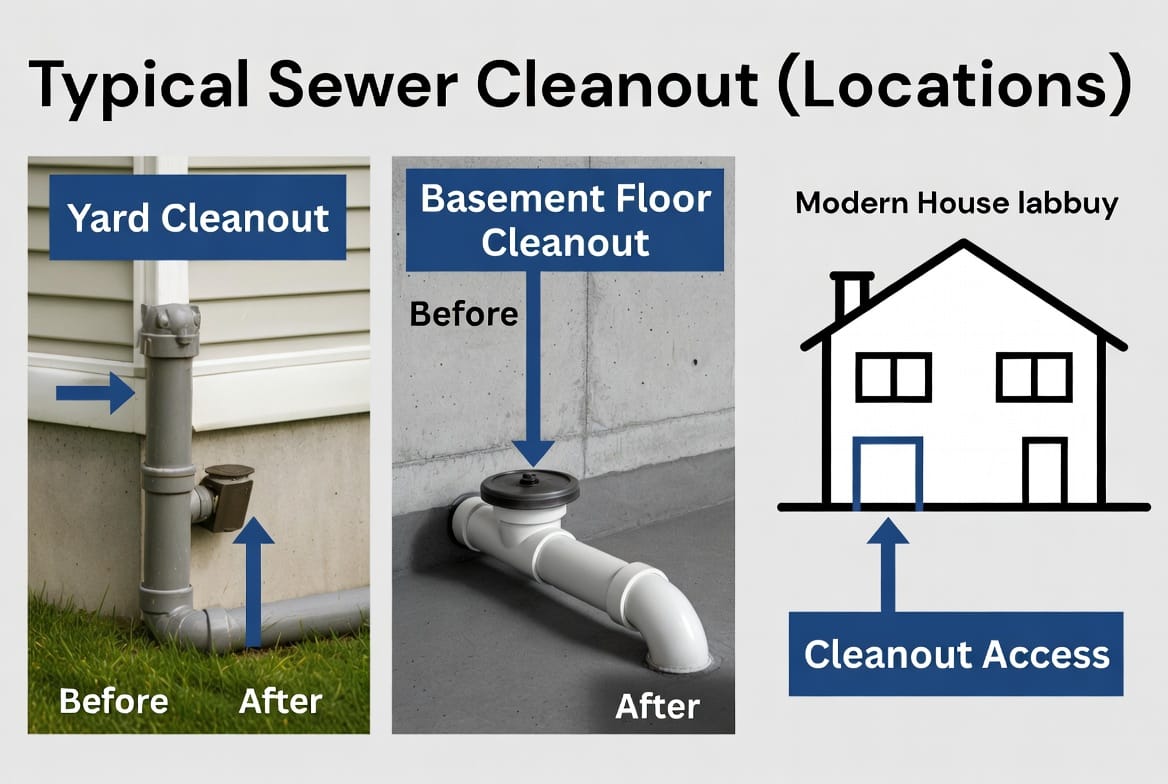
How to Identify Your Sewer Cleanout
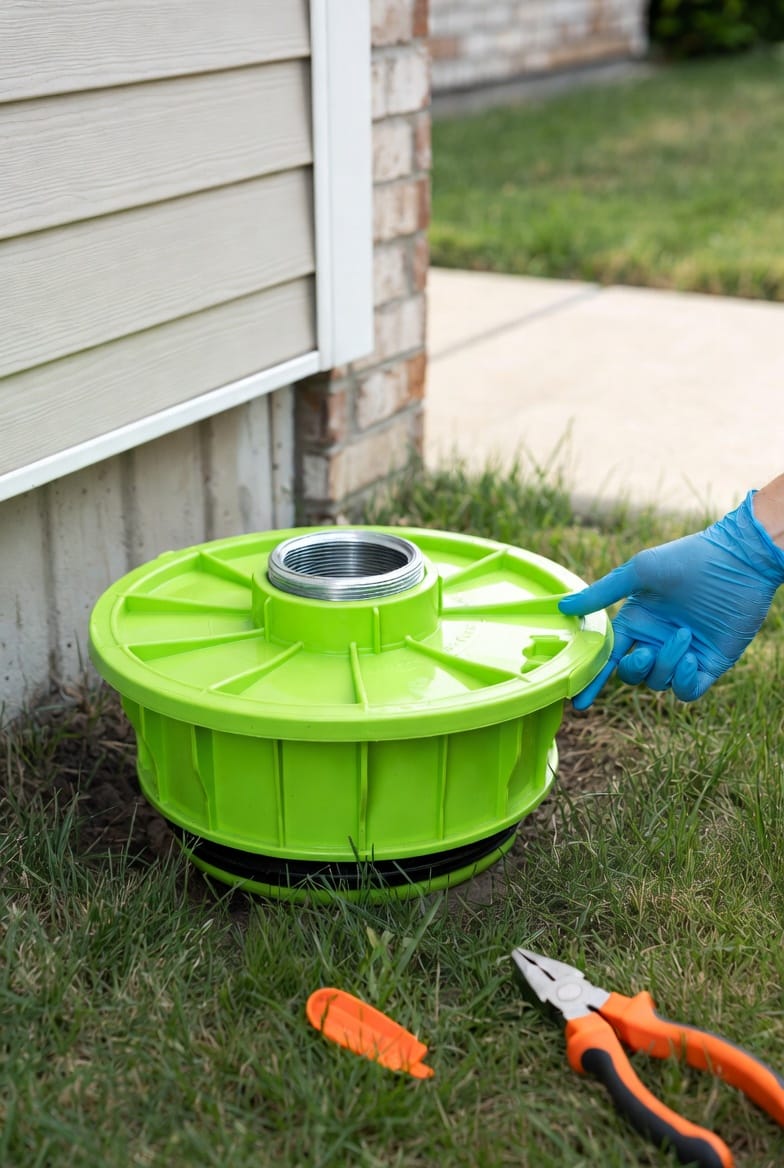
Recognition is straightforward once you know what to look for. Sewer cleanouts typically feature a distinctive cap that stands out from other plumbing elements.
Key identification features:
- Material: Modern caps are often bright green or black PVC plastic; older ones may be heavy cast iron.
- Shape and size: Usually 3-4 inches in diameter with a square or hexagonal nut-like top for easy removal.
- Markings: Some caps are labeled "Cleanout" or "Sewer" for obvious identification.
- Position: Protruding slightly from the ground, floor, or wall, often with a threaded plug.
Step-by-step identification process:
- Walk around your home's perimeter, focusing on the side facing the street connection.
- Check basement floors near exterior walls for capped pipes.
- Look for any visible pipes emerging from the foundation.
- Use a metal detector if suspected underground (with caution).
- Consult your home's building plans or previous inspection reports.
Remember: If unsure, it's always wiser to consult a licensed plumber rather than risk damaging lines.
The Critical Importance of Knowing Your Cleanout Location
Emergency preparedness isn't just about having supplies – it's about knowing your infrastructure. When multiple drains slow simultaneously or you hear ominous gurgling, the sewer cleanout becomes your lifeline.
Benefits of prior knowledge:
- Faster professional response: Technicians arrive prepared, saving hours.
- Minimized disruption: Targeted access avoids unnecessary digging or tearing up floors.
- Lower costs: Prevents escalation from simple clogs to full sewer line replacement.
- Safety: Reduces exposure to raw sewage and associated health risks.
- Long-term home protection: Enables proactive camera inspections and maintenance.
Homeowners who map their cleanout location report significantly less anxiety during plumbing issues. It's an investment in your property's resilience.
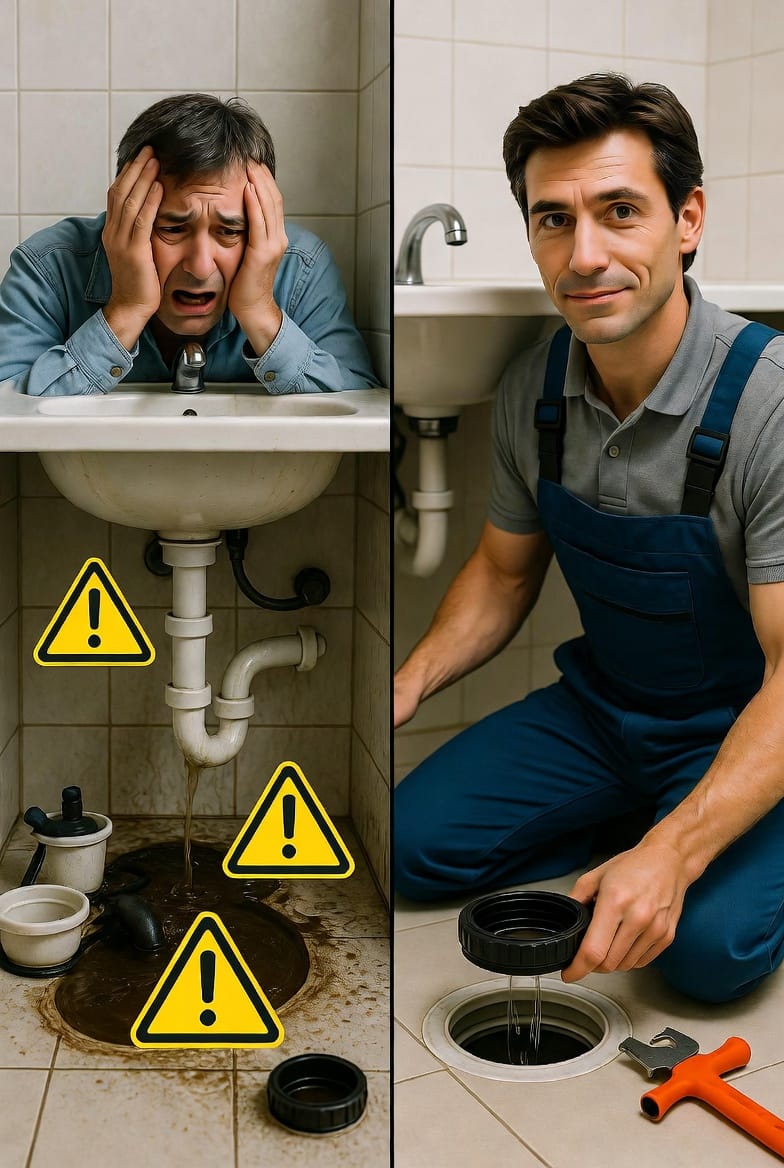
Signs You Need to Access Your Sewer Cleanout
Being vigilant about warning signs allows timely intervention.
Key indicators include:
- Multiple drains slow or backing up simultaneously.
- Sewer backup in toilets or floor drains.
- Gurgling sounds from drains when other fixtures are used.
- Unexplained foul odors around the property.
- Slow-flushing toilets despite no visible clogs.
- Wet spots or lush vegetation over the sewer line path.
If you notice these symptoms, do not ignore them. Locate your cleanout and contact professionals immediately for inspection.
Preparing for Sewer Emergencies: A Homeowner's Checklist
Emergency preparedness involves more than location awareness. Build a robust plan:
- Document everything: Take clear photos of your cleanout, note its exact position relative to landmarks, and store in a digital folder.
- Regular inspections: Schedule annual camera inspections through the cleanout.
- Tool readiness: Keep basic supplies like plungers, drain snakes, and gloves accessible (but leave major work to experts).
- Professional contacts: Save reliable plumber numbers, such as (844) 578-2593, in your phone.
- Family education: Ensure household members know where the cleanout is and basic response steps.
- Insurance review: Confirm your policy covers sewer-related backups.
These steps create a foundation of confidence and control.
Common Challenges and Solutions
Older homes may have hidden or corroded cleanouts. Solutions include professional location services using specialized equipment. In snowy regions, mark cleanouts clearly to avoid winter digging. For urban properties with limited yard space, interior cleanouts require different access strategies.
Reassuring note: Modern plumbing technology makes finding even tricky cleanouts straightforward for trained technicians. You don't have to solve it alone.
Maintaining Your Sewer Line Through the Cleanout
Routine maintenance via the cleanout prevents most emergencies:
- Hydro jetting for thorough cleaning.
- Video camera inspections to spot tree roots or cracks early.
- Preventive treatments to deter grease and debris buildup.
Consistent care extends the life of your entire plumbing system, offering long-term savings and reliability.
When to Call the Professionals
While DIY knowledge is valuable, sewer issues demand expert handling. Attempting major cleanouts yourself risks injury, property damage, or code violations. Licensed plumbers bring the right tools, expertise, and insurance to resolve problems safely and effectively.
Call immediately if:
- You cannot locate the cleanout during an active backup.
- Multiple fixtures are affected.
- You suspect a main line collapse or major obstruction.
Building Long-Term Plumbing Resilience
Understanding your sewer cleanout location is part of broader home stewardship. Combine it with smart habits like proper disposal practices (no grease down drains, limited use of harsh chemicals) and periodic professional check-ups.
This knowledge not only prepares you for emergencies but enhances overall property value and livability.
Conclusion: Take Action Before You Need It
Knowing your sewer cleanout location is one of the smartest, simplest steps you can take for home emergency preparedness. It transforms potential panic into prompt, effective action.
Know your cleanout location before you need it. Don't wait for a crisis to discover this essential access point. For expert assistance finding, inspecting, or maintaining your sewer cleanout . We're here to help keep your home's plumbing system running smoothly and reliably.
Emergency Sewer Cleanout Help – Call Today!