The Roof Ventilation Fan: Solar-Powered vs. Electric Attic Fans
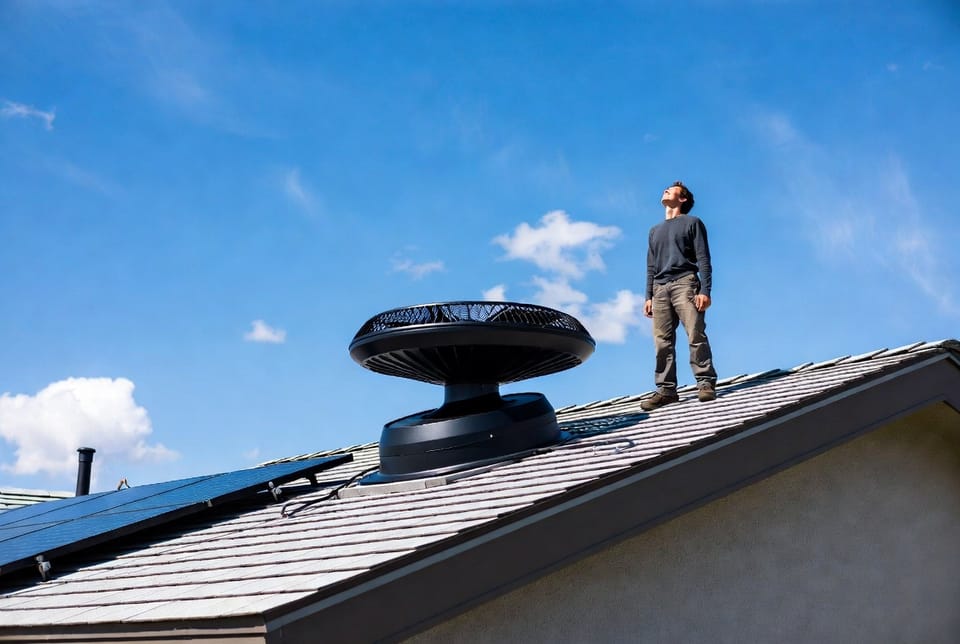
Proper roof ventilation is one of the most important yet often overlooked aspects of home maintenance. A well-functioning roof ventilation fan (also known as an attic fan) plays a critical role in regulating temperature, reducing moisture, and extending the lifespan of your roofing system.
Get Expert Attic Fan Advice – Call Now!
In this comprehensive guide, we compare the two leading active ventilation solutions: solar-powered attic fans and electric attic fans. Both options actively pull hot air out of your attic, but they differ significantly in operation, cost, performance, and suitability for different homes.
Whether you're dealing with scorching summers or concerned about energy bills, choosing the right powered attic ventilation system can deliver years of comfort and protection.
Understanding the Importance of Active Attic Ventilation
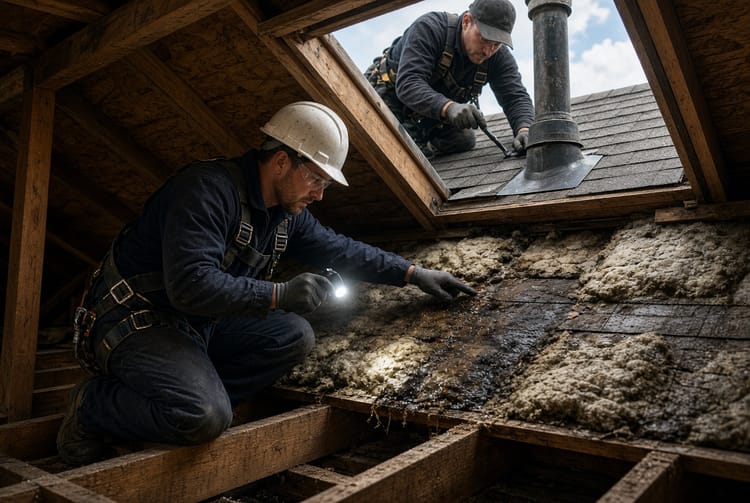
Attics naturally trap heat during the day, which can raise indoor temperatures by 10–30°F and put excessive stress on your air conditioning system. Without proper ventilation, this trapped heat and moisture can lead to:
- Premature shingle deterioration
- Mold and mildew growth
- Reduced insulation effectiveness
- Higher energy costs
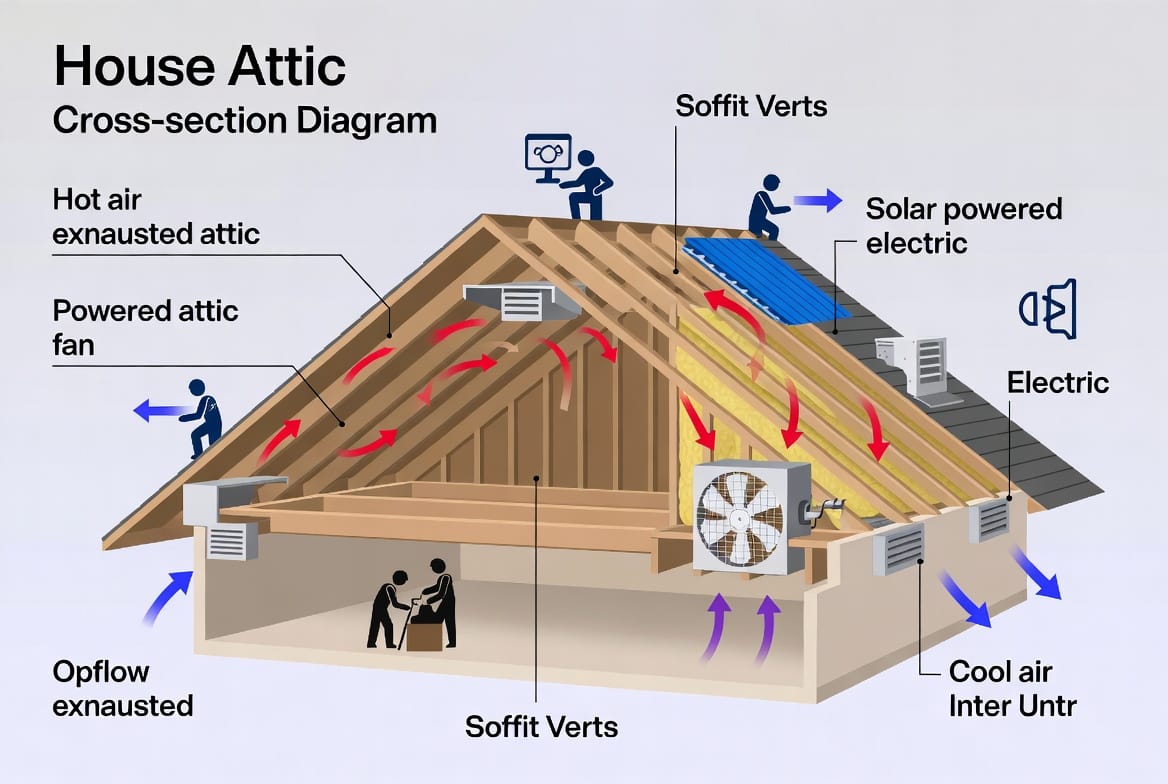
Active roof ventilation fans solve this by mechanically exhausting hot air, creating negative pressure that draws cooler air in through soffit vents. Unlike passive systems (ridge vents or turbines), powered fans provide consistent, reliable airflow regardless of wind conditions.
Solar-Powered Attic Fans: Clean Energy Solution
Solar attic fans operate using photovoltaic panels that convert sunlight directly into electricity.
Key Advantages:
- No wiring costs – No need to run electrical lines to the roof
- Zero operating costs – Free power from the sun
- Easy installation – Ideal for DIY or professional retrofit projects
- Eco-friendly – Reduces your carbon footprint
- Quiet operation – Minimal noise compared to some electric models
These fans typically activate when sunlight hits the solar panel, making them most effective during peak daytime heat. Modern units often include built-in thermostats or variable speed controls that optimize performance based on temperature and sunlight intensity.
Potential Limitations:
- Performance depends on sunlight availability
- Generally lower CFM (cubic feet per minute) rating than comparable electric fans
- May underperform on cloudy days or in shaded roof areas
Despite these factors, solar fans have become increasingly powerful with advances in solar technology and high-efficiency motors.
Electric Attic Fans: Maximum Power and Control
Electric attic fans connect to your home’s electrical system and deliver robust, consistent performance.
Key Advantages:
- Higher power output – Significantly greater CFM ratings for larger attics
- Thermostatic control – Can be programmed to run at specific temperatures
- 24/7 operation capability – Works day or night, rain or shine
- Stronger moisture control – Excellent in humid climates
- Integration options – Can work with whole-house ventilation systems
These fans are particularly effective in regions with extreme temperatures or homes with large attic spaces. Many models include humidistats and automatic shut-off features for optimized efficiency.
Considerations:
- Requires professional electrical wiring
- Involves ongoing electricity costs
- Slightly higher initial installation complexity
Modern energy-efficient electric motors have significantly reduced power consumption compared to older models.
Head-to-Head Comparison: Solar vs Electric Attic Fans
When evaluating solar-powered vs electric attic fans, several critical factors come into play:
1. Initial Cost and Installation
Solar fans generally have a higher upfront cost due to the solar panel and battery backup systems (in premium models). However, they save substantially on installation since no electrical work is required. Electric fans may have a lower unit cost but require electrician involvement, increasing total project expenses.
2. Operating Costs
- Solar: Virtually zero after installation
- Electric: Modest monthly electricity cost (typically $5–15 depending on usage and local rates)
3. Effectiveness and Airflow
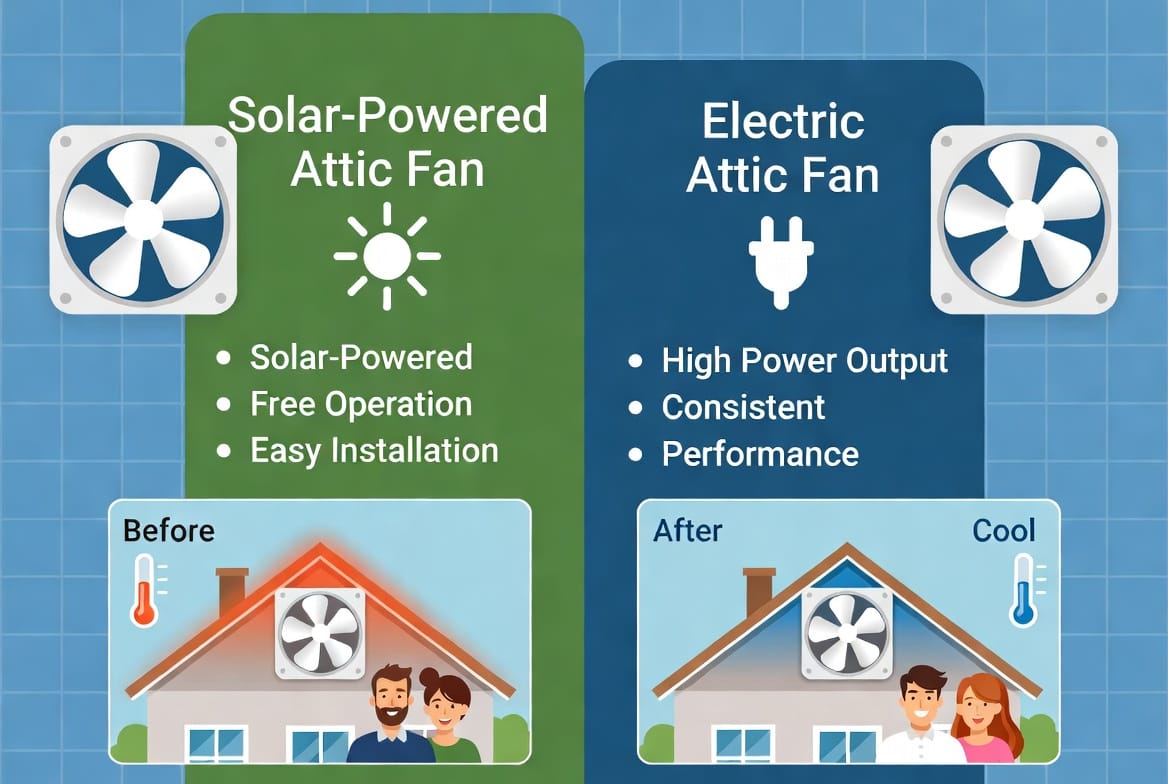
Electric fans usually provide 20–50% more airflow capacity. However, well-positioned solar fans often deliver sufficient ventilation for average-sized homes, especially when multiple units are installed.
4. Energy Efficiency and Environmental Impact
Solar fans win hands-down for sustainability. They produce no greenhouse gas emissions during operation and align perfectly with green building standards.
Energy Use and Long-Term Savings
Solar attic fans offer excellent long-term value for homeowners focused on sustainability and minimal maintenance costs. While they may move less air per hour than electric models, their consistent daytime operation during peak heat hours provides significant cooling benefits.
Electric attic fans excel in demanding conditions. Their ability to run during evening hours when temperatures remain high can provide superior overall temperature regulation. With today’s efficient brushless motors, energy consumption remains reasonable.
Many homeowners achieve optimal results with a hybrid approach – using solar fans as primary daytime ventilation and electric fans for supplemental nighttime or high-humidity control.
Installation Best Practices
Proper installation dramatically affects performance for both types:
- Position fans on the north or east roof slope (away from prevailing winds)
- Ensure adequate intake ventilation through soffits
- Seal all gaps to prevent air leaks
- Follow manufacturer guidelines for CFM calculations based on attic square footage
Professional assessment ensures your roof ventilation fan system matches your specific home’s needs, climate, and attic design.
Maintenance and Longevity
Both systems require minimal maintenance:
- Annual inspection of vents and moving parts
- Cleaning of solar panels or fan blades
- Checking electrical connections (for electric models)
Quality units from reputable manufacturers can last 15–25 years with proper care.
Choosing the Right Powered Attic Ventilation for Your Home
The best choice depends on your priorities:
- Choose Solar if you want zero operating costs, easy installation, and environmental benefits.
- Choose Electric if you need maximum power, precise control, and reliable performance in challenging conditions.
- Consider Both for comprehensive coverage in larger or more complex homes.
A professional roofing assessment helps determine the ideal solution for your property.
Ready to improve your home’s comfort and protect your roof? Choose the right powered attic ventilation system today.
Our team will evaluate your attic conditions and recommend the most effective roof ventilation fan solution tailored to your needs and budget.
Investing in proper attic ventilation is one of the smartest decisions you can make for your home’s longevity and energy efficiency.
Free Roof Ventilation Assessment – Call Now