The Roof Uncoupling Membrane: Protecting Shingles from Movement
In the world of home protection, your roof stands as the first line of defense against the elements. Yet, even the highest-quality asphalt shingles or architectural shingles can fall victim to hidden forces below the surface. Substrate movement—the natural expansion, contraction, and shifting of roof decking—creates stress that leads to premature shingle failure, cracking, curling, and costly repairs.
Safeguard Your Roof from Movement – Speak to Experts Today!
Enter the roof uncoupling membrane, a specialized underlayment solution designed specifically to decouple shingles from the unstable substrate beneath. This innovative layer acts as a protective buffer, allowing independent movement between the deck and the shingles while extending the lifespan of your entire roofing system. Whether you're dealing with temperature fluctuations in Texas summers or structural nuances in older homes, this membrane delivers peace of mind and long-term performance.
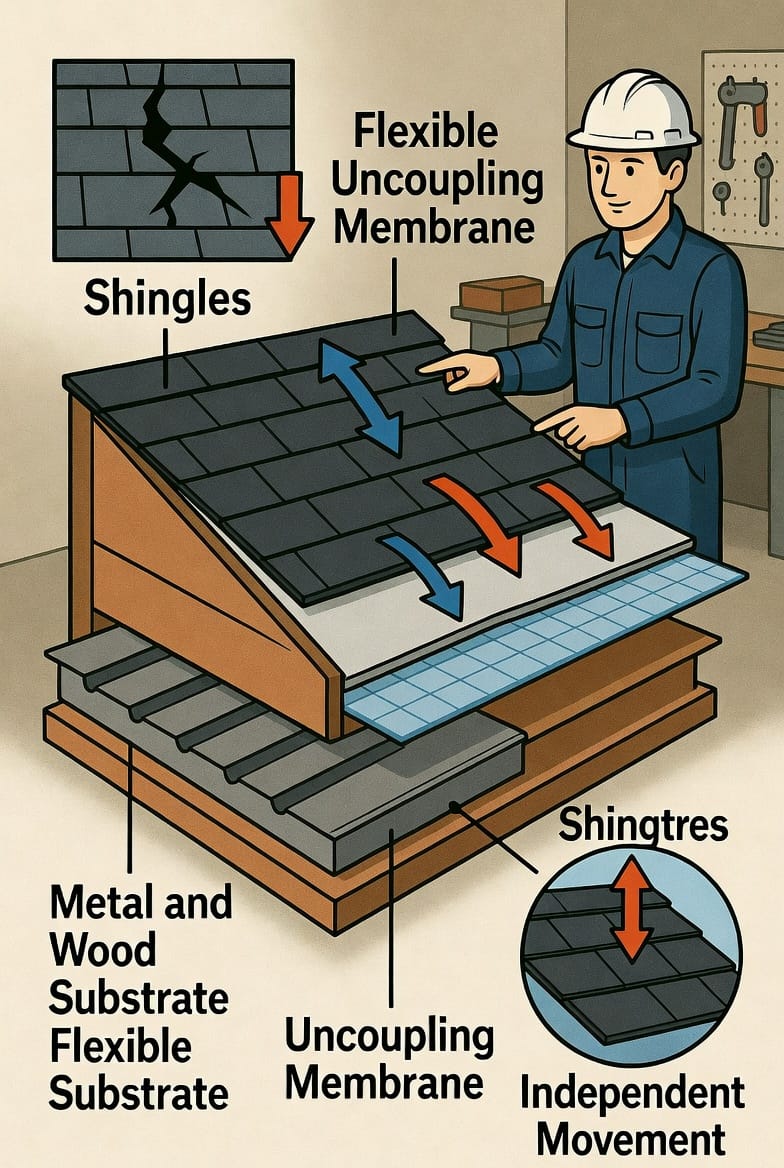
Understanding Roof Substrate Challenges
Roof decks, typically made of plywood, oriented strand board (OSB), or metal in commercial and certain residential applications, are subject to constant environmental pressures. Wood decks expand and contract with moisture and temperature changes, while metal decks respond dramatically to thermal shifts. These movements transmit directly to overlying shingles, causing:
- Cracking and granule loss from repeated flexing
- Buckling or tenting where shingles lift at the edges
- Premature aging reducing warranty effectiveness
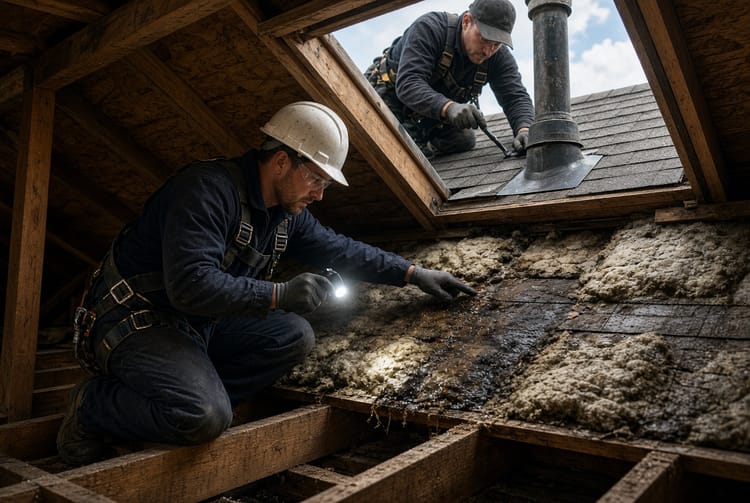
- Water intrusion leading to leaks and interior damage
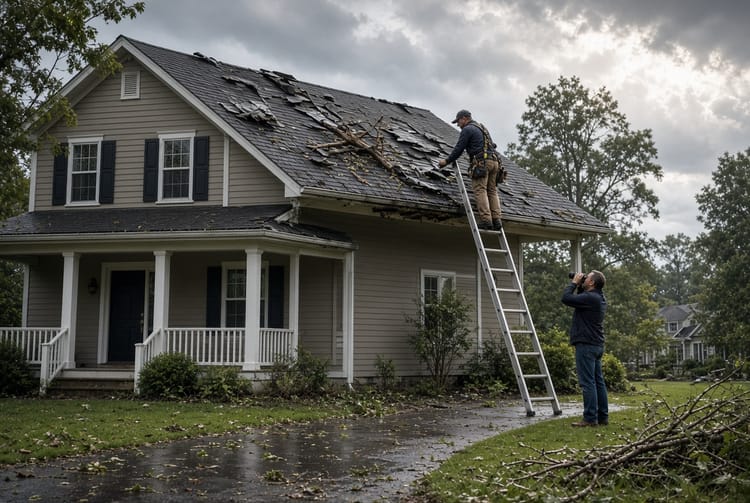
Without intervention, these issues accelerate deterioration, especially on metal deck roofs, wood decks with moisture variability, or historic buildings where original structures exhibit unique settling patterns. Homeowners in regions like Dallas, Texas, with extreme seasonal swings, face heightened risks.
An uncoupling membrane addresses these challenges head-on by installing directly between the substrate and the shingle underlayment or directly beneath shingles in compatible systems. It creates a slip plane that absorbs and dissipates stresses, ensuring your shingles perform as intended without bearing the full brunt of substrate dynamics.
What Exactly Is a Roof Uncoupling Membrane?
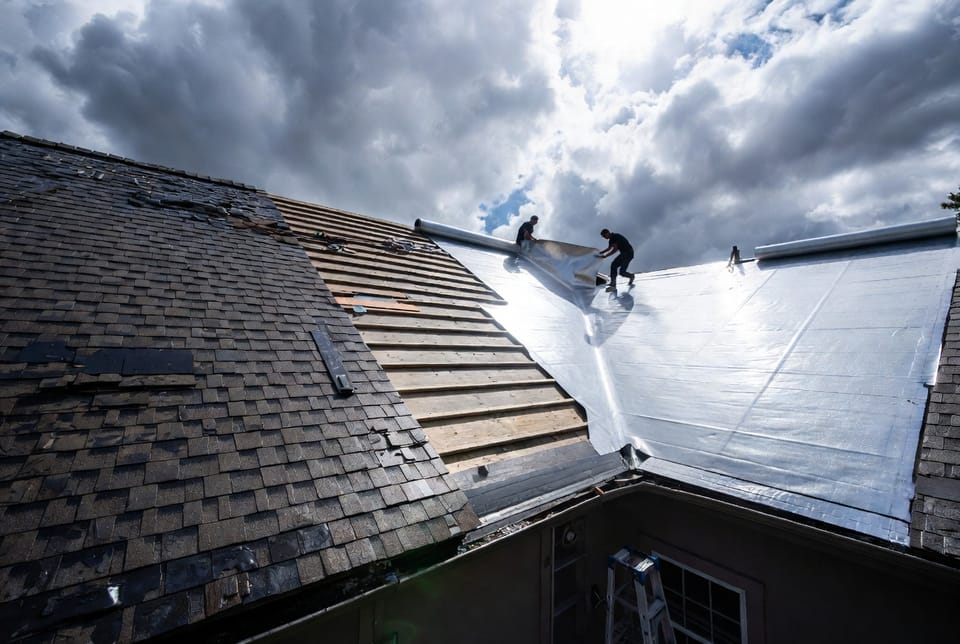
A roof uncoupling membrane is a flexible, durable sheet material—often polymer-based or composite—engineered for roofing applications. Installed between the roof deck (substrate) and the shingles, it functions as a movement-accommodating layer. Unlike traditional felt or synthetic underlayments focused primarily on waterproofing, uncoupling membranes prioritize decoupling mechanics.
Key characteristics include:
- High elasticity to handle shear and tensile forces
- Textured or dimpled surfaces for secure bonding on one side while allowing slip on the other
- Moisture management properties to prevent trapped humidity
- Compatibility with various shingle types and deck materials
This isn't a one-size-fits-all product; it's tailored for roofs where traditional rigid attachment would lead to failures over time.
When Do You Need an Uncoupling Membrane?
Not every roof requires this advanced solution, but certain conditions make it essential for optimal performance and longevity. Consider installing a roof uncoupling membrane in these scenarios:
- Metal deck roofs: Common in modern extensions or commercial-residential hybrids, metal expands significantly with heat, stressing direct-attached shingles.
- Wood decks with moisture issues: In humid climates or areas prone to leaks, wood swells and shrinks, demanding a buffer layer.
- Historic buildings: Preserving original structures while updating roofing often benefits from membranes that accommodate age-related settling without compromising new shingles.
- Large or complex roof planes: Expansive areas amplify movement effects.
- High-temperature fluctuation zones: Like Texas, where daily and seasonal swings are extreme.
- Roofs with previous shingle failures: If you've replaced shingles multiple times due to cracking or lifting, substrate movement is likely the culprit.
Professional roofing assessment can determine if your specific setup warrants this protective measure. Early adoption prevents expensive future interventions.
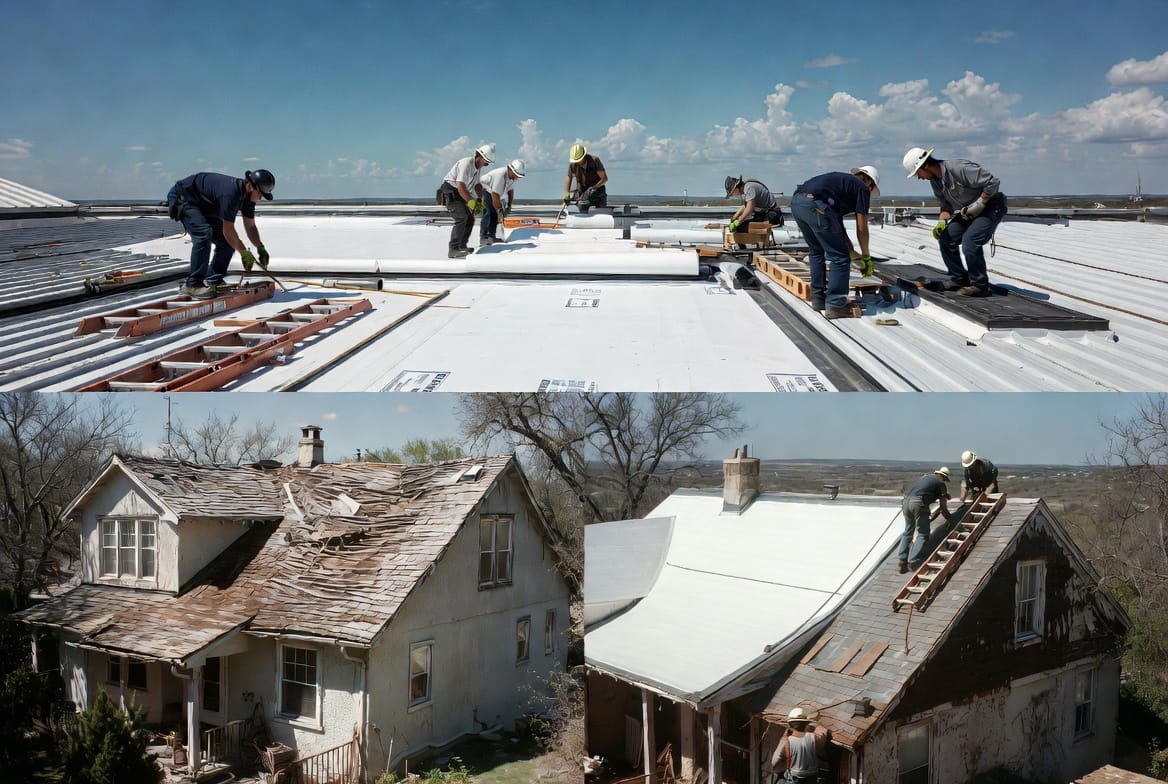
How Does a Roof Uncoupling Membrane Work?
The science behind uncoupling is elegantly simple yet highly effective. By separating the rigid substrate from the shingles, the membrane allows each component to move independently:
- Substrate shifts due to expansion/contraction or minor structural movement.
- Membrane flexes and absorbs the differential motion without transferring destructive forces upward.
- Shingles remain stable, maintaining proper alignment, seal integrity, and aesthetic appeal.
This reduces internal stresses that cause fatigue in asphalt binders and fiberglass mats within shingles. Over years, this translates to fewer repairs and sustained waterproofing performance. Installation involves precise rolling out, fastening or adhering according to manufacturer guidelines, and ensuring proper overlaps for seamless protection.
Key Benefits of Installing a Roof Uncoupling Membrane
Investing in a roof uncoupling membrane offers multifaceted advantages that go beyond basic underlayment:
- Extended Shingle Lifespan: By minimizing stress-induced wear, shingles can last significantly longer, often maximizing or exceeding warranty periods.
- Reduced Risk of Leaks: Stable shingles maintain tight seals, preventing water penetration even during heavy storms.
- Cost Savings Over Time: Fewer premature replacements and repairs lower lifetime ownership costs.
- Enhanced Structural Resilience: Accommodates natural building movements without compromising the roof assembly.
- Improved Energy Efficiency: Intact roofing systems support better attic insulation performance.
- Peace of Mind for Homeowners: Especially valuable for families in variable climates, knowing their investment is protected.
Property owners report greater confidence in their homes' durability after upgrading with this technology. It's a proactive step toward resilient homeownership.
Installation Best Practices
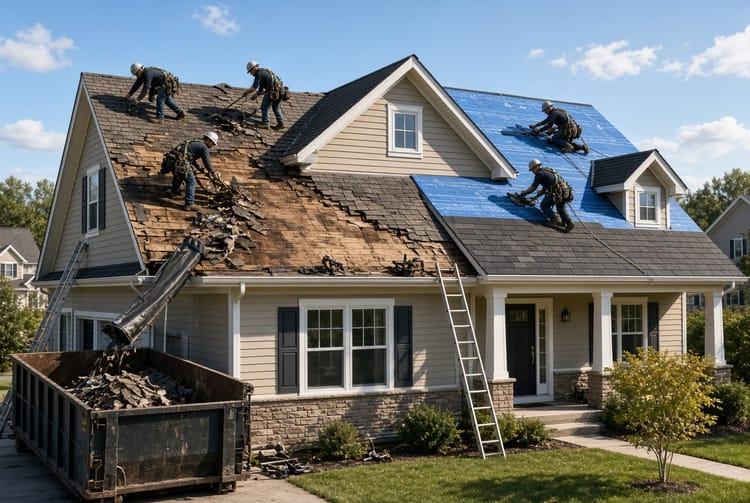
Proper installation is critical for maximum effectiveness. Qualified roofing professionals follow these steps:
- Thoroughly inspect and prepare the substrate, ensuring it's clean, dry, and structurally sound.
- Roll out the membrane with recommended overlaps and secure it appropriately (mechanical fasteners or adhesives based on product specs).
- Install compatible underlayment or directly apply shingles per guidelines.
- Integrate with flashing, vents, and edges for complete system integrity.
DIY attempts often fall short due to the precision required—always partner with experienced contractors familiar with uncoupling systems for best results. In Dallas-area homes, local expertise accounts for regional weather patterns and building codes.
Comparing Uncoupling Membranes to Traditional Underlayments
Traditional roofing felt or basic synthetics provide water resistance but lack true decoupling capabilities. They bond more rigidly, transmitting movements directly to shingles. Uncoupling membranes excel in dynamic environments where movement is inevitable, offering superior long-term protection without adding excessive weight or complexity.
While initial costs may be slightly higher, the return on investment through durability makes it a smart choice for quality-focused homeowners.
Real-World Applications and Success Stories
Across various roof types, uncoupling membranes have proven their value. On metal deck commercial buildings converted to mixed-use spaces, they prevent shingle failures that once plagued installations. In historic districts, they allow modern shingle updates while respecting original deck dynamics. Residential wood decks in moisture-prone areas see dramatically reduced curling and granule loss.
These solutions empower homeowners to address root causes rather than symptoms, fostering roofs that truly stand the test of time.
Maintenance and Long-Term Care
Once installed, maintenance remains straightforward. Regular inspections for debris, proper ventilation, and prompt gutter cleaning support the membrane's performance. Professional annual check-ups ensure early detection of any issues, keeping your protected shingles performing optimally.
Why Choose Professional Roofing Consultation?
Every roof is unique. A thorough evaluation by certified roofers identifies whether an uncoupling membrane aligns with your needs, roof type, and budget. They provide tailored recommendations, quality installation, and follow-up support.
Protect your shingles from substrate movement today. Don't let hidden stresses compromise your home's safety and value. Discover how a roof uncoupling membrane can safeguard your investment for decades to come. Our experts are ready to help you build a more resilient roof.
Secure Your Dallas Roof Against Movement – Call for Consultation!