The Roof Tie-Down Anchors: Securing Roofs in High-Wind Areas
When powerful storms approach, your roof faces one of the greatest threats to your home’s structural integrity. Roof tie-down anchors provide the essential reinforcement needed to keep roofs firmly attached in high-wind zones. These simple yet highly effective metal components can mean the difference between a secure home and catastrophic damage.
Secure Your Roof Against High Winds – Call Now!
In this comprehensive guide, we explore how tie-down anchors work, where they are most critical, and why professional installation matters for long-term safety and peace of mind.
What Are Roof Tie-Down Anchors?
Roof tie-down anchors, also known as hurricane ties or roof straps, are engineered metal connectors designed to link the roof’s framing members directly to the wall framing below.
Typically made from galvanized or stainless steel for superior corrosion resistance, these straps or clips create a continuous load path from the roof down to the foundation.
Key function: They resist uplift forces – the powerful upward pressure exerted by high winds flowing over a roof, similar to the lift generated on an airplane wing.
Without proper tie-downs, even moderate winds can begin to peel back roof edges, leading to progressive failure. With them, the entire roof structure works as a unified, wind-resistant system.
Why High-Wind Areas Demand These Anchors
Hurricane-prone regions, coastal communities, and areas with frequent severe thunderstorms face elevated risks. Building codes in these zones often mandate specific tie-down installations to meet wind-load requirements, sometimes exceeding 150–200 mph design speeds.
Common high-wind locations include:
- Coastal hurricane zones (Atlantic and Gulf coasts)
- Tornado alley regions
- Mountainous areas with channeled high winds
- Homes with large roof overhangs or complex rooflines
Bold reality: According to structural engineering standards, inadequate roof-to-wall connections are a primary cause of roof loss during major wind events. Proper tie-down anchors significantly reduce this vulnerability.
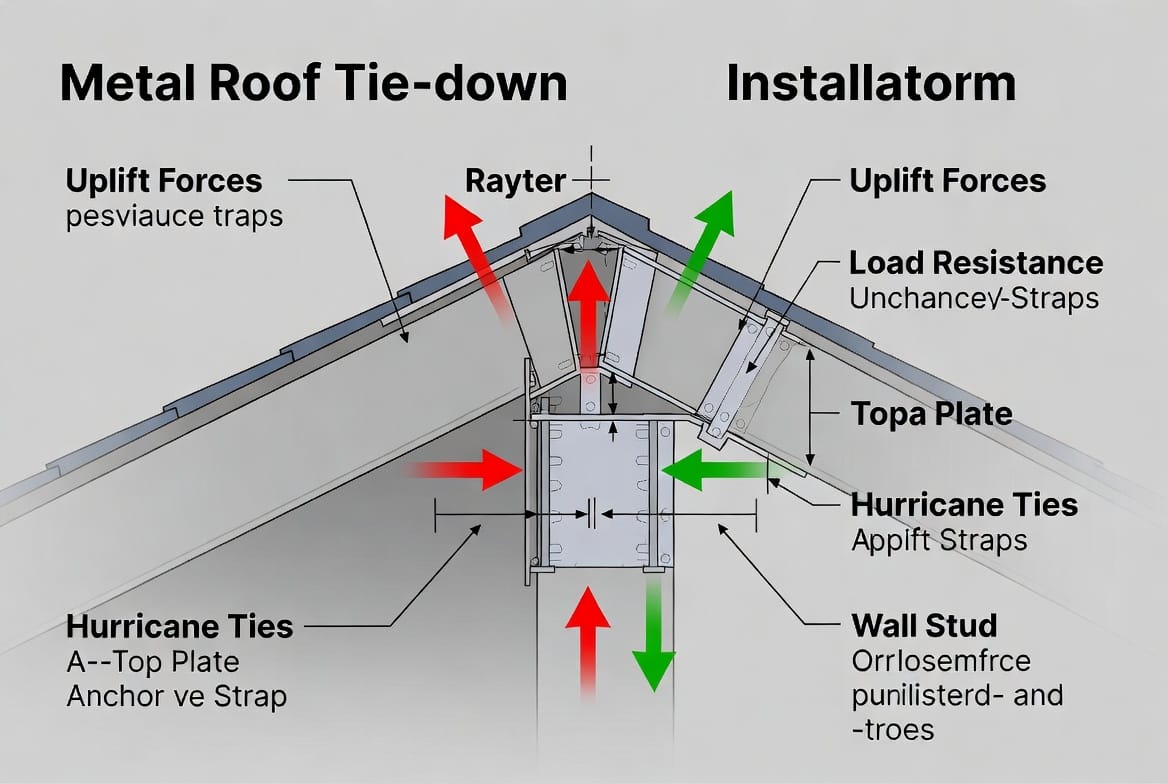
How Roof Tie-Down Anchors Prevent Roof Uplift
High winds create negative pressure above the roof and positive pressure beneath eaves and overhangs. This combination generates tremendous uplift forces that try to pull the roof upward and away from the walls.
Tie-down anchors counteract this by:
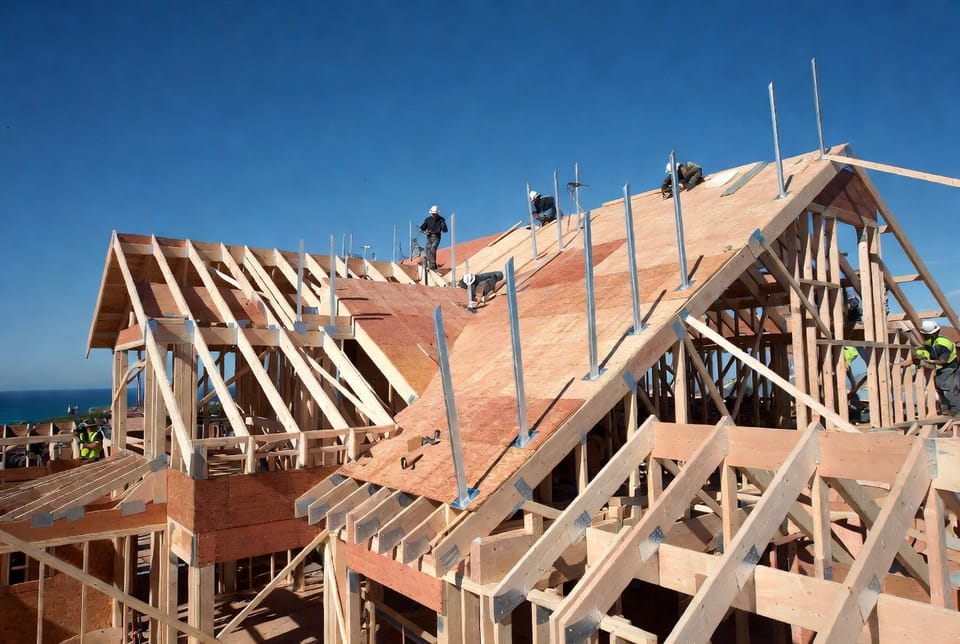
- Mechanically fastening rafters or trusses to the top plates of exterior walls
- Distributing uplift loads evenly across multiple connection points
- Working in tandem with other components like hurricane clips, straps, and reinforced gable ends
The physics is straightforward yet powerful: Instead of the roof acting independently, tie-downs integrate it with the stronger wall and foundation system, dramatically increasing overall resistance.
Installation Best Practices for Maximum Effectiveness
Professional installation is essential. Improperly placed or undersized anchors can fail to deliver the expected protection.
Critical installation considerations:
- Spacing and placement — Anchors must be installed at required intervals per local code, typically at each rafter or truss.
- Material quality — Use code-approved, corrosion-resistant straps rated for the specific wind zone.
- Connection details — Proper nailing patterns and embedment into both roof and wall framing.
- Integration with other reinforcements — Combine with wall-to-foundation anchors and roof sheathing clips for complete system performance.
Expert tip: During new construction or major re-roofing projects, installing tie-downs is far more cost-effective than retrofitting later.
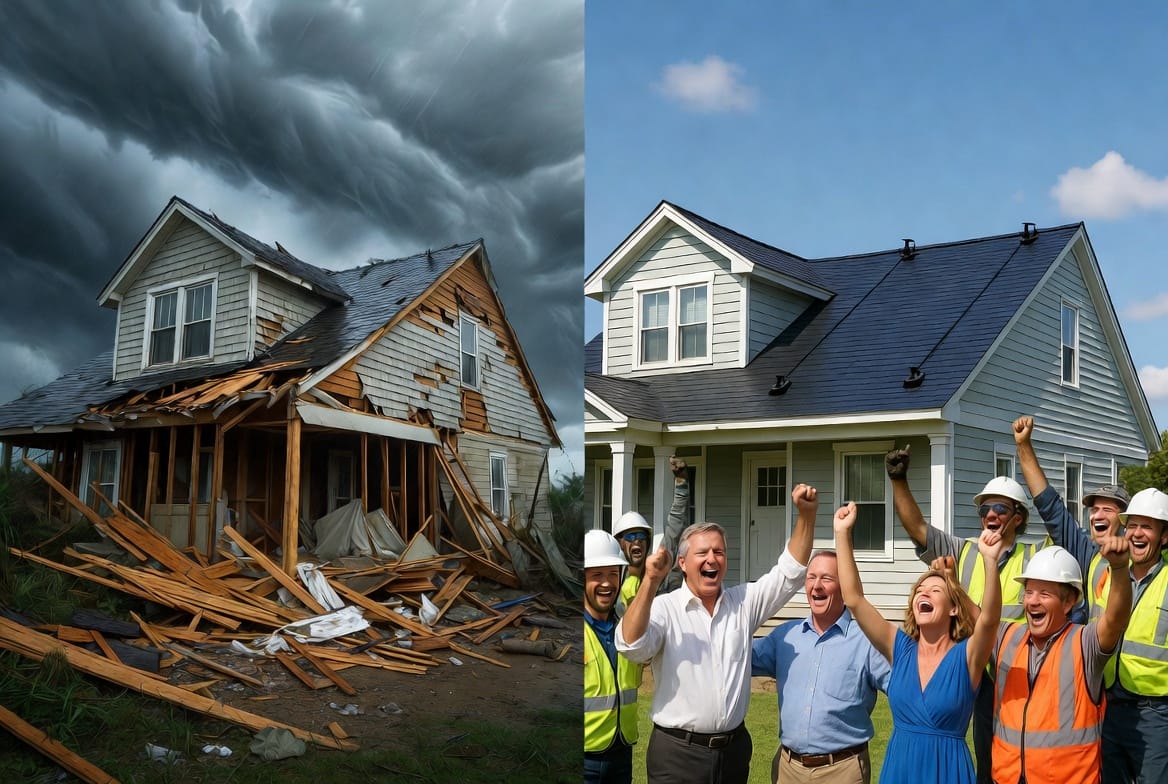
Not every home requires extensive tie-down systems, but certain conditions make them highly advisable:
- Location in designated high-wind zones
- Coastal exposure with direct ocean or gulf winds
- Large roof overhangs that catch more wind
- Older homes built before modern wind codes
- Complex roof designs with multiple hips, valleys, or gables
A professional structural inspection can quickly determine if your roof needs additional anchoring.
Benefits Beyond Storm Protection
Investing in roof tie-down anchors delivers multiple advantages:
- Enhanced structural safety for the entire home
- Potential insurance discounts in wind-prone areas
- Increased property value through documented resilience upgrades
- Peace of mind during hurricane season or severe weather
- Long-term durability reducing future repair costs
Reassuring fact: Modern tie-down systems, when properly installed, have proven highly effective in real-world major storm events, protecting families and preserving homes.
Common Myths About Roof Anchoring
Many homeowners underestimate the need for these reinforcements:
- “My roof looks fine, so it must be secure.” — Visual inspection cannot reveal hidden connection weaknesses.
- “Tie-downs are only for new construction.” — Retrofit options exist for existing homes.
- “Standard nails are enough.” — Nails alone often lack the uplift resistance of engineered metal connectors.
Professional assessment cuts through these misconceptions with data-driven recommendations.
Choosing the Right Professionals for Your Roof Security
Selecting experienced contractors who understand local wind codes and use quality materials ensures optimal results. Look for teams specializing in structural roofing solutions with a track record in high-wind regions.
At every step, prioritize code compliance, engineering integrity, and long-term performance.
Secure Your Roof Against Uplift Today
Your roof protects everything you value most. Don’t leave it vulnerable to high winds. Roof tie-down anchors offer proven, cost-effective protection that strengthens your home’s most critical defense.
Take action now: Schedule a professional structural inspection to evaluate your roof’s tie-down needs and wind resistance.
Protecting your home starts with strong connections at every level. Invest in roof tie-down anchors and build lasting security against nature’s strongest winds.
Protect Your Roof from Uplift – Schedule Inspection Now