The Roof Shingle Manufacturer Warranties: Understanding Coverage
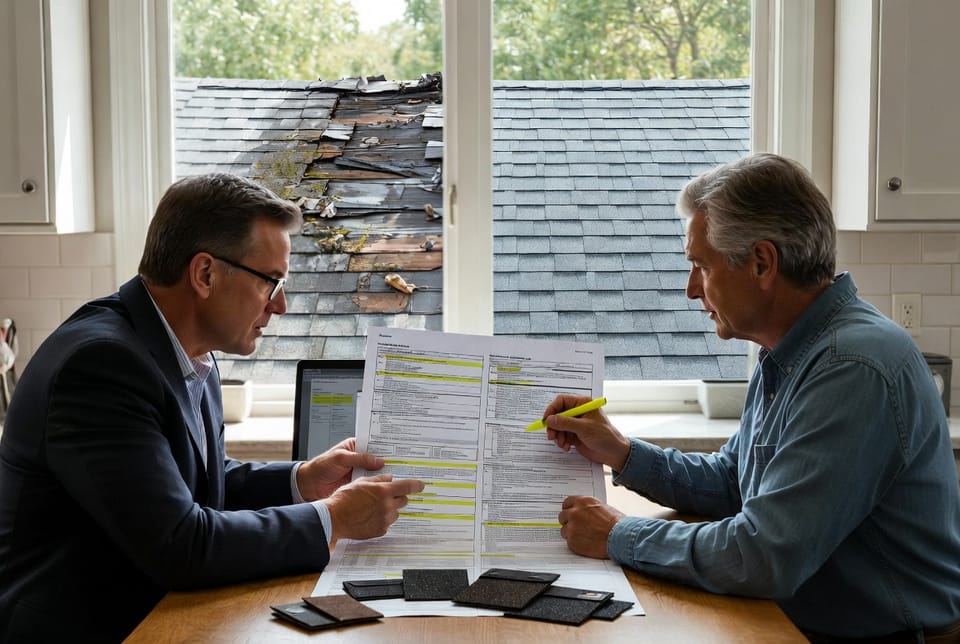
Your roof stands as one of the most critical protective systems for your home. When asphalt or architectural shingles begin to show unexpected wear, curl, or granule loss far earlier than expected, the first question many homeowners ask is whether the manufacturer warranty will provide relief. Understanding exactly what that warranty covers—and what it deliberately excludes—can mean the difference between a smooth resolution and unexpected out-of-pocket expense.
Get Expert Guidance on Shingle Warranties – Call Now!
Manufacturer warranties exist to protect against genuine product failures. They are not insurance policies, nor are they installation guarantees. Approaching them with clear knowledge allows you to act confidently if an issue ever appears. This guide walks through warranty language in plain terms, clarifies coverage boundaries, lists the most common exclusions, and outlines the practical steps for filing a claim. The goal is simple: give you the authoritative information needed so you never face a roofing concern unprepared.
Core Warranty Terms Every Homeowner Should Know
Manufacturer warranties for roof shingles typically contain several standardized elements. The warranty period is the length of time the coverage remains active, often ranging from 20 years to a lifetime limited warranty depending on the product line. Within that period, many warranties distinguish between a full-replacement phase and a prorated phase. During the early years, a manufacturer may cover the cost of replacement shingles at full value. Later, coverage often declines according to a published schedule.
Another key phrase is limited warranty. This language signals that protection is restricted to specific defects and subject to stated conditions. The warranty almost always transfers with the property under defined rules, though some require registration within a set window after installation. Labor coverage appears in higher-tier warranties and may reimburse a portion of installation costs when a covered defect is confirmed. Standard material-only warranties, by contrast, supply only the replacement shingles themselves.
Transferability matters for resale value. Many warranties remain valid for a subsequent owner if proper transfer paperwork is completed within a required timeframe. Failure to follow transfer instructions can void remaining protection. Finally, the term prorated coverage means the manufacturer’s contribution decreases as the roof ages. Understanding these terms in advance prevents confusion when a claim becomes necessary.
What Manufacturer Warranties Actually Cover
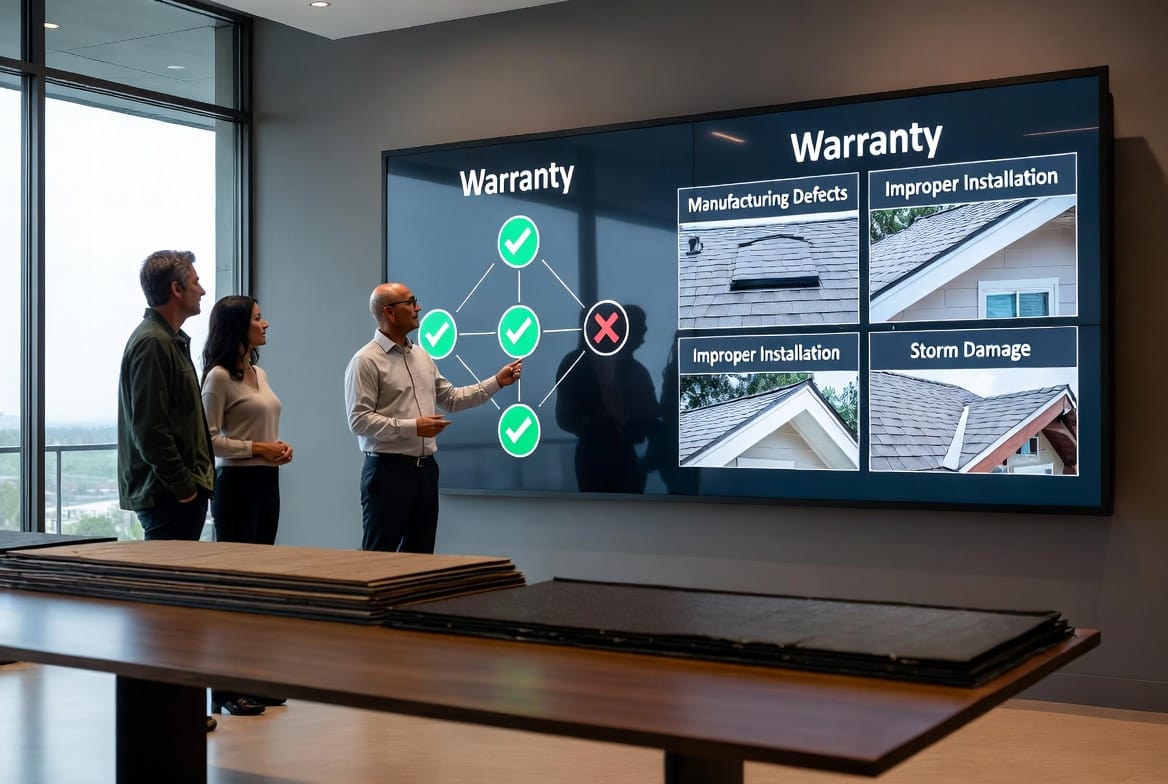
Manufacturer warranties focus exclusively on product defects that originate in the manufacturing process. These include manufacturing flaws that cause shingles to blister, crack, split, or lose granules at an abnormal rate under normal weather conditions. When the material itself fails to perform as designed because of a factory error, the warranty is designed to respond.
Coverage commonly extends to:
- Manufacturing defects that produce premature deterioration
- Excessive granule loss that exceeds normal weathering
- Thermal cracking or blistering linked to production issues
- Color fading beyond accepted industry tolerances when caused by material failure
The warranty does not cover the workmanship of the installation crew. Even the highest-quality shingle can fail early if it is installed incorrectly. Manufacturers therefore draw a clear line: they stand behind the product they produced, not the labor performed by others. This distinction is fundamental. Homeowners who assume the warranty will correct every roof problem often discover the limitation only after submitting a claim.
In practice, a successful claim requires documented evidence that the shingles themselves are defective rather than damaged by external forces or installation error. Photographs, product codes, and purchase records become essential supporting materials. When those elements align with the warranty language, the manufacturer typically supplies replacement shingles according to the remaining coverage percentage.
Common Exclusions That Limit Protection
Manufacturer warranties contain explicit exclusions that protect the company from claims arising outside its control. The two most frequently encountered exclusions are improper installation and storm damage.
Improper installation voids coverage when shingles are applied without following the manufacturer’s published instructions. Common installation errors include incorrect nailing patterns, insufficient underlayment, poor ventilation, or failure to install required starter strips and ridge vents. Because these mistakes affect performance regardless of shingle quality, manufacturers exclude them. Even a minor deviation can lead to a claim denial.
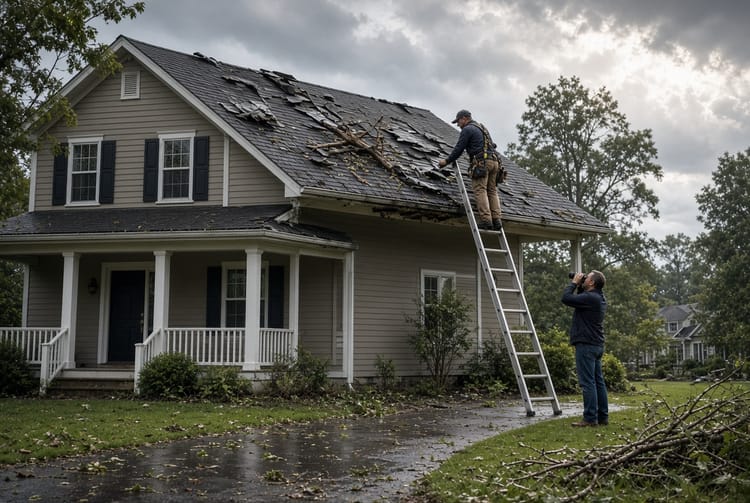
Storm damage represents another major exclusion. High winds, hail, falling branches, and flying debris are classified as acts of nature or external events. These forces can tear, crack, or puncture shingles that were otherwise free of manufacturing defects. Manufacturers therefore direct homeowners to their homeowners insurance policy for storm-related losses. The warranty remains silent on weather events beyond normal environmental exposure.
Additional exclusions often include:
- Failure to maintain proper attic ventilation
- Damage caused by foot traffic, animals, or rooftop equipment
- Alterations or repairs performed without manufacturer-approved methods
- Use of incompatible roofing components or sealants
- Neglect of routine maintenance such as debris removal
Understanding these boundaries prevents disappointment. A warranty is a precise contract, not a blanket promise. Knowing the exclusions in advance allows you to combine manufacturer protection with proper installation practices and adequate insurance coverage for a complete safety net.
How to File a Manufacturer Warranty Claim
Filing a claim follows a structured sequence. Acting methodically increases the likelihood of a favorable outcome.
Begin by locating the original warranty documents, product packaging, or purchase invoices. Most manufacturers require the product identification codes printed on the shingle packaging or the bundle wrappers. Without these identifiers, verifying the exact product line becomes difficult.
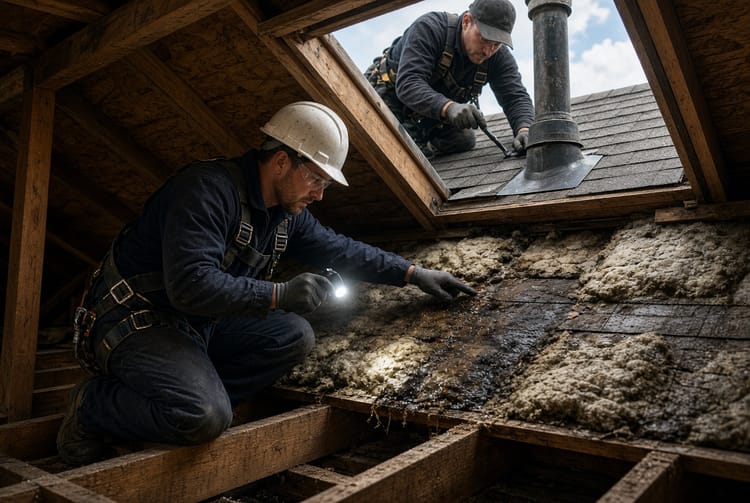
Next, document the condition thoroughly. Take clear, dated photographs of the affected areas from multiple angles, including close-ups of any blistering, cracking, or granule loss. Capture wide shots that show the overall roof and surrounding conditions. Avoid walking on the roof yourself if it appears unsafe; a qualified inspector can gather the necessary evidence.
Contact the manufacturer’s warranty department using the telephone number or online portal listed in the warranty literature. Provide the product codes, installation date, and a concise description of the observed problem. Many companies issue a claim number immediately and send a claim form that must be completed and returned with supporting photographs.
The manufacturer may request an independent inspection. An authorized representative or third-party inspector will examine the roof to determine whether the issue stems from a manufacturing defect. Cooperate fully and supply any additional information requested. Once the inspection concludes, the manufacturer issues a decision letter outlining the coverage determination and any prorated allowance.
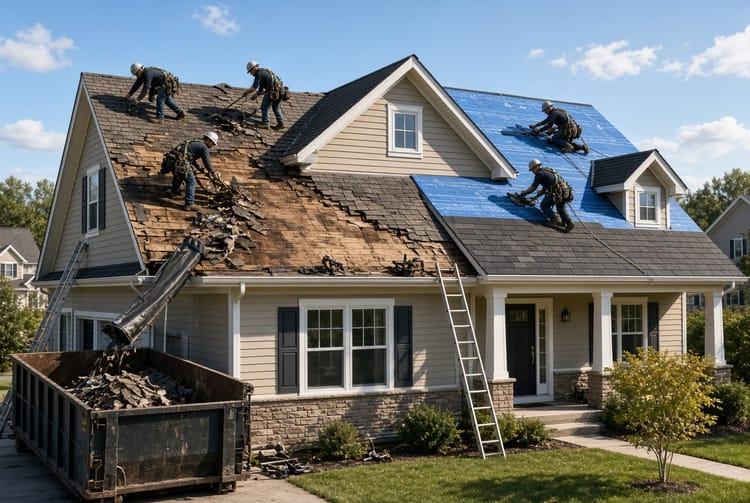
If replacement shingles are approved, the manufacturer ships the materials to a designated supplier or directly to the property. Installation of the new shingles remains the homeowner’s responsibility unless the specific warranty includes labor reimbursement. Keep all correspondence, inspection reports, and shipping records for future reference.
Throughout the process, maintain realistic expectations. Claims involving clear manufacturing defects progress more smoothly than those that appear related to installation or weather. Persistence and complete documentation remain the strongest tools available to the homeowner.
Practical Steps to Protect Your Warranty Rights
Several proactive measures help preserve warranty protection from the start. Choose a contractor who follows the manufacturer’s installation guidelines precisely and is willing to provide written confirmation of compliance. Register the warranty promptly if the manufacturer requires registration. Retain every receipt, product label, and installation invoice in a secure file.
Schedule periodic visual inspections from the ground or with a professional. Early detection of unusual wear allows you to address potential issues before they escalate. Ensure attic ventilation remains adequate; poor airflow can accelerate shingle aging and trigger exclusion clauses. Avoid using the roof as a storage platform or walking surface except when necessary for legitimate maintenance.
When purchasing a home with an existing roof, request the warranty documents during the transaction. Verify transfer status and remaining coverage length. These simple habits keep the warranty intact and ready for use if needed.
Why Professional Guidance Matters
Even with clear documentation, interpreting warranty language can feel complex. Product lines differ, regional climate conditions influence performance expectations, and claim procedures evolve. Speaking with experienced roofing professionals who understand both the technical and administrative sides of manufacturer warranties provides reassurance and clarity.
A knowledgeable advisor can review your specific warranty documents, help prepare claim materials, and coordinate inspections when appropriate. They can also recommend complementary protection strategies—proper installation standards, maintenance routines, and insurance alignment—so that material defects, workmanship concerns, and weather events each receive appropriate coverage.
Final Considerations for Long-Term Roof Confidence
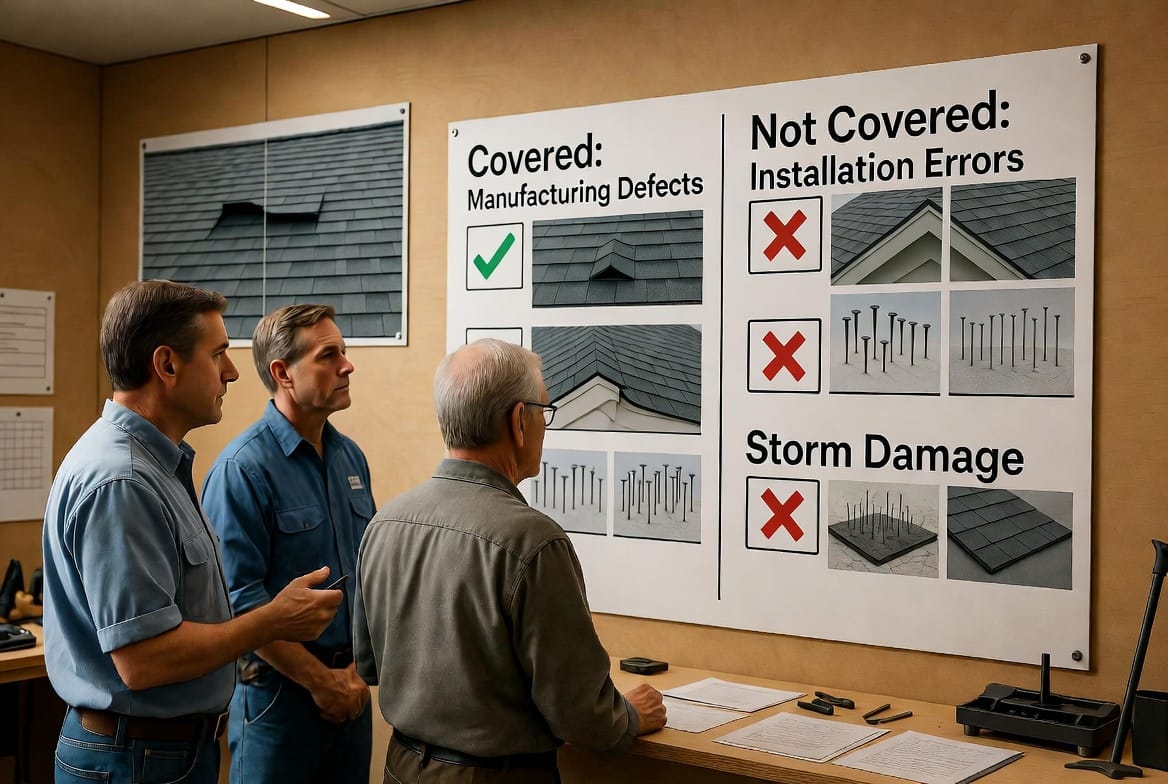
Roof shingle manufacturer warranties serve a precise purpose: they protect against defects that originate in the manufacturing process. They do not replace careful installation, routine maintenance, or adequate insurance for external events. By learning the difference between covered defects and common exclusions such as improper installation and storm damage, homeowners gain the ability to respond effectively when issues arise.
Keep your warranty documents accessible. Document roof conditions regularly. Follow the manufacturer’s claim process with complete information. These steps transform a potentially stressful situation into a manageable administrative task.
Know your roof warranty before you need it. Understanding the fine print today protects your investment tomorrow. For personalized guidance on reviewing your specific warranty documents, preparing claim materials, or evaluating your roof’s current condition. Experienced professionals stand ready to help you navigate coverage details with clarity and confidence.
Protect Your Roof with Clear Warranty Answers – Call Today!