The Roof Shingle Algae Resistance: Copper Granules vs. Other Treatments
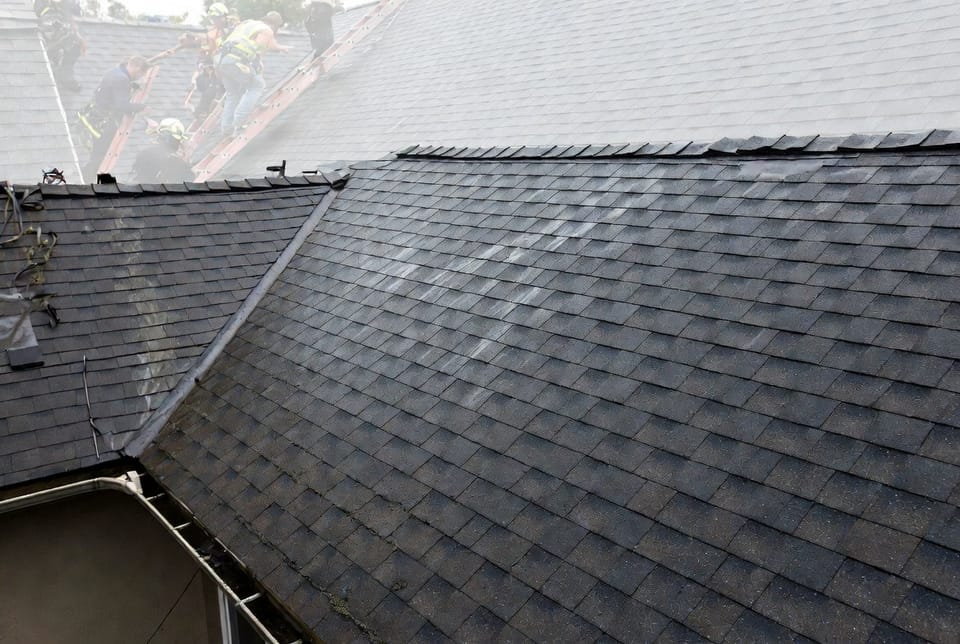
Dark streaks on your roof are more than an eyesore—they signal a persistent battle against roof algae that can affect curb appeal and long-term roof performance. Homeowners across humid regions frequently notice these unsightly black or brownish lines, especially on north-facing slopes where moisture lingers longer. The good news? Modern roof shingle algae resistance technologies, led by copper granules, deliver reliable, long-lasting protection that outperforms temporary fixes.
Get Copper-Infused Algae Protection Today – Call Now!
In this comprehensive guide, we break down exactly what causes these streaks, how copper granules work their magic, and why they stand above zinc strips or cleaning treatments. You’ll learn what to look for in shingle specifications and discover practical ways to keep your roof looking pristine for decades. When you choose the right solution, you protect not only appearance but also your home’s value and your peace of mind.
What Causes Dark Streaks on Your Roof?
Dark streaks almost always trace back to a microscopic organism known as Gloeocapsa magma—a type of cyanobacteria commonly called roof algae. These tiny organisms float in the air as spores, landing on virtually every roof. Under the right conditions, they thrive and multiply rapidly.
North-facing roof sections stay damper and cooler because they receive less direct sunlight. Combined with airborne dust, pollen, and mineral deposits from asphalt shingles, this creates the perfect feeding ground. The algae produce dark pigments as a protective shield, resulting in those characteristic black streaks that run down the roof surface after rain.
Left unchecked, the streaks become more noticeable each year. While the algae itself rarely causes structural damage, the constant moisture retention can accelerate wear on underlying materials and reduce your roof’s overall lifespan. Understanding this root cause is the first step toward choosing effective roof shingle algae resistance strategies that stop the problem before it starts.
The Science Behind Roof Algae Growth
Gloeocapsa magma is remarkably resilient. It survives extreme temperatures and needs only minimal nutrients to flourish. Rainwater carries trace minerals from your shingles, providing exactly what the algae needs. Once established, the organisms form colonies that spread downward with every rainfall, creating the familiar streaked pattern homeowners dread.
Humidity, tree cover, and local climate play major roles. Homes near wooded areas or in coastal regions see faster growth. Many homeowners first spot the issue after five to seven years on standard shingles. The key insight? Prevention through built-in resistance is far more effective—and cost-efficient—than repeated cleaning.
Copper Granules: The Gold Standard for Algae Resistance
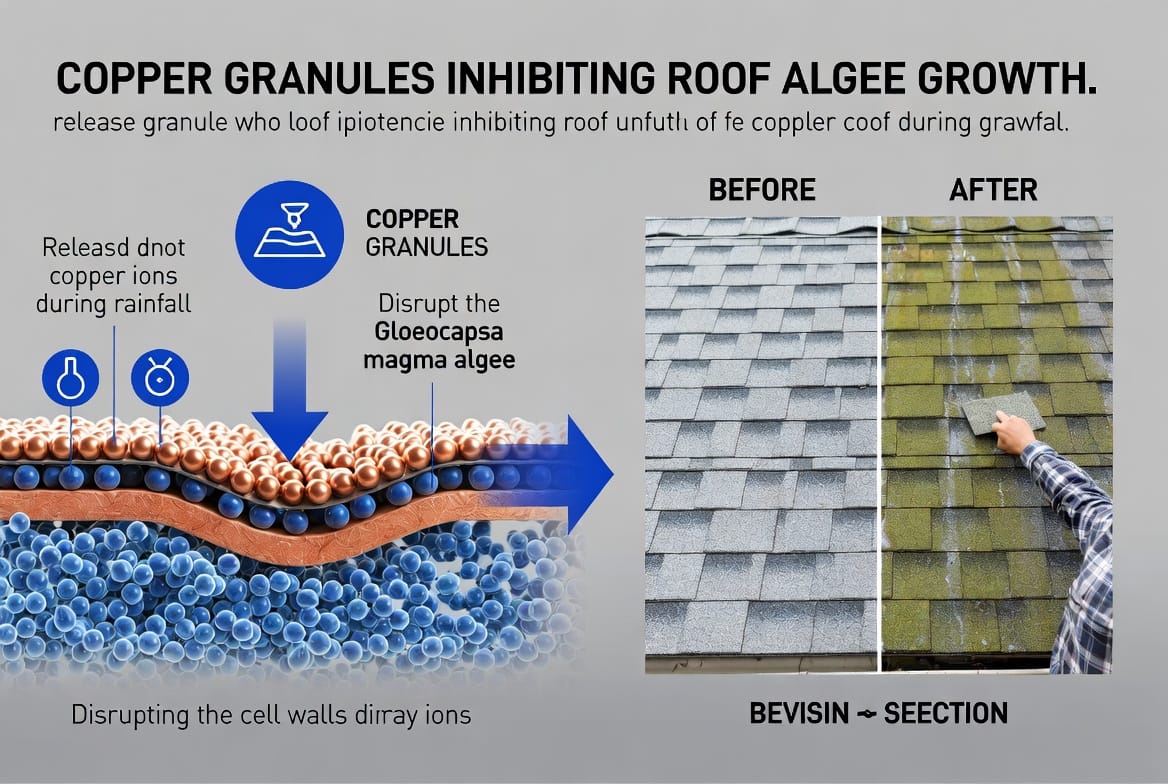
Copper granules represent the most advanced and reliable defense in roof shingle algae resistance today. Manufacturers embed tiny copper particles directly into the protective granules on the shingle surface during production. When rain falls, these granules release controlled amounts of copper ions that flow across the entire roof.
The copper ions create an environment hostile to Gloeocapsa magma. Even in microscopic quantities, they disrupt the algae’s cellular processes, preventing attachment and growth. Because the copper is distributed uniformly from the ridge to the eaves, protection reaches every inch of the roof—unlike spot treatments.
Homeowners who upgrade to copper-treated shingles routinely enjoy 20 to 30 years of streak-free performance. The technology is passive: no annual maintenance, no chemicals, and no labor required after installation. This built-in protection maintains your roof’s original beauty while preserving manufacturer warranties.
Key benefits of copper granule shingles include:
- Uniform coverage across the entire roof surface
- Long-lasting ion release that withstands heavy rains and wind
- Compatibility with most architectural and laminated shingle styles
- Enhanced resistance to other airborne contaminants
- Improved resale value through documented algae resistance
How Copper Granules Inhibit Algae Growth – Visual Breakdown
Zinc Strips vs. Copper Granules: A Head-to-Head Comparison
Zinc strips offer another popular treatment option. Installed along the roof ridge, they release zinc ions during rainfall to inhibit algae growth below. While effective in many cases, zinc strips have limitations compared to copper granules embedded throughout the shingle.
Zinc protection depends on proper placement and consistent water flow. Areas farther from the ridge may receive less protection over time. Strips can also oxidize and require occasional replacement. In contrast, copper granules provide consistent, distributed defense from day one.
Copper-treated shingles also integrate seamlessly during new construction or replacement projects, eliminating the need for additional labor or visible hardware. Industry experience shows copper delivers more uniform, longer-lasting results with fewer maintenance concerns. When evaluating roof shingle algae resistance, copper granules consistently outperform zinc strips for comprehensive coverage and durability.
What to Look for in Shingle Specifications (Copper-Treated)
Choosing the right shingles requires careful attention to manufacturer specifications. Not all “algae-resistant” claims are equal. Here’s what experienced roofing professionals recommend you verify:
- Copper-treated granules explicitly listed in the product description
- AR (Algae Resistant) rating with documented copper or zinc technology
- Warranty coverage specifically addressing algae discoloration (typically 10–25 years)
- Granule weight and type confirming embedded copper particles
- Third-party testing results for long-term performance in humid climates
Reputable manufacturers clearly state the algae-resistance method on the shingle packaging and technical data sheets. Ask your roofing contractor to show you the exact product literature. Investing in properly specified copper-treated shingles ensures you receive the full protection your home deserves.
Cleaning Alternatives: Temporary Fixes and Their Limitations
Many homeowners first try cleaning as a quick solution for existing dark streaks. Professional soft-washing uses specialized low-pressure solutions to remove visible algae without damaging shingles. Results appear dramatic within days.
However, cleaning addresses only the symptom, not the cause. Spores remain in the air and quickly recolonize treated surfaces—often within 12 to 24 months. Repeated cleanings increase the risk of granule loss and can affect shingle warranties. Chemical cleaners may also introduce environmental concerns.
Pros of professional cleaning:
- Immediate cosmetic improvement
- Suitable for older roofs not ready for full replacement
Cons of cleaning as a standalone solution:
- Temporary results requiring repeat visits
- Higher long-term cost compared to preventive shingles
- Potential warranty complications if harsh chemicals are used
For best results, many experts combine an initial cleaning with the installation of copper granule shingles during the next roof replacement cycle. This dual approach delivers both immediate and long-term protection.
Choosing the Right Solution for Your Roof
Every roof and homeowner situation is unique. Factors such as roof age, local climate, tree coverage, and budget all influence the ideal roof shingle algae resistance strategy. Copper granule shingles provide the most reliable long-term defense for new installations or full replacements. Zinc strips work well as a supplemental measure on existing roofs. Professional cleaning offers a short-term refresh while you plan your next steps.
The authoritative choice remains prevention over cure. By selecting shingles engineered with copper granules, you invest in decades of clean, attractive roofing without ongoing maintenance hassles. Your roof stays protected through seasonal changes and harsh weather, preserving both appearance and structural integrity.
Modern roofing technology has made streak-free roofs achievable for every homeowner. The solutions exist, and the results speak for themselves—beautiful, low-maintenance roofs that enhance your property for years to come.
Prevent ugly black streaks on your roof. Ask about algae-resistant shingles today and discover how copper granules can deliver lasting protection tailored to your home. Your roof—and your peace of mind—deserve the best defense available.
Protect Your Roof from Black Streaks – Free Consultation