The Roof Repair Estimate: What to Look For in a Quote
When your roof shows signs of wear—missing shingles, persistent leaks, or storm damage—the first step toward restoration is obtaining a solid roof repair estimate. A well-crafted quote does far more than list numbers; it serves as a roadmap that protects your home, your budget, and your peace of mind. Evaluating bids carefully ensures you receive quality workmanship, fair pricing, and lasting results rather than costly surprises later. This guide walks you through every critical element of a professional estimate so you can assess proposals with confidence and authority.
Protect Your Roof the Smart Way – Request Estimate Now!
Homeowners often feel overwhelmed by technical language and varying price points. Yet understanding the structure of a reliable quote transforms that uncertainty into informed decision-making. A thorough evaluation process helps you distinguish between contractors who prioritize your long-term protection and those who simply chase the quickest sale. By focusing on clarity, completeness, and accountability, you position yourself to choose a partner who will treat your roof as the vital shield it is.
Understanding the Purpose of a Roof Repair Estimate
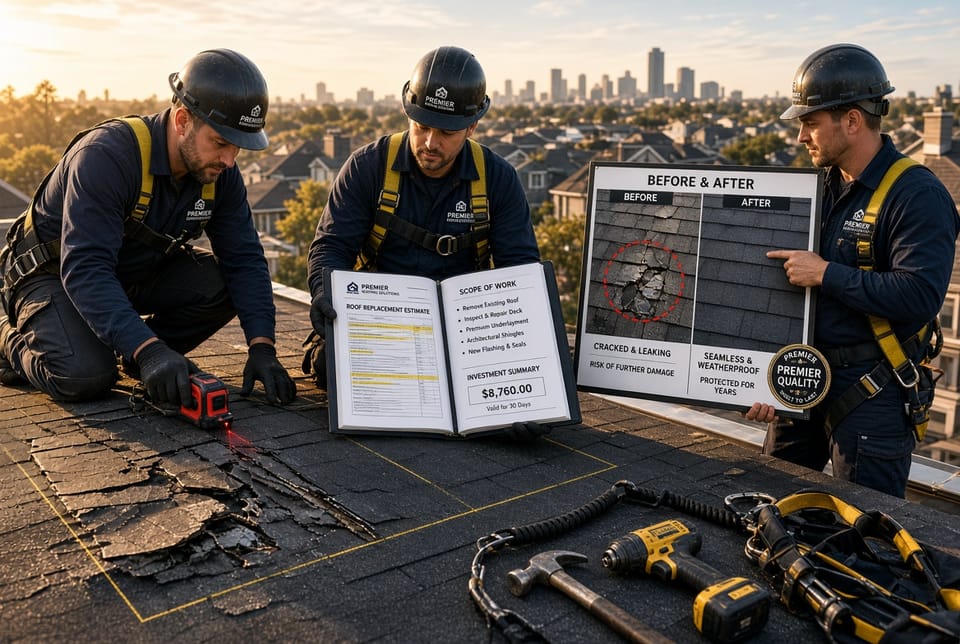
A roof repair estimate is a formal written document that outlines the scope of work, materials, labor, timelines, and associated costs required to restore your roof’s integrity. Unlike a casual verbal offer, a professional estimate becomes a binding reference point once accepted. It protects both parties by defining expectations and reducing the risk of misunderstandings.
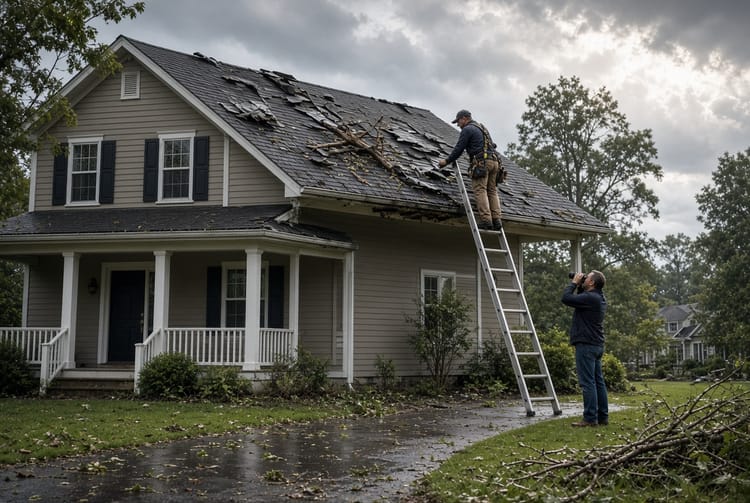
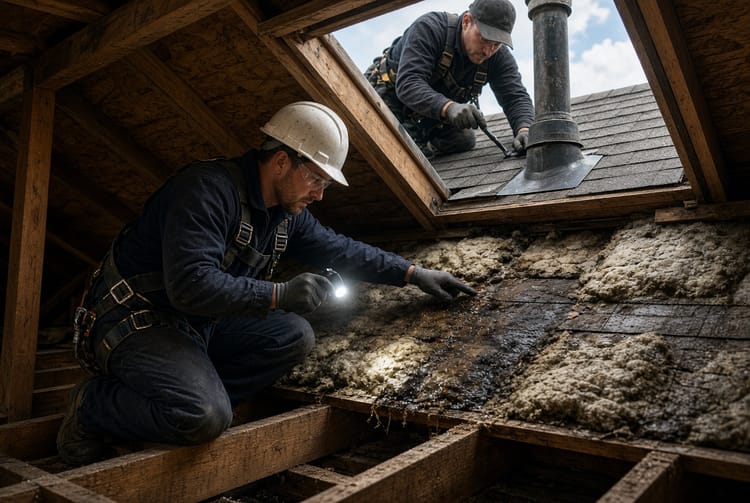
The best estimates are prepared only after an on-site inspection. A reputable contractor climbs the roof, examines the decking, checks flashings, assesses ventilation, and photographs problem areas. This hands-on approach produces accurate measurements and realistic pricing. When an estimate arrives without evidence of a physical inspection, treat it as incomplete. Accurate diagnostics form the foundation of every trustworthy quote.
What a Good Estimate Includes
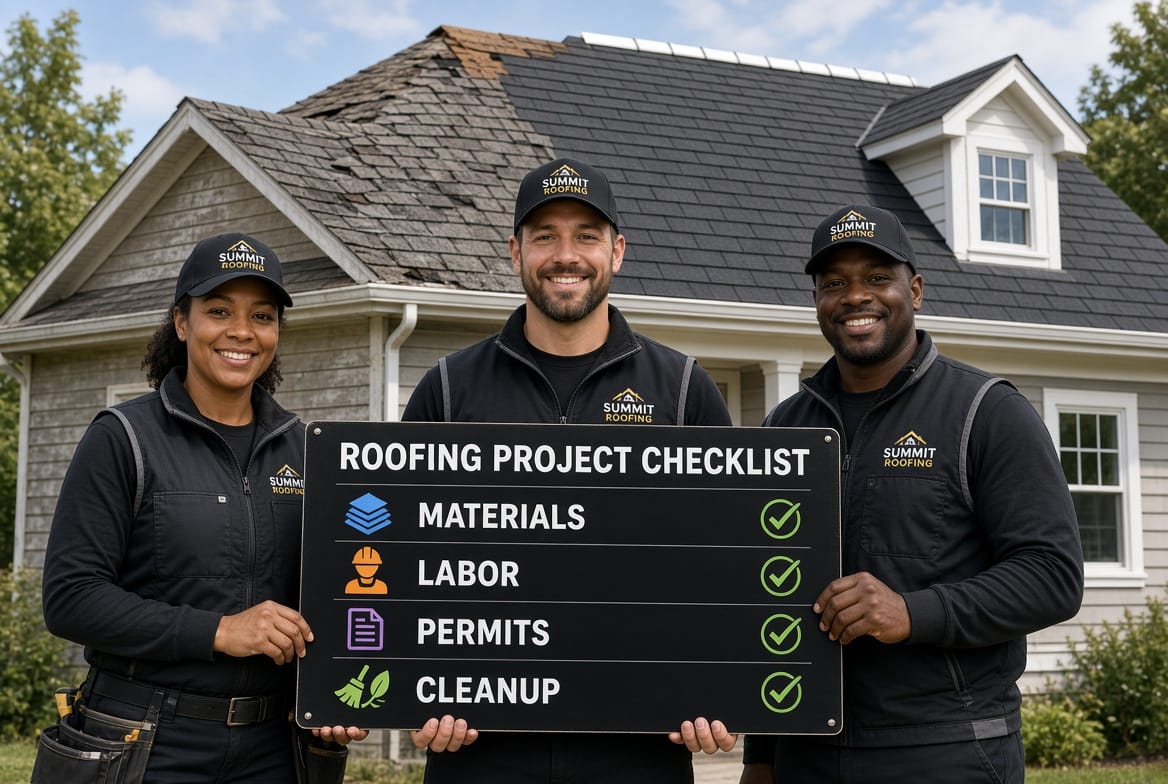
A comprehensive roof repair estimate covers four essential categories: materials, labor, permits, and cleanup. Each category must appear with clear line items, quantities, and unit costs. Vague summaries leave room for later disputes.
Materials
Quality materials determine how long your repair will last. A strong estimate lists:
- Specific brand names and product lines for shingles, underlayment, ice-and-water shield, and ridge vents
- Exact quantities measured in squares or linear feet
- Warranty information attached to each product
- Color and style selections matching your existing roof where possible
Look for notes confirming that materials meet or exceed local building codes and manufacturer specifications. Premium architectural shingles, for example, carry longer warranties and better wind resistance than basic three-tab options. When the estimate simply says “shingles” without further detail, request clarification. Precision here prevents substitution of inferior products once work begins.
Labor
Labor costs reflect the skill and time required to complete the job safely and correctly. A transparent estimate breaks labor into:
- Number of crew members assigned
- Estimated hours or days of work
- Hourly or project-based rates
- Specialists needed for complex tasks such as chimney flashing or skylight integration
Experienced crews work efficiently yet carefully, minimizing the chance of secondary damage to your property. The estimate should also note whether the labor carries a workmanship warranty—typically one to five years. This assurance demonstrates the contractor’s confidence in their team’s performance.
Permits
Most municipalities require permits for roof repairs that involve structural changes or significant surface replacement. A professional estimate either includes the permit fee as a separate line item or clearly states that the contractor will obtain and manage the permit. Skipping this step can result in fines, delayed insurance claims, or forced removal of completed work. Confirm that the quoted price covers inspection fees and any required engineering stamps.
Cleanup
Proper cleanup protects your landscaping, vehicles, and neighborhood. A complete estimate details:
- Daily debris removal using magnets for nails
- Tarping of sensitive areas
- Final site sweeping and disposal of all waste at an approved facility
- Optional dumpster placement if volume is high
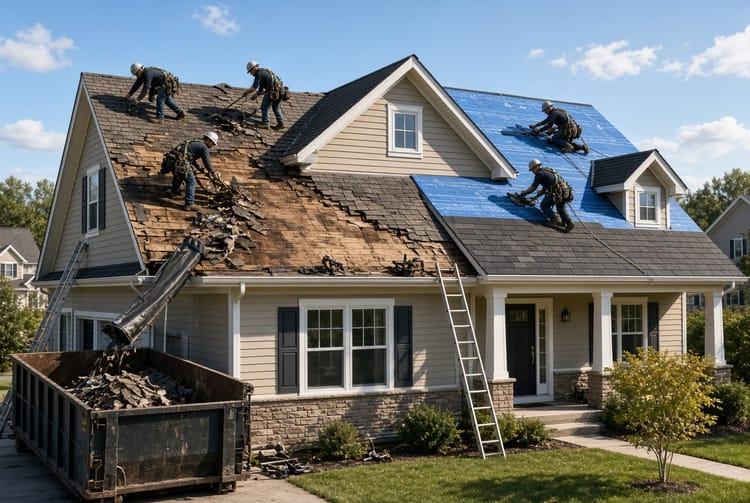
Never accept an estimate that omits cleanup language. Leftover nails and scattered shingles create hazards long after the crew leaves. Professional crews treat cleanup as an integral part of the service, not an afterthought.
When these four pillars appear with specific numbers and descriptions, you hold a document that supports informed comparison and future accountability.
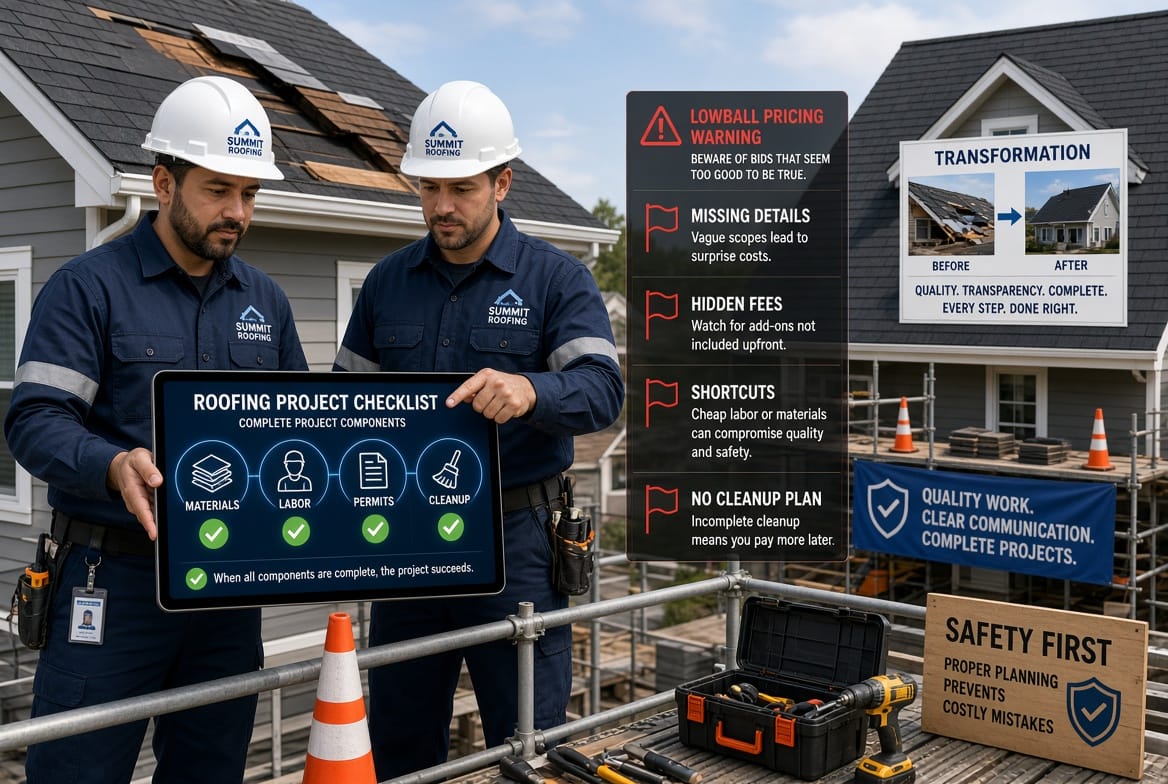
Red Flags That Signal Trouble
Not every quote deserves equal consideration. Certain warning signs reveal shortcuts that can compromise both safety and finances.
Lowball pricing stands out as the most common risk. When one bid falls dramatically below others—sometimes 30 percent or more—ask why. Unrealistically low numbers often mean:
- Inferior materials that fail within a few seasons
- Understaffed crews rushing the job
- Omitted items that appear later as change orders
- Lack of proper insurance or licensing
A price that seems too good to be true usually is. Quality roofing demands fair compensation for skilled labor and durable products.
Missing details form another major red flag. Watch for estimates that:
- Provide only a single total without line-item breakdowns
- Use generic phrases such as “miscellaneous repairs” or “as needed”
- Fail to specify start and completion dates
- Omit payment schedules or deposit requirements
Ambiguity invites conflict. Demand clarity on every page.
Additional caution signals include pressure tactics (“sign today or the price rises”), reluctance to supply references or proof of insurance, and estimates delivered without a physical inspection. Any of these should prompt further investigation or outright rejection.
How to Compare Multiple Quotes Effectively
Obtaining three to five estimates creates a useful range for evaluation. Place the documents side by side and examine them systematically.
Begin with scope of work. Confirm that every contractor addresses the same problem areas. One may recommend full replacement of a section while another suggests patching; the difference must be justified by inspection findings. Next compare materials. Identical brand names and grades allow true price alignment. If one quote upgrades to a higher-tier product, note the added value.
Labor and timeline comparisons reveal efficiency and reliability. A slightly higher labor cost may reflect a larger, better-trained crew that finishes faster and with fewer interruptions. Review warranty coverage carefully—both material and workmanship. Longer combined warranties often justify a modest premium.
Payment terms also matter. Reputable contractors typically request a reasonable deposit (rarely more than one-third) and schedule subsequent payments tied to project milestones. Avoid anyone demanding full payment upfront.
Finally, evaluate the overall presentation. Professional formatting, clear contact information, licensing numbers, and insurance certificates indicate organizational strength. A hastily written scrap of paper rarely accompanies excellent work.
Additional Factors That Strengthen Your Decision
Beyond the core numbers, consider these supporting elements:
- Insurance and licensing verification: Request current certificates and confirm active status with local authorities.
- References and portfolio: Speak with recent customers and view completed projects similar to yours.
- Communication style: Responsive, patient explanations signal a contractor who values client relationships.
- Contingency planning: Weather delays, hidden decking damage, or supply shortages should be addressed in writing.
- Local knowledge: Contractors familiar with regional climate patterns and code requirements deliver more resilient repairs.
Document every conversation and keep copies of all estimates. This paper trail becomes invaluable if questions arise later.
Practical Steps to Request and Review Estimates
- Research contractors with strong local reputations and positive reviews focused on repair work rather than new construction alone.
- Schedule on-site inspections within a short window so conditions remain consistent.
- Prepare a list of observed problems and questions before each visit.
- Request written estimates within a set timeframe, typically three to five business days.
- Organize the documents in a single folder or digital file for easy comparison.
- Contact the top two or three candidates with follow-up questions about any unclear items.
- Verify all credentials before signing.
- Choose the proposal that balances completeness, transparency, and fair value rather than the lowest price alone.
Following this sequence reduces stress and increases the likelihood of a successful outcome.
Protecting Your Investment After Acceptance
Once you select a contractor, the estimate becomes the project blueprint. Review the final contract to ensure it matches the original quote. Confirm start dates, material delivery schedules, and daily work hours. Maintain open communication throughout the process and document progress with photos. Upon completion, conduct a joint walkthrough using the estimate as a checklist. Address any remaining items before releasing final payment.
A carefully chosen roof repair estimate sets the stage for years of reliable protection. Your roof shields everything beneath it; treating the selection process with equal seriousness yields dividends in comfort, safety, and property value.
Final Thoughts on Wise Evaluation
Evaluating roof repair quotes is an empowering process that places control firmly in your hands. By insisting on detailed materials lists, transparent labor breakdowns, proper permits, and thorough cleanup, you filter out incomplete or risky proposals. Recognizing lowball pricing and missing details as warning signs further safeguards your investment. Systematic comparison of multiple estimates reveals the true best value—not merely the cheapest option.
Take the time to scrutinize every page. Ask questions until every line is clear. The few extra hours spent reviewing bids can prevent months of frustration and thousands of dollars in corrective work. Your roof deserves the same careful attention you give the rest of your home.
Evaluate roof quotes wisely. When you are ready for a thorough, professional assessment that leaves nothing to chance. Experienced specialists stand prepared to inspect your roof, explain every finding, and deliver a clear, comprehensive quote you can trust.
Secure a Transparent Roof Repair Quote – Call Today!