The Roof Permits: Why You Need One and How to Get It
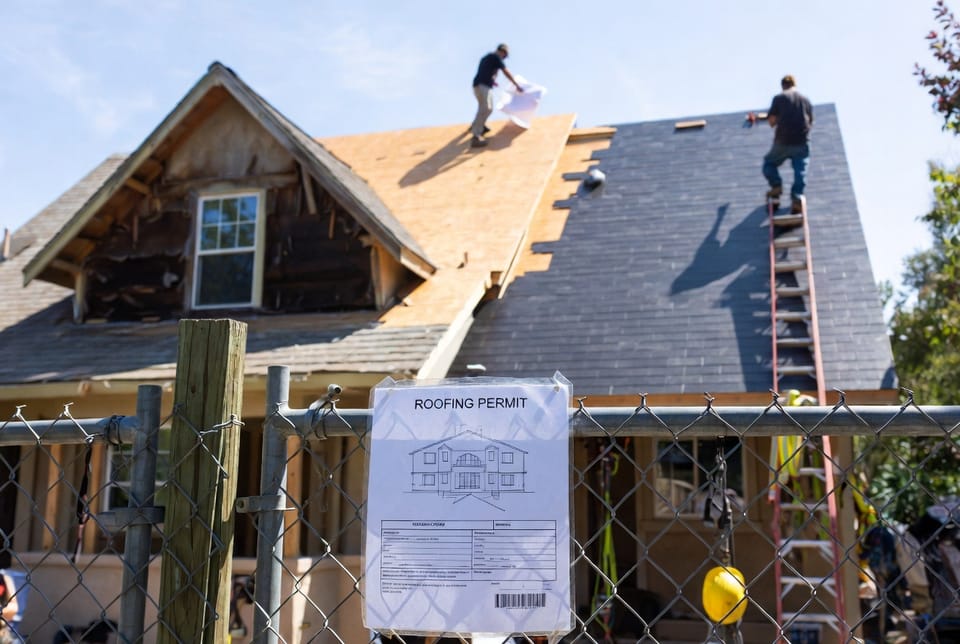
When planning a roof replacement or major roof repair, one critical step often overlooked is securing the proper roofing permits. At first glance, it might seem like an unnecessary bureaucratic hurdle, but roof permits are essential for protecting your home, your investment, and your peace of mind.
Get Your Roof Permit Handled Right – Call Now!
Professional roofing requires more than quality materials and skilled labor — it demands full compliance with local building codes. Skipping this vital process can lead to serious complications down the road. In this comprehensive guide, we’ll explore why roof permits matter, when they’re required, the risks of bypassing them, and how experienced roofers make the process seamless.
Understanding Roof Permit Requirements
Roof permits are official approvals issued by local building departments to ensure construction work meets safety standards, zoning regulations, and structural requirements. These documents verify that your roofing project complies with current building codes designed to protect homeowners from hazards like wind damage, water intrusion, and structural failure.
Building codes evolve over time to reflect new safety research, material standards, and environmental considerations. What was acceptable ten years ago may no longer meet today’s stringent requirements. This is why even experienced homeowners should never assume their project falls outside permit needs.
Key reasons local authorities require roof permits include:
- Ensuring structural integrity of the entire building
- Verifying proper installation of modern waterproofing systems
- Confirming appropriate load-bearing capacity for your specific region
- Maintaining neighborhood aesthetic and safety standards
By obtaining the correct permits, you demonstrate responsible homeownership and protect one of your largest investments.
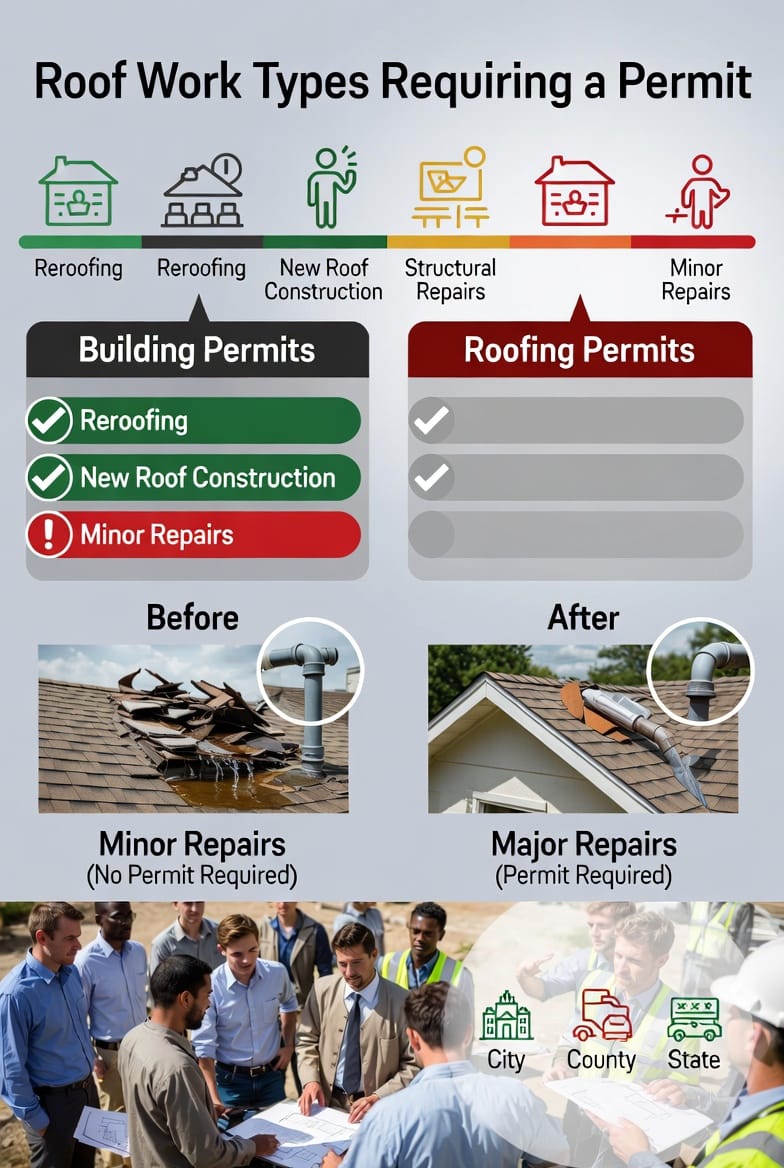
When Do You Need a Roofing Permit?
Not every small repair requires a permit, but many significant roofing projects do. Understanding these triggers helps you plan appropriately.
Major situations that typically require roof permits:
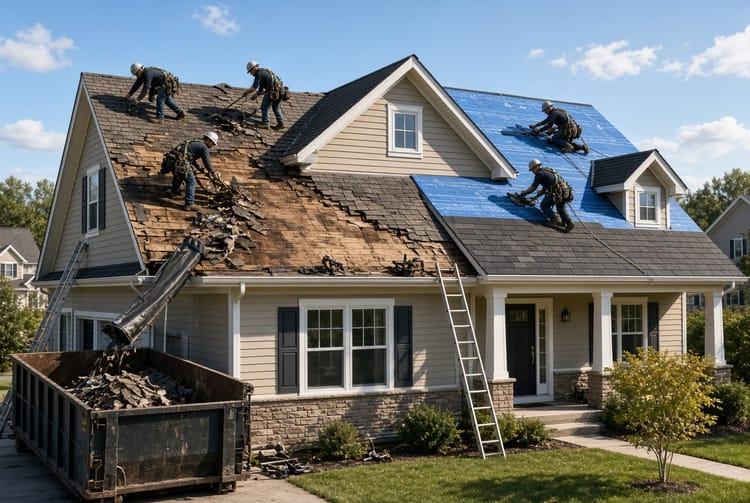
- Full roof replacement — Replacing more than a certain percentage of your roof (often 30-50%, depending on jurisdiction)
- Structural changes — Modifying roof pitch, adding dormers, or expanding the roof footprint
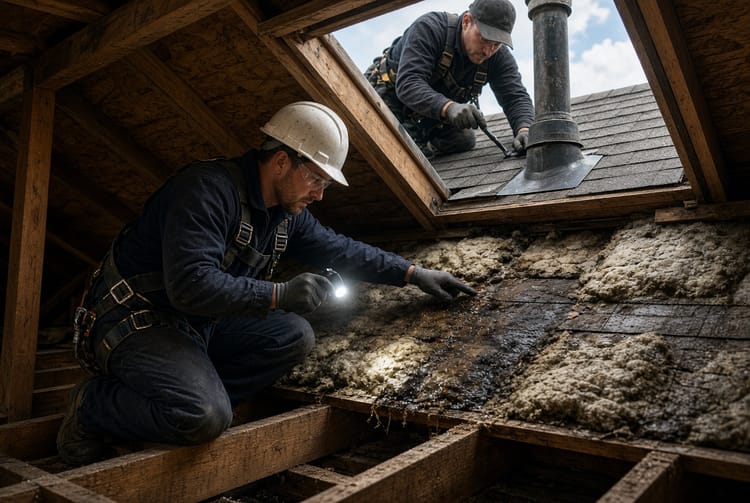
- Sheathing repair or replacement — When decking beneath the shingles needs substantial work
- Material upgrades — Switching to heavier roofing materials that affect load calculations
- Solar panel or HVAC installations on the roof
Local regulations vary significantly by city, county, and state. What’s required in one area may differ just a few miles away. This is why partnering with a knowledgeable local roofer is invaluable.
Pro Tip: Always check with your local building department early in the planning process rather than assuming no permit is needed.
The Risks of Skipping Roofing Permits
Proceeding without proper roof permits might save time and money initially, but the potential consequences far outweigh any short-term benefits. Here’s why authorities take permitting seriously:
Financial Penalties and Fines
Many municipalities impose substantial fines for unpermitted work. These penalties can quickly escalate and, in some cases, exceed the cost of proper permitting and professional installation.
Insurance Complications
Home insurance providers often require proof of permitted work for major projects. If damage occurs later, an insurance company may deny claims if the roof was installed without proper permits, leaving you to cover expensive repairs out of pocket.
Resale Challenges
When selling your home, unpermitted roofing work becomes a major red flag. Potential buyers and their inspectors will likely discover this issue, leading to:
- Negotiated price reductions
- Required repairs before closing
- Difficulties securing buyer financing
Safety and Liability Concerns
Permits ensure your roof meets current wind, seismic, and weather-resistance standards. Skipping them could compromise your family’s safety during extreme weather events.
Don’t take the risk. The temporary convenience of skipping permits creates long-term vulnerabilities that responsible homeowners wisely avoid.
How to Get a Roofing Permit: Step-by-Step Process
The permitting process doesn’t have to be stressful when handled correctly. Here’s what it typically involves:
- Initial Consultation — Work with your roofer to assess project scope
- Documentation Preparation — Gathering detailed plans, material specifications, and engineering calculations if needed
- Application Submission — Filing with the local building department
- Plan Review — Inspectors examine your project for code compliance
- Permit Issuance — Official approval with specific conditions
- Inspections During Work — Scheduled checks at key stages
- Final Approval — Certificate of completion upon passing final inspection
While this process varies by location, professional roofers who regularly work in your area understand the local requirements and can streamline every step.
How Professional Roofers Handle Permits
Experienced roofing contractors don’t just install roofs — they manage the entire compliance process as part of their service.
What you should expect from a reputable roofer:
- Local code expertise — Deep understanding of regional requirements
- Permit acquisition — Handling all paperwork and submissions on your behalf
- Inspection coordination — Scheduling and preparing for required inspections
- Documentation management — Maintaining complete records for future reference
- Code-compliant installation — Ensuring every aspect of the project meets standards
When you choose a trusted roofing partner, they take ownership of the permitting process, saving you time and eliminating potential compliance headaches.
The Benefits of Proper Roofing Permits
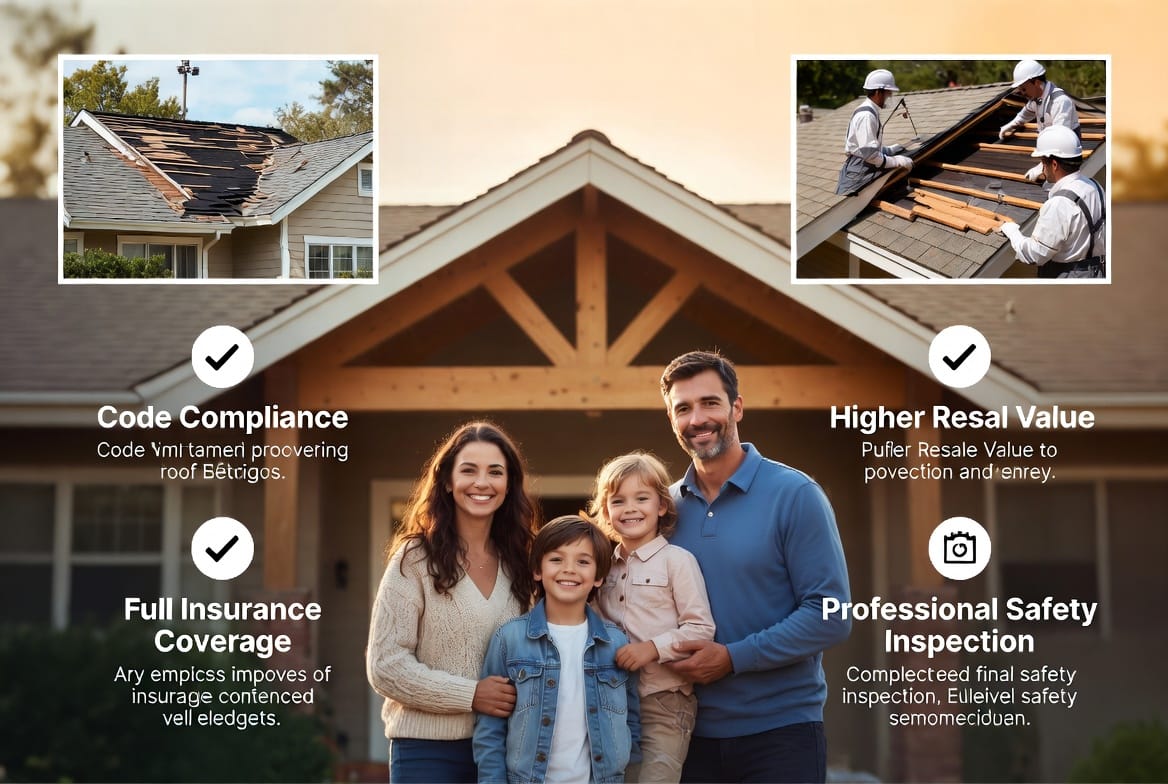
Beyond avoiding negative consequences, obtaining roof permits delivers substantial positive outcomes:
- Enhanced Safety — Your roof meets the latest standards for your climate and location
- Better Insurance Coverage — Full protection in case of future claims
- Increased Property Value — Documented compliant improvements boost resale appeal
- Quality Assurance — Required inspections catch potential issues before they become problems
- Legal Protection — Proof of proper installation shields you from future liability
These benefits combine to provide genuine long-term value that far exceeds the modest cost and time investment of the permitting process.
Making the Right Choice for Your Home
Your roof is your home’s primary defense against the elements. It deserves professional attention that includes full regulatory compliance. When you invest in proper roof permits, you’re investing in your family’s safety, your property’s value, and your future financial security.
Never cut corners on something as important as your roof. The peace of mind that comes with a fully permitted, professionally installed roof is invaluable.
Ready for permitted roofing excellence?
Never skip the permit. Protect your home with compliant, high-quality roofing services.
Your home deserves the best protection — and that starts with doing things the right way.
Professional Permitted Roofing Starts Here – Call Now!