The Roof Moisture Detection: Thermal Imaging for Hidden Leaks
Roof moisture detection is one of the most critical yet often overlooked aspects of building maintenance. Hidden leaks can cause extensive damage before visible signs appear, leading to costly repairs, structural issues, and even mold growth. Fortunately, thermal imaging technology has revolutionized how professionals identify these problems early, offering a non-invasive, highly effective diagnostic tool.
Get Thermal Imaging Roof Inspection Today
In this comprehensive guide, we explore how thermal imaging works for roof leak detection, its advantages, limitations, and why pairing it with expert knowledge delivers the best results. Whether you manage a commercial property or a residential home, understanding this technology can save you time, money, and stress.
Understanding Roof Moisture Problems
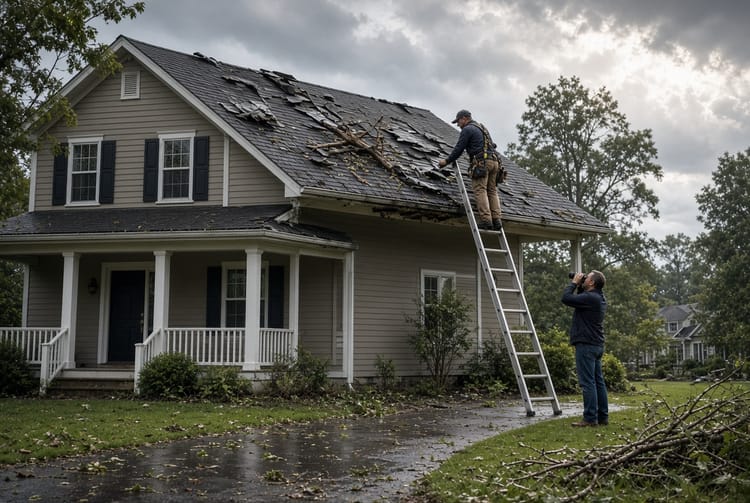
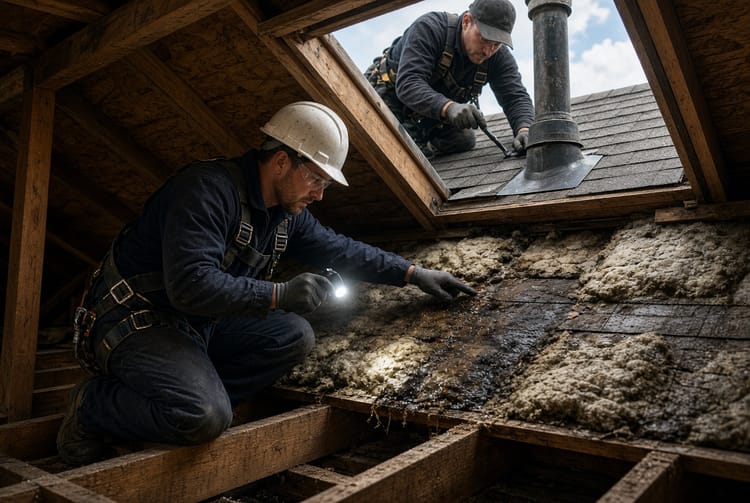
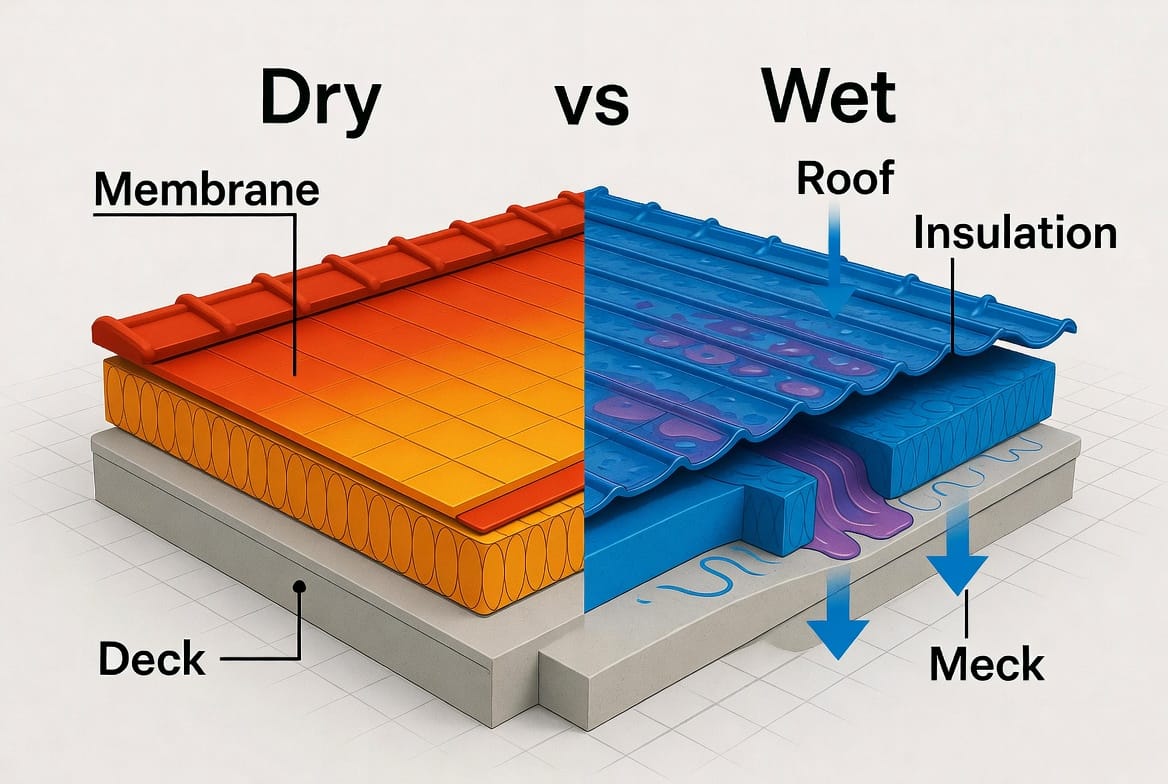
Roofs endure constant exposure to weather, UV rays, and temperature fluctuations. Over time, small cracks, poor seals, or aging materials allow water to seep in. The real danger lies in trapped moisture beneath the surface — in insulation, decking, or membrane layers — where it silently degrades materials.
Common risks include:
- Structural weakening from prolonged water exposure
- Energy inefficiency due to wet insulation losing its R-value
- Mold and mildew growth affecting indoor air quality
- Premature roof failure leading to expensive full replacements
Early roof moisture detection prevents these issues from escalating. This is where advanced tools like thermal imaging cameras become invaluable.
What Is Thermal Imaging in Roofing?
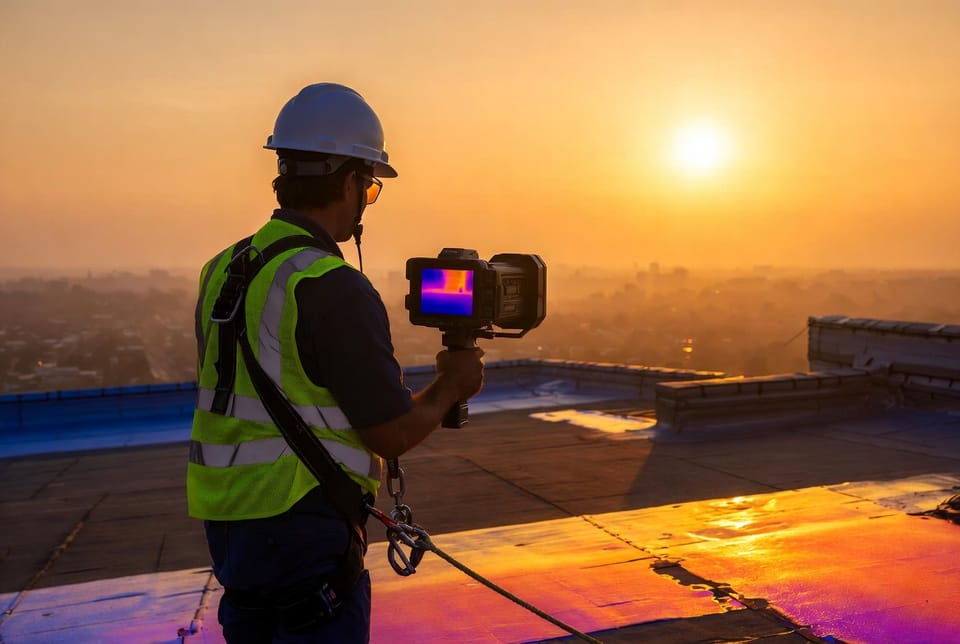
Thermal imaging, also known as infrared thermography, uses specialized cameras to detect temperature differences on surfaces. These cameras capture infrared radiation and convert it into visual color maps — often called thermograms — where warmer areas appear in reds and yellows, while cooler spots show as blues and greens.
In roofing applications, this technology excels at non-destructive testing. No need to cut into the roof or remove materials. A skilled technician can scan large areas quickly from a safe distance.
How Thermal Imaging Detects Hidden Roof Leaks
The science is straightforward yet powerful. Water has high thermal capacitance — it absorbs and releases heat more slowly than surrounding dry materials. After sunset or during specific conditions, wet areas retain coolness longer, creating a detectable thermal contrast.
Here's the process:
- Scan preparation: Technicians choose optimal times when temperature differences are pronounced.
- Active scanning: The infrared camera maps surface temperatures across the entire roof.
- Data interpretation: Cool anomalies indicate potential moisture. Technicians cross-reference with visual inspection and experience.
- Documentation: High-resolution images and reports pinpoint exact locations for targeted repairs.
This method is particularly effective for flat roofs and low-slope commercial roofing common in many buildings, where water pooling can occur in subtle depressions.
Key Benefits of Professional Thermal Roof Inspections
Property owners gain significant advantages from thermal imaging roof inspections:
- Early leak detection: Identify issues before they become visible or cause interior damage.
- Cost savings: Targeted repairs instead of full roof replacement.
- Minimal disruption: No invasive probing or widespread material removal.
- Comprehensive coverage: Scan thousands of square feet efficiently.
- Preventive maintenance planning: Build data-driven roof management programs.
Experienced roofing professionals emphasize that thermal imaging provides peace of mind. It reassures building owners that hidden problems are being addressed proactively, extending the lifespan of their investment.
Limitations of Thermal Imaging for Roof Moisture Detection
While powerful, thermal imaging is not a magic solution. It has specific conditions for reliable results:
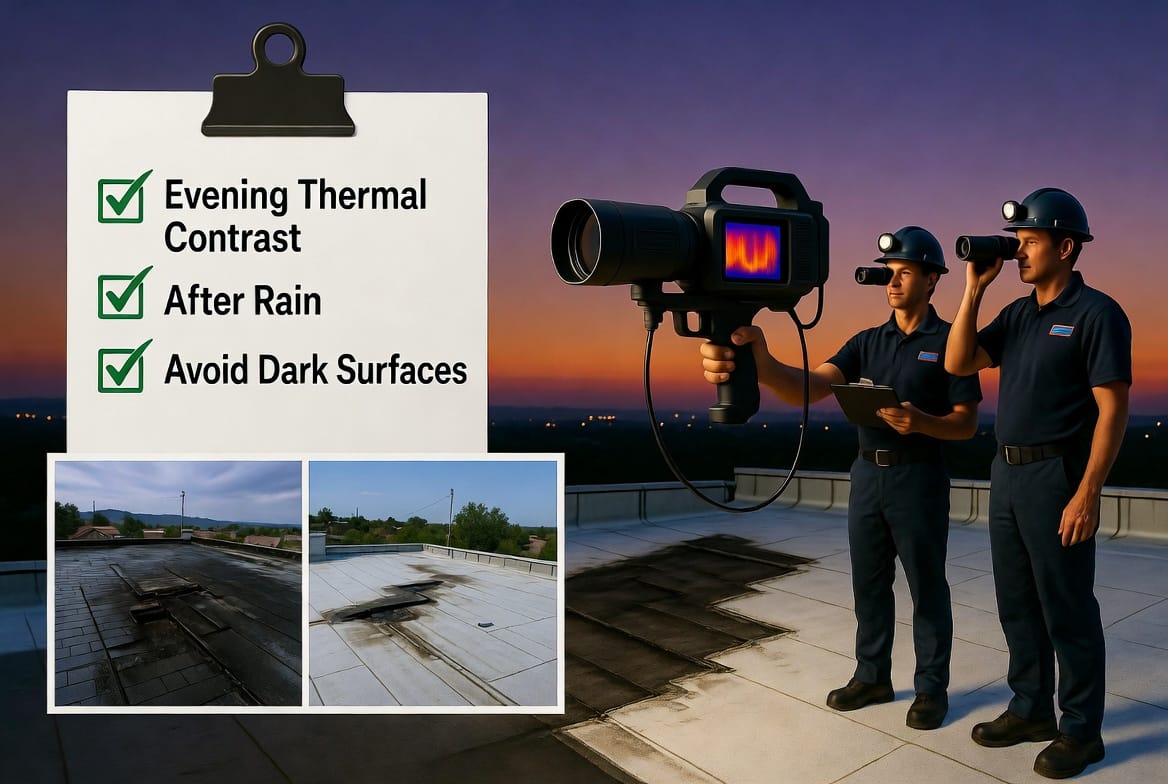
- Best performed in evening hours when the roof cools and thermal contrast peaks.
- Effective after rain events that introduce moisture.
- Challenges on dark surfaces that absorb heat differently.
- Not suitable during strong winds or direct midday sun.
- Requires trained interpretation — false readings can occur from other temperature variations.
This is why reputable roofing companies never rely on thermal imaging alone. Professional expertise combines it with other proven methods for accurate diagnosis.
When Thermal Imaging Works Best: Professional Guidelines
For maximum effectiveness, consider these conditions:
- Evening scans: Natural cooling creates ideal thermal differentials.
- Post-rain inspections: Recent precipitation highlights active moisture.
- Seasonal timing: Spring and fall often provide best contrast.
- Roof type considerations: Membranes, TPO, EPDM, and modified bitumen respond well.
- Building usage: HVAC units, vents, and mechanicals require careful analysis.
Skilled technicians know how to interpret these variables. They understand that accurate roof moisture detection demands both technology and seasoned judgment.
Complementary Roof Inspection Methods
Experienced professionals integrate thermal imaging with:
- Visual inspections for surface damage and flashing issues.
- Electronic leak detection (ELD) for pinpoint accuracy on membranes.
- Moisture metering of core samples when needed.
- Drone-assisted surveys for hard-to-reach areas.
- Long-term monitoring with sensors in critical zones.
This multi-method approach ensures nothing is missed. Thermal imaging serves as a powerful first-line tool, guiding more detailed investigations where anomalies appear.
Real-World Impact: Protecting Your Property
Consider a typical commercial building. A small undetected leak might saturate insulation across hundreds of square feet. Without thermal imaging, this could go unnoticed for months, leading to:
- Increased energy bills from poor insulation
- Potential tenant complaints about water stains or odors
- Expensive emergency repairs during storms
With proactive thermal scans, property managers catch these issues early. Repairs stay localized, budgets remain controlled, and building integrity stays strong. This technology supports sustainable building practices by maximizing the service life of existing roofs.
Choosing the Right Roofing Partner
Not all roofers offer advanced diagnostic services. Look for teams that:
- Invest in professional-grade thermal cameras
- Train technicians in thermography certification
- Provide detailed reports with actionable recommendations
- Combine technology with decades of field experience
- Stand behind their findings with warranties
A trustworthy partner delivers authoritative assessments and reassuring solutions tailored to your specific roof system.
Maintaining Roof Health Long-Term
Regular thermal imaging inspections should be part of your maintenance schedule. Annual or bi-annual scans, especially after severe weather, help track changes over time. This data-driven strategy prevents surprises and supports informed decisions about repairs versus replacement.
Remember: A healthy roof protects everything beneath it — your investment, your operations, and your peace of mind.
Take Action Against Hidden Roof Leaks
Thermal imaging represents a significant advancement in roof moisture detection, empowering professionals to find and fix problems efficiently. While it has limitations that require proper conditions and expertise, when used correctly by experienced teams, it delivers unmatched insights.
Don’t wait for visible damage or costly interior repairs. Find hidden roof leaks with thermal imaging today. Our team combines cutting-edge technology with proven methods to protect your roof and building.
Protect Your Roof with Thermal Leak Detection