The Roof Ladder Hook: Safe Access for Steep Slope Roofs
Working on a roof is one of the most high-risk tasks in home maintenance and construction. Steep slopes present serious challenges, but the right equipment makes all the difference. A roof ladder hook is an essential piece of safety gear that provides stable access, prevents slips, and protects both homeowners and professionals.
Expert Roof Safety Solutions – Call Today!
In this comprehensive guide, we explore everything you need to know about roof ladder hooks — from their design and proper use to best practices that keep you safe at heights. Whether you're a DIY enthusiast tackling a small repair or a homeowner planning professional roofing work, understanding this critical tool can prevent accidents and ensure successful outcomes.
What Are Roof Ladder Hooks?
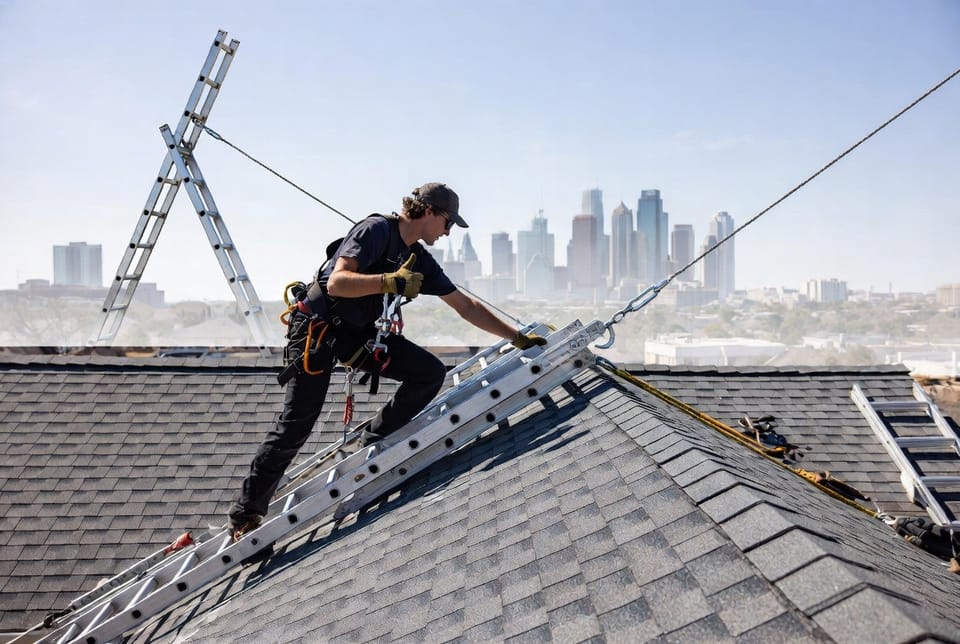
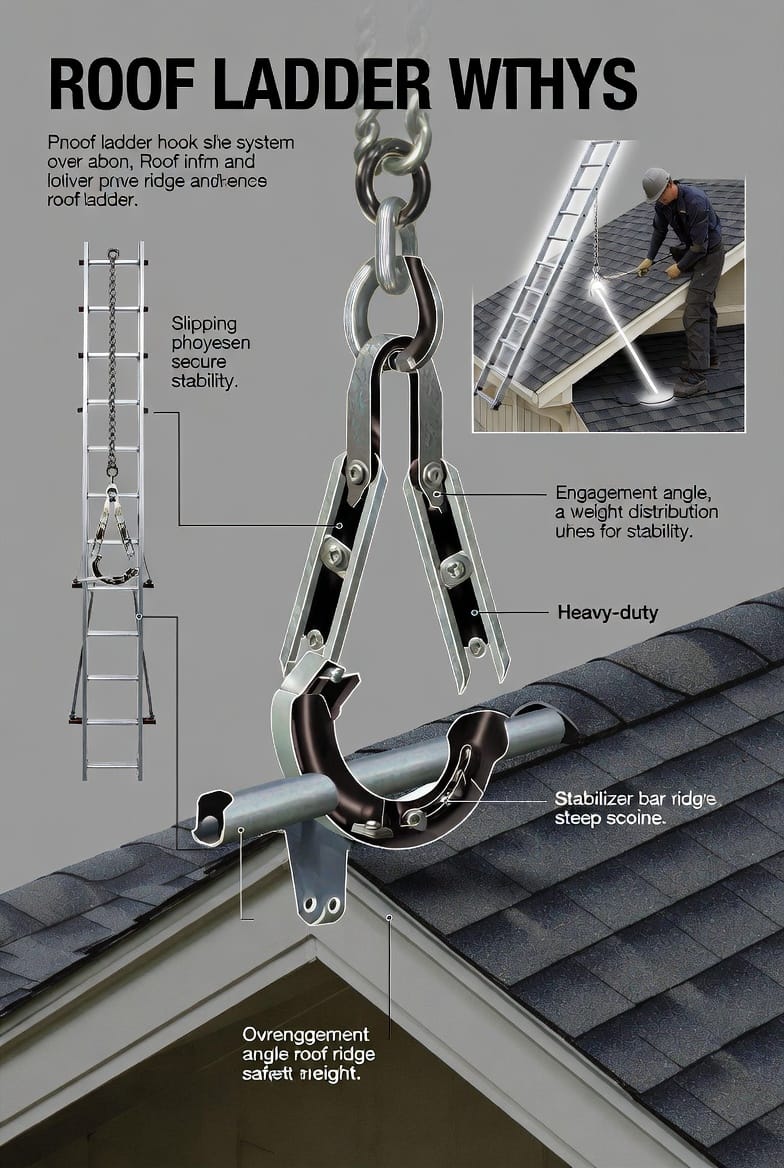
Roof ladder hooks are specialized attachments designed to secure an extension ladder to the peak or ridge of a roof. Typically made from high-strength steel or aluminum, these hooks clamp or bolt onto the top rungs of your ladder and feature curved arms that grip over the roof ridge.
The primary function is simple yet vital: they create a stable anchor point that prevents the ladder from sliding sideways or backward while you work on steep surfaces. Most quality hooks are adjustable to fit various ladder widths and roof pitches, with rubberized or padded contact points to avoid damaging shingles.
These devices are OSHA-compliant in professional settings and highly recommended for any work on roofs steeper than 4:12 pitch. Unlike standard ladders that rely solely on ground contact and angle, roof ladder hooks distribute weight across the ridge line, dramatically increasing stability.
Homeowners in areas like Dallas, Texas, where variable weather can make roofs slick, find these hooks particularly valuable for seasonal inspections and repairs.
Why Roof Ladder Hooks Are Essential for Steep Slope Roofs
Steep slope roofs — common in traditional and modern architecture — create significant safety hazards. Without proper stabilization, ladders can slip, leading to falls that cause serious injuries or worse.
Key risks on steep roofs include:
- Lateral sliding due to gravity and uneven surfaces
- Reduced traction from loose granules, moss, or weather conditions
- Overreaching when trying to maintain balance without secure footing
A roof ladder hook directly addresses these issues by locking the ladder in place. Studies and industry reports consistently show that proper use of ladder stabilizers and hooks reduces fall incidents by a substantial margin. They provide the confidence needed to focus on the task rather than constantly worrying about balance.
For professional roofers and experienced homeowners, these hooks are non-negotiable equipment. They enable safer access for tasks like gutter cleaning, skylight maintenance, chimney repairs, and shingle replacement on challenging pitches.
Proper Use of Roof Ladder Hooks: Step-by-Step Guide
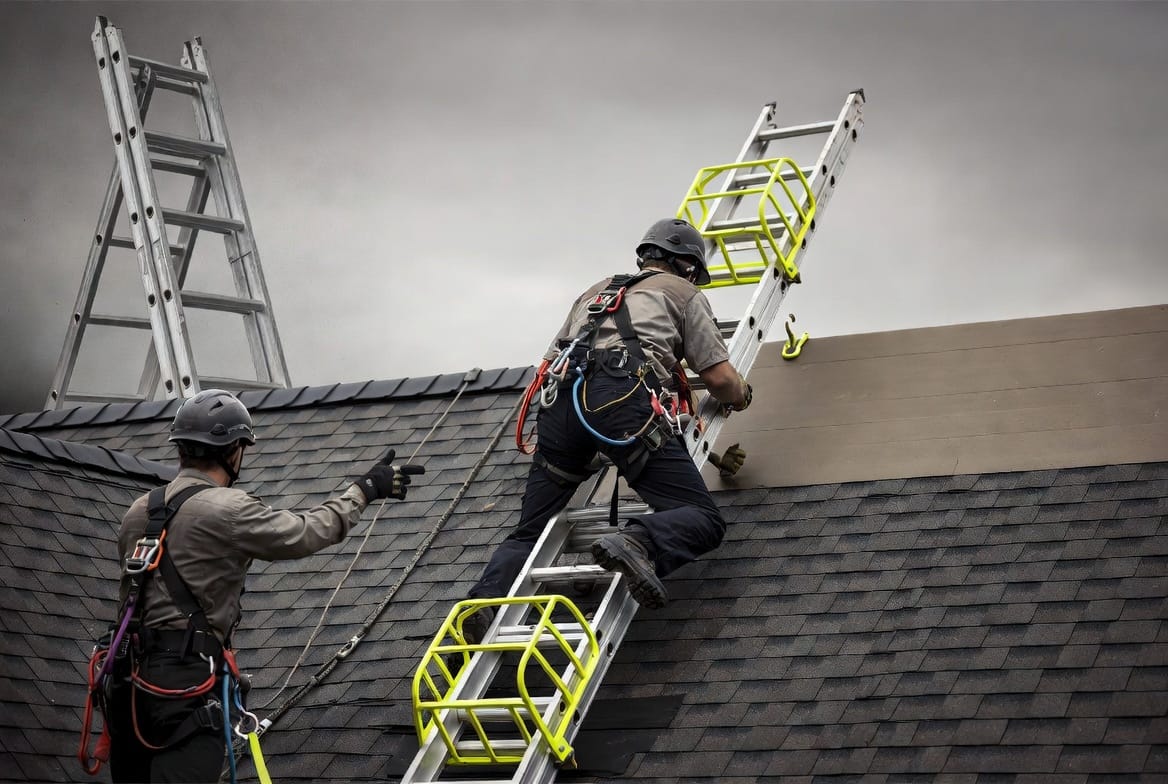
Using a roof ladder hook correctly is straightforward when you follow best practices. Here’s how to do it safely:
- Inspect before every use: Check the hook for cracks, bends, or worn padding. Ensure all bolts and welds are secure.
- Choose the right ladder: Use a sturdy extension ladder rated for your weight plus tools. Extend it properly so the hooks reach the ridge comfortably.
- Position the ladder: Place the base on firm, level ground at the recommended angle (approximately 75 degrees or 4:1 ratio).
- Attach the hooks: Secure the roof ladder hooks to the top of the ladder following manufacturer instructions. Lift and place the hooks over the ridge, ensuring even contact on both sides.
- Test stability: Gently shake the ladder to confirm it’s locked in place before climbing.
- Never overreach: Keep your body centered on the ladder. Move the ladder setup as needed rather than stretching.
- Use additional safety measures: Always wear a properly anchored safety harness and have a spotter when possible.
Following these steps transforms a risky climb into a controlled, professional operation.
Common Mistakes to Avoid
Even experienced users can make errors that compromise safety. Avoid these pitfalls:
- Using damaged or incompatible hooks
- Placing hooks on weak ridge areas or decorative elements
- Climbing without testing stability
- Working alone on steep slopes without backup
- Ignoring weather conditions like rain, wind, or ice
By staying vigilant, you protect yourself and your property from unnecessary accidents.
Maintenance and Care for Long-Term Reliability
Regular maintenance keeps your roof ladder hooks performing at their best:
- Clean after each use to remove debris
- Lubricate moving parts lightly
- Store in a dry place to prevent rust
- Inspect annually for wear and replace as needed
Quality hooks can last many years with proper care, making them a smart investment for any homeowner or contractor.
Complementary Safety Equipment
While roof ladder hooks are crucial, they work best as part of a complete safety system. Consider pairing them with:
- Fall protection harnesses with roof anchors
- Roof jacks or scaffolding for extended work
- Non-slip ladder feet and stabilizer bars
- Personal protective equipment including helmets, gloves, and non-slip boots
This layered approach creates multiple lines of defense against falls.
When to Call Professional Roofers
For many steep roof projects, the safest choice is to hire experienced professionals who use commercial-grade equipment daily. Certified roofers understand local building codes, have specialized tools, and carry proper insurance.
If you notice issues like missing shingles, leaks around chimneys, or damaged flashing, don’t risk a DIY attempt on a steep slope. Professional service ensures the job is done right the first time while keeping everyone safe.
Work safely at heights. For expert roofing services, repairs, and installations you can trust, call the professionals today at (855) 321-3154. Our experienced team uses the latest safety equipment, including roof ladder hooks, to deliver reliable results with complete peace of mind.
Conclusion: Prioritize Safety on Every Roof Project
The roof ladder hook represents a simple yet powerful advancement in roofing safety. By stabilizing ladders on steep slopes, it allows safer access for essential maintenance and repairs.
Remember these core principles:
- Always inspect and use equipment correctly
- Never compromise on safety protocols
- Combine tools with proper training and teamwork
- Know when professional expertise is the wiser choice
Investing in quality safety gear like roof ladder hooks protects what matters most — your health, your family, and your home. Whether performing minor upkeep or planning major renovations, make safety your top priority.
Stay protected, work confidently, and enjoy the lasting benefits of a well-maintained roof. For all your roofing needs in the Dallas area and beyond, reach out to trusted experts who put safety first.
Professional Roofing Services You Can Trust – Call Now