The Roof Inspection: What to Expect from a Professional
A professional roof inspection is one of the most valuable investments a homeowner can make in long-term property protection. Roofs endure constant exposure to sun, rain, wind, temperature swings, and debris. Over time, even well-installed systems develop wear that is not always visible from the ground. A thorough inspection by trained professionals identifies developing problems before they become leaks, structural concerns, or expensive emergency repairs.
Schedule Your Professional Roof Inspection – Call Now
This guide explains exactly what a professional roof inspection includes, what qualified inspectors systematically look for, how homeowners can prepare, and why scheduling this service delivers both peace of mind and measurable savings. The process is designed to be comprehensive yet non-invasive, giving you a clear picture of your roof’s current condition and a practical path forward.
Why a Professional Roof Inspection Matters
Many homeowners only think about their roof when water appears on a ceiling or shingles blow off during a storm. By that point, damage has often progressed beyond the surface. A scheduled professional roof inspection shifts the approach from reactive to proactive.
Inspectors bring specialized training, safety equipment, and diagnostic tools that go far beyond a casual visual check. They assess the entire roofing system as an interconnected assembly rather than isolated parts. This whole-system view reveals how a small flashing gap, for example, can allow moisture into the attic and eventually affect interior finishes or structural wood.
Regular inspections also support insurance documentation, real-estate transactions, and warranty compliance. After severe weather, an inspection report can distinguish pre-existing wear from new storm damage. For most homes, an inspection every one to three years—or immediately after a major weather event—is a sound maintenance practice.
The tone of a quality inspection is reassuring rather than alarming. The goal is accurate information so you can make informed decisions, not pressure for unnecessary work.
What a Professional Roof Inspection Includes
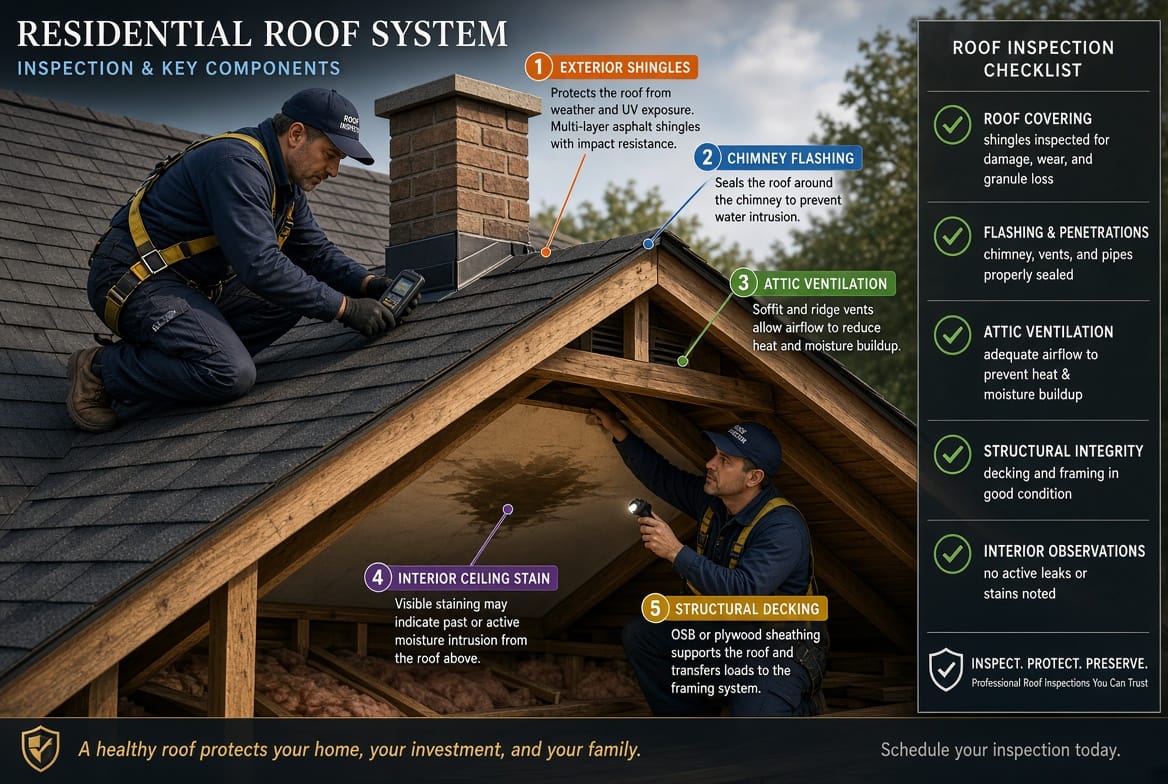
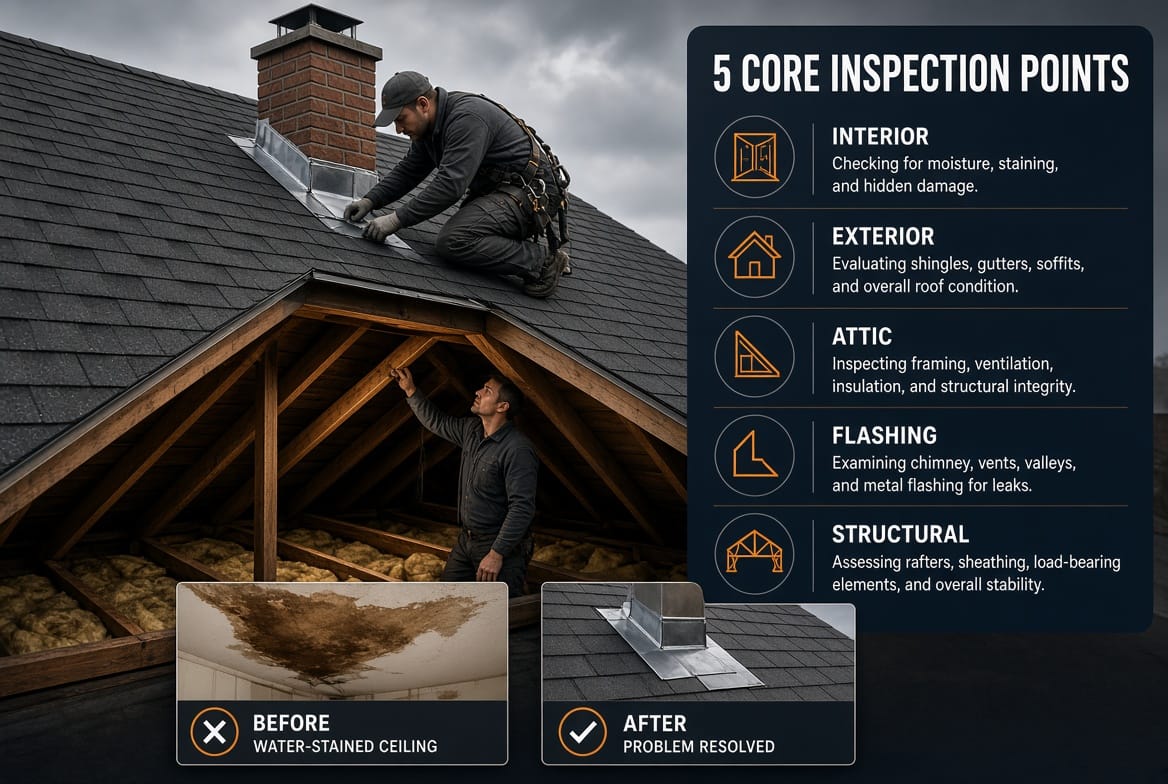
A complete professional roof inspection examines five core areas: the exterior roof surface, the interior living spaces, the attic, all flashing details, and the underlying structural components. Each area is evaluated both independently and in relation to the others.
Exterior Roof Surface Evaluation
Inspectors begin with a systematic walk-over or close-up visual survey of the roof covering. They note shingle or tile condition, granule loss, curling, cracking, blistering, and missing pieces. They check the alignment and attachment of every course. Valleys, ridges, hips, and eaves receive extra attention because these transition points experience concentrated water flow and wind uplift.
Ventilation components, including ridge vents, soffit vents, and exhaust pipes, are examined for proper function and weather-tight seals. Gutters and downspouts are observed for proper slope, secure attachment, and signs that water is overflowing onto the fascia or foundation.
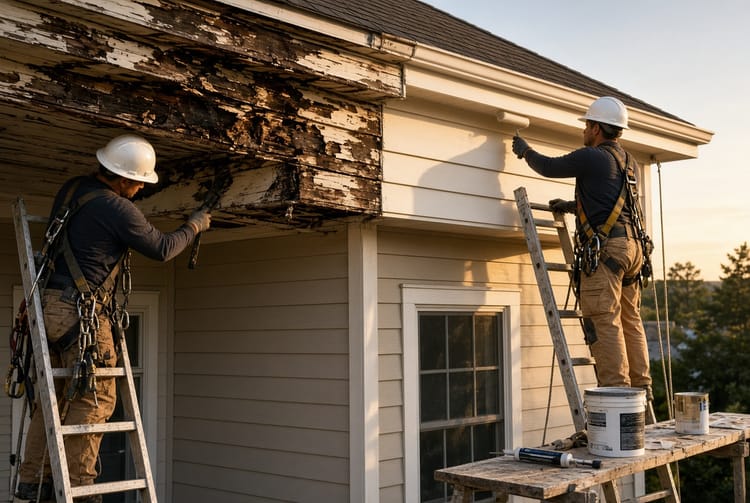
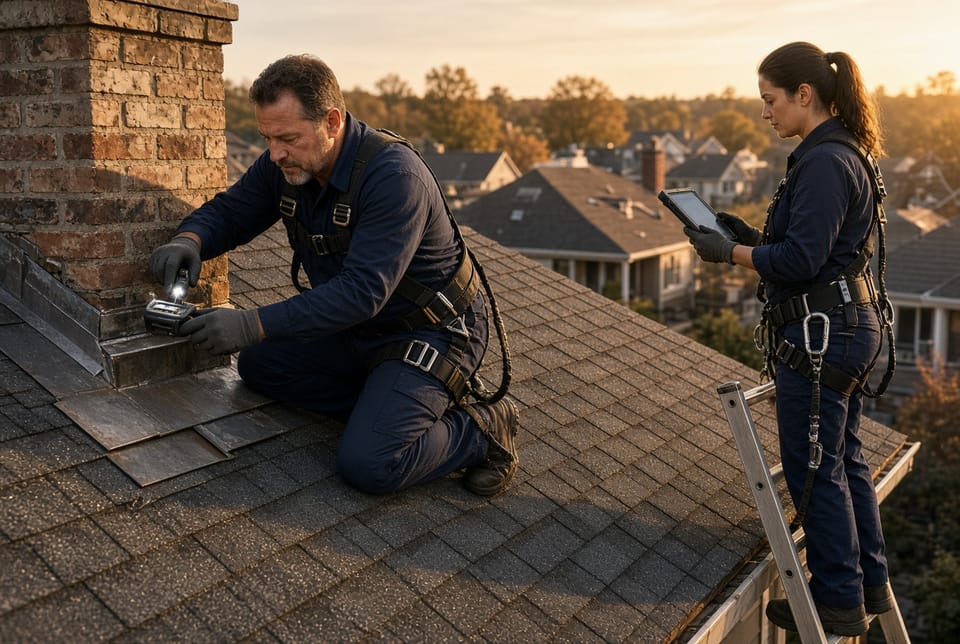
Safety protocols are followed throughout. Inspectors use harnesses, stable ladders, and fall-protection systems so the evaluation itself does not create new risks.
Interior Living-Space Review
The inspection then moves indoors. Ceilings, walls, and window frames near the roofline are checked for water stains, peeling paint, bubbling drywall, or musty odors. These interior clues often point back to specific exterior or attic issues. Inspectors look at the pattern and age of any staining to distinguish active leaks from historic, already-resolved problems.
Attic Inspection
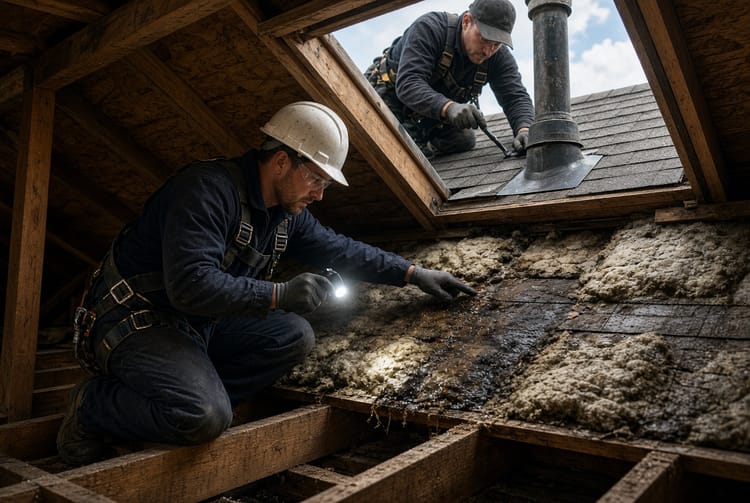
The attic is one of the most revealing spaces. Inspectors examine the underside of the roof deck for water stains, dark streaks, mold, or rot. They check insulation depth, distribution, and moisture content. Proper ventilation is confirmed by observing airflow from soffits to ridge and by measuring temperature and humidity when possible.
Wiring, plumbing vents that penetrate the roof, and any stored items that might obstruct airflow are noted. A well-ventilated, dry attic extends the life of both the roof covering and the home’s energy efficiency.
Flashing Inspection
Flashing is the metal or membrane material that seals joints where the roof meets walls, chimneys, skylights, vents, and valleys. These are the most common leak points. Inspectors look for lifted, corroded, cracked, or improperly lapped flashing. They verify that counter-flashing on masonry chimneys is correctly integrated and that step flashing along walls is intact.
Even small gaps in flashing can allow wind-driven rain to enter. Catching these issues early prevents far more extensive interior damage.
Structural Assessment
Finally, inspectors evaluate the roof’s structural integrity. They look at rafter or truss condition, decking solidity, sagging planes, and any signs of previous repairs that may have compromised load paths. From the attic they check for cracked or split framing members. From the exterior they observe overall roof geometry for unusual dips or waves that could indicate settling or inadequate support.
This structural review helps determine whether the roof can safely accept a new covering in the future or whether repairs to the deck or framing should be completed first.
What Inspectors Look For: Damage, Leaks, and Wear
During each phase of the inspection, professionals search for three primary categories of concern: damage, leaks, and wear.
Damage includes impact from hail, fallen branches, or wind that has loosened or broken materials. Inspectors document the size, location, and pattern of any impacts because these details matter for insurance claims.
Leaks are identified both by active water intrusion and by evidence of past moisture. Dark streaks on decking, rusted fasteners, damp insulation, and interior staining are all recorded. Moisture meters and infrared cameras, when used, help locate wet areas that are not yet visible to the naked eye.
Wear refers to the natural aging of materials. Granule loss on asphalt shingles, oxidation on metal panels, cracked sealant, and faded or brittle flashing all indicate that the system is approaching the end of its service life. Inspectors estimate remaining useful life so you can plan replacement on your schedule rather than in an emergency.
They also note secondary issues such as biological growth, improper previous repairs, or inadequate ventilation that accelerate wear. Every observation is photographed and mapped so the final report is specific and actionable.
How to Prepare for Your Roof Inspection
Preparation is straightforward and helps the inspection proceed efficiently.
- Clear driveway and walkway access so the inspection team can position ladders and equipment safely.
- Move vehicles away from the house if possible.
- Unlock gates and inform the team of any pets that should be secured.
- Provide any existing documentation—previous inspection reports, warranty papers, or records of recent repairs.
- Note any known concerns (a stain that recently appeared, a noisy attic fan, or a section that seems to hold water) so inspectors can give those areas extra attention.
- If the attic is used for storage, create a clear path to the access hatch and to the eaves if feasible.
You do not need to be present for the entire inspection, but being available at the start and end allows the inspector to review findings with you in person. Most inspections last one to three hours depending on roof size, complexity, and weather.
Choose a day with reasonably dry conditions when possible. Inspectors can work in light rain, but heavy precipitation or high winds may require rescheduling for safety and accuracy.
The Step-by-Step Inspection Experience
Upon arrival, the team conducts a brief exterior walkaround to assess overall site conditions and plan safe access. They then proceed through the five core areas in a logical sequence—usually exterior first, followed by attic and interior.
Throughout the visit they take dated photographs of both problem areas and representative good-condition sections. Measurements of slope, ventilation openings, and material thickness may be recorded. Any immediate safety hazards, such as severely loose shingles that could become projectiles, are flagged on the spot.
At the conclusion, the inspector typically provides a verbal summary and explains when the written report will be delivered. The report includes photographs, a description of findings ranked by urgency, and recommended next steps ranging from minor maintenance to more substantial repairs or eventual replacement.
Understanding Your Inspection Report
A professional report is written in clear language rather than technical jargon. It distinguishes between cosmetic issues, maintenance items, and conditions that require prompt attention. Cost ranges or recommended timelines are often included so you can budget realistically.
Keep the report with your home-maintenance records. It becomes a baseline for future inspections and a useful document if you sell the property or file an insurance claim.
If repairs are recommended, a reputable inspection company will explain options without high-pressure tactics. You remain free to obtain additional estimates or to schedule work at a time that suits your household.
The Long-Term Value of Regular Inspections
Homes that receive periodic professional roof inspections typically experience fewer surprise leaks, lower energy bills from properly functioning attic ventilation, and longer overall roof life. Small flashing or sealant repairs discovered early cost far less than interior restoration after water has traveled through insulation and drywall.
Inspections also give homeowners confidence. Knowing the exact condition of one of the largest and most expensive components of the house reduces anxiety during storm season and supports better financial planning.
Schedule Your Professional Roof Inspection Today
Your roof works continuously to shelter everything you value. A professional roof inspection gives you an accurate, unbiased assessment of how well it is performing and what, if anything, should be addressed.
Do not wait for the first drip or the next severe storm. Take the proactive step that protects both your home and your budget.
Get a professional roof inspection.
A trained team is ready to provide the thorough evaluation described in this guide, deliver a clear written report, and help you keep your roof performing at its best for years to come.
Get Your Professional Roof Inspection Report – Call Today