The Roof Hail Damage: What to Look For After a Storm
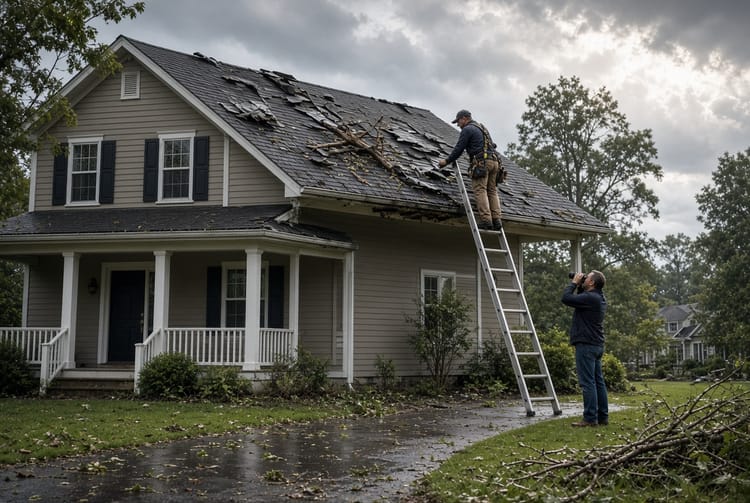
A powerful storm has passed. The wind has quieted, the rain has stopped, and the sky is clearing. Yet your roof may now carry silent evidence of the event that could affect both its long-term performance and your insurance coverage. Roof hail damage is one of the most frequently overlooked outcomes of severe weather, and recognizing it early is essential for protecting your property investment.
Spot Hail Damage Early – Call for Expert Roof Check
Hailstones striking a roof can leave marks that are easy to miss from the ground. These impacts compromise the protective layers of your roofing system, create pathways for water intrusion, and often form the foundation of an insurance claim. Understanding exactly what to look for after a storm allows homeowners to act with confidence rather than uncertainty.
This guide explains the primary insurance concern surrounding hail damage, details the most reliable visual signs—dents on vents, granule loss, and soft spots on shingles—and clarifies why a prompt professional inspection is the most effective next step.
The Insurance Concern Behind Roof Hail Damage
Insurance policies treat hail as a covered peril in the vast majority of standard homeowners policies. When legitimate roof hail damage is documented, carriers typically contribute toward repairs or full replacement depending on the age of the roof, the severity of the impact, and policy specifics.
The critical factor is timing and evidence. Insurers require clear proof that the damage occurred during a specific storm event and that it was not the result of normal wear. Delayed reporting can raise questions about the cause, reduce claim success rates, or leave homeowners responsible for progressive deterioration that began with the original impacts.
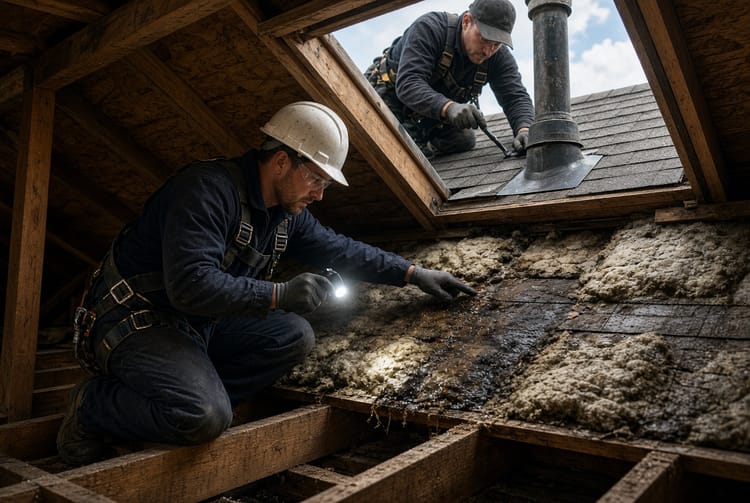
Key risks include water infiltration that leads to interior ceiling stains, compromised attic insulation, and accelerated aging of the entire roofing system. Early identification of damage supports a stronger claim while preventing secondary problems that insurance may not fully cover later.
Homeowners who schedule an assessment soon after a storm position themselves to receive the full protection their policy intends. Waiting often turns a straightforward claim into a more complex negotiation.
Primary Signs of Roof Hail Damage
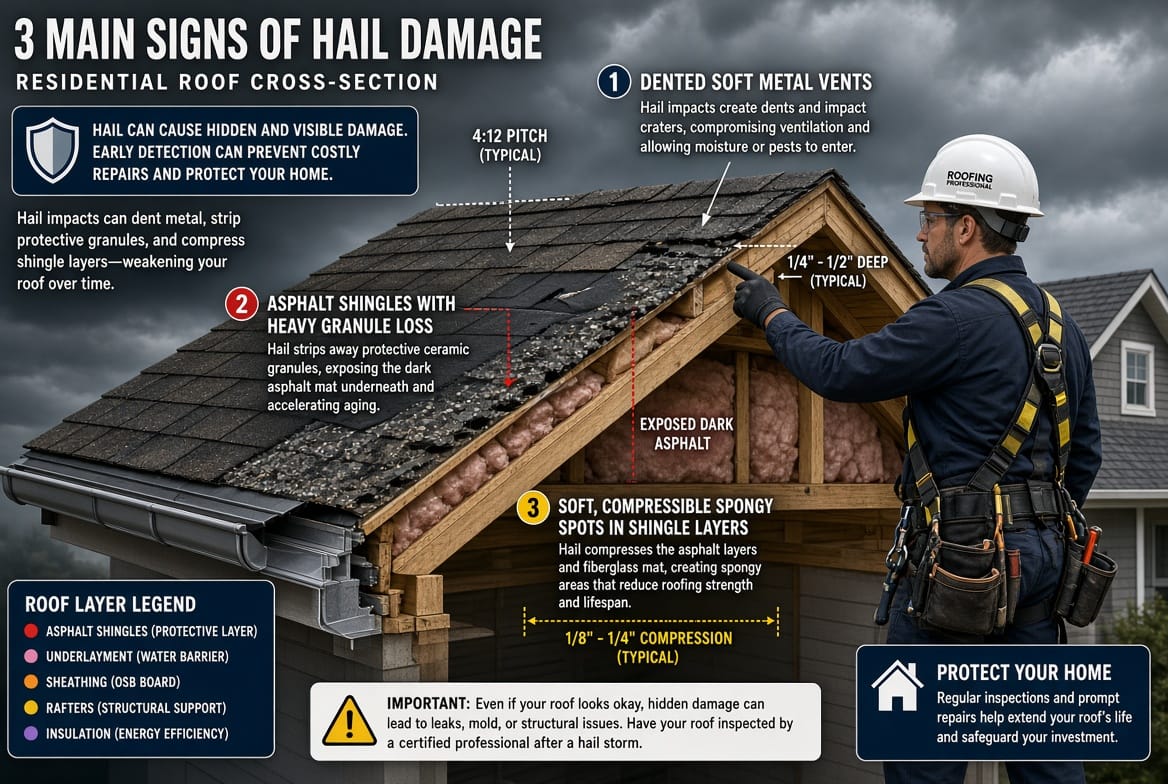
Hail damage rarely appears as large obvious holes. Instead it creates a pattern of subtle but measurable changes across the roof surface and related components. The three most consistent indicators are dents on metal vents, loss of protective granules from shingles, and soft or spongy areas underfoot.
Recognizing these signs requires both ground-level observation and, ideally, a safe close-range evaluation by trained professionals.
Dents on Vents and Soft Metal Surfaces
Metal roof vents, ridge vents, flue caps, and aluminum flashing are among the most reliable indicators of hail activity. Because these components are thinner and softer than asphalt shingles, they register impacts clearly.
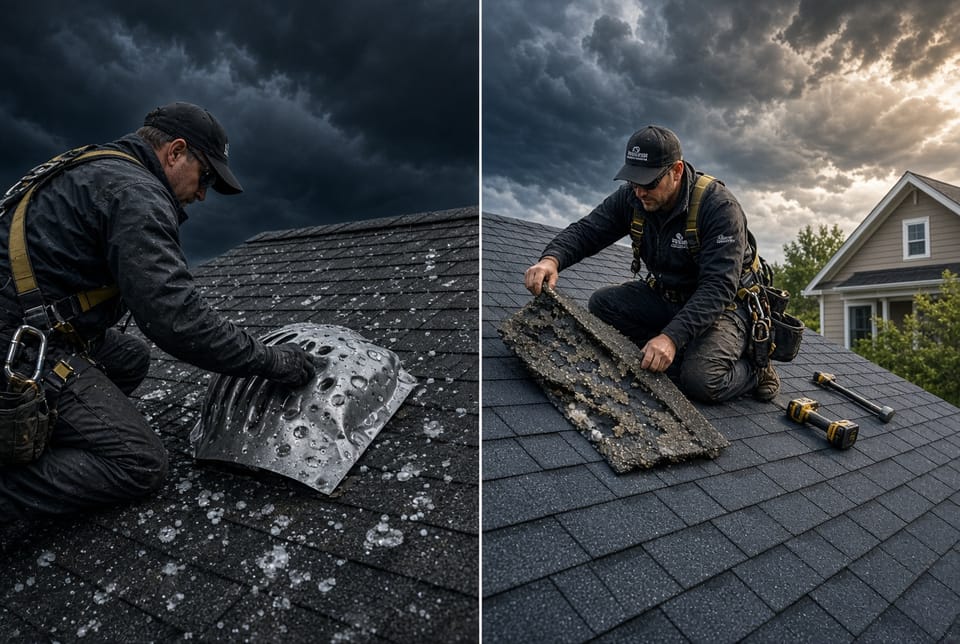
Look for rounded or crater-like depressions that are roughly the size of the hailstones that struck. Fresh dents often show bright metal where the protective coating has been fractured. Multiple dents clustered on the same vent or across several vents strongly suggest a recent hail event rather than random wear.
These dents matter for two reasons. First, they confirm that hail of sufficient size and force reached the roof. Second, damaged vents can allow water and debris to enter the attic space, creating moisture problems that compound the original impact damage.
Bold risk: Ignoring dented vents leaves openings that accelerate interior damage and can weaken an otherwise valid insurance claim.
Granule Loss on Asphalt Shingles
Asphalt shingles rely on a dense layer of ceramic-coated granules to shield the underlying asphalt from ultraviolet light and weather. When hail strikes with enough force, it dislodges these granules, leaving bare or thinly coated spots.
From the ground you may notice dark, irregular patches on the shingle surface or an unusual accumulation of granules in gutters and downspouts after a storm. Up close, the affected areas feel smoother and appear darker because the asphalt is exposed.
Widespread granule loss reduces the shingle’s ability to reflect heat and resist further weathering. Over time the exposed asphalt becomes brittle, cracks more readily, and loses waterproofing capacity.
Key phrase: Significant granule loss is one of the strongest visual proofs insurers accept when evaluating hail claims.
Even moderate granule displacement across a large section of the roof can justify partial or full replacement depending on the overall condition and age of the covering.
Soft Spots on Shingles
Soft or spongy areas develop when hail compresses the mat of the shingle or fractures the underlying layers without fully penetrating the surface. Walking carefully across the roof (or having a professional do so) may reveal sections that yield slightly under foot pressure.
These soft spots often coincide with areas of heavy granule loss. The impact energy is absorbed into the shingle structure, creating micro-fractures that later allow water to seep between layers. Left unaddressed, soft spots expand into larger weakened zones and can lead to leaks during subsequent rain events.
Critical risk: Soft spots are progressive. What begins as a localized weakness can spread, turning a contained repair into a more extensive project and potentially reducing the recoverable amount under an insurance policy.
Why Prompt Inspection Matters
Every day that passes after a hailstorm increases the chance that secondary damage will develop. Moisture can migrate into the roof deck, insulation can become saturated, and mold or rot can begin in the attic. These secondary issues are often excluded from coverage or subject to higher deductibles when they result from delayed maintenance.
A timely inspection accomplishes several important goals:
- Establishes a clear timeline linking the damage to a documented weather event
- Provides photographic and written evidence that strengthens an insurance claim
- Identifies hidden problems before they escalate into interior water damage
- Allows repairs to be scheduled while materials and labor remain available
- Prevents the gradual decline of roof performance that shortens overall service life
Professional inspectors use specialized knowledge to distinguish hail impacts from other forms of wear such as blistering, foot traffic marks, or manufacturing variations. Their reports carry weight with adjusters and help ensure the claim is evaluated on accurate information.
Homeowners who attempt extensive self-inspection risk personal injury on steep or wet surfaces and may overlook damage that is only visible from certain angles or under specific lighting.
Reassuring reality: Most hail damage, when caught early, can be resolved through a straightforward claim process that restores the roof’s protective function without unexpected out-of-pocket costs beyond the policy deductible.
Practical Steps After a Storm
Once the weather has cleared and it is safe to approach the property, perform a basic exterior walk-around. Note any visible dents on vents, unusual granule accumulation in gutters, or dark patches on the roof surface. Avoid climbing onto the roof yourself unless you have proper safety equipment and experience.
Document what you observe with dated photographs from multiple angles. These images become useful supporting material for both the professional inspector and the insurance adjuster.
Contact a qualified roofing assessment team promptly. A thorough evaluation typically includes:
- Close-up examination of all roof planes
- Inspection of vents, flashing, and penetrations
- Assessment of soft spots and granule condition
- Written documentation suitable for insurance submission
The goal is not merely to confirm damage but to quantify its extent so that the correct scope of work can be established.
Protecting Your Investment Going Forward
While no roof is completely immune to severe weather, regular maintenance and timely response after storms keep the system performing as designed. After any significant hail event, treating the inspection as a standard protective measure rather than an emergency reaction reduces stress and preserves coverage options.
Homeowners who stay proactive often discover that roof hail damage is manageable when addressed with the right information and professional support. The combination of visual awareness and expert evaluation creates the strongest possible position for both property protection and insurance recovery.
Take Action Today
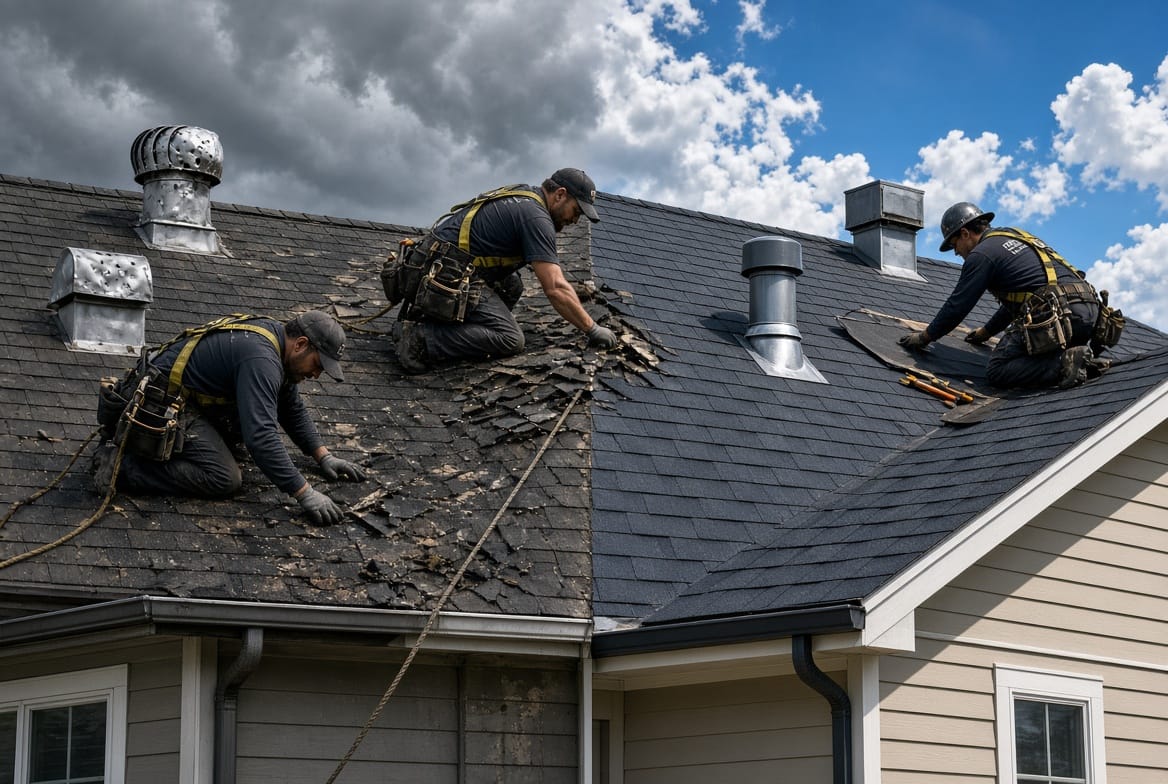
After any storm capable of producing hail, the most reliable course is a professional roof assessment. Early detection of dents on vents, granule loss, and soft spots on shingles safeguards both the structure of your home and the validity of your insurance claim.
Do not wait for visible leaks or interior staining to appear. Schedule an inspection while the evidence is still fresh and the opportunity for full recovery remains strongest.
Trained specialists will evaluate the full extent of any hail impact, document findings thoroughly, and guide you through the next steps with clarity and authority. Protecting your roof after a storm is not complicated when you know exactly what to look for and act without delay.
Protect Your Home After the Storm – Call for Assessment