The Roof Gutter Apron Flashing: Size and Overhang for Proper Water Shedding
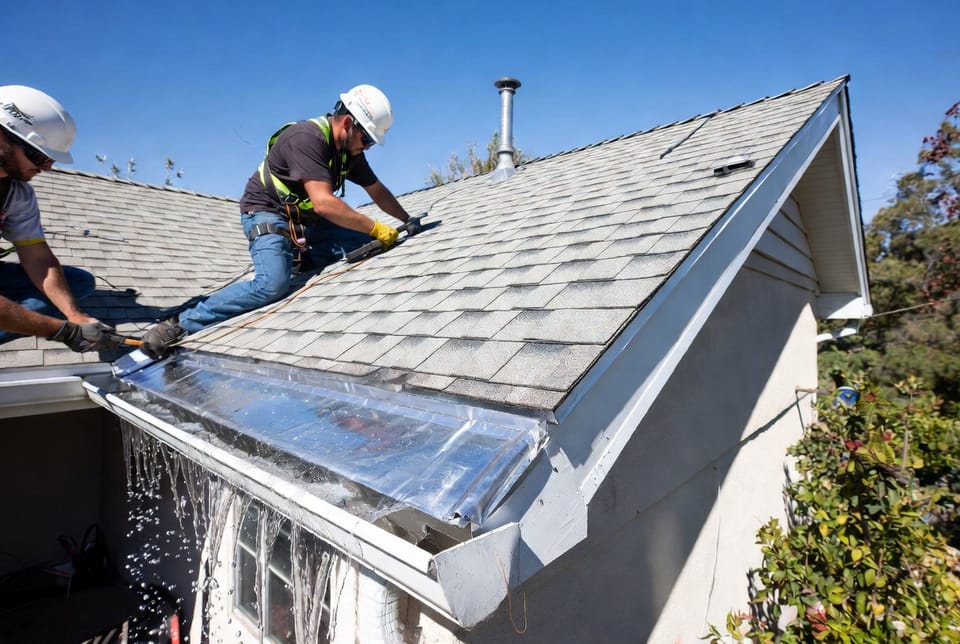
In the world of roof protection, few details matter as much as the gutter apron flashing. This essential component plays a critical role in directing rainwater away from your home’s structure, preventing costly damage to eaves, fascia boards, and interior walls. At our roofing service, we’ve seen firsthand how the right size and overhang of gutter apron flashing can safeguard your property for decades.
Get Proper Gutter Apron Flashing – Call Now!
Whether you’re building new or maintaining an existing roof, understanding this specific flashing detail is key to long-term performance. In this comprehensive guide, we’ll explore everything you need to know about gutter apron flashing, from its design and function to proper installation standards that ensure reliable water shedding.
What Is a Gutter Apron Flashing?
A gutter apron, also known as an L-shaped roof edge flashing, is a specially formed piece of metal (typically aluminum, copper, or galvanized steel) installed along the roof’s edge where it meets the gutter.
It features a distinctive L-shape: one leg sits flat on the roof decking under the shingles, while the other leg extends downward to direct water into the gutter. This simple yet effective design creates a seamless barrier that prevents water from sneaking behind the gutter and damaging vulnerable wood components.
Key benefits include:
- Redirecting rainwater efficiently into the gutter system
- Protecting fascia boards from moisture intrusion
- Extending the life of your roofing materials and gutters
- Enhancing overall roof aesthetics with clean, professional edges
When properly sized and installed, the gutter apron becomes an invisible hero of your home’s defense against the elements.
The Critical Role of Proper Overhang
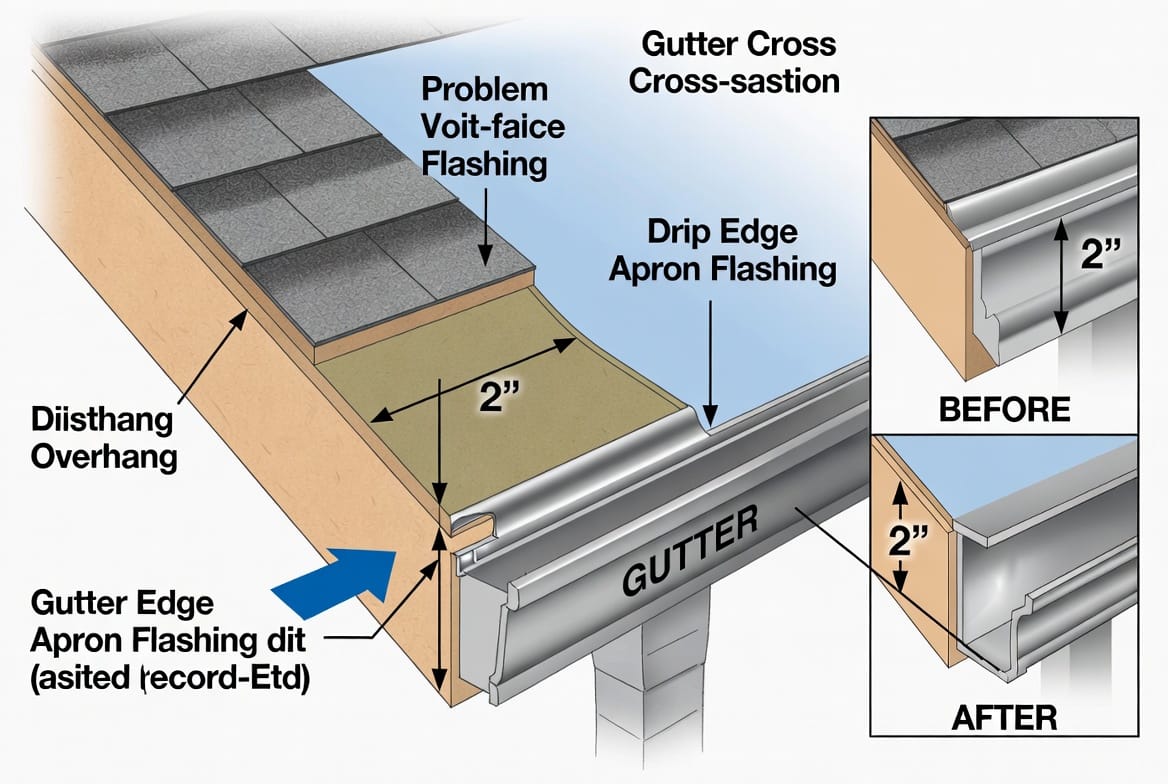
The overhang — the distance the apron flashing extends beyond the roof edge into the gutter — is perhaps the most important measurement in this detail.
Industry best practice recommends a minimum 2-inch overhang. This extension ensures water flowing off the roof is fully captured by the gutter, even during heavy downpours or wind-driven rain.
Why 2 Inches Matters
- Too short (less than 1.5 inches): Water can miss the gutter entirely or run behind it, leading to hidden leaks, wood rot, and mold growth.
- Too long (over 3 inches): The flashing may interfere with gutter cleaning, create an unattractive appearance, or cause water to overshoot during intense storms.
- Just right (2–2.5 inches): Provides reliable performance while maintaining a clean, professional look.
Bold reminder: Cutting corners on overhang dimensions often leads to expensive repairs down the road. A properly engineered gutter apron flashing detail protects your investment.
Recommended Dimensions for Gutter Apron Flashing
For optimal performance, we recommend the following specifications based on years of field experience:
- Material thickness: 0.019–0.032 inches for aluminum (heavier gauges for high-wind areas)
- Leg widths: 4–6 inches on the roof side, 3–4 inches on the vertical drop
- Overhang into gutter: 2 to 2.5 inches
- Fastener spacing: Every 12–16 inches using compatible roofing nails or screws
- Seam overlaps: Minimum 4 inches with proper sealant where sections meet
These dimensions work effectively across most residential roof pitches and gutter styles. However, steeper roofs or regions with extreme weather may require slight adjustments — always consult a qualified roofing professional for your specific situation.
Common Problems Caused by Incorrect Gutter Apron Installation
Many homeowners discover issues only after damage has already occurred. Here are the most frequent problems we encounter:
- Water behind gutters: The most common result of insufficient overhang. This leads to fascia rot, peeling paint, and structural weakening.
- Overshooting water: Excessive overhang or improper angle causes water to miss the gutter during storms, eroding landscaping and foundation areas.
- Ice dam formation: In colder climates, poor flashing allows water to back up under shingles.
- Premature shingle wear: Without adequate protection, edges of roofing materials degrade faster.
- Pest intrusion: Gaps created by poorly fitted aprons provide entry points for insects and small animals.
Don’t wait for visible damage. Proactive attention to your roof gutter apron flashing can prevent these issues entirely.
Professional Installation Best Practices
Achieving a reliable gutter apron flashing installation requires skill, precision, and quality materials. Here’s our proven step-by-step approach:
- Roof edge preparation — Ensure the substrate is clean, dry, and structurally sound.
- Proper underlayment integration — The apron flashing should work seamlessly with ice and water shield or felt paper.
- Accurate measuring and cutting — Custom fabrication on-site often yields the best fit.
- Secure fastening — Use appropriate corrosion-resistant fasteners at recommended intervals.
- Sealing critical joints — High-quality roofing sealant prevents capillary action.
- Final inspection — Test water flow to verify performance before project completion.
Our experienced crews pay special attention to these details, ensuring every installation meets or exceeds local building codes and manufacturer recommendations.
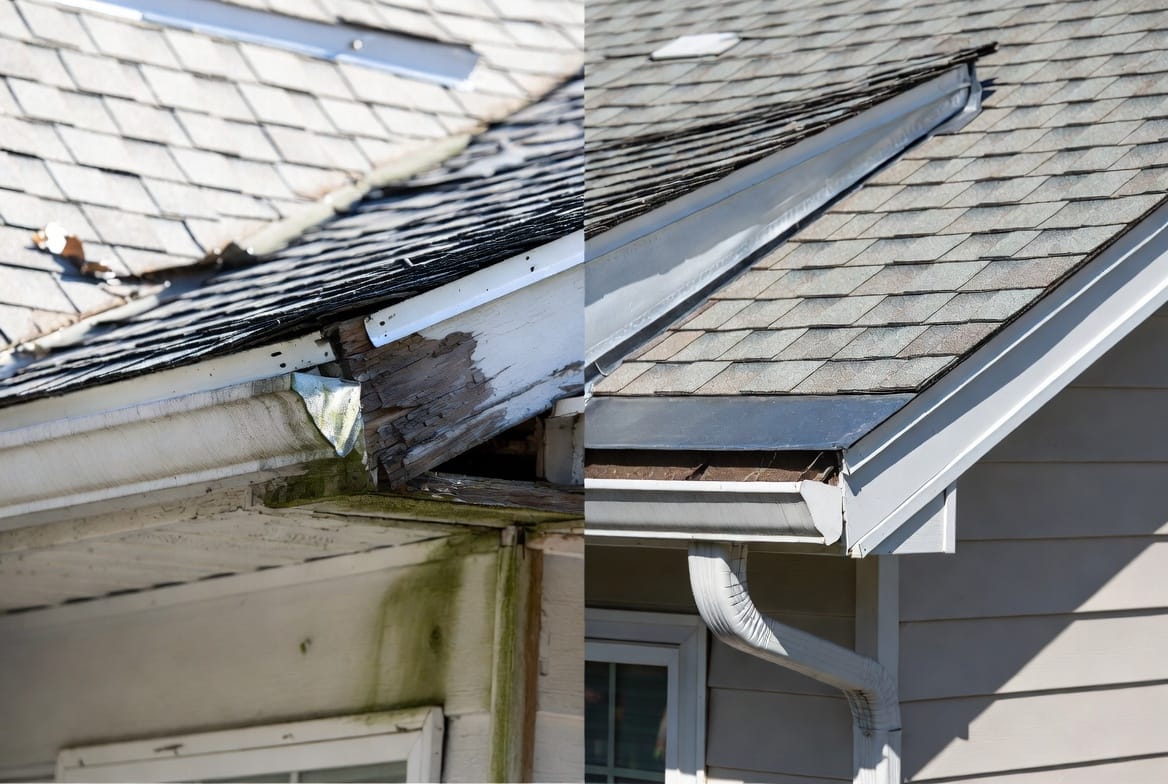
Signs Your Gutter Apron Flashing Needs Attention
Watch for these warning signs that indicate potential problems with your current setup:
- Water stains on exterior walls near the roofline
- Rotted or soft fascia boards when gently probed
- Frequent gutter overflow even during moderate rain
- Peeling paint or siding near eaves
- Musty odors in the attic or soffit areas
- Visible gaps between roof edge and gutter
If you notice any of these symptoms, it’s time for a professional roof inspection. Early intervention saves significant money and prevents escalation of damage.
Why Professional Roofing Expertise Makes the Difference
While some DIY enthusiasts attempt gutter apron repairs, the complexity of proper integration with existing roofing systems makes professional service the wiser choice.
Experienced roofers understand:
- Local climate considerations
- Material compatibility
- Building code requirements
- Long-term performance factors
Investing in quality installation pays dividends through reduced maintenance and enhanced property value. A well-executed gutter apron detail often goes unnoticed — exactly as it should — while quietly protecting your home year after year.
Maintaining Your Gutter Apron System
Once properly installed, your roof gutter apron flashing requires minimal maintenance. We recommend:
- Annual gutter cleaning to prevent debris buildup
- Periodic visual inspections after major storms
- Prompt repair of any damaged sections
- Monitoring for tree growth that might impact roof edges
With routine care, a quality gutter apron installation can last 20–30 years or more, depending on material and climate conditions.
Protecting Your Home’s Most Vulnerable Areas
The eaves and fascia represent one of the most vulnerable parts of any structure. Rainwater naturally concentrates here, making proper flashing details essential rather than optional.
By focusing on the specifics of gutter apron size and overhang, you address a critical point of potential failure before problems develop. This attention to detail exemplifies the difference between average roofing work and truly professional craftsmanship.
Conclusion: Secure Your Roof with Expert Flashing Solutions
Proper gutter apron flashing with the correct size and overhang forms a fundamental part of a watertight roofing system. The 2-inch minimum overhang standard ensures reliable water shedding while protecting your home’s structural integrity.
Proper apron flashing protects your eaves. Don’t leave this important detail to chance.
Call our team today for a thorough roof inspection and expert recommendations tailored to your property. Our knowledgeable roofing specialists are ready to help ensure your home receives the protection it deserves.
Expert Roof Flashing Inspection – Schedule Today