The Roof Flashing Replacement: When to Repair vs. Full Replacement
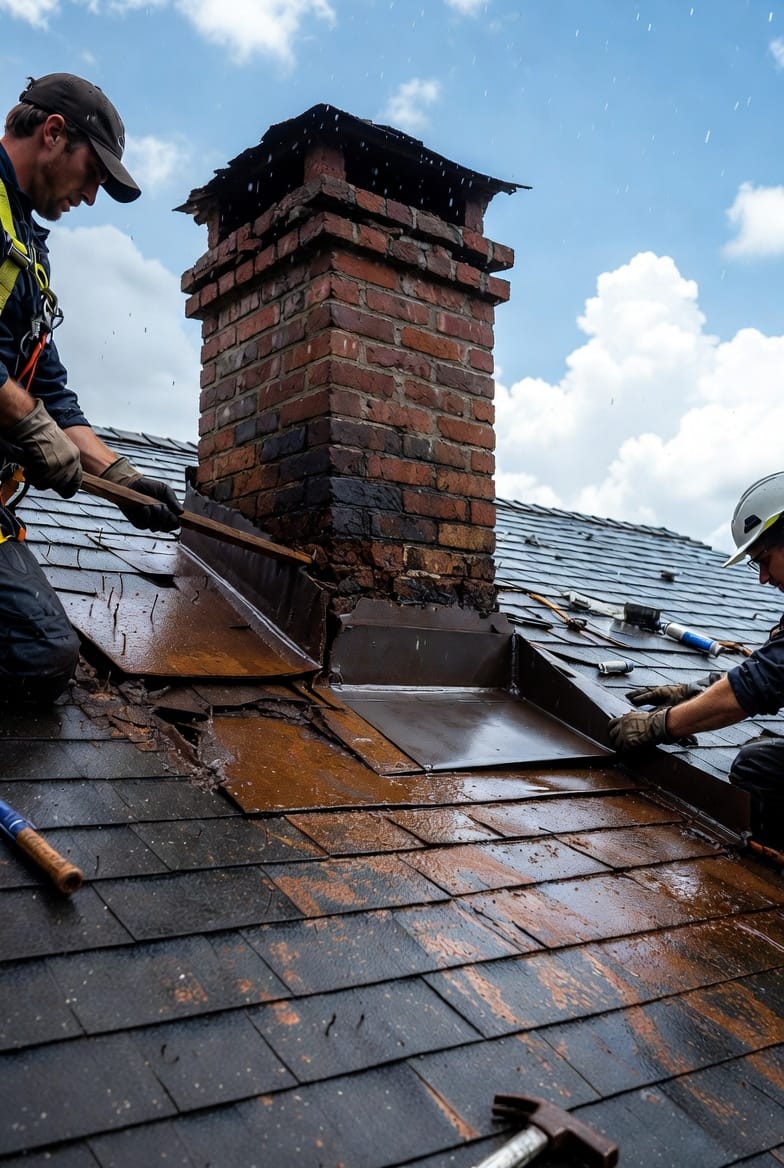
Roof flashing serves as one of the most critical yet often overlooked defenses against water intrusion in any residential or commercial roofing system. As a common leak source, damaged or failing flashing accounts for a significant percentage of roof-related issues homeowners face each year. When water finds its way past these metal seals, it can lead to costly interior damage, mold growth, and even structural weakening if left unaddressed.
Call Now for Expert Flashing Inspection
At first glance, a small drip in the attic or a ceiling stain might seem minor. Yet roof flashing replacement decisions demand careful evaluation. Repairing isolated damage can extend the life of your current system, while a full replacement often proves more economical and reliable in the long term. This guide walks you through everything you need to know — from identifying problems early to understanding the key factors that determine whether a targeted fix or complete overhaul is the smarter choice.
Rest assured, with the right assessment and professional expertise, protecting your home from flashing-related leaks is straightforward and highly effective.
Understanding Roof Flashing and Why It Matters
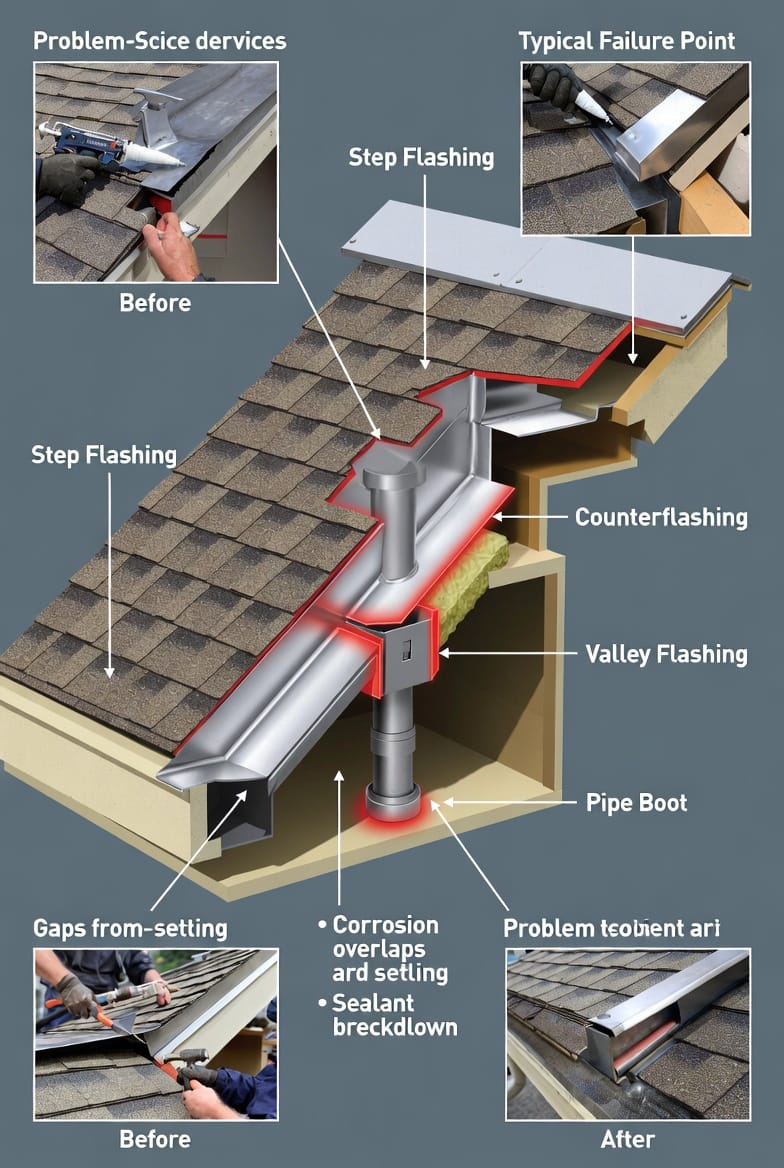
Roof flashing consists of thin metal strips (typically galvanized steel, aluminum, copper, or zinc) installed at transition points where the roof meets vertical surfaces. These include chimneys, vent pipes, skylights, valleys, and wall intersections. The flashing directs water away from these penetrations, preventing it from seeping beneath shingles or into the underlayment.
Without properly functioning flashing, even the highest-quality shingles cannot fully protect your home. Water infiltration here often starts small but escalates quickly during heavy rain or snow melt. Corrosion, improper installation, or age-related wear turns a reliable barrier into a vulnerability.
Homeowners frequently discover flashing issues only after noticing water stains, musty odors, or higher energy bills from compromised insulation. Early intervention through roof flashing repair or replacement can prevent these secondary problems and preserve your roof’s overall integrity.
Common Signs Your Roof Flashing Needs Attention
Recognizing flashing failure early empowers you to act before minor issues become major expenses. Look for these clear indicators:
- Rust or corrosion visible on metal edges around chimneys or vents
- Stains or discoloration on interior ceilings or walls near roof transitions
- Loose or lifted flashing that moves in the wind
- Granules accumulating in gutters near flashing areas (indicating underlying damage)
- Persistent leaks after rain, especially during wind-driven storms
- Deteriorated sealant or gaps where flashing meets shingles or masonry
If you spot any of these, schedule a professional inspection promptly. Delaying can allow water to reach wooden decking and rafters, leading to rot that requires far more extensive repairs.
Key Factors Determining Repair vs. Full Roof Flashing Replacement
Deciding between roof flashing repair and full replacement depends on four primary factors. Our expert teams evaluate each thoroughly to recommend the most cost-effective, long-lasting solution tailored to your specific roof.
1. Extent of Corrosion
Surface rust that has not yet penetrated the metal often responds well to targeted cleaning, treatment, and patching. However, when corrosion has eaten through the flashing or spread across multiple sections, replacement becomes essential. Widespread corrosion compromises the entire seal and increases the risk of repeated failures.
2. Type of Damage
Punctures, dents from falling branches, or flashing pulled loose by wind may only require localized roof flashing repair. In contrast, cracking along seams, complete separation from the roof deck, or damage caused by improper previous installations typically calls for full replacement to ensure proper overlaps and waterproofing.
3. Roof Age and Overall Condition
A roof less than 10 years old with isolated flashing issues usually benefits from repair. Older roofs (15–20+ years) often show coordinated aging across shingles, underlayment, and flashing. In these cases, replacing flashing during a full re-roofing project prevents future mismatches and extends the entire system’s lifespan.
4. Compatibility with New Materials
Modern roofing products demand matching flashing materials and installation techniques. Mixing old corroded flashing with new high-performance shingles or synthetic underlayment can create galvanic reactions or poor adhesion. Professional assessment ensures seamless compatibility, avoiding premature failures down the road.
These factors guide every recommendation we make. The goal remains simple: deliver maximum protection with minimal disruption to your home.
When Targeted Repair Makes the Most Sense
In many situations, roof flashing repair provides an efficient, budget-friendly solution. Consider repair when:
- Damage remains confined to a single area, such as one chimney corner
- The surrounding roof system shows no signs of widespread wear
- Corrosion is superficial and the metal retains structural strength
- Your roof is relatively new and the flashing material still matches current standards
Repair typically involves removing the damaged section, cleaning the substrate, applying compatible new flashing pieces with proper overlaps of at least 4–6 inches, and sealing with high-quality roofing cement or tape. Professional crews complete most repairs in a single day, allowing you to regain peace of mind quickly.
When Full Roof Flashing Replacement Is the Better Investment
Sometimes partial fixes only delay the inevitable. Opt for complete roof flashing replacement when facing these conditions:
- Widespread corrosion affecting multiple flashing sections across the roof
- Multiple active leaks originating from different transition points
- Roof age exceeding 15 years, especially when planning any shingle work
- Evidence of prior improper repairs that have created ongoing issues
- Homeowner plans to stay long-term and wants maximum durability
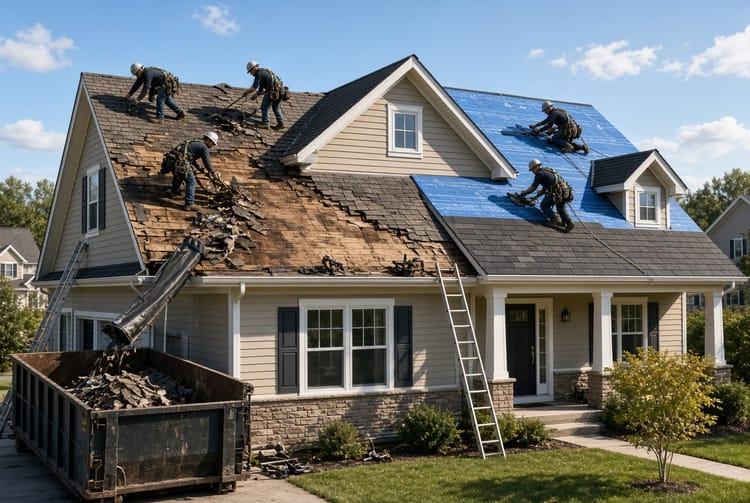
Full replacement ensures uniform waterproofing, eliminates hidden damage, and coordinates perfectly with any future re-roofing needs. While the upfront investment is higher, it delivers superior longevity and reduces the likelihood of emergency calls during stormy seasons.
The Professional Roof Flashing Replacement Process
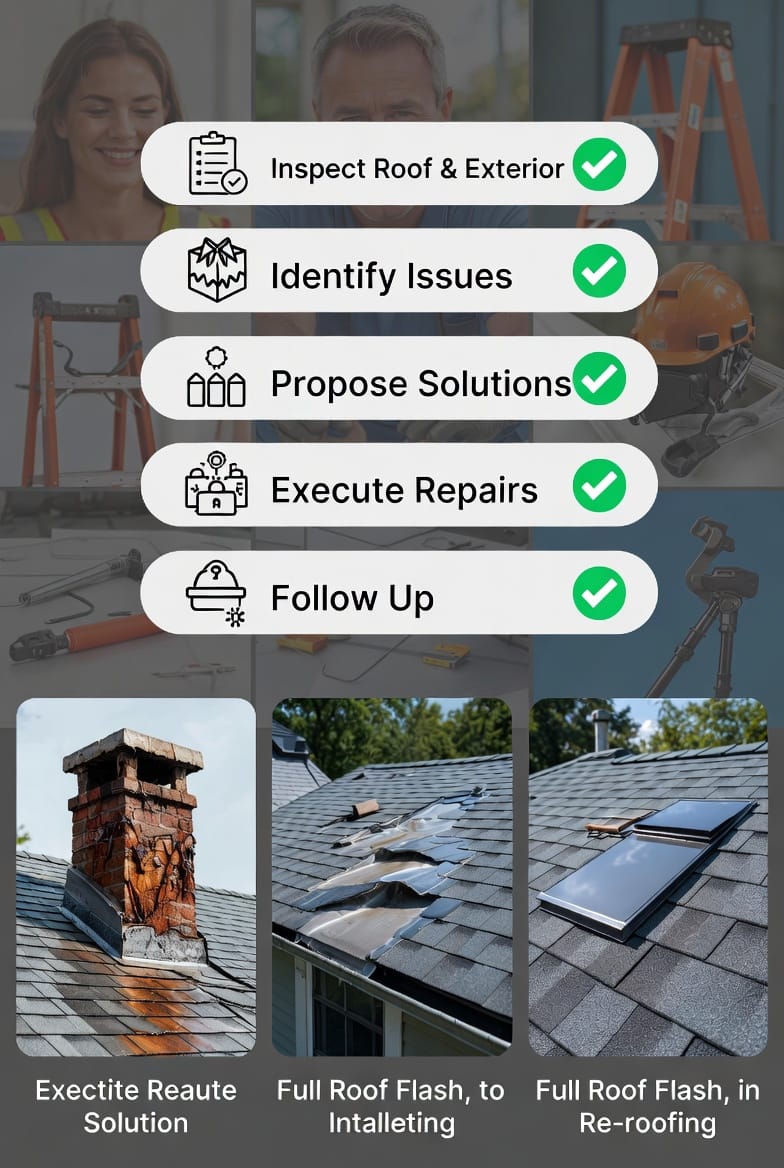
Understanding the step-by-step process helps homeowners appreciate the expertise involved. Our trained crews follow these proven stages for lasting results:
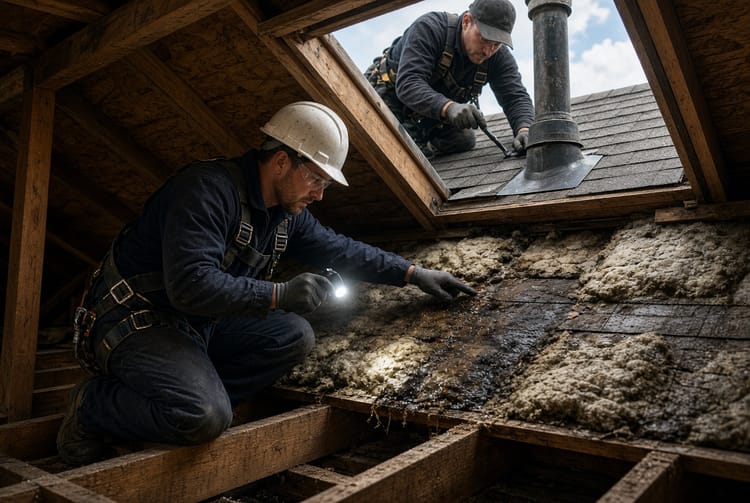
- Thorough Inspection — Detailed examination of all flashing locations, roof deck condition, and water pathways.
- Safe Removal — Careful extraction of old flashing without damaging surrounding shingles or decking.
- Surface Preparation — Cleaning, priming, and repairing any underlying issues.
- New Flashing Installation — Precision cutting, overlapping, and securing with compatible fasteners.
- Sealing and Integration — Application of premium sealants and final integration with shingles.
- Quality Testing — Water testing where possible and final walkthrough with the homeowner.
Every step prioritizes safety, precision, and minimal disruption to your daily life.
Benefits of Timely Roof Flashing Replacement
Investing in proper flashing work delivers far more than a dry interior. You gain:
- Extended roof lifespan
- Reduced risk of mold and mildew
- Lower energy costs through better insulation protection
- Increased home resale value
- Peace of mind during severe weather
Homeowners who address flashing issues proactively often report fewer insurance claims and smoother long-term maintenance experiences.
Maintenance Tips to Protect Your New Flashing
Prevention remains the best strategy. Schedule annual professional inspections, especially after major storms. Keep gutters clear, trim overhanging branches, and avoid walking on flashing areas unnecessarily. These simple habits help your investment perform optimally for decades.
Don’t Let Failing Flashing Ruin Your Roof
Roof flashing replacement — whether targeted repair or full system overhaul — protects the largest investment most families ever make. Acting at the right time saves money, prevents stress, and safeguards your home for years ahead.
Don’t let failing flashing ruin your roof. Our experienced team stands ready to assess your situation and provide clear, honest recommendations tailored to your needs.
Stop Roof Leaks Before They Start – Call Now