The Roof Fascia Soffit: Protecting the Roof Edge from Weather
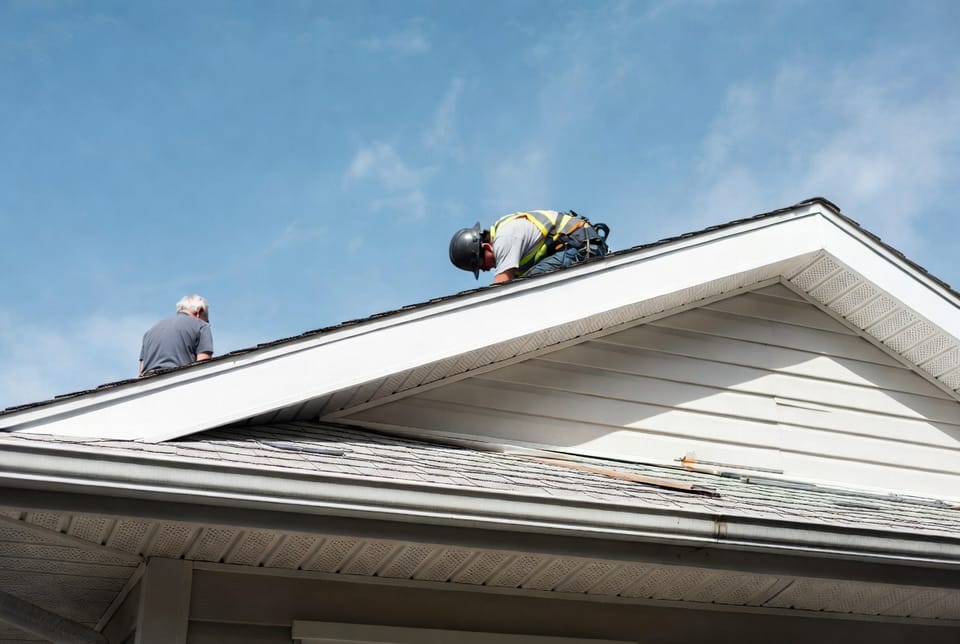
Your roof works hard every day to shield your home from rain, wind, snow, and intense sun. But the roof edge — where the roof meets the walls — faces the harshest conditions. This is where roof fascia and soffit play critical protective roles. Understanding these essential components helps homeowners maintain a strong, long-lasting roof and avoid costly repairs.
Fix Fascia & Soffit Damage Now – Call for Expert Repair!
In this comprehensive guide, we explore everything about fascia and soffit, their functions, common problems, and why professional care matters. Whether you're noticing early warning signs or planning preventive maintenance, proper attention to your roof fascia soffit system delivers peace of mind and protects your entire home investment.
What Is Roof Fascia?
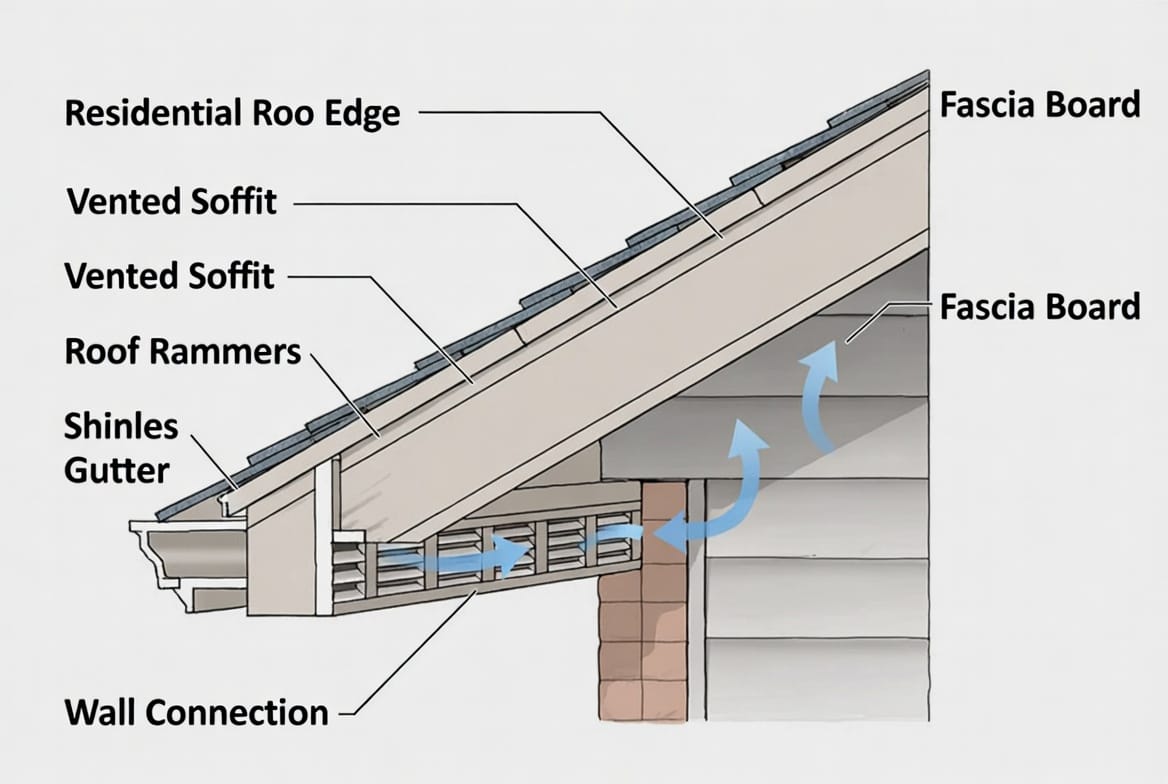
Fascia refers to the vertical board that runs along the roof edge, attached directly to the ends of the roof rafters or trusses. It serves as a finishing trim that covers the exposed ends of the rafters while providing a clean, straight line for the roof's perimeter.
Made typically from wood, aluminum, vinyl, or composite materials, fascia boards support the gutters and help direct water away from the home's exterior walls. A well-installed fascia creates a seamless transition between the roof and the siding, enhancing both structural integrity and curb appeal.
Key functions of fascia include:
- Supporting gutters and preventing them from sagging.
- Protecting rafter ends from moisture and insect damage.
- Creating a finished aesthetic for the roofline.
Without a solid fascia, your roof edge becomes vulnerable to rapid deterioration.
Understanding Roof Soffit
Directly connected to the fascia is the soffit — the horizontal underside of the roof overhang. While fascia faces outward, the soffit faces downward, covering the area beneath the eave.
Soffits often include ventilation panels or perforations that allow fresh air to flow into the attic space. This continuous airflow is vital for temperature regulation and moisture control inside your home.
Common soffit materials range from durable vinyl and aluminum (low-maintenance options) to traditional painted wood. Vented soffits are particularly popular because they promote healthy attic environments without compromising appearance.
Why Fascia and Soffit Matter for Roof Protection
The roof fascia soffit system acts as the first line of defense against weather extremes. Together, they shield the vulnerable roof edge from:
- Driving rain and wind-driven moisture
- Snow and ice accumulation
- UV radiation that breaks down materials over time
- Pests seeking entry points
Properly functioning fascia and soffit prevent water intrusion that could otherwise damage sheathing, insulation, and interior ceilings. They also maintain structural stability, ensuring gutters perform effectively and directing water safely away from your foundation.
Investing in quality fascia and soffit pays dividends through extended roof life, improved energy efficiency, and higher home resale value. Homeowners who neglect these components often face accelerated wear on the entire roofing system.
How Fascia and Soffit Work Together to Protect Your Home
The fascia and soffit form a coordinated system. The vertical fascia provides support and a mounting surface, while the soffit completes the enclosure and enables essential ventilation.
This partnership:
- Blocks moisture from reaching rafter tails
- Reduces heat buildup in summer
- Prevents cold air infiltration in winter
- Maintains balanced attic humidity levels
When both components are intact and properly vented, your roof edge stays strong season after season.
Signs of Fascia and Soffit Damage You Should Never Ignore
Early detection prevents small issues from becoming major headaches. Watch for these common warning signs of fascia soffit damage:
- Peeling or flaking paint on the fascia boards
- Soft or spongy wood when gently pressed
- Visible rot or dark discoloration
- Sagging or bowing along the roof edge
- Gutter detachment or improper alignment
- Increased pest activity near the eaves
- Water stains on interior ceilings near exterior walls
- Poor attic ventilation leading to ice dams or excessive heat
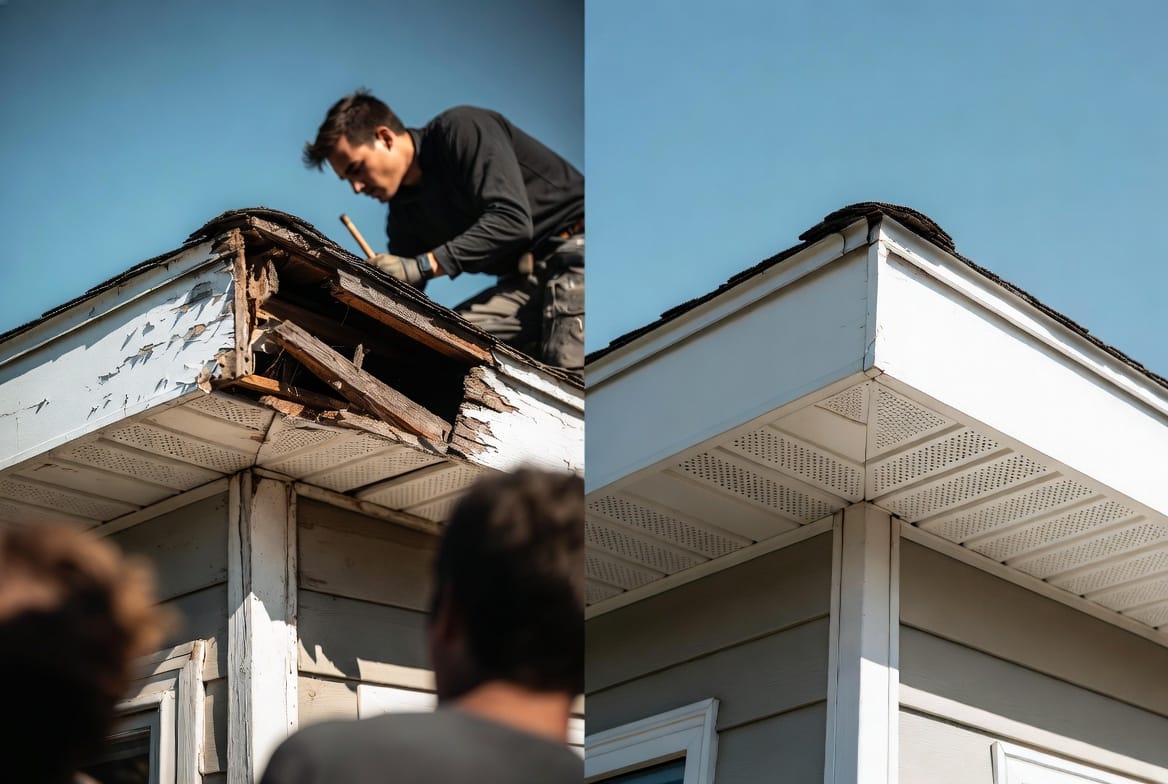
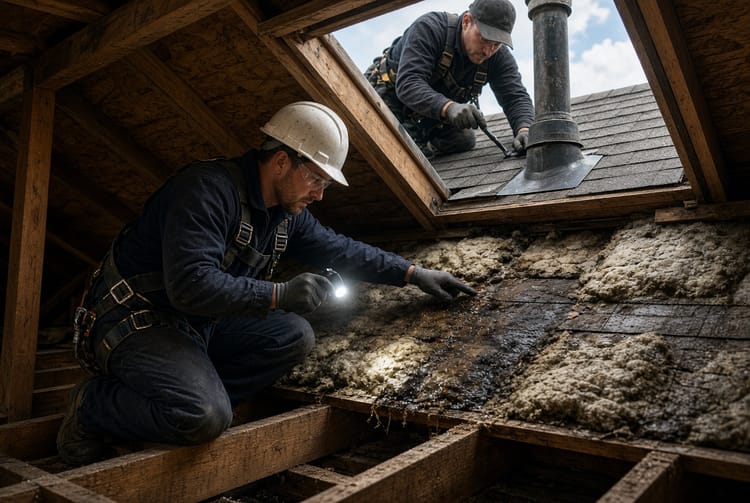
Ignoring these signs risks water damage, mold growth, compromised insulation, and even structural weakening of the roof. Prompt action protects both your home and your wallet.
Common Causes of Roof Edge Damage
Several factors contribute to fascia and soffit deterioration:
- Prolonged moisture exposure from clogged gutters or poor drainage
- Inadequate ventilation causing trapped humidity
- Extreme temperature fluctuations expanding and contracting materials
- Pest infestations, particularly wood-boring insects
- Age and material fatigue after years of service
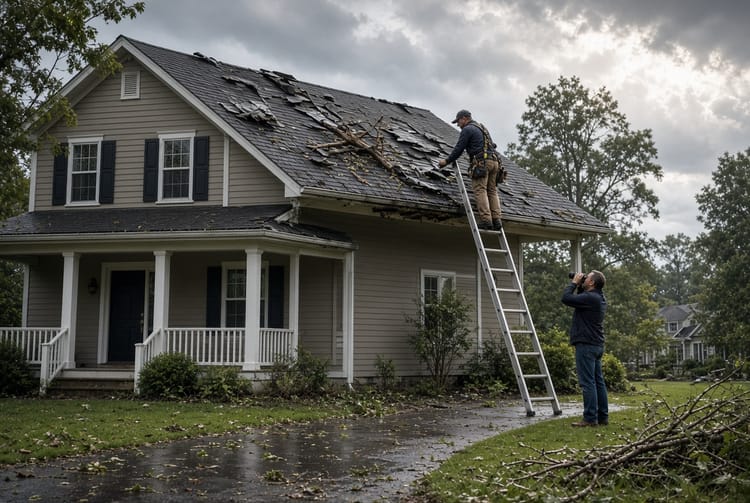
- Storm damage from high winds or falling branches
Understanding these risks empowers you to take proactive steps.
Maintenance Tips for Long-Lasting Fascia and Soffit
Regular maintenance extends the life of your roof fascia soffit system significantly. Follow these best practices:
- Inspect twice yearly, especially after severe weather
- Clean gutters to prevent overflow onto fascia
- Ensure soffit vents remain unobstructed by debris or paint
- Touch up paint on wood components before moisture penetrates
- Trim overhanging branches that could impact the roof edge
- Address small repairs immediately rather than waiting
For vinyl or aluminum systems, maintenance is minimal but still requires periodic checks for proper alignment and fastener integrity.
Professional Repair and Replacement Options
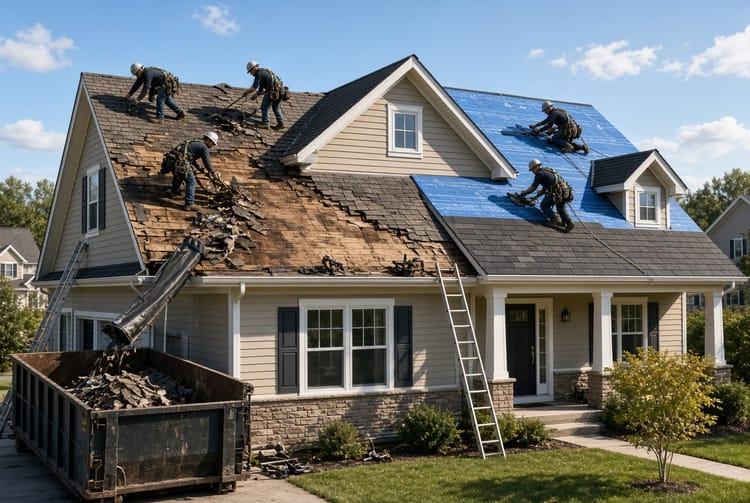
When damage exceeds DIY capabilities, professional fascia and soffit repair becomes essential. Experienced contractors use high-quality materials tailored to your climate and architectural style.
Modern solutions include:
- Moisture-resistant composite boards for superior durability
- Seamless aluminum fascia that eliminates painting needs
- Fully vented soffit systems optimized for maximum airflow
- Color-matched options that blend beautifully with existing trim
Professionals also ensure proper integration with gutters, shingles, and siding for complete weather protection.
The Benefits of Timely Fascia and Soffit Service
Addressing issues promptly delivers multiple advantages:
- Extended roof lifespan
- Improved home energy efficiency
- Enhanced curb appeal and property value
- Prevention of secondary damage to walls and interiors
- Peace of mind during storm season
A well-maintained roof edge contributes to overall home resilience and comfort.
Choosing the Right Contractor for Your Roof Edge Needs
Look for licensed, insured professionals with specific experience in fascia soffit work. Quality contractors provide detailed inspections, transparent recommendations, and warranties on both materials and labor.
They understand local building codes and climate-specific challenges, ensuring installations perform reliably for years.
Conclusion: Protect Your Roof's Edge Today
Your roof fascia soffit system plays a vital but often overlooked role in safeguarding your home. By understanding these components and responding quickly to signs of wear, you protect your investment and maintain a beautiful, functional roof.
Protect your roof's edge. Don't wait for small problems to become expensive repairs. Our experienced team delivers reliable solutions that keep your home safe and secure through every season.
Secure Your Roof Edge – Get Professional Help Today!