The Roof Eave: Proper Overhang and Flashing for Water Shedding
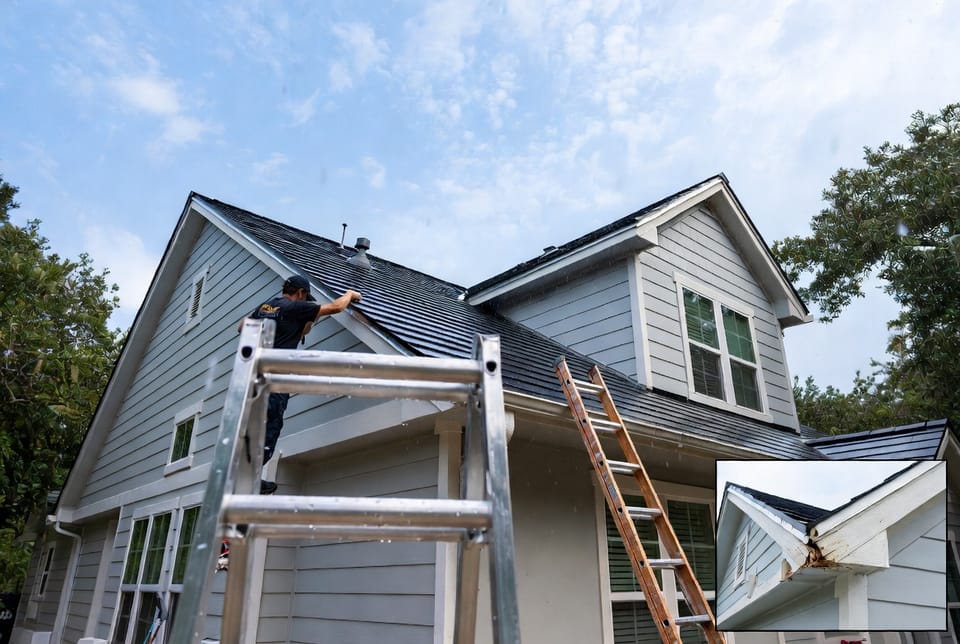
Your roof's eave is more than just the edge—it serves as the critical frontline defense against water damage. Proper eave overhang combined with high-quality flashing and drip edges directs rainwater away from your home's siding, foundation, and interior. Homeowners who invest in these details enjoy longer-lasting roofs, reduced repair costs, and greater peace of mind.
Get Proper Eave Overhang & Flashing – Call Now!
In this comprehensive guide, we explore everything you need to know about optimizing your roof eave design. Whether you're building new, renovating, or maintaining an existing roof, understanding these elements helps protect your biggest investment.
What Is a Roof Eave?
The roof eave is the portion of the roof that extends beyond the exterior wall of your home. This overhang provides shade, directs water away from the foundation, and enhances the architectural appeal of your property.
Typical proper overhang lengths range from 12 to 18 inches for most residential roofs, though this can vary based on climate, roof pitch, and local building codes. In rainy or snowy regions like parts of Texas, a more generous overhang offers superior protection against wind-driven rain and potential ice issues.
Without adequate overhang, water can cascade directly down the siding, leading to stains, rot, and costly foundation problems. A well-designed eave creates a buffer zone that keeps your home drier and more energy-efficient.
Why Proper Eave Overhang Matters
An optimal eave overhang contributes to your home's overall durability in several key ways:
- Water Management: It allows rainwater to fall clear of the walls and into gutters.
- Structural Protection: It shields siding, windows, and the foundation from moisture intrusion.
- Energy Efficiency: Overhangs provide natural shading that reduces cooling costs in hot Texas summers.
- Aesthetic Value: Balanced overhangs create visual interest and complement your home's style.
Insufficient overhang (less than 12 inches in many cases) forces water closer to the house, increasing risks of erosion and interior leaks. Professional roofers recommend measuring and adjusting during installations or replacements to meet or exceed local standards.
The Critical Role of Eave Flashing and Drip Edge
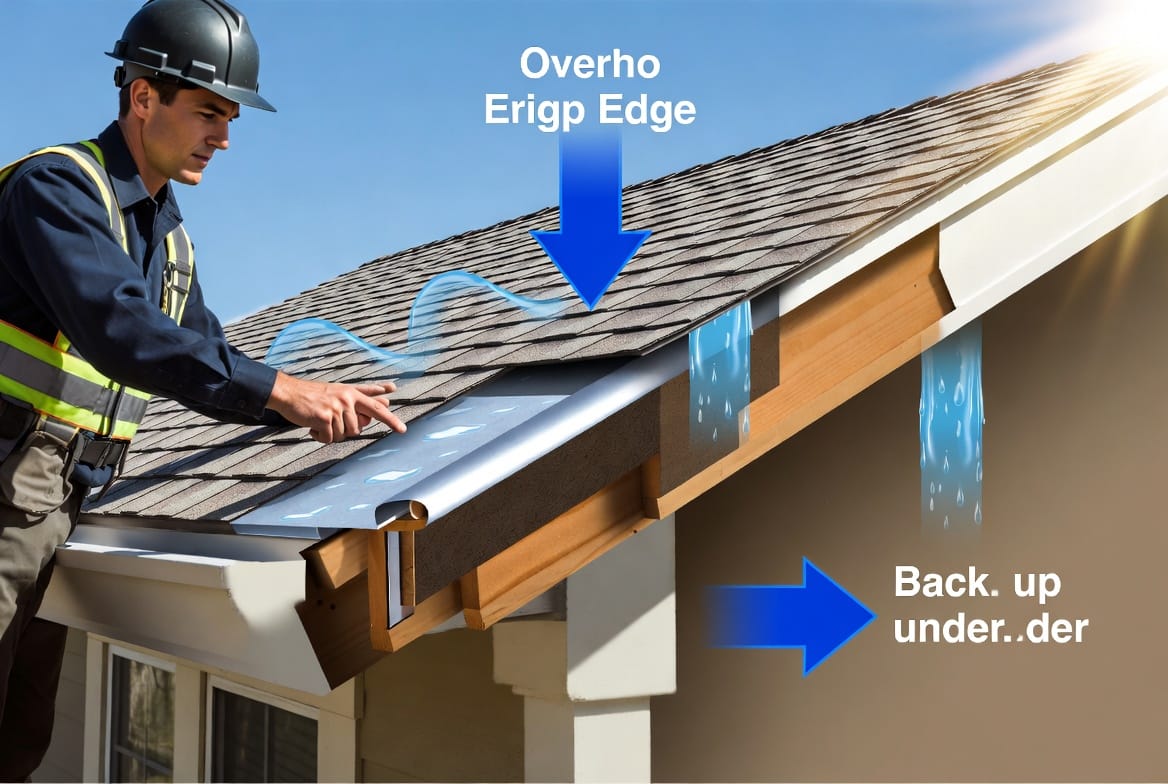
Eave flashing, particularly drip edge, is a simple yet powerful component. Made from corrosion-resistant metal, drip edge installs along the roof's perimeter to channel water off the edge cleanly.
Key benefits include:
- Preventing water from wicking back under shingles.
- Protecting fascia boards from rot and decay.
- Directing flow into gutters efficiently.
Installation best practices typically involve extending the drip edge at least 2 inches onto the roof deck and ¼ to ½ inch below the sheathing. Shingles should overhang the drip edge by about ½ to ¾ inch for optimal performance.
Ice and water shield (a self-adhering membrane) often pairs with drip edge in vulnerable areas. In colder climates or during Texas winter storms, this combination creates a robust barrier against ice dams.
Ice Dams: A Common Threat and How to Prevent Them
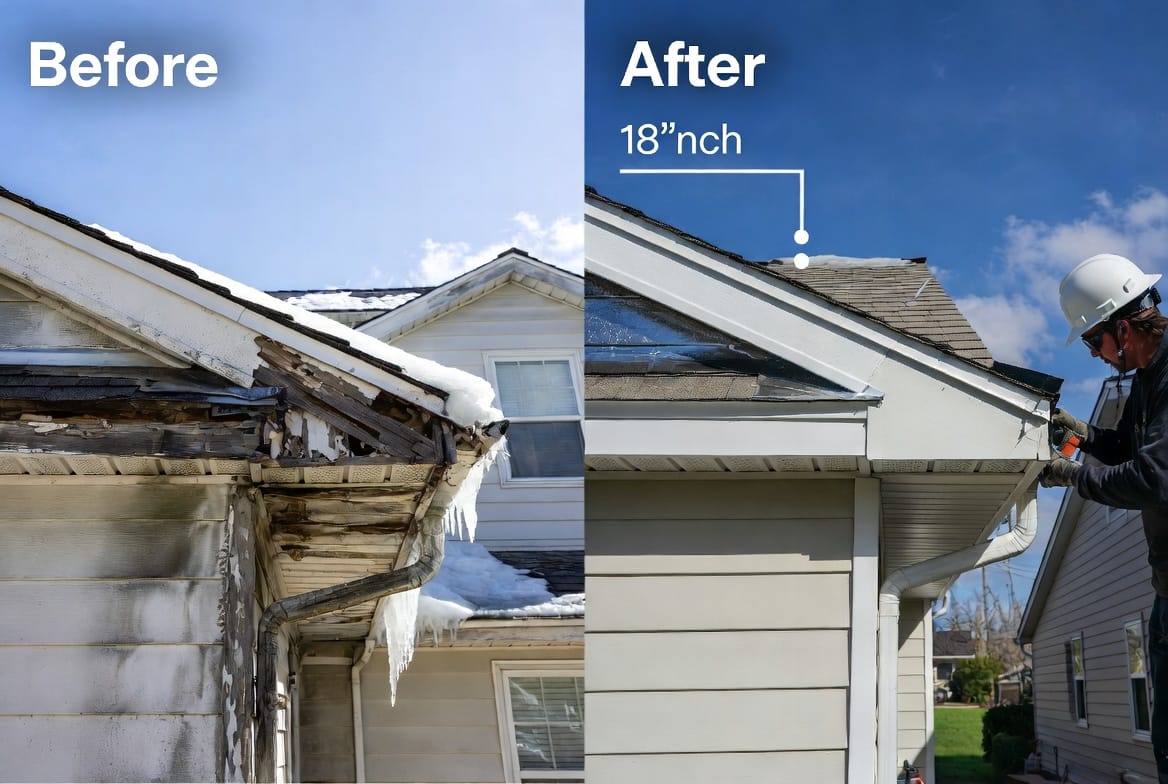
Ice dams form when melting snow refreezes at the colder eave, creating a barrier that forces water underneath shingles. This leads to leaks, interior damage, and structural issues.
Proper eave design combats this effectively:
- Adequate overhang keeps the eave area better ventilated and cooler.
- Drip edge and ice shield installed correctly (often with the membrane extending up the roof beyond the wall line) minimize backup risks.
- Good attic insulation and ventilation reduce heat loss that causes melting in the first place.
In Texas, while ice dams are less frequent than in northern states, they can still occur during rare freezes. Proactive eave protection pays dividends year-round.
Common Eave Problems and Their Solutions
Many homeowners encounter these issues due to poor initial design or lack of maintenance:
- Insufficient Overhang: Water runs down siding, causing stains and rot. Solution: Consult a professional for overhang extensions or full eave redesign during reroofing.
- Missing or Improper Drip Edge: Water seeps under shingles, leading to fascia rot and deck damage. Solution: Install quality drip edge with proper overlaps (2-3 inches) and secure fastening.
- Ice Dam Formation: Backed-up water causes leaks. Solution: Combine ice shield, optimal overhang, and attic improvements.
- Clogged Gutters or Debris: Exacerbates all problems. Solution: Regular cleaning and inspections.
Addressing these early with expert help prevents small issues from becoming major expenses.
Best Practices for Eave Installation and Design
When planning or upgrading your roof eave:
- Choose durable, code-compliant materials suited to Texas weather.
- Ensure proper integration with gutters, soffits, and ventilation.
- Overlap drip edge sections adequately and fasten securely (typically every 8-12 inches).
- Consider architectural details like decorative brackets for larger overhangs to enhance curb appeal.
Professional installation is essential. Experienced roofers understand local codes and can tailor solutions to your home's specific needs.
Ongoing Maintenance for Long-Term Protection
Maintaining your eave system is straightforward and highly effective:
- Inspect annually for damage, especially after storms.
- Clean gutters and remove debris from overhang areas.
- Check flashing seals and repair any gaps promptly.
- Monitor for signs of rot or sagging.
Routine professional roof inspections catch subtle problems before they escalate, extending your roof's lifespan significantly.
The Benefits of Investing in Proper Eave Design
Homes with optimized eaves enjoy:
- Reduced risk of water damage and mold.
- Lower insurance premiums through better risk profiles.
- Enhanced energy efficiency and comfort.
- Increased property value and visual appeal.
In Dallas and surrounding areas, where heavy rains and occasional severe weather are common, these protections are particularly valuable for Texas property owners.
Protect Your Home Today
Your roof eave plays a vital role in safeguarding your entire home. By prioritizing proper overhang and quality flashing, you ensure reliable water shedding and long-term structural integrity.
Protect your siding and foundation with proper eaves. Our experienced team provides expert assessments and solutions tailored to your home.
Don't wait for problems to arise—invest in prevention for lasting peace of mind and a more resilient home.
Secure Your Home with Proper Eave Flashing – Call Today