The River Otter in Ponds: Managing Fish-Eating Predators

River otters are charismatic, playful mammals that many homeowners admire from afar. However, when they discover a well-stocked backyard pond filled with prized ornamental fish like koi or goldfish, these skilled predators can create significant challenges. In this comprehensive guide, we explore the behavior of river otters in ponds, how to identify their presence, and most importantly, humane, effective strategies to protect your aquatic investment without harming these protected wildlife species.
Protect Your Pond from Otters – Call Now!
Pond owners in suburban and rural areas often invest thousands in creating beautiful water features only to face sudden, devastating losses. Understanding river otter behavior empowers you to respond proactively and confidently. Our experienced aquatic wildlife specialists have helped countless homeowners restore balance to their ponds while respecting local wildlife.
Understanding River Otter Behavior and Pond Conflicts
River otters (Lontra canadensis) are semi-aquatic members of the weasel family, highly adapted for hunting in water. They possess streamlined bodies, webbed feet, and sensitive whiskers that allow them to detect prey even in murky conditions. An adult otter consumes approximately 2-3 pounds of food daily, primarily fish, crayfish, and amphibians.
In natural river or lake environments, otters play a vital role in the ecosystem by controlling populations of slower or weaker fish. However, confined backyard ponds present an all-you-can-eat buffet. Otters can empty a small pond overnight, targeting larger, more valuable fish first. They often kill more than they immediately consume, leaving carcasses or partially eaten remains that stress the remaining population and invite disease.
Key risks include:
- Rapid depletion of ornamental fish stocks
- Damage to pond liners or edges from repeated access
- Increased algae or water quality issues from uneaten remains
- Emotional and financial loss for homeowners who have invested in their water garden
These intelligent animals learn quickly and may return night after night once they establish a reliable food source. Their nocturnal or crepuscular (dawn/dusk) activity makes them hard to spot until damage appears.
Recognizing Signs of River Otter Activity
Early detection is crucial for effective management. Look for these common indicators that river otters have visited your pond:
- Missing or reduced fish numbers, especially larger specimens
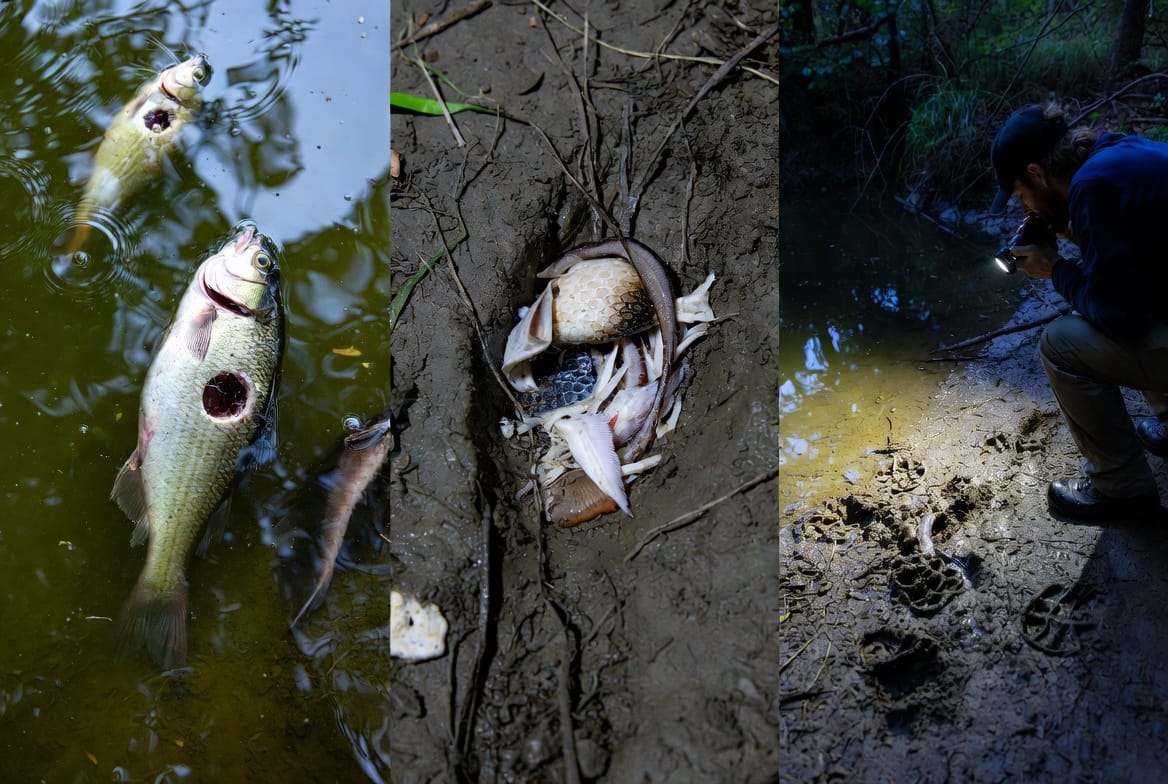
- Fish carcasses with characteristic bite marks or missing tails
- Scat (droppings) containing fish scales, bones, or crayfish shells, often deposited in prominent "latrine" areas near the pond
- Tracks showing five-toed webbed footprints in mud or soft soil
- Slide marks on pond banks where otters enter and exit the water
- Disturbed vegetation or flattened areas around the perimeter
If you notice these signs, act promptly. Delaying can lead to complete loss of your pond's ecosystem.
Humane Exclusion and Deterrent Methods
The goal is coexistence through smart exclusion rather than elimination. River otters are protected in many regions, so lethal methods are rarely legal or necessary. Focus on making your pond less accessible and attractive.
1. Pond Netting and Covers
Heavy-duty pond netting is one of the most reliable physical barriers. Choose UV-resistant, fine-mesh netting specifically designed for ponds. Secure it tightly around the edges and support it with poles to prevent sagging.
Benefits:
- Prevents otters from accessing fish
- Allows sunlight and water circulation
- Removable for maintenance and viewing
2. Fencing and Physical Barriers
Install a sturdy fence around the pond perimeter. A 4-foot high fence with 3-inch wire mesh, buried 6-12 inches underground or with an outward apron, effectively deters digging and climbing. For enhanced protection, consider a high-tensile electric fence with multiple strands spaced 4-5 inches apart.
3. Motion-Activated Devices
- Sprinklers that activate on movement startle otters without harm
- Ultrasonic repellents or bright lights with motion sensors
- Decoys such as predator statues (e.g., coyotes or owls) rotated regularly to maintain effectiveness
4. Habitat Modification
Reduce cover around the pond by trimming vegetation. Provide alternative fish hiding spots within the pond using aquatic plants, brush piles, or deeper refuge areas to make hunting more difficult.
Advanced Protection Strategies for Long-Term Success
For larger or more valuable ponds, combine multiple methods into a comprehensive defense plan. Professional installation ensures proper execution and maximizes effectiveness.
Consider pond dye to reduce visibility for visual hunters like otters, or strategic lighting to disrupt their preferred hunting times. Regular monitoring with trail cameras helps confirm which animals are causing issues and evaluates the success of your deterrents.
In some cases, sealing potential entry points from nearby waterways (culverts, drainage pipes) with appropriate barriers allows water flow while blocking otter access.
Important note: Always check local regulations before implementing any wildlife management techniques. Many areas require permits for certain exclusions.
When to Call Professional Aquatic Wildlife Specialists
While DIY solutions work for mild cases, persistent or severe otter problems benefit from expert intervention. Trained specialists can:
- Accurately assess the situation
- Design custom exclusion systems tailored to your property
- Handle any necessary permitting
- Provide ongoing monitoring and maintenance
Our team uses the latest humane techniques to resolve conflicts efficiently, giving you peace of mind that your pond is protected and local wildlife is respected.
Preventive Measures for New or Existing Ponds
Planning ahead prevents future headaches:
- Design ponds with steeper sides and deeper areas
- Incorporate fish refuge structures during construction
- Maintain a balanced ecosystem with appropriate stocking levels
- Install protective features during initial setup
Regular maintenance, including water quality testing and vegetation management, keeps your pond less appealing to predators.
The Value of Professional Pond Management
Protecting your pond isn't just about saving fish—it's about preserving your investment in a beautiful, relaxing backyard feature. A thriving pond enhances property value, supports local biodiversity (when balanced), and provides endless enjoyment for families.
By addressing river otter conflicts humanely and effectively, you contribute to responsible wildlife stewardship while enjoying your water garden worry-free.
Take Action Today to Secure Your Pond
Don't let river otters disrupt the tranquility of your backyard oasis. Early intervention and proven exclusion methods can restore balance quickly.
Protect your pond investment from otters. Our experts are ready to help you reclaim your pond and enjoy it for years to come.
With the right knowledge and support, you can successfully manage fish-eating predators and maintain a stunning aquatic feature that brings joy rather than frustration. Your peaceful pond paradise awaits—take the first step toward protection now.
Secure Your Ornamental Fish – Expert Help Awaits!