The Red Fox in Suburbia: Managing Urban Fox Populations

In today's expanding suburbs, urban wildlife encounters are becoming more common. Among these, the red fox stands out as a clever and adaptable resident. While these animals play a valuable role in the ecosystem, their presence near homes can raise concerns for families and pets. This comprehensive guide explores responsible ways to address fox populations in suburban areas, emphasizing humane management techniques that prioritize safety for both humans and wildlife.
Call Now for Humane Red Fox Removal
Our experienced team at the wildlife removal service has helped countless homeowners restore peace to their properties without harm. By understanding fox behavior and implementing proven strategies, you can protect your home while respecting nature.
Image Placeholder 1 (Opening Image) – [Insert Main Image Here with Caption Above]
Understanding Red Fox Behavior in Urban Environments
Red foxes (Vulpes vulpes) are remarkably adaptable creatures. Originally more common in rural and forested areas, they have successfully made their way into suburbs across North America. Their success stems from high intelligence, varied diet, and flexible denning habits.
These medium-sized mammals typically weigh 8 to 15 pounds and feature striking reddish-orange fur with white underbellies and black accents on their legs and ears. They are primarily nocturnal and crepuscular, meaning they are most active during twilight hours and at night. This schedule helps them avoid human activity while foraging.
Key behaviors include:
- Opportunistic feeding: Red foxes consume a wide range of foods, from rodents and rabbits to insects, fruits, and occasionally small pets or unsecured pet food.
- Territorial nature: They establish home ranges that can span several miles, often centering around reliable food sources and secure dens.
- Family structure: Foxes often live in small family groups during breeding season, with pups born in spring.
Dens under sheds, decks, or in woodpiles are particularly attractive to foxes in suburban settings. These locations provide shelter from predators and weather while staying close to food opportunities. Understanding these patterns is the first step toward effective, non-lethal management.
Foxes contribute positively by controlling rodent populations, but when they become too comfortable near human dwellings, proactive steps become necessary to maintain balance.
Recognizing Signs of Fox Activity Near Your Home
Early detection makes management easier and more effective. Homeowners should watch for these common indicators of red fox presence:
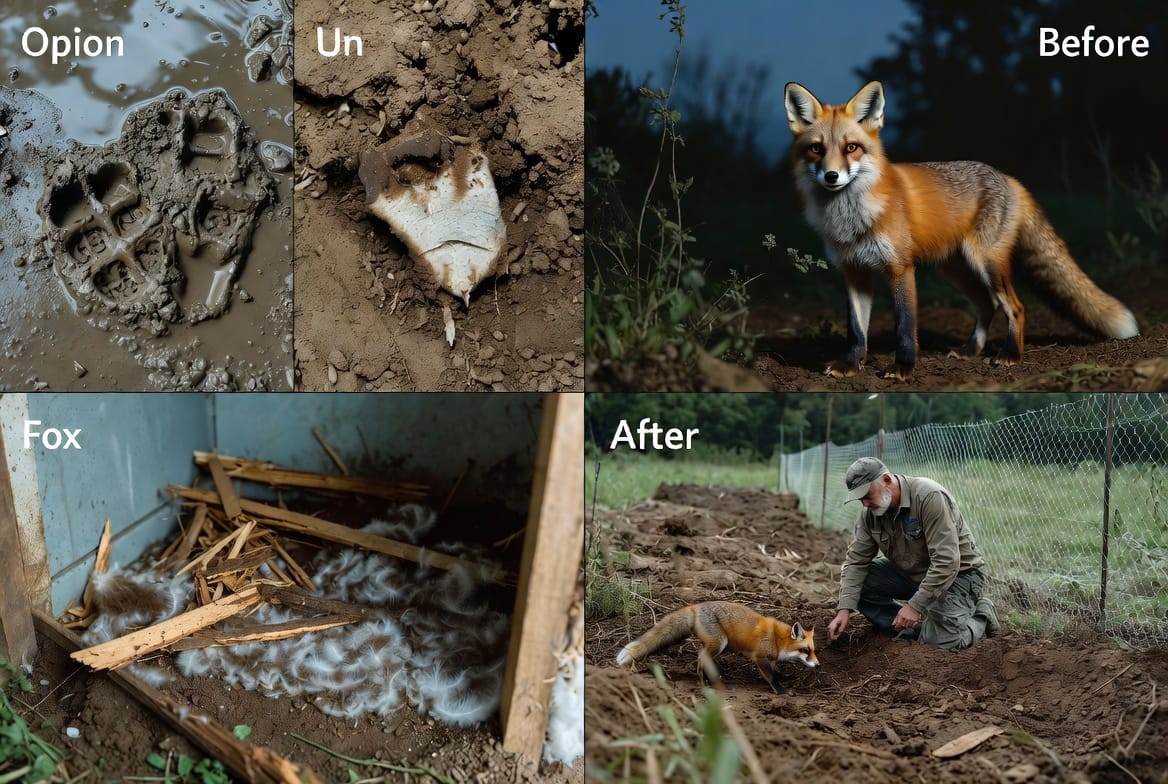
- Tracks: Distinct four-toed prints with claw marks, often found in soft soil, mud, or snow. Fox tracks are more oval than dog prints and show a straight-line walking pattern.
- Scat (droppings): Similar to dog feces but often containing fur, bones, or seeds. Fox scat frequently appears twisted with pointed ends.
- Missing small pets or poultry: Foxes may prey on unsecured cats, small dogs, rabbits, or chickens.
- Sightings at dusk or dawn: Glimpses of the fox in yards, near garbage, or along fence lines.
- Noises: Sharp barks, screams, or howls, especially during mating season (winter) or when pups are present.
- Den entrances: Holes approximately 8-12 inches wide, often under structures, with excavated dirt piles nearby.
Potential Risks Associated with Urban Foxes
While foxes are generally wary of humans, their proximity can introduce certain risks that deserve attention:
- Pet safety: Small dogs, cats, and backyard chickens can become targets, especially at night.
- Disease transmission: Like many wild canids, foxes can carry rabies, mange, and parasites such as roundworms. Though transmission to humans is rare, caution is advised.
- Property damage: Digging under foundations or sheds can create structural issues over time.
- Garden and landscaping impact: Foraging can disturb flower beds or vegetable patches.
- Nuisance behavior: Repeated visits for food scraps can lead to bolder animals.
Bold action in addressing these concerns early prevents escalation and promotes harmonious coexistence where possible.
Humane Management Strategies That Work
Effective urban fox management focuses on humane, long-term solutions rather than short-term fixes. The goal is to make your property less appealing while encouraging foxes to relocate naturally.
Core principles of humane management include:
- Removing attractants
- Secure den exclusion at the right time
- Habitat modification
- Professional assistance when needed
Step 1: Remove Food Sources
Secure all garbage in tight-fitting bins. Eliminate pet food left outdoors. Pick up fallen fruit from trees and maintain compost piles properly. These simple changes dramatically reduce a property's appeal.
Step 2: Den Exclusion
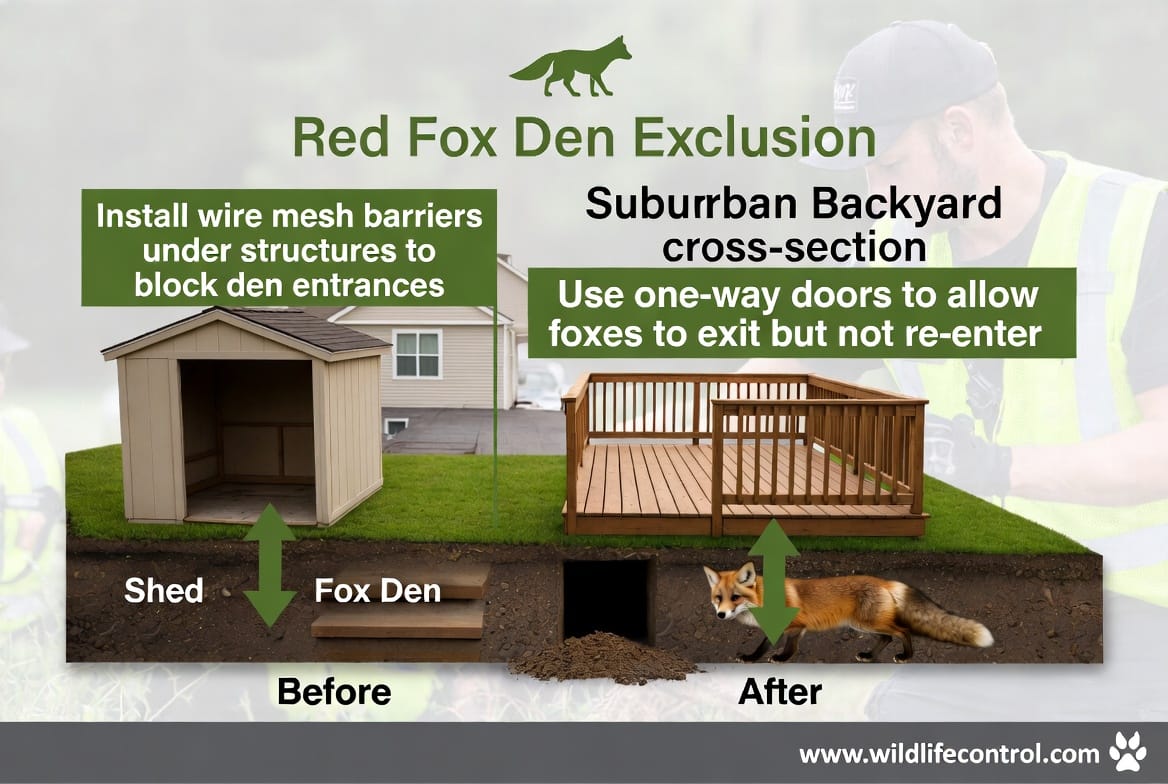
Identify active dens during late summer or fall, after pups have matured and left. Block entrances with sturdy materials once the family has vacated. Never seal dens when young are present – our specialists can help determine proper timing.
Step 3: Install Physical Barriers
Use fencing with buried skirts around gardens and chicken coops. Trim overgrown vegetation to reduce cover. Install motion-activated lights or sprinklers as gentle deterrents.
Our team employs advanced, humane techniques including one-way doors for safe eviction and thorough cleanup of den sites to prevent re-occupation.
Prevention Tips for Long-Term Success
Prevention remains the most effective approach to managing urban fox populations. Implement these strategies consistently:
- Yard maintenance: Keep grass short and remove brush piles or wood stacks that could serve as shelter.
- Pet protection: Supervise small pets outdoors, especially during dawn and dusk. Use enclosed runs for rabbits or chickens.
- Secure structures: Repair gaps under sheds, decks, and porches. Use hardware cloth or metal flashing for reinforcement.
- Community efforts: Work with neighbors to reduce area-wide attractants. Coordinated action yields better results.
- Education: Teach children to admire wildlife from a distance and never feed wild animals.
By following these guidelines, many homeowners successfully minimize conflicts while supporting local biodiversity.
The Importance of Professional Wildlife Removal Services
While some situations can be handled with DIY methods, complex or persistent issues benefit from expert intervention. Professional wildlife removal specialists bring:
- Extensive knowledge of local fox behavior and regulations
- Safe, humane equipment and techniques
- Thorough property inspections and customized plans
- Follow-up monitoring to ensure long-term success
- Legal compliance with wildlife protection laws
Our certified team understands the delicate balance between human needs and wildlife conservation. We prioritize non-lethal solutions whenever possible and provide complete den sanitation to eliminate odors and parasites.
Case Studies: Real Suburban Solutions
Consider the Johnson family in a growing subdivision. They noticed missing chickens and tracks near their shed. Our team conducted a full assessment, identified an active den with pups, and scheduled exclusion after the young dispersed. Within weeks, the foxes moved on naturally, and preventive measures ensured they did not return. The family now enjoys their backyard without worry.
Similar success stories repeat across communities. Each situation is unique, requiring tailored approaches based on property layout, family needs, and local ecology.
Frequently Asked Questions About Urban Foxes
Q: Are red foxes dangerous to humans?
A: Foxes are naturally timid. Healthy foxes rarely approach people. Maintain distance and secure attractants to minimize any risk.
Q: Can I trap and relocate a fox myself?
A: We strongly recommend professional handling. Improper trapping can cause unnecessary stress to the animal and may violate local regulations.
Q: What time of year are foxes most active?
A: Activity peaks during winter mating season and when raising pups in spring. However, they remain present year-round.
Q: Do foxes carry rabies?
A: All mammals can potentially carry rabies, but reported cases in foxes remain relatively low. Vaccinate pets and avoid contact with wild animals showing unusual behavior.
Why Humane Management Matters
Responsible wildlife management protects both your family and the animals sharing our environment. Indiscriminate methods can disrupt ecosystems and lead to other pest issues. Humane approaches promote sustainability and peace of mind.
Our specialists are committed to ethical practices that comply with all wildlife regulations. We focus on root causes rather than symptoms, delivering lasting results.
Taking Action for Your Property
Don't let urban fox concerns disrupt your suburban lifestyle. With the right knowledge and support, you can effectively manage these situations while maintaining respect for nature.
Manage foxes humanely. Protect your home, pets, and family with proven strategies tailored to your specific needs.
Our team is ready to help restore harmony to your property with compassionate, effective solutions.
Protect Your Home – Call Fox Specialists Today