The Raccoon Latrine: Health Risks from Roundworm and Safe Cleanup
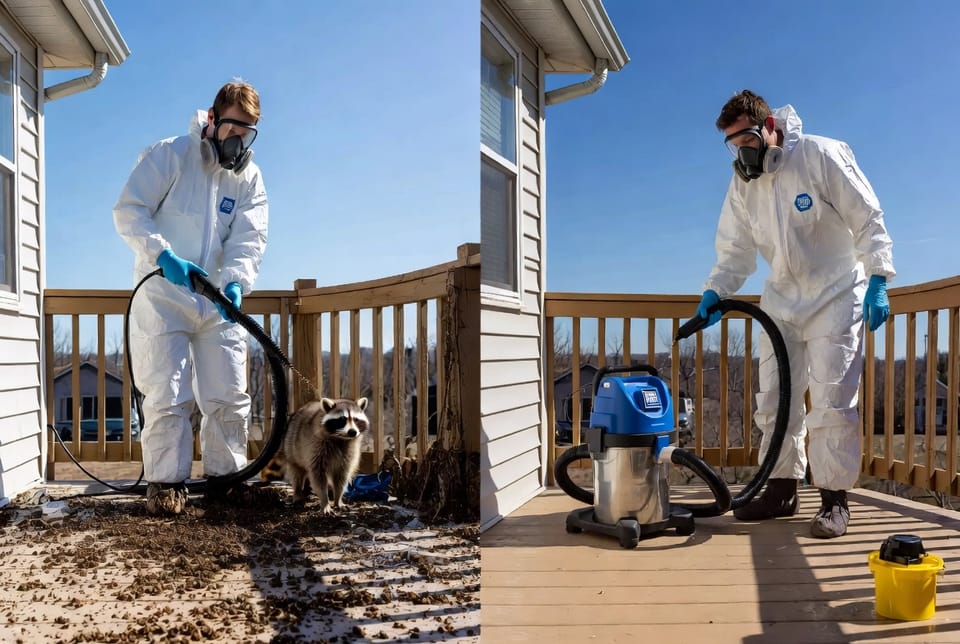
Raccoons may appear cute and clever, but their habits can create serious health hazards around homes and properties. Raccoon latrines — specific areas where these animals repeatedly defecate — pose significant risks due to the microscopic eggs of the Baylisascaris procyonis roundworm. These eggs are incredibly resilient and can remain infectious in the environment for years.
Call Now for Safe Raccoon Latrine Cleanup
At our professional wildlife removal service, we understand the urgency of addressing these biohazards properly. This comprehensive guide explains the dangers, why professional intervention is essential, and how safe, thorough cleanup protects your family, pets, and property.
Raccoon droppings are a biohazard. Ignoring them is never worth the risk.
What Is a Raccoon Latrine and Why Do They Form?
Raccoons are creatures of habit. They select specific elevated or sheltered spots — such as decks, rooftops, attics, sheds, or tree bases — as communal defecation sites called latrines. A single latrine can accumulate dozens or even hundreds of droppings over time.
These locations are often near food sources or denning areas, making residential properties prime targets. The droppings are dark, tubular, and may contain visible seeds or fur. Over time, they break down, releasing microscopic Baylisascaris eggs into the surrounding soil, dust, or surfaces.
Key risk: The eggs are not visible to the naked eye. Even a seemingly clean area after raccoons have left can harbor infectious material. Professional inspection is crucial to identify hidden contamination.
The Serious Health Threat: Baylisascaris Roundworm
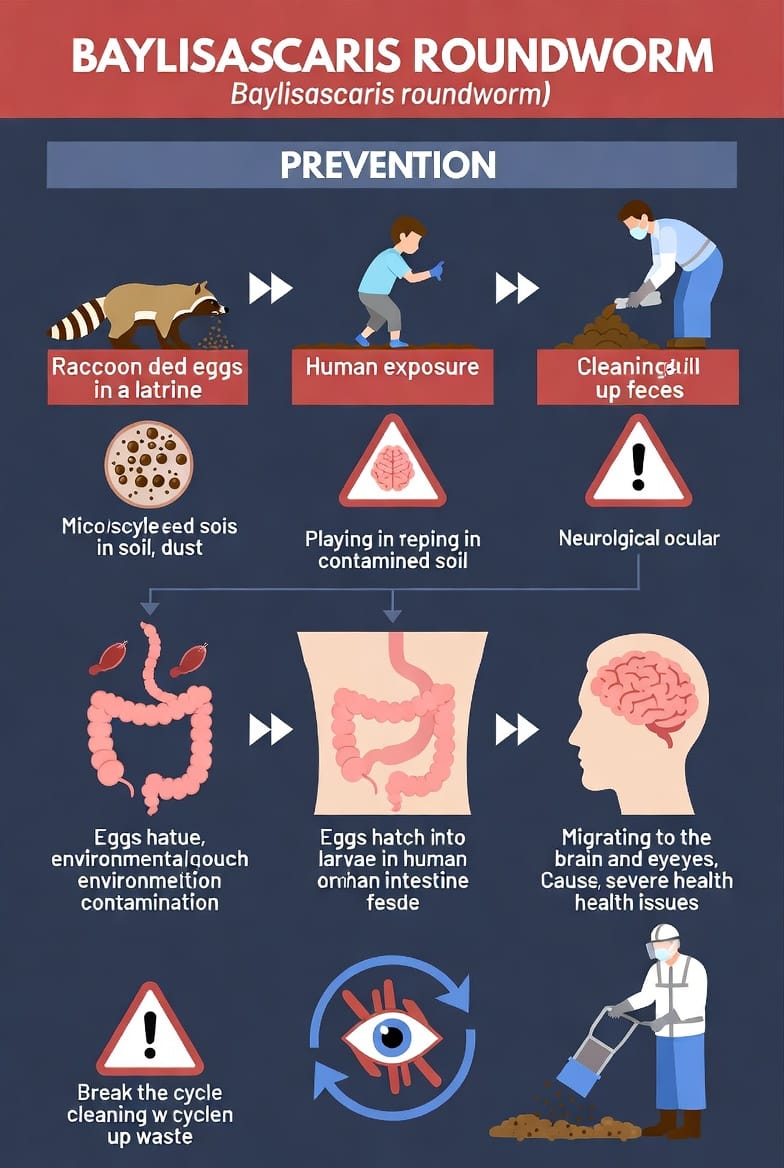
Baylisascaris procyonis is a parasitic roundworm commonly found in raccoons. Unlike many other parasites, its eggs are highly resistant to extreme temperatures, disinfectants, and time. They can survive in the environment for years, waiting for a host.
When humans — especially young children, who are naturally curious and may put hands or objects in their mouths — ingest these eggs, the larvae can hatch and migrate through the body. This condition, known as visceral larva migrans or neural larva migrans, can cause severe inflammation, tissue damage, and neurological issues.
Health risks include:
- Permanent vision loss or ocular damage
- Seizures and neurological impairment
- Developmental delays in children
- In rare but documented cases, coma or death
The authoritative consensus from public health experts is clear: exposure to raccoon feces should never be taken lightly. Even brief contact during cleanup attempts can lead to accidental ingestion of eggs through contaminated hands, clothing, or airborne dust.
How Human Infection Occurs
Infection happens through the fecal-oral route. Baylisascaris eggs become infective after 2–4 weeks in the environment. Once ingested:
- Eggs hatch in the intestines.
- Larvae penetrate the intestinal wall.
- They travel through the bloodstream to organs, eyes, or the central nervous system.
Children playing near contaminated decks or gardens are at highest risk, but adults performing yard work or home maintenance can also be exposed. Pets may track eggs indoors on paws or fur, extending the contamination zone.
Prevention starts with awareness. Regular property inspections and prompt professional response significantly reduce these risks.
Recognizing Signs of a Raccoon Latrine on Your Property
Look for these indicators:
- Piles of dark, tubular droppings in one concentrated area
- Strong, unpleasant odor
- Raccoon tracks (hand-like prints) nearby
- Greasy or worn paths leading to the site
- Droppings on elevated surfaces like roofs, decks, or railings
If you suspect a latrine, do not attempt cleanup yourself. Disturbing the material can aerosolize eggs, increasing inhalation risk.
Why DIY Cleanup Is Extremely Dangerous
Many homeowners underestimate the persistence of roundworm eggs. Household cleaners, bleach, and pressure washing often fail to eliminate them completely. In fact, these methods can spread contaminated particles.
Critical risks of DIY efforts:
- Inadequate personal protective equipment (PPE)
- Failure to use specialized HEPA filtration
- Improper disposal leading to re-contamination
- Cross-contamination to living areas
Professional wildlife removal teams use industry-standard protocols developed specifically for Baylisascaris hazards. This includes negative air pressure setups, medical-grade disinfectants, and verified disposal methods that comply with health regulations.
The Professional Raccoon Droppings Cleanup Process
Safe removal follows a meticulous, multi-step protocol designed to eliminate risks entirely:
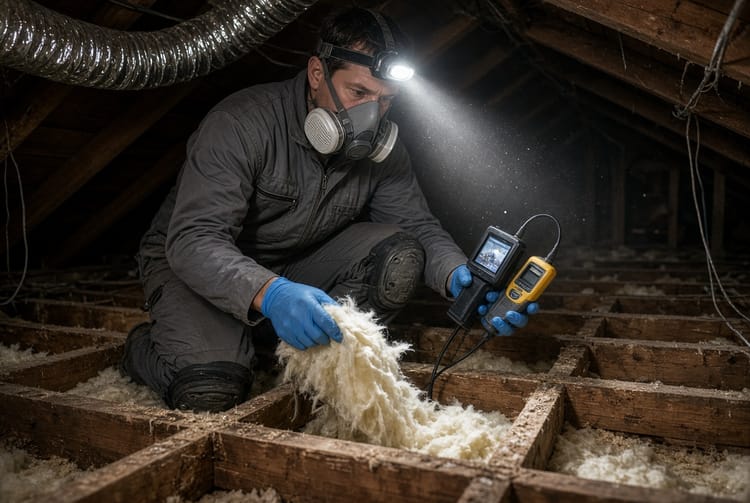
- Initial Assessment: Thorough inspection using specialized lighting and tools to map all contaminated areas.
- Containment: Setting up barriers to prevent spread during removal.
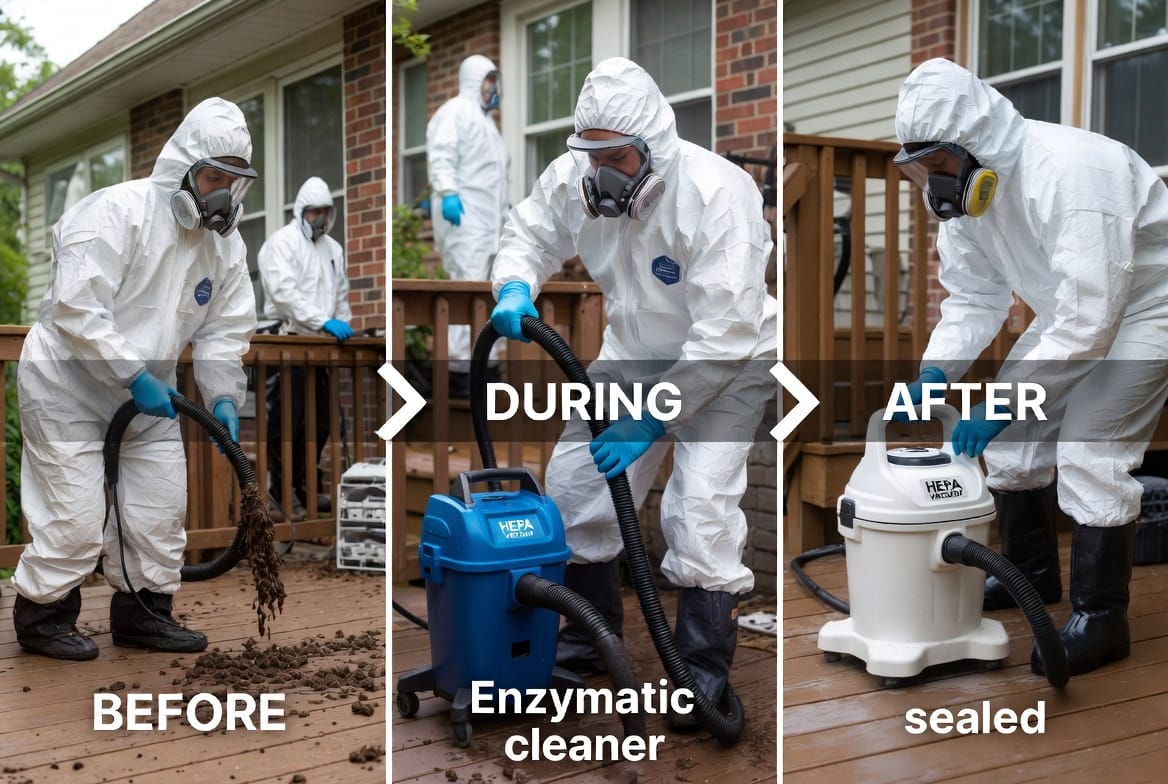
- HEPA Vacuuming: Powerful, medical-grade HEPA vacuums capture microscopic eggs without releasing them back into the air.
- Manual Removal: Careful collection of solid waste into biohazard bags.
- Surface Treatment: Application of enzymatic cleaners and EPA-approved disinfectants proven effective against parasites.
- Final Decontamination: Multiple passes with disinfectants and verification testing where appropriate.
- Restoration: Cleaning and, if needed, repairing affected structures.
This process ensures your property returns to a safe, healthy state.
Long-Term Prevention After Cleanup
Once the immediate hazard is resolved, prevention becomes key:
- Seal entry points to prevent raccoon re-entry
- Remove attractants like unsecured garbage, pet food, or fallen fruit
- Install deterrents such as motion-activated lights or repellents
- Schedule regular property inspections, especially in spring and fall
- Maintain cleanliness around decks, roofs, and outbuildings
Our team provides comprehensive raccoon removal and exclusion services to ensure latrines do not return.
Protecting Vulnerable Family Members
Young children, pregnant individuals, the elderly, and those with compromised immune systems face higher risks. Professional cleanup provides peace of mind that these invisible threats have been completely addressed.
We approach every job with care, discretion, and a commitment to family safety. Our technicians are trained, insured, and equipped with the latest tools for biohazard cleanup.
Common Myths About Raccoon Feces
Myth: Sunlight or freezing kills all eggs.
Fact: Baylisascaris eggs remain viable in varied conditions.
Myth: If no raccoons are currently present, the area is safe.
Fact: Eggs persist long after the animals have moved on.
Myth: Simple hosing will solve the problem.
Fact: Water can spread eggs to new locations.
Trusting professionals ensures these myths do not lead to exposure.
When to Call for Expert Help
Any discovery of raccoon droppings — especially in high-traffic or living areas — warrants immediate professional assessment. Delaying action allows eggs to mature and increases contamination scope.
Our 24/7 response team is ready to evaluate your situation, provide transparent recommendations, and execute safe removal.
Comprehensive Wildlife Removal Services
Beyond raccoon latrine cleanup, we specialize in humane raccoon removal, attic restoration, structural repairs, and prevention strategies. Our holistic approach addresses both immediate health threats and long-term wildlife issues.
Raccoon droppings are a biohazard. Call for professional cleanup at (855) 321-2977.
Our experienced team delivers fast, reliable, and discreet service across our service areas. We prioritize your family’s safety with every project.
Conclusion: Reclaim Your Property with Confidence
Living with the knowledge of a raccoon latrine nearby can cause significant stress. Understanding the health risks from Baylisascaris roundworm empowers informed decisions. Professional cleanup using HEPA vacuuming, targeted disinfecting, and proper protocols eliminates dangers effectively.
Don’t risk your family’s health with uncertain DIY methods. Partner with trained wildlife professionals who handle these situations daily with expertise and care.
Eliminate Roundworm Risks – Call Now!