The Porcupine Problem: Managing Quilled Pests That Damage Trees and Structures
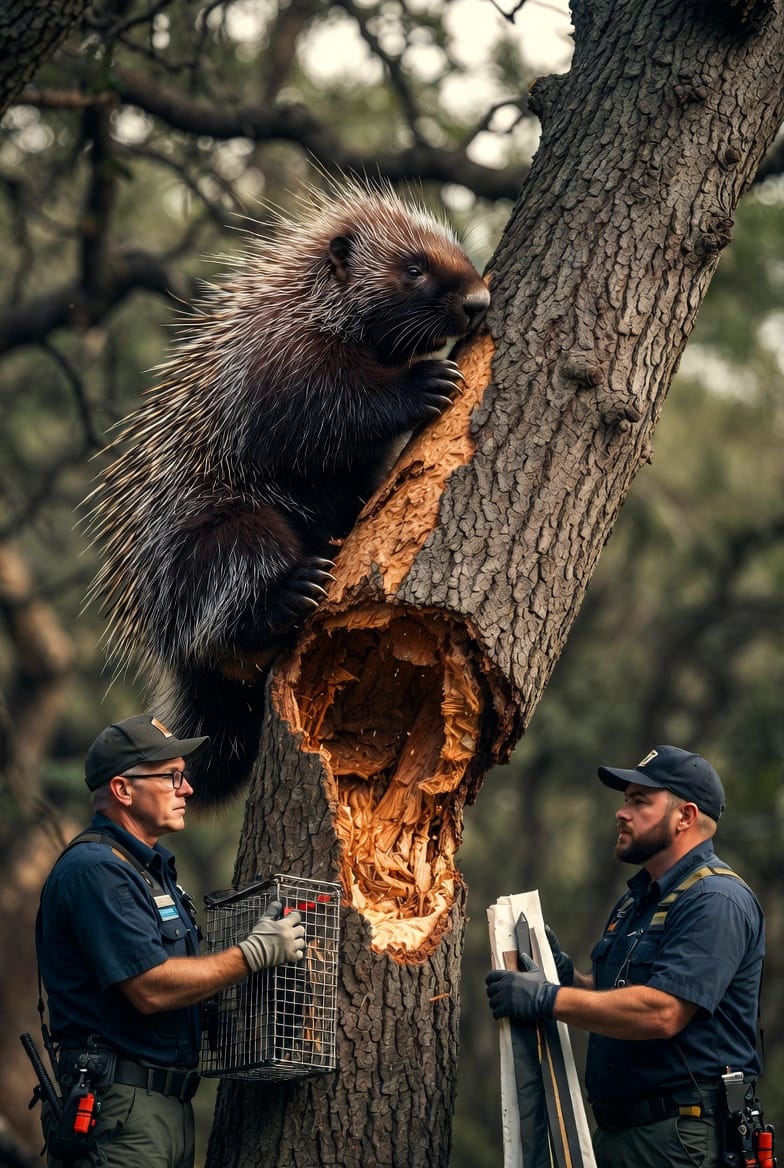
Porcupines may look slow and harmless, but their relentless gnawing habits create serious headaches for homeowners, farmers, and property managers. These quilled rodents are skilled climbers that target trees and wooden structures with surprising efficiency. Left unchecked, they cause tree girdling, structural weakening, and costly repairs. At our wildlife removal service, we specialize in safe, effective porcupine management that protects your property without harm to the animals.
Stop Porcupine Damage Today – Call for Humane Removal
This comprehensive guide explains porcupine behavior, the exact damage they cause, and proven humane exclusion and trapping methods. You’ll learn how to spot early warning signs and why professional intervention is the smartest way to restore peace to your landscape.
Understanding Porcupine Behavior: Why They Gnaw Bark and Seek Salt
Porcupines are primarily nocturnal herbivores with a powerful drive for sodium. Their sharp incisors never stop growing, so they must gnaw constantly to keep them trimmed. In winter and early spring, when natural food is scarce, they strip bark and cambium layers from trees to access nutrient-rich inner tissue.
They are especially attracted to salt sources. Human sweat, pet urine, road salt residue, and even plywood treated with certain chemicals act like magnets. This explains why porcupines frequently chew on wooden decks, siding, fences, and tool handles. Once they discover a reliable salt source, they return night after night, turning minor nibbles into major structural issues.
Key behavioral facts every property owner should know:
- Porcupines can climb trees with ease thanks to strong claws and prehensile tails.
- They prefer softwoods like pine, hemlock, and spruce but will damage hardwoods during high-need periods.
- A single adult can remove large patches of bark in one feeding session.
- Their quills are a defense mechanism, not an attack tool, yet they still pose safety risks during close encounters.
Understanding these patterns is the first step toward effective porcupine control. Our technicians use this knowledge to target removal efforts precisely and humanely.
The Real Damage: How Porcupines Harm Trees and Wooden Structures
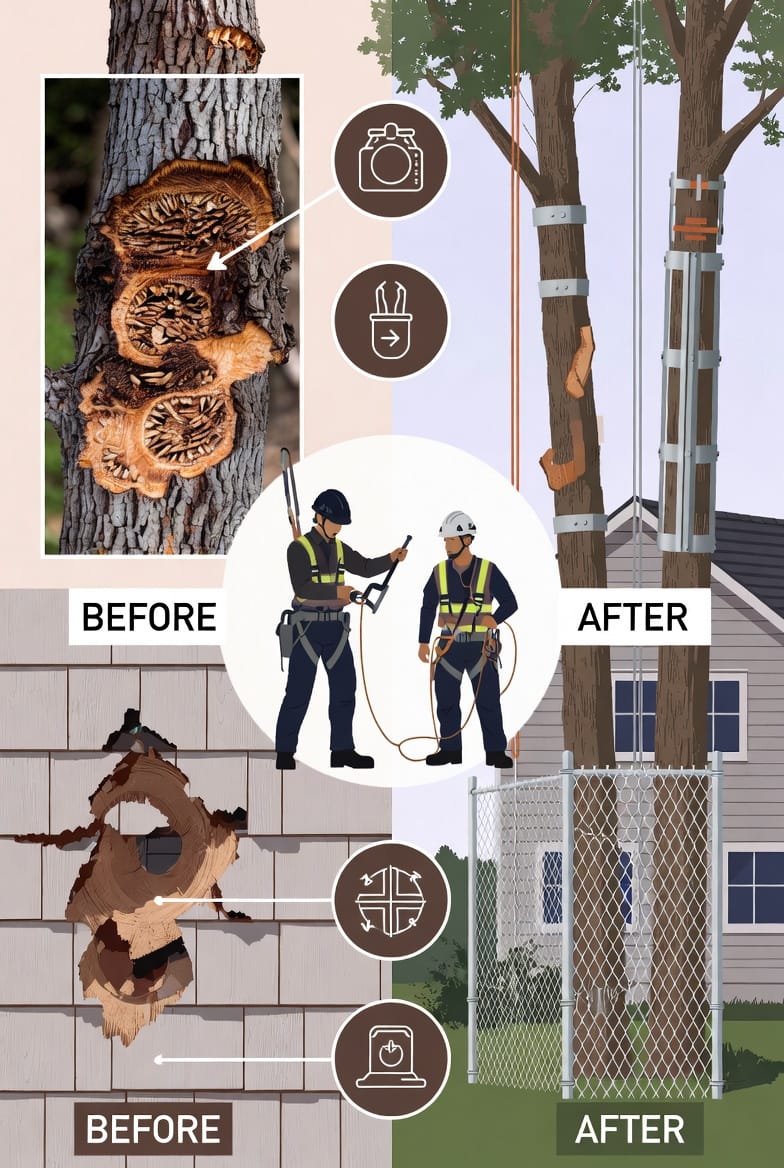
The damage begins subtly but escalates quickly. Tree girdling occurs when porcupines remove a complete ring of bark around the trunk. This cuts off the flow of nutrients and water, often killing the tree within one to two seasons. Young trees and ornamentals are especially vulnerable.
On buildings and structures, porcupines target wooden elements for salt and nesting material. They chew window frames, doors, eaves, and support beams. Over time, this leads to structural weakening, water intrusion, and expensive replacements.
Common signs of porcupine activity to watch for:
- Large, irregular patches of missing bark on tree trunks, often starting 3–6 feet above ground.
- Fresh wood shavings or “porcupine pellets” (cylindrical droppings) at the base of trees or near buildings.
- Chewed wooden siding with distinctive tooth marks approximately ¼-inch wide.
- Quills scattered on the ground or embedded in nearby objects.
- Visible climbing scratches on bark or wooden posts.
If you notice any of these indicators, prompt action prevents thousands in landscape and repair costs. Our wildlife removal team has documented hundreds of cases where early intervention saved mature trees and preserved property value.
Humane Exclusion and Trapping: Effective, Ethical Solutions That Work
At our service, we never use poisons or lethal methods unless absolutely necessary and legally permitted. Instead, we focus on humane exclusion and live trapping that relocates porcupines safely while making your property unappealing for future visitors.
Step-by-step humane trapping process our specialists follow:
- Conduct a thorough property inspection to locate active feeding sites and entry points.
- Deploy baited live traps using salt licks, apples, or sweet potatoes placed along known travel routes.
- Monitor traps daily to ensure quick, stress-free capture.
- Relocate captured porcupines to suitable natural habitat at least 10–15 miles away, following all local wildlife regulations.
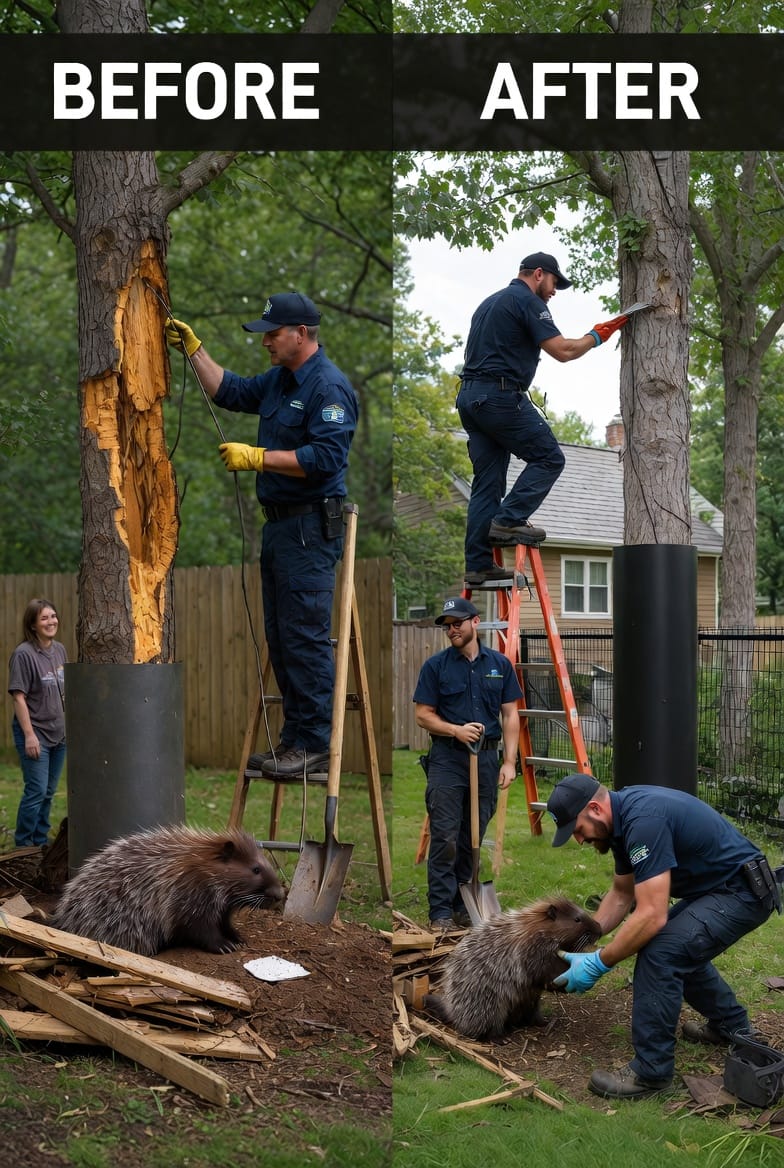
Exclusion techniques are equally important for long-term success. We install sturdy tree trunk guards made of heavy-duty metal or plastic mesh that prevent climbing access. For buildings, we apply heavy-gauge wire mesh to vulnerable wooden areas and seal gaps with durable materials porcupines cannot chew through.
Additional exclusion strategies that deliver results:
- Remove attractants such as spilled birdseed, pet food, and accessible salt sources.
- Install electric fencing around high-value gardens or orchards when appropriate.
- Trim overhanging branches that provide easy access to roofs and structures.
These methods are proven effective across thousands of properties. Clients report zero recurrence when the full exclusion package is completed correctly.
Prevention Strategies: Keeping Porcupines Away for Good
Prevention is always more cost-effective than cure. Our experts recommend a multi-layered approach that combines habitat modification with physical barriers.
Start by eliminating salt sources around your home. Rinse decks and siding regularly and store tools and equipment indoors. Plant porcupine-resistant species near the property edge and protect young trees with guards from day one.
Proven prevention checklist our technicians recommend:
- Install metal tree trunk wraps or guards on all valuable trees up to 6 feet high.
- Maintain a 3-foot gravel or mulch buffer around building foundations to discourage climbing.
- Secure garbage lids and compost bins to remove secondary food sources.
- Schedule annual property audits with professional wildlife control services.
When these steps are combined with professional porcupine removal, properties stay protected season after season.
Why Professional Wildlife Removal Is the Smartest Investment
DIY attempts often fail because porcupines are surprisingly persistent and their quills create safety hazards for untrained individuals. Our certified technicians bring years of experience, proper equipment, and full compliance with local and state wildlife laws.
We guarantee humane handling, complete documentation, and follow-up inspections to confirm the problem is solved. Property owners who choose professional service enjoy faster resolution, lower long-term costs, and the peace of mind that comes from knowing the job was done right the first time.
Protect Your Trees and Property from Porcupines Today
Don’t wait until extensive damage appears. Early porcupine removal and expert exclusion save trees, preserve structures, and protect your investment.
Our team is ready 24/7 to provide a free inspection and custom management plan tailored to your exact situation. With humane methods and proven results, we restore safety and beauty to your landscape quickly and reliably.
End Tree Girdling & Structural Damage – Call Now