The Plunger vs. Snake: When to Use Which for Clogs
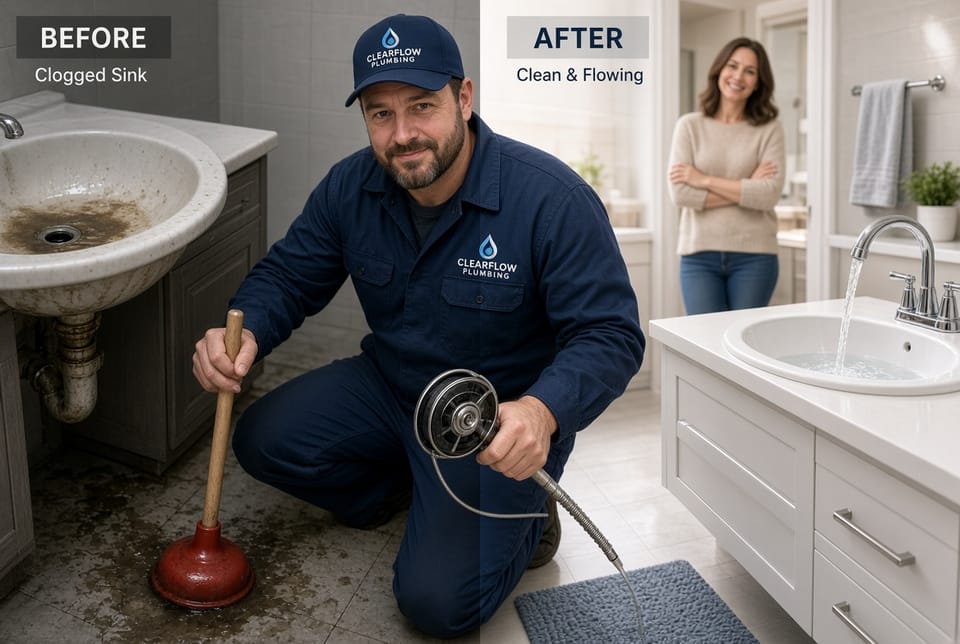
Clogged drains are among the most common household plumbing issues. They disrupt daily routines, create stress, and—if ignored—can lead to costly damage. The good news? Many clogs can be resolved quickly with the right approach and basic tools. Understanding when to use a plunger versus a drain snake empowers homeowners to tackle minor problems confidently while knowing when professional help is the smarter choice.
Plunger or Snake? Get Expert Help Fast – Call Now
In this comprehensive guide, we’ll compare these two essential tools, provide clear step-by-step instructions, highlight key risks, and share expert signs that indicate it’s time to call a licensed plumber. By the end, you’ll feel equipped to handle clogs effectively and protect your plumbing system.
Understanding Common Drain Clogs
Drain clogs typically form from everyday buildup: hair, soap scum, grease, food particles, or foreign objects. Minor clogs occur near the drain opening, while deeper clogs lodge further down the pipe. Choosing the wrong tool can worsen the blockage or damage pipes.
Key risks of improper handling include:
- Pushing debris deeper into the line
- Scratching pipe interiors
- Creating leaks from excessive force
- Spreading contaminated water
A reassuring fact: Most household clogs respond well to the correct tool used properly.
The Plunger: Best for Minor, Surface-Level Clogs
A plunger is the first-line defense for clogs located close to the drain. It works by creating pressure and suction to dislodge blockages.
When to Reach for the Plunger
- Slow-draining sinks or tubs that still allow some water flow
- Toilet clogs that are recent and visible
- Shower drains with hair buildup near the surface
Plunger advantages:
- Inexpensive and readily available
- No chemicals required
- Quick to use with immediate results
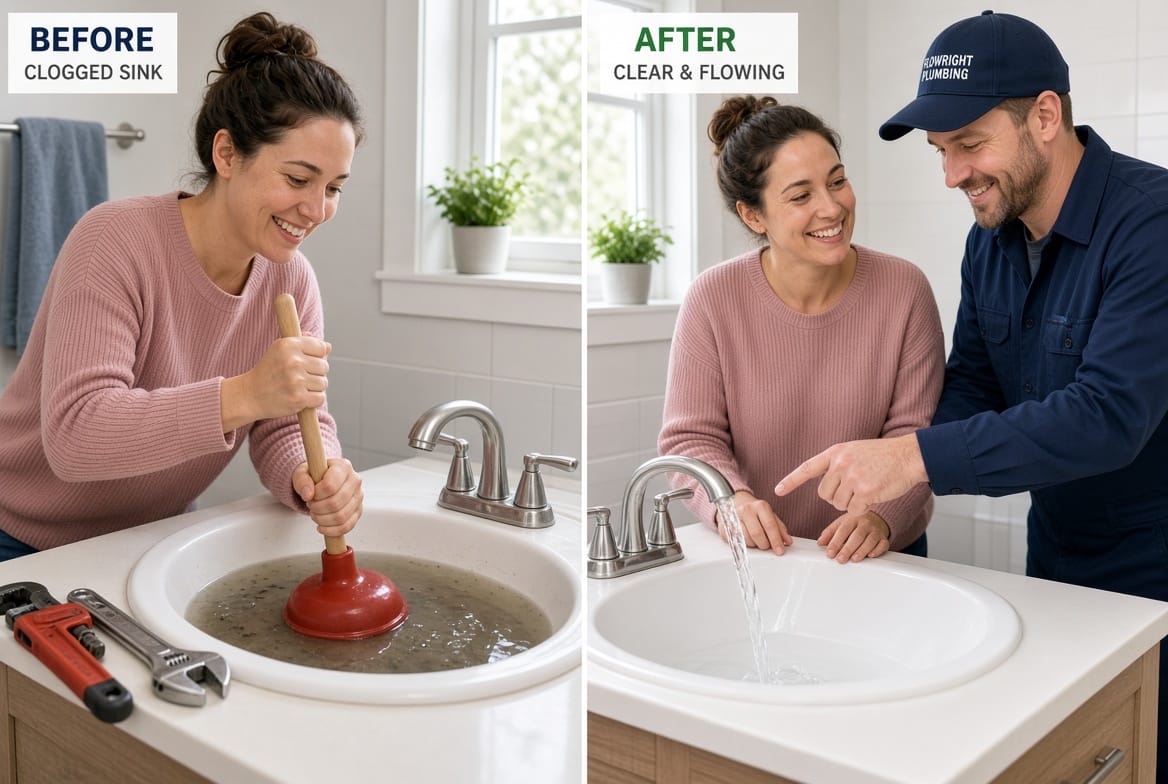
Step-by-Step: How to Use a Plunger Effectively
- Prepare the area – Remove standing water if possible and place a towel around the drain to catch splashes.
- Create a tight seal – For sinks, cover the overflow hole with a wet cloth. Submerge the plunger cup fully in water.
- Pump with controlled force – Push down firmly and pull up sharply 8–10 times. Maintain the seal.
- Test the drain – Run water to check flow. Repeat if needed.
- Clean up – Sanitize the plunger and surrounding area.
Pro tip: Use a cup plunger (flat bottom) for sinks and showers, and a flange plunger for toilets.
The Drain Snake: Ideal for Deeper, Stubborn Clogs
When plunging fails, a drain snake (also called an auger) reaches deeper into the pipe to break apart or retrieve blockages.
When to Choose a Drain Snake
- Plunger provides no improvement after several attempts
- Gurgling sounds or slow drainage persisting after plunging
- Recurring clogs in the same fixture
- Clogs suspected beyond the P-trap
Drain snake benefits:
- Reaches 15–50+ feet depending on model
- Physically removes debris
- Effective on grease, hair, and sludge
Step-by-Step: How to Use a Drain Snake Safely
- Select the right snake – Start with a 15–25 ft handheld or drum auger for most homes.
- Insert carefully – Feed the coiled end into the drain while turning the handle clockwise.
- Navigate the pipes – Apply steady pressure and rotate to break through resistance.
- Retrieve the clog – When resistance eases, slowly pull out the snake, cleaning debris as you go.
- Flush the line – Run hot water for several minutes to clear remnants.
- Inspect and repeat – If needed, snake again from a different access point.
Safety note: Wear gloves and eye protection. Avoid excessive force to prevent pipe damage.
Plunger vs. Snake: Clear Comparison
| Situation | Best Tool | Why It Works | When to Stop & Call Pro |
|---|---|---|---|
| Surface clog, slow sink | Plunger | Creates pressure near opening | No improvement after 3–4 tries |
| Toilet blockage | Flange Plunger | Forms strong seal in curved bowl | Overflow risk or multiple fixtures |
| Deeper pipe clog | Drain Snake | Physically breaks or grabs debris | Snake won’t pass or returns empty |
| Recurring/severe issue | Professional | Advanced cameras & hydro-jetting | Multiple failures or foul odors |
This comparison helps you decide quickly and avoid frustration.
Warning Signs It’s Time to Call a Professional Plumber
While DIY tools solve many problems, certain situations require expert intervention:
- Persistent gurgling or bubbling after attempts
- Multiple drains affected simultaneously (suggests main line issue)
- Foul sewage odors coming from drains
- Water backing up in unusual places
- Older homes with potential cast iron or tree root intrusion
Professional plumbers bring specialized equipment like video inspection cameras, high-pressure jetters, and years of experience. They resolve the root cause rather than just the symptom—saving you time, money, and future headaches.
Acting promptly prevents small clogs from becoming major repairs involving excavation or pipe replacement.
Preventive Maintenance: Keep Clogs Away
Smart habits reduce clog frequency dramatically:
- Install drain screens in showers and sinks
- Avoid pouring grease or coffee grounds down drains
- Run hot water after each use
- Schedule annual professional inspections
- Use enzyme-based cleaners monthly (non-caustic)
Following these practices maintains smooth-flowing drains and protects your entire plumbing system.
Choose the Right Tool and Act Confidently
Knowing the plunger vs. snake difference puts you in control of minor plumbing issues. Start with a plunger for quick surface clogs. Move to a drain snake when the blockage lies deeper. Respect the limits of DIY methods and call a trusted professional when warning signs appear.
Ready to restore your drains? Choose the right tool for your clog today. For expert plumbing service, fast response, and lasting solutions.
Our licensed plumbers are equipped to handle everything from simple clogs to complex pipe repairs with professionalism and care.
Need Drain Relief? Call Our Plumbers Immediately