The Plumbing Vent Pipe: Why Your Drains Need Air to Flow Properly
In every well-functioning home, an invisible network works tirelessly behind the walls and above the roof to keep wastewater moving. At the heart of this system lies the plumbing vent pipe — a critical component that many homeowners rarely think about until problems arise.
Expert Vent Pipe Cleaning – Call Now!
Proper venting is essential for your plumbing system to operate efficiently and safely. Without adequate air flow, even the most modern fixtures can fail, leading to frustrating backups, unpleasant odors, and potential health concerns. This comprehensive guide explains why your drains need air, how vent pipes protect your home, and what to do when issues develop.
Understanding the Role of Plumbing Vent Pipes
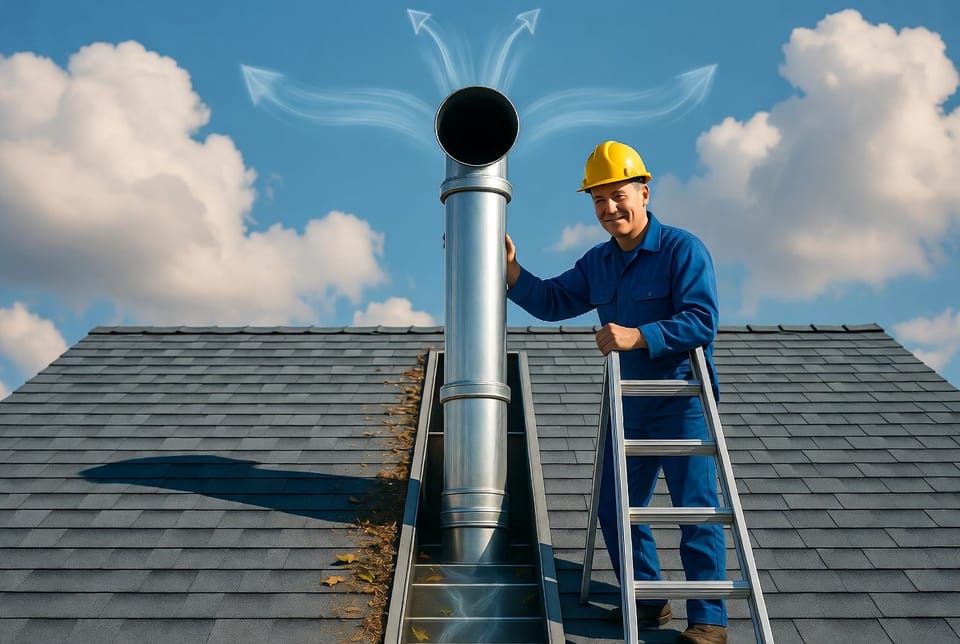
Plumbing vent pipes, also known as vent stacks, serve as the breathing apparatus for your entire drainage system. They extend from the drain lines upward through the roof, allowing fresh air to enter while safely releasing sewer gases outside.
These pipes perform two vital functions:
- Equalize air pressure within the drain system
- Prevent siphoning of water from P-traps
Without this balance, gravity and flowing water create a vacuum that pulls water out of traps, allowing harmful sewer gases to enter your living space.
Bold fact: A properly designed venting system ensures that every drain in your home — from toilets and sinks to showers and washing machines — maintains its protective water barrier at all times.
The Science Behind Drain Ventilation
When water flows down a drain, it pushes air ahead of it while creating negative pressure behind it. Vent pipes supply replacement air to neutralize this pressure difference.
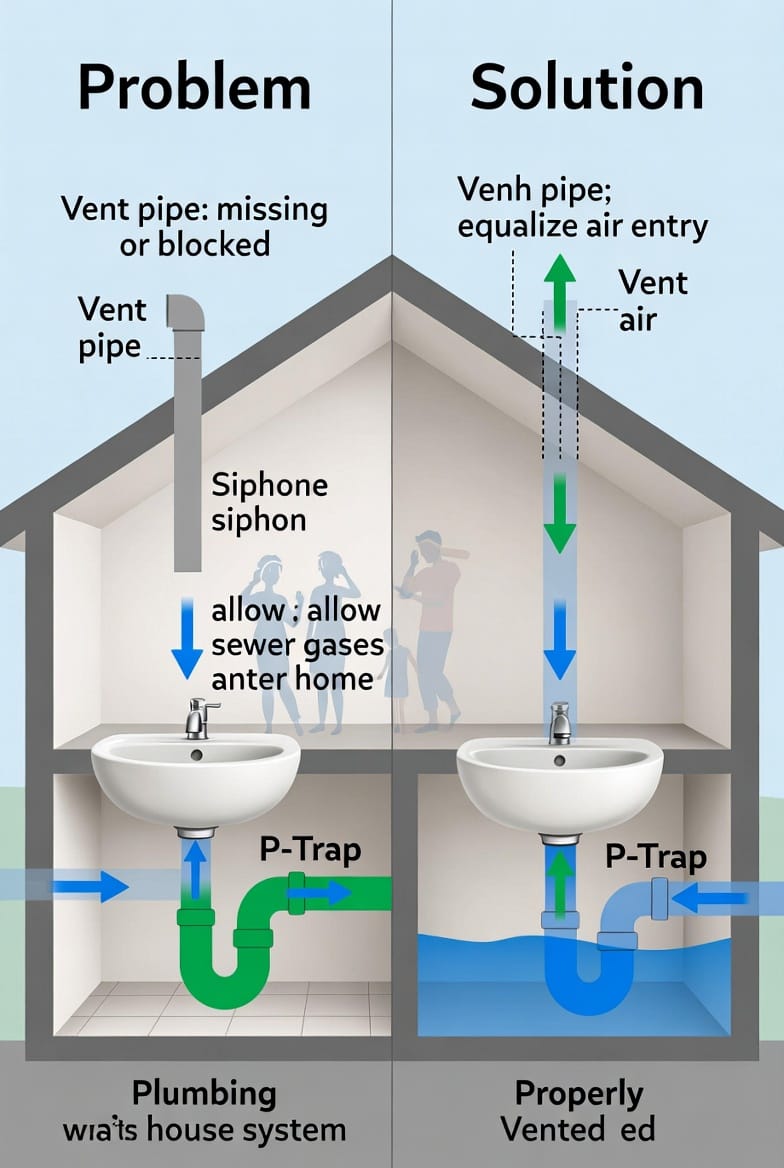
Imagine a toilet flushing or a sink draining rapidly. Without a vent, the rushing water creates suction that can empty the P-trap — that U-shaped pipe beneath fixtures designed to hold water and block sewer gases.
With a functioning vent pipe, air flows in to replace the volume of departing water, keeping the trap full and your home protected.
Common Signs of Poor Venting
Recognizing venting problems early can save you significant stress and expense. Here are the most reliable indicators:
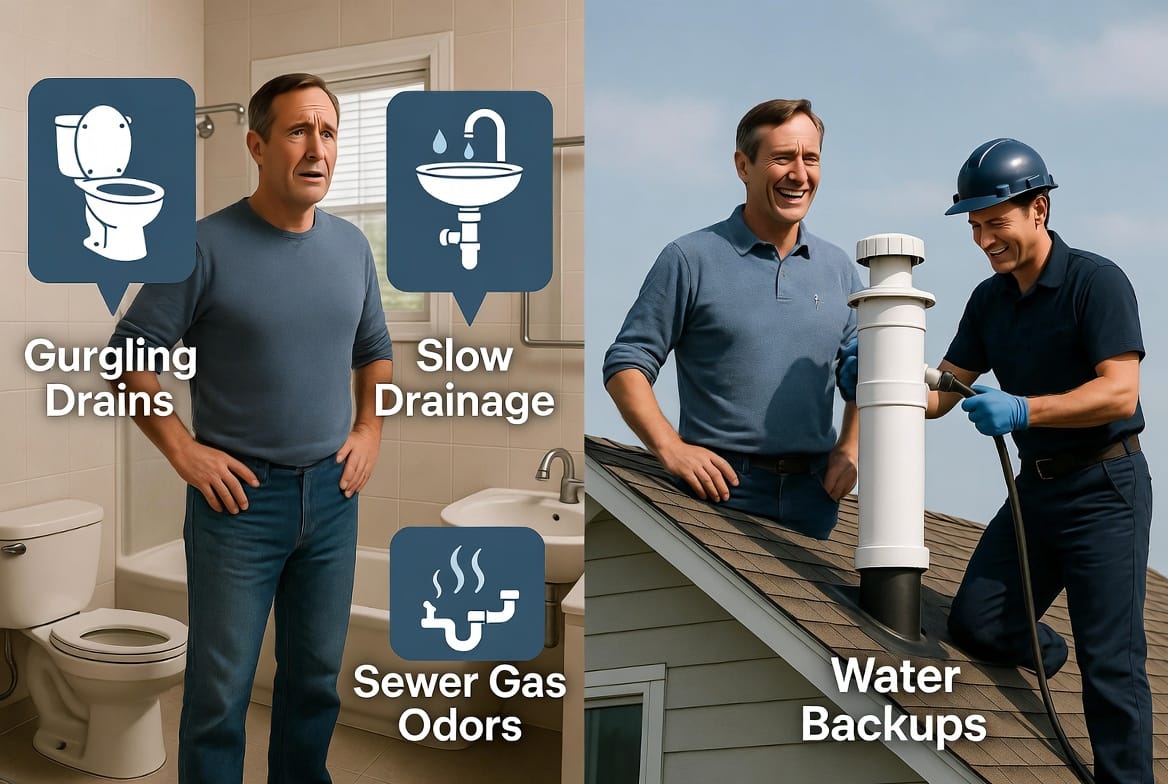
- Gurgling or bubbling sounds from drains or toilets
- Slow drainage even when pipes aren’t clogged
- Sewer gas odors inside the home
- Water backing up between fixtures
- Toilet bowls losing water after flushing
- Multiple fixtures draining slowly simultaneously
These symptoms often point to blocked vent pipes rather than main line clogs. Because vent issues affect system-wide pressure, problems frequently appear across multiple drains at once.
What Causes Vent Pipe Blockages?
Several factors can compromise your roof vent pipes:
- Birds and wildlife building nests inside openings
- Leaves, twigs, and debris accumulating over time
- Ice and frost buildup in colder climates
- Grease and soap scum rising and hardening inside pipes
- Improper installation with inadequate slope or sizing
In many older homes, vent pipes were installed with insufficient diameter or poor routing, making them more susceptible to blockages as the home ages.
How to Clear a Blocked Plumbing Vent Pipe
Safety first: Clearing roof vents involves working at heights and handling potentially hazardous materials. Professional service is strongly recommended for most homeowners.
Professional Vent Cleaning Process
Licensed plumbers typically follow these steps:
- Roof inspection to identify the blockage source
- Safe access using proper equipment and fall protection
- Mechanical clearing with specialized drain snakes or augers
- High-pressure water jetting for stubborn debris
- Camera inspection to verify complete clearance
- System testing to confirm restored airflow
DIY attempts often prove ineffective and dangerous. Standing on wet roofs or using improper tools can lead to falls or incomplete clearing that allows problems to return quickly.
Why Professional Vent Service Matters
Attempting to fix vent issues without proper training can create larger problems. Professionals understand:
- Building code requirements for vent sizing and placement
- Proper pipe materials and their expected lifespan
- How to diagnose related issues in connected drain lines
- Safe handling of potential biohazards in sewer gases
Investing in expert service ensures the job is done correctly the first time, protecting both your home and family.
Preventive Maintenance for Vent Pipes
Maintaining clear plumbing vent pipes requires consistent attention:
- Annual roof inspections before heavy seasons
- Tree trimming to prevent leaf accumulation
- Proper gutter maintenance to reduce debris near vents
- Avoiding chemical drain cleaners that can damage pipes
- Scheduling professional plumbing checkups every 1-2 years
These proactive steps help ensure your drainage system continues operating smoothly for years.
The Hidden Costs of Ignoring Vent Problems
When vent pipes remain blocked, pressure imbalances stress the entire plumbing network. Over time, this leads to:
- Premature pipe wear and joint failures
- Increased risk of sewage backups
- Mold and mildew growth from moisture issues
- Higher water bills from inefficient drainage
- Decreased property value during home inspections
Addressing vent issues promptly protects your investment and maintains healthy indoor air quality.
Modern Solutions for Venting Challenges
Today’s plumbing professionals use advanced technology to diagnose and resolve vent problems more effectively than ever:
- Video pipe inspection cameras for precise diagnosis
- Electronic pressure testing equipment
- Specialized roof safety systems
- Eco-friendly clearing methods
These tools allow technicians to solve complex venting issues with minimal disruption to your daily routine.
When to Call a Plumbing Professional
Don’t wait for complete system failure. Contact a licensed plumber immediately if you notice:
- Persistent gurgling sounds
- Recurring slow drains across multiple fixtures
- Unusual sewer odors that come and go
- Water backing up in unusual patterns
Early intervention typically requires less intensive service and helps prevent emergency situations.
The Plumbing Vent Pipe might be out of sight on your roof, but its importance to your home’s daily function cannot be overstated. By allowing air into your drain system, these essential pipes ensure smooth operation, prevent dangerous gas intrusion, and protect the integrity of your entire plumbing network.
Your drains need air to work properly — just as your home needs expert care to stay trouble-free.
Ready to restore proper airflow to your plumbing system? Call our experienced team today for professional vent pipe inspection and cleaning services.
Professional Plumbing Vent Service – Call Today