The Opossum Lifespan: Understanding Their Role in the Ecosystem
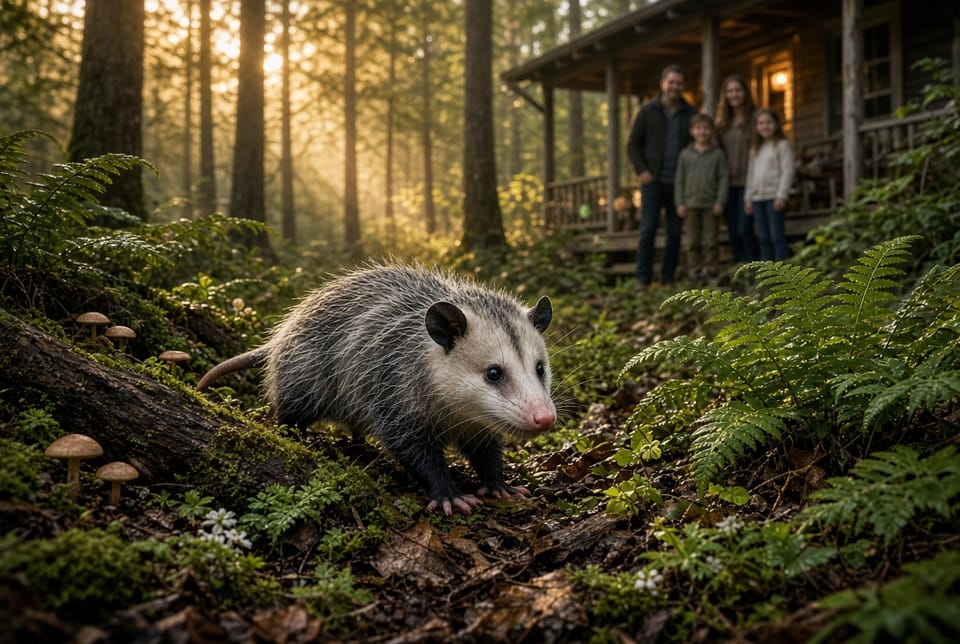
Opossums are among the most misunderstood yet valuable wild neighbors in North America. As the continent’s only marsupial, they occupy a unique ecological niche that benefits gardens, forests, and even suburban yards. Their famously brief lifespan of 1–2 years in the wild is not a sign of weakness; it is the result of a high-reproduction, high-mortality strategy that still allows them to deliver outsized ecosystem services. This article explains their true behavior, why they live such short lives, the concrete benefits they provide, and practical, humane ways to coexist peacefully.
Protect Your Home & Help Wildlife — Call Now
Understanding these animals reduces unnecessary fear and prevents needless removal. Education is the first and most effective form of wildlife stewardship.
What Makes an Opossum Different
Opossums belong to the species Didelphis virginiana (Virginia opossum). They are nocturnal, largely solitary, and opportunistic omnivores. Unlike raccoons or squirrels, they do not typically form family groups after the young leave the mother’s pouch and back. Their prehensile tail, opposable thumbs on the hind feet, and excellent climbing ability let them exploit both ground-level and arboreal resources.
They are not rodents. They are not closely related to cats or dogs. Their closest living relatives are other marsupials. This evolutionary distinction matters because it shapes everything from their immune system to their reproductive strategy.
The Reality of the Opossum Lifespan
In the wild, most opossums live only 1 to 2 years. A few reach 3 years; very few live longer. Captive animals under veterinary care can occasionally survive 4 years, but that is exceptional. Several factors drive this short life:
- High predation pressure from owls, coyotes, foxes, dogs, and vehicles.
- Seasonal food scarcity and harsh winters.
- Parasite loads and injuries from encounters with people or pets.
- A biological strategy that favors producing many offspring quickly rather than investing in long individual survival.
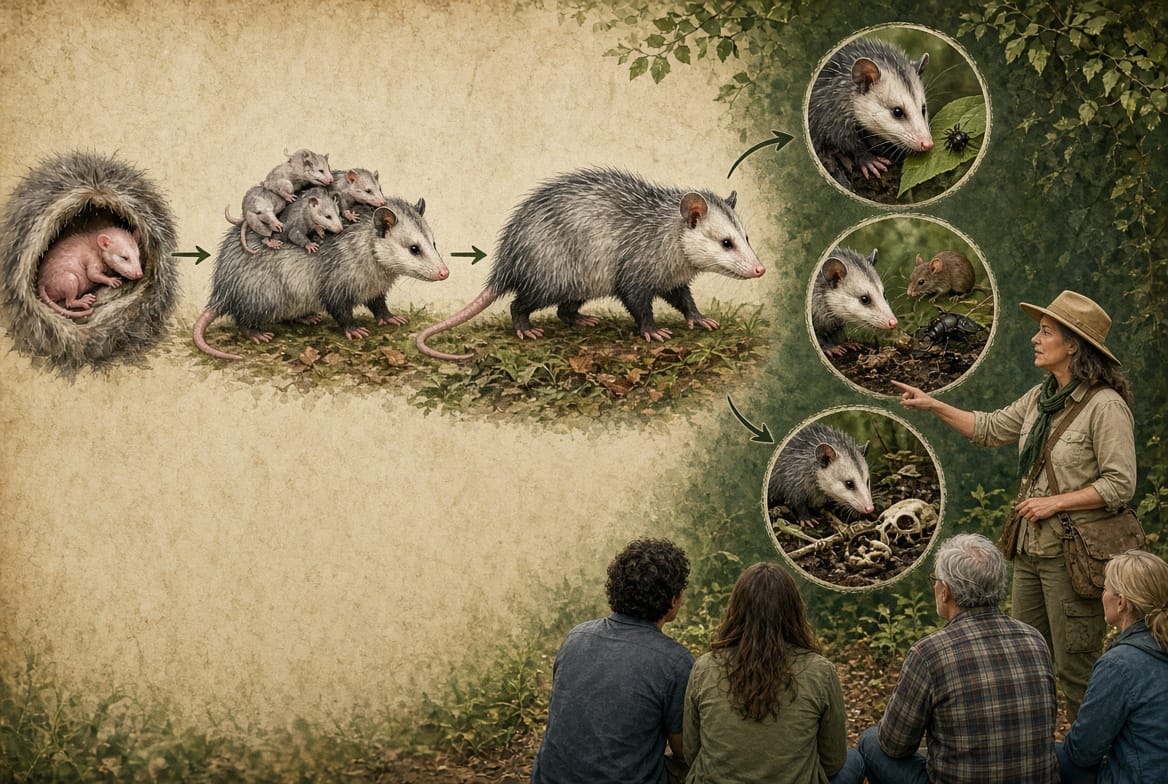
Because their life is brief, opossums reproduce rapidly. A female can raise two litters in a good year. Newborns, called joeys, are tiny and crawl into the pouch, where they nurse for weeks. After leaving the pouch they ride on the mother’s back before dispersing. This high reproductive output offsets the short adult lifespan and keeps populations stable even when individual animals disappear.
The short lifespan also means opossum numbers fluctuate naturally. A yard that had several animals one summer may have none the next. That is normal population dynamics, not an emergency.
Beneficial Behavior: Nature’s Cleanup Crew
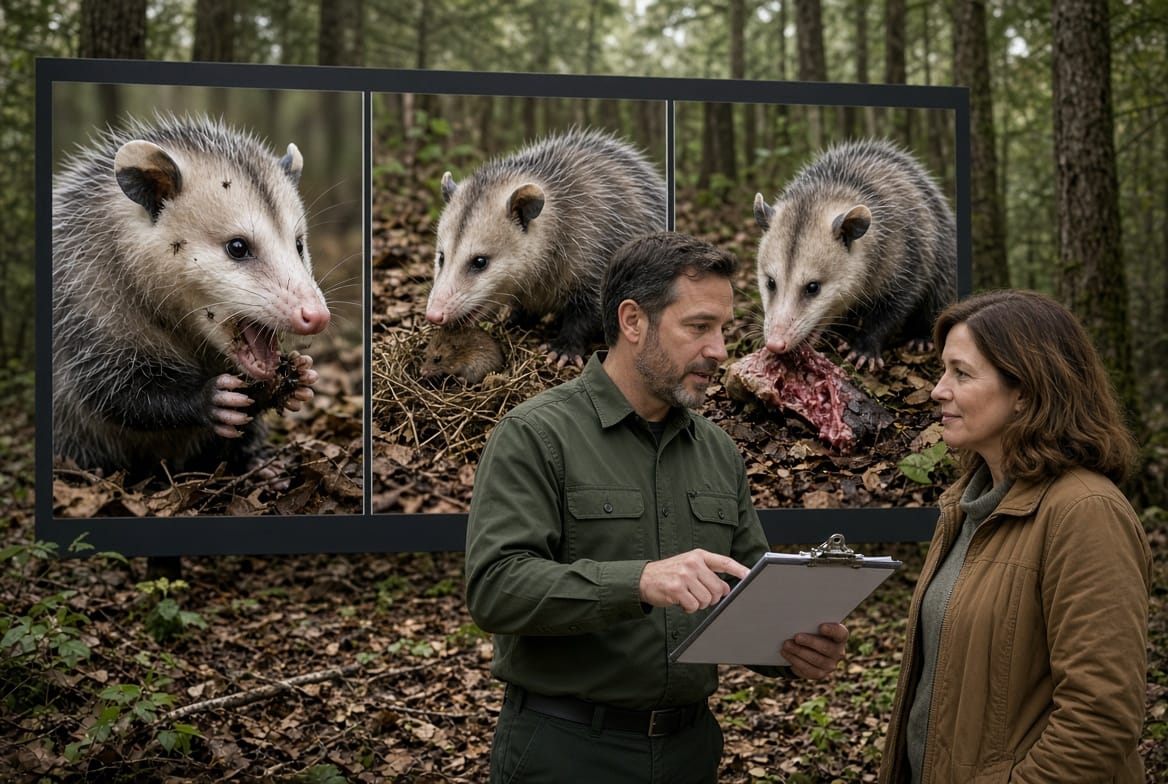
Opossums are highly beneficial. They consume large quantities of pests that people dislike:
- Ticks — An individual opossum can eat thousands of ticks in a season through grooming and foraging. This helps reduce local tick density and the risk of tick-borne illness.
- Insects, slugs, snails, and beetles that damage gardens and lawns.
- Small rodents and their young when the opportunity arises.
- Carrion — Dead animals that would otherwise attract flies and larger scavengers.
- Fallen fruit and waste that would ferment and draw other wildlife.
They also eat venomous snakes on occasion and show notable resistance to certain snake venoms and to rabies (their lower body temperature makes the virus less likely to thrive). These traits make them one of the more useful urban and suburban wildlife species.
They are rarely aggressive. When threatened, an opossum typically hisses, shows its teeth, and then — if the threat persists — enters a catatonic state commonly called “playing possum.” This involuntary response can last from minutes to hours. It is a last-resort defense, not an attack. Most opossums prefer to flee or freeze rather than bite. Bites almost always occur when a person or pet corners or handles the animal.
Debunking Common Myths
Several persistent myths drive unnecessary conflict:
- “Opossums are dirty and carry many diseases.” They actually have fewer documented cases of rabies than most other mammals and groom frequently.
- “They will attack pets or children.” Documented unprovoked attacks are extremely rare. Most incidents involve a cornered animal or a dog that initiated contact.
- “They destroy property like raccoons.” Opossums lack the dexterity and persistence of raccoons. They may enter an open garage or crawl space seeking shelter, but they do not typically tear vents or rip shingles.
- “A short lifespan means they are unhealthy.” The short life is an evolved life-history strategy, not evidence of disease.
Replacing these myths with facts is the foundation of peaceful coexistence.
Their Role in the Broader Ecosystem
Opossums occupy the mesopredator and scavenger niche. By consuming carrion they limit the spread of pathogens that thrive on decaying flesh. By eating ticks and insects they provide a form of natural pest regulation that no chemical spray can fully replace. Their foraging also helps disperse seeds of certain plants.
In fragmented suburban landscapes they serve as a living connection between remnant woods and human neighborhoods. When we remove them indiscriminately, we create vacancies that more problematic species (rats, larger numbers of ticks, or more aggressive mesocarnivores) may fill.
Because their individual lives are short, the population-level effect is what matters. A rotating cast of opossums can still deliver consistent pest-control services year after year.
Practical Steps for Peaceful Coexistence
Most conflicts arise from attractants rather than from the animals themselves. Simple, consistent habits resolve the majority of issues without trapping or relocation.
Secure food sources
- Bring pet food indoors at night.
- Use tight-fitting lids on trash and recycling.
- Harvest ripe fruit and pick up fallen fruit promptly.
- Avoid leaving bird seed piled on the ground.
Reduce shelter opportunities
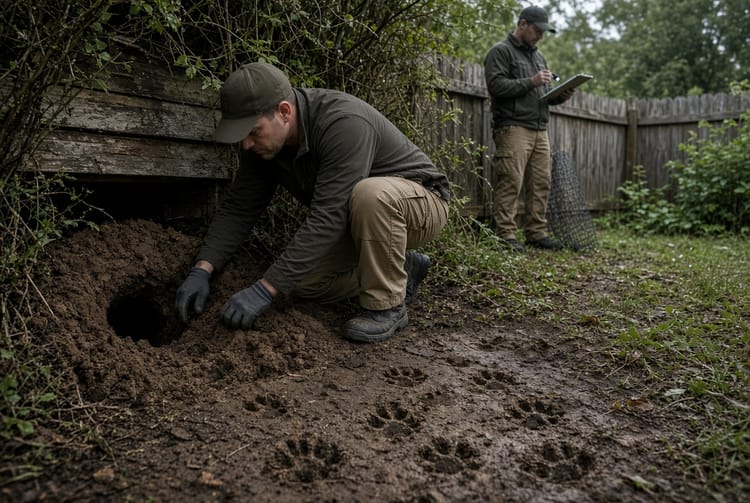
- Seal obvious openings under decks, sheds, and porches with hardware cloth after confirming no animals are inside.
- Keep garage doors closed at night.
- Trim vegetation that creates dense hiding spots directly against the house foundation.
Change human behavior
- Do not feed opossums. Supplemental feeding concentrates animals and can create dependency.
- Keep dogs on leash or in fenced areas at dusk and dawn when opossums are most active.
- Teach children to observe from a distance and never to approach or handle wildlife.
If an opossum is in an inconvenient place
- Give it an escape route and time. Many animals leave on their own once they finish feeding or when daylight arrives.
- Use mild, non-harmful deterrents such as motion-activated lights or a radio playing talk stations near the area.
- Never use poisons or glue traps; both cause unnecessary suffering and can affect non-target species.
These measures protect both the opossum and household members. They also reduce the chance that a short-lived animal will become a long-term nuisance.
When Professional Guidance Helps
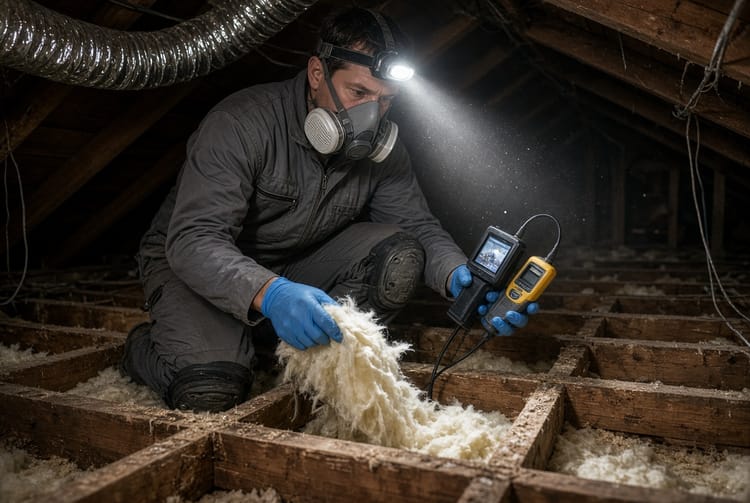
Occasionally an opossum enters an attic, chimney, or living space, or an injured animal appears. In those cases, humane exclusion and education are preferable to lethal control. A knowledgeable wildlife professional can confirm whether young are present (removing a mother while joeys remain creates a worse problem), install one-way doors, and seal entry points so the situation does not repeat.
Education-focused services emphasize prevention and coexistence rather than repeated trapping. That approach aligns with the biology of an animal that lives only 1–2 years and already provides free pest control.
Living Alongside a Short-Lived Ally
The opossum lifespan is brief, yet the ecological contribution of the species is lasting. Each individual that survives long enough to forage through a spring and summer removes ticks, insects, and carrion that would otherwise accumulate. Their reluctance to fight and their tendency to “play dead” make them far less dangerous than many people assume.
Choosing coexistence is not passive; it is an active decision to manage attractants, respect wild space, and replace fear with knowledge. When communities adopt this stance, both people and opossums benefit. Gardens experience less pest pressure, tick numbers can decline locally, and fewer animals die on roads or in traps.
The next time you see an opossum ambling across a lawn at twilight, remember it is performing work that benefits the neighborhood — and that it will likely be gone within a year or two. That short window is all the more reason to let it complete its role in peace.
Final Thoughts and Next Steps
Opossums are not pests to be eliminated; they are short-lived, generally non-aggressive partners in pest management and ecosystem health. Secure food and shelter, observe from a distance, and intervene only when an animal is trapped or injured. That simple formula allows their natural benefits to continue.
Coexist with beneficial opossums. For wildlife education, humane exclusion advice, or questions about an encounter. Knowledgeable guidance helps households make decisions that protect both people and the valuable, fleeting lives of these native marsupials.
Coexist with Beneficial Opossums — Call for Expert Guidance