The Mink Problem: Predators of Backyard Ponds and Chicken Coops
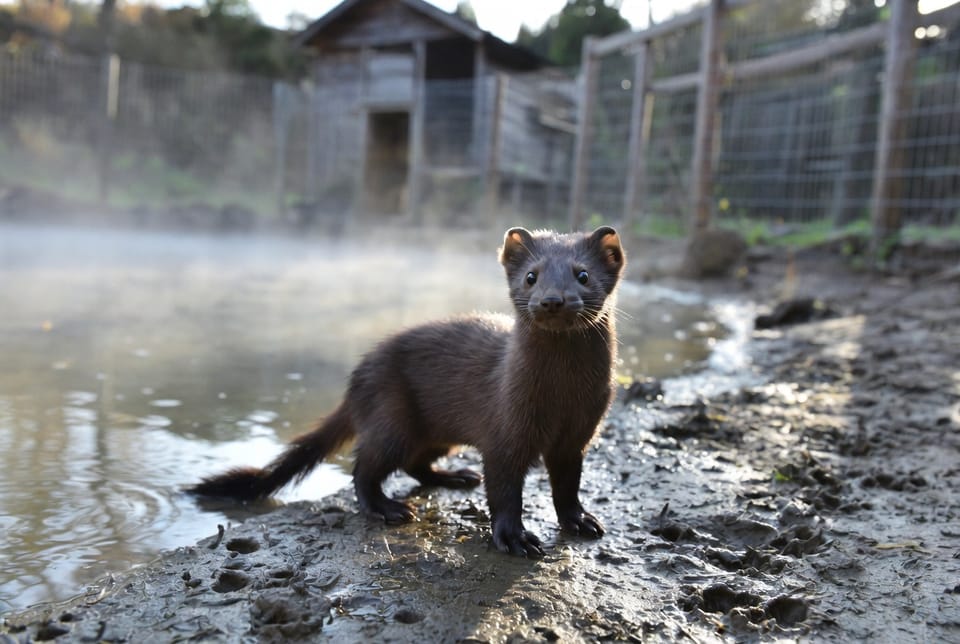
Minks represent one of the most underestimated threats to backyard ecosystems and small livestock operations. These sleek, semi-aquatic predators can cause significant damage before homeowners even realize they have a problem. At our professional wildlife removal service, we’ve helped countless property owners protect their ponds and poultry from these agile hunters.
Protect Your Pond & Coop – Call Now!
If you’ve noticed missing fish, injured birds, or mysterious tracks near your water features, you may be dealing with a mink infestation. The good news? With the right knowledge and expert intervention, you can effectively resolve this issue while keeping your property safe and your animals protected.
Understanding Mink Behavior and Habits
Minks (Neovison vison) are highly adaptable members of the weasel family. Their semi-aquatic nature makes them particularly skilled at exploiting backyard ponds, streams, and wetland areas. These predators possess several key traits that make them formidable:
- Slender, agile bodies that allow them to squeeze through small openings in fencing or coop walls
- Excellent swimming ability, enabling them to hunt effectively in water
- Sharp teeth and strong jaws designed for quick, efficient kills
- Nocturnal and crepuscular activity patterns, often operating under cover of darkness
Minks are opportunistic hunters that prey on fish, birds, small mammals, amphibians, and even crayfish. A single mink can decimate a backyard fish population or cause repeated losses in a chicken coop within just a few nights. Unlike some predators that take only what they need, minks frequently engage in surplus killing, especially when poultry is easily accessible.
Their territorial behavior means once a mink establishes a den near your property — often under sheds, near pond banks, or in thick vegetation — it will return repeatedly, creating an ongoing challenge for homeowners.
Signs You Have a Mink Problem
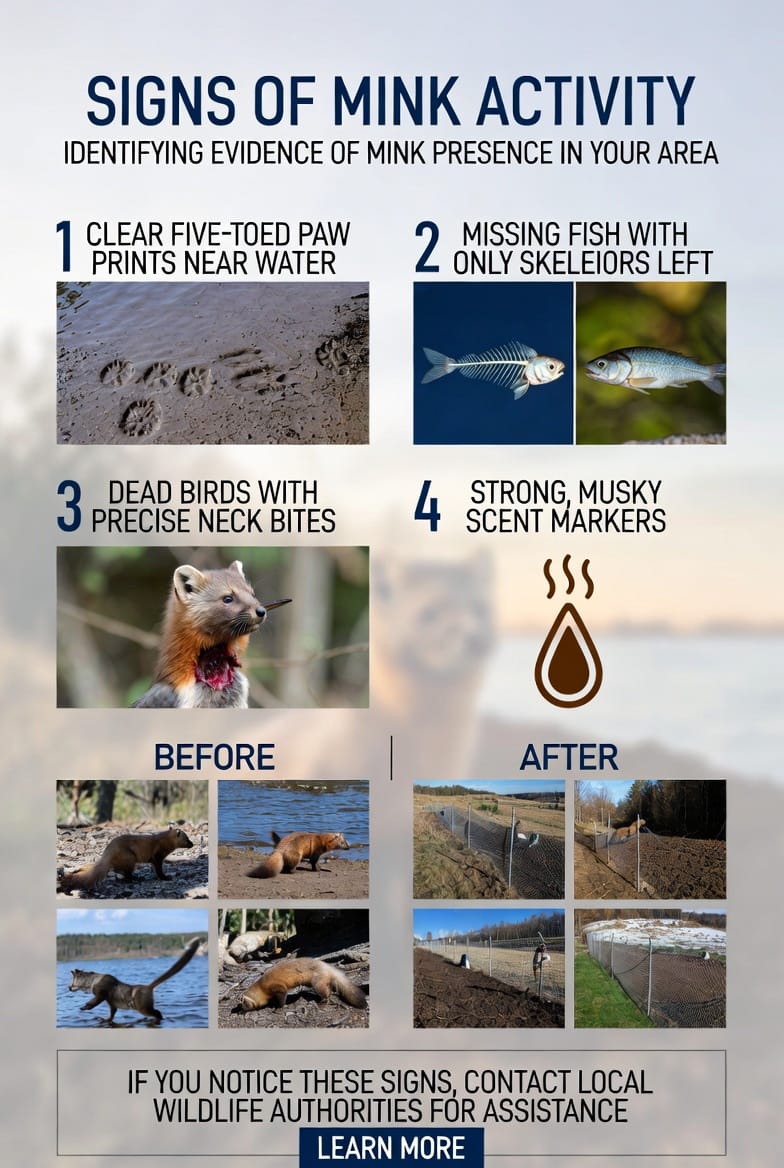
Early detection is crucial for effective mink control. Look for these definitive indicators:
- Tracks along water edges showing five-toed prints with visible claw marks
- Missing or partially eaten fish from ponds, often with only the head or backbone remaining
- Dead birds with characteristic neck bites — minks typically kill by biting the neck or base of the skull
- Disturbed nesting areas or scattered feathers around coops
- Musky odor near den sites or along travel routes
- Small holes or gaps enlarged around pond liners or coop foundations
Bold warning: If you ignore these signs, losses can escalate quickly. A single mink can clear an entire small pond of valuable fish or eliminate multiple chickens in one night.
Risks to Backyard Ponds and Chicken Coops
The impact of mink activity extends beyond simple property loss. Uncontrolled mink predation creates several serious concerns:
- Economic losses from valuable koi, goldfish, or game fish
- Emotional distress for families attached to their backyard ecosystems
- Biosecurity risks as stressed poultry become more susceptible to disease
- Secondary pest issues when mink leave behind partially eaten carcasses
For families raising chickens for eggs or meat, consistent mink pressure can make sustainable backyard farming nearly impossible. Similarly, carefully maintained ornamental ponds can lose their ecological balance when minks systematically remove key species.
Humane and Effective Mink Removal Strategies
At our service, we prioritize humane wildlife removal methods that resolve conflicts while respecting the animal’s role in the ecosystem. Our approach focuses on three pillars: exclusion, trapping, and prevention.
Exclusion Techniques That Work
Physical barriers remain the most reliable long-term solution:
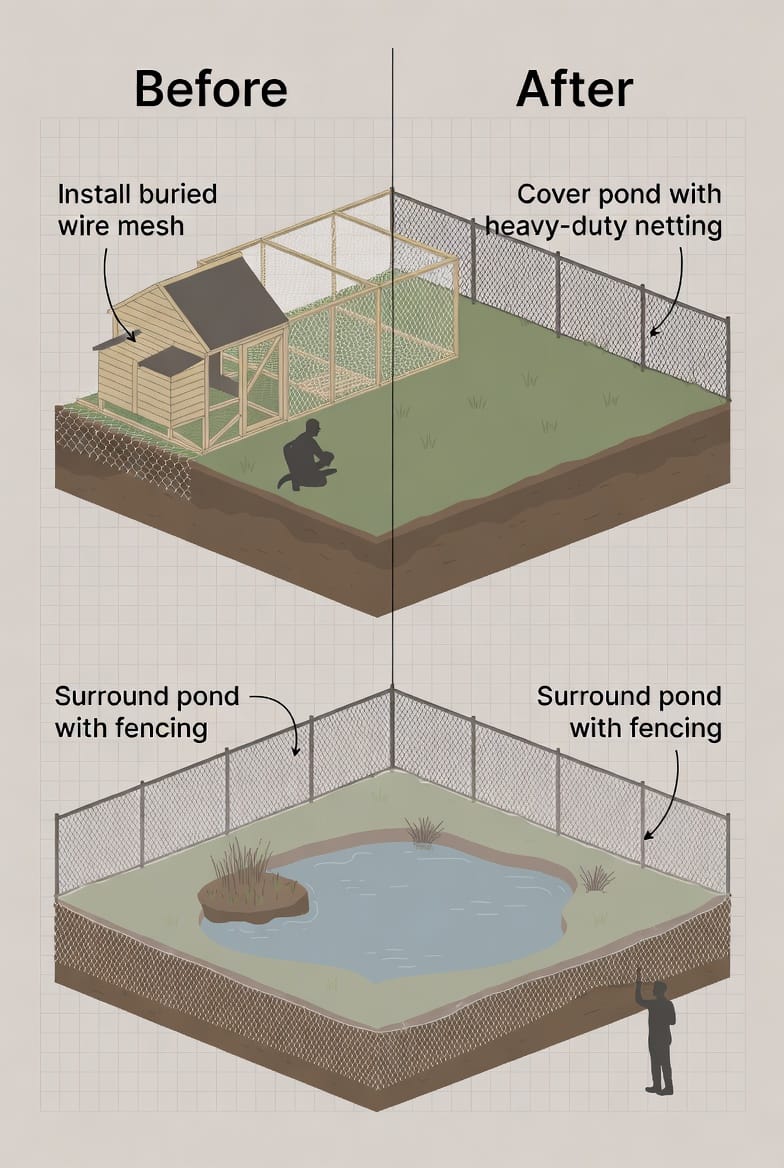
- Burying hardware cloth 12-18 inches deep around coops and pond perimeters
- Installing electric fencing as a secondary deterrent
- Using heavy-duty mesh netting over ponds during vulnerable seasons
- Sealing all potential entry points with metal flashing or concrete
Live Trapping and Relocation
When exclusion alone isn’t enough, professional live trapping becomes necessary. Our specialists use:
- Appropriately sized traps designed specifically for minks
- Strategic baiting techniques using fish or poultry-based lures
- Careful handling protocols to minimize stress on the animal
- Responsible relocation to suitable natural habitats far from residential areas
Prevention Best Practices
Long-term success depends on making your property less attractive to minks:
- Remove brush piles and dense vegetation near water features
- Keep grass well-maintained around pond edges
- Store feed in secure metal containers
- Install motion-activated lighting around coops and ponds
- Consider adding guard animals like donkeys or geese in larger setups
Why Professional Wildlife Removal Matters
DIY mink control often leads to incomplete solutions or unintended consequences. Minks are intelligent and persistent — amateur attempts frequently fail to address the root cause or may violate local wildlife regulations.
Our certified wildlife specialists bring years of experience, proper equipment, and full compliance with all local and state laws. We don’t just remove the immediate problem; we implement comprehensive solutions that prevent future issues.
Key benefits of professional service include:
- Thorough property assessment and identification of all potential den sites
- Customized protection plans for your specific pond and coop setup
- Guaranteed results with follow-up inspections
- Humane methods that prioritize animal welfare
- Documentation for insurance purposes if needed
Protecting Your Investment and Peace of Mind
Your backyard should be a source of enjoyment, not constant worry about hidden predators. Whether you maintain a productive chicken coop or a beautiful ornamental pond, defending these spaces from mink predation preserves both your investment and your quality of life.
Many homeowners feel overwhelmed when discovering mink activity, but effective solutions exist. Through proper identification, strategic exclusion, and professional support when needed, you can reclaim your property.
Our team understands the unique challenges each property presents. We work with you to develop solutions that fit your specific situation, budget, and goals — always with an emphasis on humane practices and long-term prevention.
Taking Action Against Mink Problems
Don’t wait until significant damage occurs. The earlier you address a mink presence, the easier and more cost-effective the solution becomes.
Protect your livestock and pond from mink. Our experienced team provides prompt, professional wildlife removal services throughout the region, helping homeowners restore safety and balance to their backyards.
Whether you need immediate mink trapping, long-term exclusion installation, or a complete property protection assessment, we’re here to help. Your peace of mind and the security of your animals matter to us.
Don’t let these elusive predators disrupt your backyard sanctuary. Take control with proven, humane solutions from trusted wildlife professionals.
Secure Your Backyard from Minks – Call Now