The Mink in the Chicken Coop: Protecting Poultry from Predators
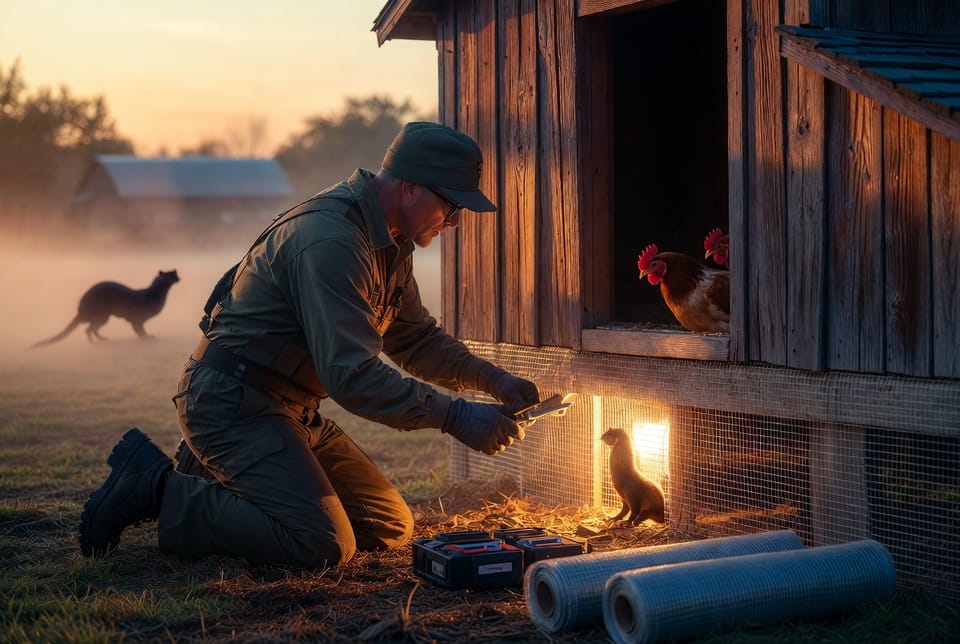
Farmers and backyard poultry keepers share a common goal: raising healthy birds that thrive in a safe environment. Yet one of the most elusive and destructive threats can slip into the chicken coop under the cover of night and leave behind a scene of unnecessary loss. The American mink is a slender, highly adaptable predator that turns a secure-looking coop into a hunting ground with alarming ease. Understanding how these animals operate, recognizing the earliest warning signs, and applying proven exclusion strategies are the keys to keeping your flock protected year-round.
Protect Your Flock from Mink Today – Call Now!
This guide walks you through every practical step needed to stop mink attacks before they start. From the animal’s unique physical abilities to the materials and methods that truly work, you will gain the confidence and knowledge to defend your poultry with authority and lasting results.
Why Mink Pose a Unique Danger to Poultry
Unlike many predators that kill only what they need to eat, mink often engage in surplus killing. A single animal can enter a coop and eliminate multiple birds in one visit, leaving carcasses behind with distinctive bite marks on the neck and little evidence of feeding. Their motivation appears driven by instinct rather than pure hunger, which makes them especially dangerous to confined flocks.
Mink possess a long, cylindrical body that allows them to squeeze through openings as small as a quarter. Their flexible skeleton and powerful limbs let them climb, dig, and swim with equal skill. Once inside, they move with lightning speed and leave almost no time for birds to escape. Because they are primarily nocturnal and semi-aquatic, they often approach from nearby water sources, ditches, or dense vegetation that provides cover right up to the coop wall.
The financial and emotional cost of a mink raid can be significant. Lost layers, breeding stock, or meat birds represent both immediate economic damage and weeks or months of rebuilding. The stress of repeated attacks also reduces egg production and overall flock health. Recognizing the problem early and acting decisively prevents these losses from becoming routine.
Understanding Mink Behavior and Habits
Mink are solitary hunters that patrol large territories along streams, ponds, and wetland edges. They are opportunistic and will readily shift their focus to poultry when natural prey is scarce or when a coop offers easy access. Their slender build is their greatest advantage: a gap that looks too narrow for a rat can still admit a determined mink.
These predators rarely take a single bird and leave. The kills-for-sport pattern means a coop that once seemed secure can be emptied of birds in a matter of hours. Mink often return on successive nights if the entry point remains open, compounding the damage. They are also excellent climbers and can scale wire mesh or wooden walls when motivated.
Activity peaks during the cooler months and around the breeding season, but mink remain a year-round threat in most regions. They leave behind few obvious dens near coops; instead, they travel considerable distances from waterways to reach a food source. This mobility makes simple trapping of a single animal less effective than comprehensive exclusion.
Farmers who observe mink near their property should treat the sighting as an urgent signal. Even one confirmed presence indicates that the coop’s current defenses are inadequate against this particular predator.
Early Warning Signs of a Mink Problem
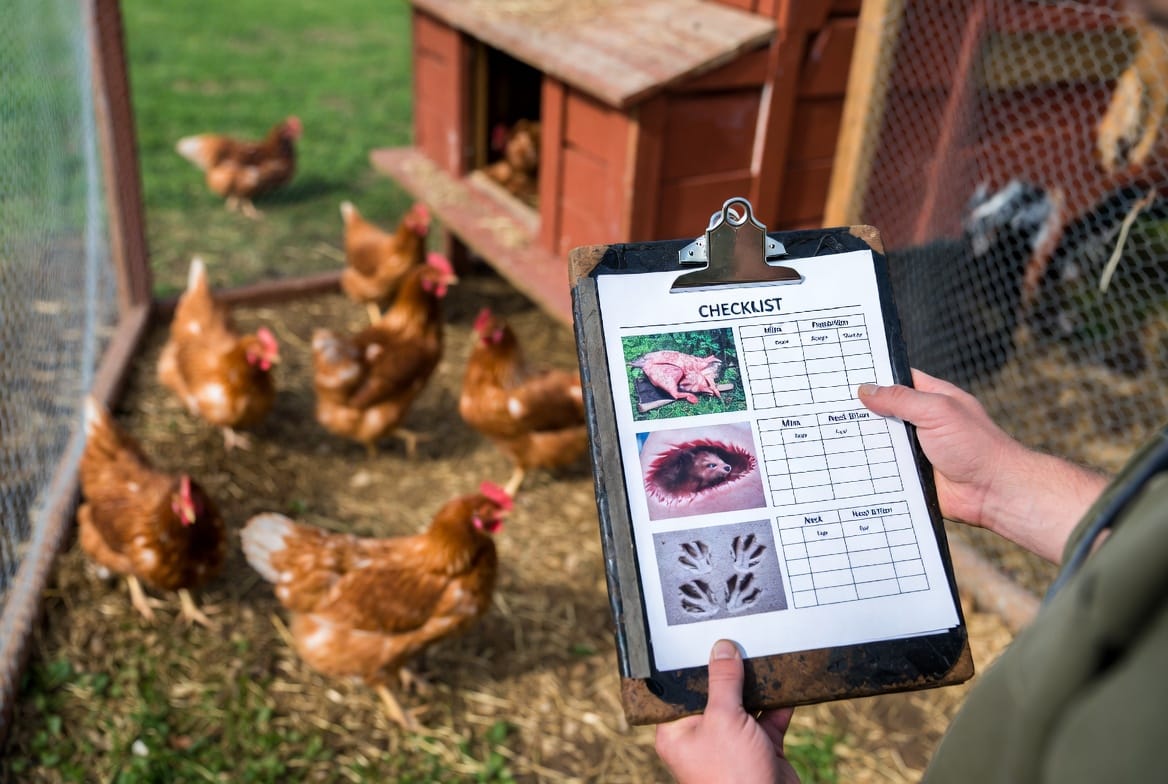
Detecting mink activity before a major kill occurs gives you the best chance of stopping further losses. Look for these clear indicators:
- Sudden appearance of dead poultry with clean puncture wounds concentrated on the neck or head
- Birds found dead inside the coop with little or no flesh consumed
- Small, dark droppings near entrances or along run fencing
- Tracks in soft soil or mud showing five-toed prints with visible claw marks
- Disturbed nesting material or feathers scattered in unusual patterns
- Chickens that appear unusually agitated or refuse to enter the coop at dusk
Bite marks on the neck are especially diagnostic. Mink typically deliver a precise killing bite to the base of the skull or throat, often without the tearing associated with larger predators such as foxes or raccoons. Multiple birds may be killed and left in a pile or dragged short distances.
If you find only one or two birds missing and no carcasses, the predator may be a different species. Mink tend to leave the evidence inside or immediately adjacent to the coop. Regular evening and morning checks of the flock and surrounding ground help catch these signs while they are still limited.
Proven Exclusion Methods That Stop Mink
The most reliable long-term solution is mink-proof exclusion. Once physical access is eliminated, the predator simply moves on to easier prey. Focus on three core elements: sealing every possible opening, reinforcing vulnerable surfaces, and adding deterrence that discourages approach.
Secure the Entire Coop Structure
Begin with a thorough inspection of every wall, floor, roof, and door. Mink exploit the smallest weaknesses:
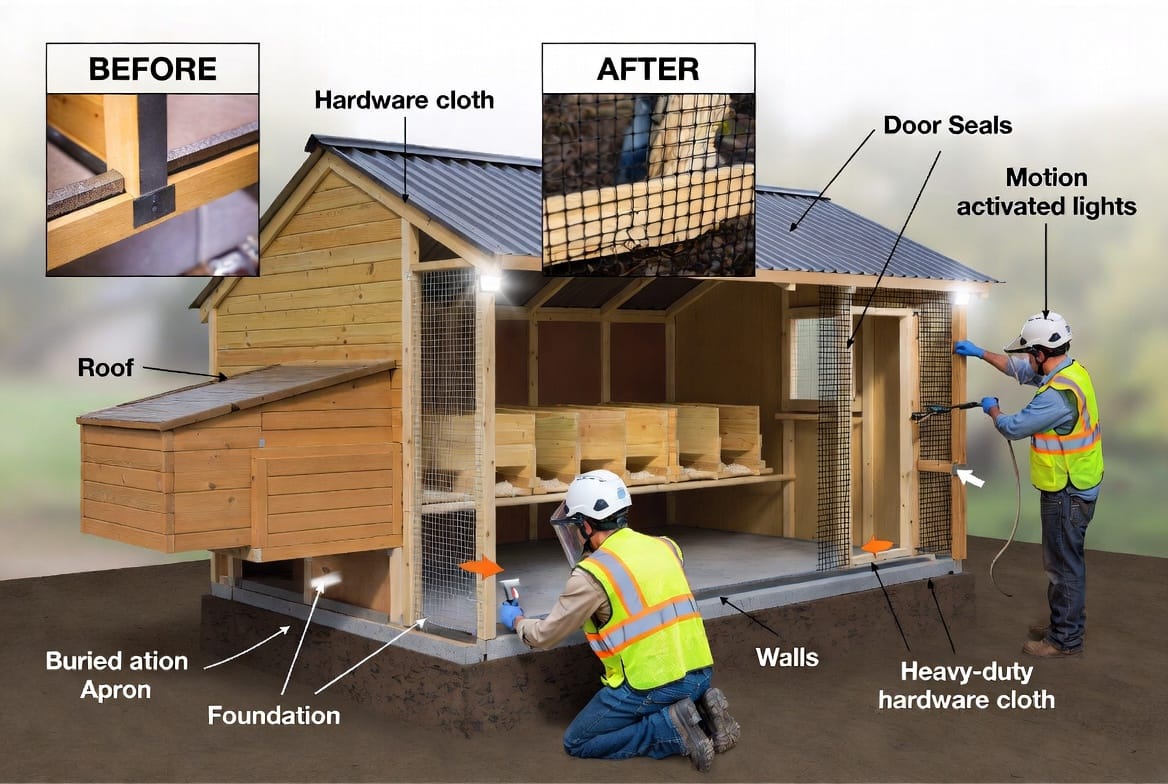
- Cover all vents and windows with ½-inch hardware cloth rather than chicken wire
- Bury hardware cloth at least 12 inches deep around the perimeter and extend it outward 12 inches to block digging
- Replace or reinforce any wooden doors that have gaps greater than ¼ inch
- Install tight-fitting thresholds and automatic door closers that eliminate overnight openings
- Check the junction between the coop and any attached runs; these transition points are frequent failure sites
Hardware cloth is far superior to standard poultry netting because its rigid mesh resists chewing and cannot be pried open. Use stainless-steel or galvanized versions rated for outdoor exposure so the barrier remains effective for years.
Strategic Use of Motion-Activated Lighting
Mink prefer complete darkness. Installing motion lights around the coop perimeter disrupts their approach and makes the area less attractive. Position lights to cover all sides and any nearby cover such as brush piles or water features. Solar-powered units with adjustable sensitivity work well in remote farm locations and require minimal maintenance.
Combine lighting with clear sight lines. Trim vegetation within 10–15 feet of the coop so predators cannot use dense cover for concealment. An open buffer zone increases the effectiveness of both visual and motion deterrents.
Additional Layers of Protection
For high-risk sites, add these measures:
- Electric fencing strands placed 4–6 inches above the ground and again at 12 inches deter climbing and digging attempts
- Elevated coops with smooth metal skirts prevent easy access from below
- Regular removal of spilled feed and standing water eliminates secondary attractants that draw mink closer
- Secure storage of eggs and feed in metal containers so residual odors do not advertise a food source
These steps create a multi-layered defense that addresses the mink’s ability to climb, dig, and squeeze through tiny spaces. When implemented together, they transform a vulnerable coop into a true fortress.
Step-by-Step Coop Hardening Process
Follow this practical sequence to achieve lasting results:
- Conduct a full perimeter and interior inspection at dusk using a flashlight to identify every gap larger than a quarter.
- Measure and cut hardware cloth panels to fit vents, windows, and floor edges with at least a two-inch overlap.
- Secure the mesh with heavy-duty staples or screws and washers; never rely on lightweight fasteners.
- Dig a continuous trench around the base, bury the cloth apron, and backfill firmly.
- Install motion lights at corners and test their activation range.
- Seal all remaining cracks with exterior-grade caulk or metal flashing.
- Re-inspect after the first heavy rain or freeze-thaw cycle to confirm no new openings have formed.
Most coops can be fully hardened in a single focused day when the right materials are on hand. The investment of time and supplies is modest compared with the ongoing cost of replacing birds.
What to Do After an Attack
If mink have already entered and caused losses, immediate action limits further damage. Remove all carcasses promptly and clean the area thoroughly to reduce lingering scent cues. Temporarily house remaining birds in a fully secured secondary enclosure while the primary coop is upgraded. Avoid the temptation to leave doors open during the day as a temporary measure; mink can and do hunt in daylight when opportunity arises.
Document the exact entry points and the condition of the birds. This information helps wildlife professionals select the most effective follow-up strategies if exclusion alone does not resolve residual activity.
Long-Term Flock Management Practices
Sustainable protection goes beyond a one-time fix. Incorporate these habits into regular farm routines:
- Perform monthly coop inspections focusing on seams, floors, and hardware cloth condition
- Keep detailed records of any predator signs so patterns become visible over time
- Maintain a clean, clutter-free zone around the coop year-round
- Rotate free-range areas when possible so birds are not concentrated in the same high-risk spot every day
- Educate family members and farm helpers about the importance of always closing doors and gates
Consistent attention ensures that small maintenance issues never grow into major vulnerabilities. A well-maintained, mink-proof coop also deters other predators, creating a broader safety net for the entire flock.
Why Professional Assistance Delivers Superior Results
While many exclusion tasks can be handled by determined owners, complex or recurring mink problems benefit from specialized knowledge. Certified predator specialists bring experience with local mink populations, access to commercial-grade materials, and the ability to identify subtle entry points that casual inspections miss. They also understand regional regulations regarding wildlife and can implement solutions that remain effective through seasonal changes.
Professional service includes a thorough site assessment, customized exclusion plan, and follow-up verification that the barriers continue to perform. This comprehensive approach restores peace of mind and allows farmers to focus on production rather than constant vigilance.
Building Confidence Through Proven Protection
Every successful mink exclusion story begins with the same foundation: accurate knowledge of the animal’s behavior, careful attention to physical barriers, and consistent maintenance. When hardware cloth, buried aprons, tight doors, and motion lights work together, the chicken coop ceases to be an easy target. The slender body that once slipped through tiny gaps now meets an impenetrable surface. The surplus-killing instinct finds no opportunity to express itself.
Poultry keepers who adopt these methods report not only zero further losses but also improved bird health and productivity. The flock settles into a calmer routine, egg output stabilizes, and the daily chore of checking for predators becomes a simple confirmation that defenses remain intact.
The time to act is before the next attack, not after. A single night of vulnerability can erase months of careful breeding and care. By applying the strategies outlined here, you place yourself firmly in control of the situation.
Secure Your Chicken Coop from Predators – Call Now!