The Mice Nesting Materials: Removing Attractants from Your Property
Mice are remarkably adaptable pests that can quickly turn your home into their ideal nesting ground. By understanding exactly what mice nesting materials they seek and how to eliminate these attractants effectively, you can prevent infestations before they start. At the core of successful mouse prevention is a proactive approach focused on removing attractants from your property – a strategy that delivers lasting results and peace of mind.
Protect Your Home from Mice Nests – Call for Expert Removal
Mice nesting materials are not random; these rodents instinctively gather soft, chewable, and insulating items to build warm, hidden shelters for raising their young. Left unchecked, these materials create perfect conditions for rapid population growth, property damage, and potential health concerns. The good news? You hold the power to disrupt this cycle through simple, targeted prevention steps. This comprehensive guide walks you through every aspect of identifying, removing, and properly storing common nesting materials so your home stays mouse-free.
Why Mice Nesting Materials Pose a Serious Risk
Mice do not travel far from food and shelter. Once they locate insulation, paper, fabric, or stored items, they shred these materials into soft bedding. This behavior not only creates unsightly nests but also leads to costly damage. Chewed wires, soiled insulation, and contaminated surfaces become common when mice nesting materials accumulate.
Health risks rise dramatically in homes with active nesting sites. Droppings, urine, and nesting debris can harbor bacteria and viruses. By focusing on removing attractants, you eliminate the foundation of an infestation and protect your family’s well-being. Professional wildlife removal experts consistently observe that homes practicing consistent attractant removal experience up to 90% fewer recurrence issues compared to those relying solely on traps or poisons.
Common Mice Nesting Materials Found in Homes
Mice prefer materials that are easy to shred, provide insulation, and are located near entry points. Here are the primary culprits:
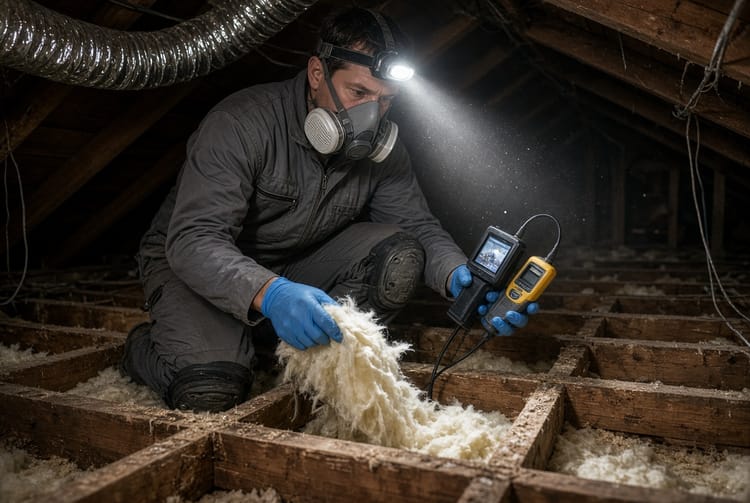
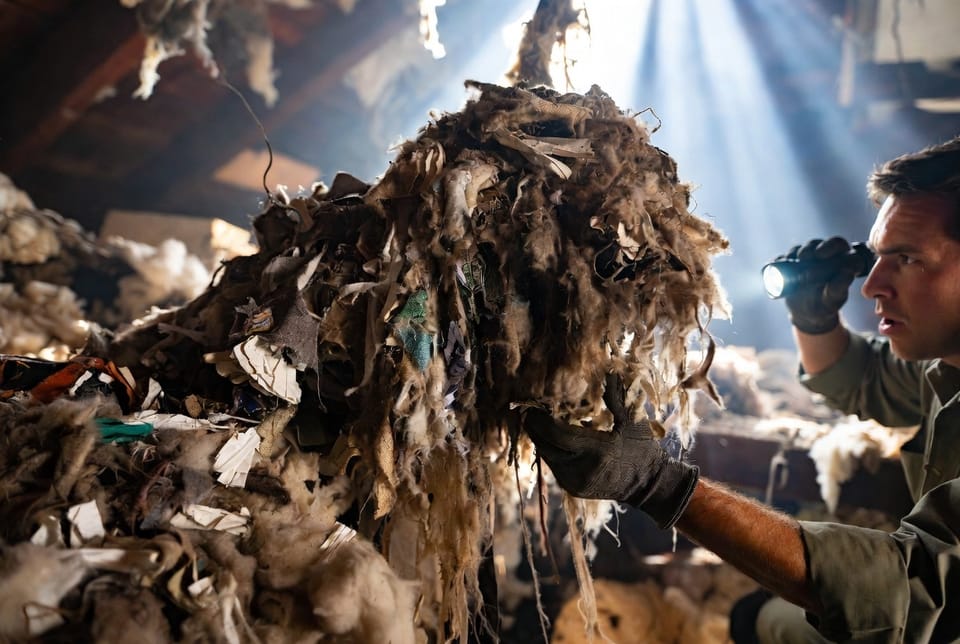
- Insulation: Fiberglass, cellulose, and foam board are favorites because they offer warmth and are simple to tear apart. Mice often burrow deep into attic or wall insulation, creating hidden tunnels.
- Paper products: Cardboard boxes, newspapers, magazines, and shredded documents provide excellent nesting material. A single box can supply enough paper for multiple nests.
- Fabric items: Old clothing, rags, towels, curtains, and upholstery scraps are soft and readily available. Mice particularly favor stored linens in basements or closets.
- Stored items: Plastic bags, bubble wrap, packing peanuts, and miscellaneous clutter offer both shelter and nesting potential when left in garages or storage rooms.
These mice nesting materials are abundant in most properties. Recognizing them early allows you to act decisively and stop infestations at the source.
Identifying Potential Nesting Sites in Your Home
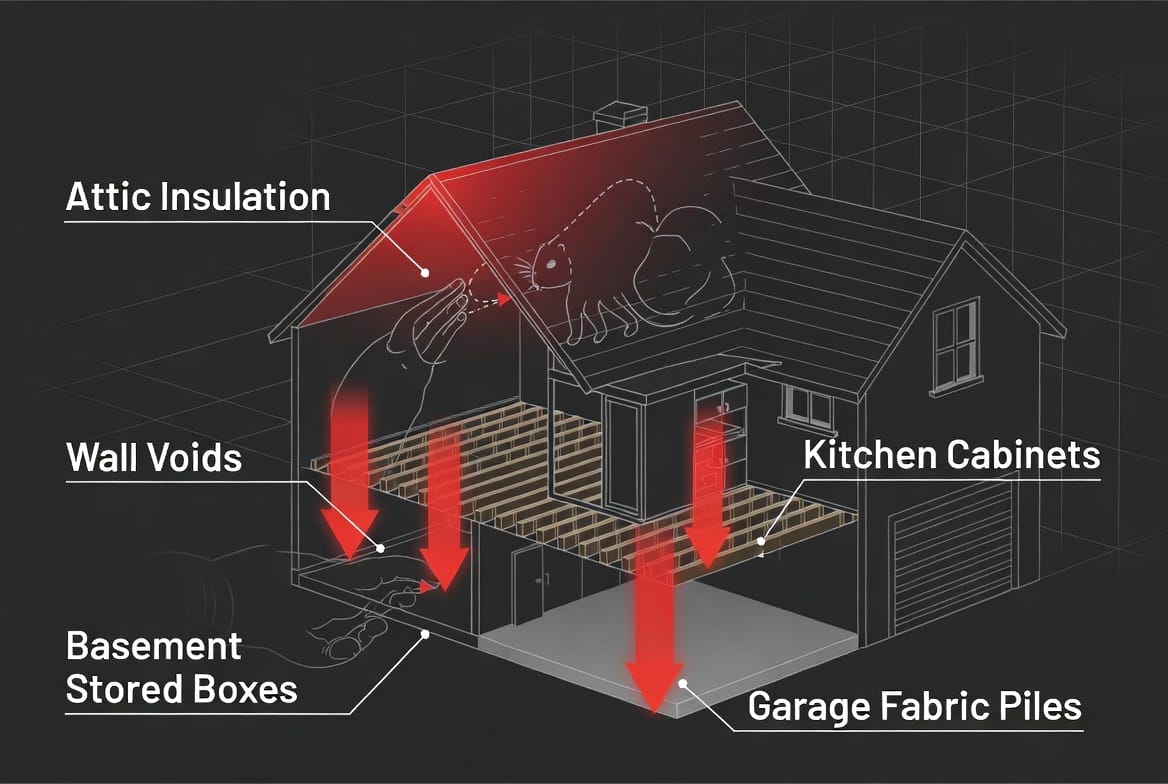
Mice seek dark, quiet, undisturbed areas close to food sources. Common locations include:
- Attics and crawl spaces where insulation is exposed
- Basements and utility rooms filled with stored items
- Wall voids and ceiling cavities accessible through small gaps
- Garages and sheds containing fabric and cardboard
- Kitchen cabinets and pantries with paper packaging
A thorough inspection reveals these sites quickly. Walk your property with a flashlight, checking for shredded material, droppings, or grease marks along baseboards. Once identified, prioritize removing attractants from these high-risk zones.
Step-by-Step Guide to Eliminating Nesting Sites
Effective mouse prevention follows a systematic process. Follow these proven steps to remove mice nesting materials safely and completely:
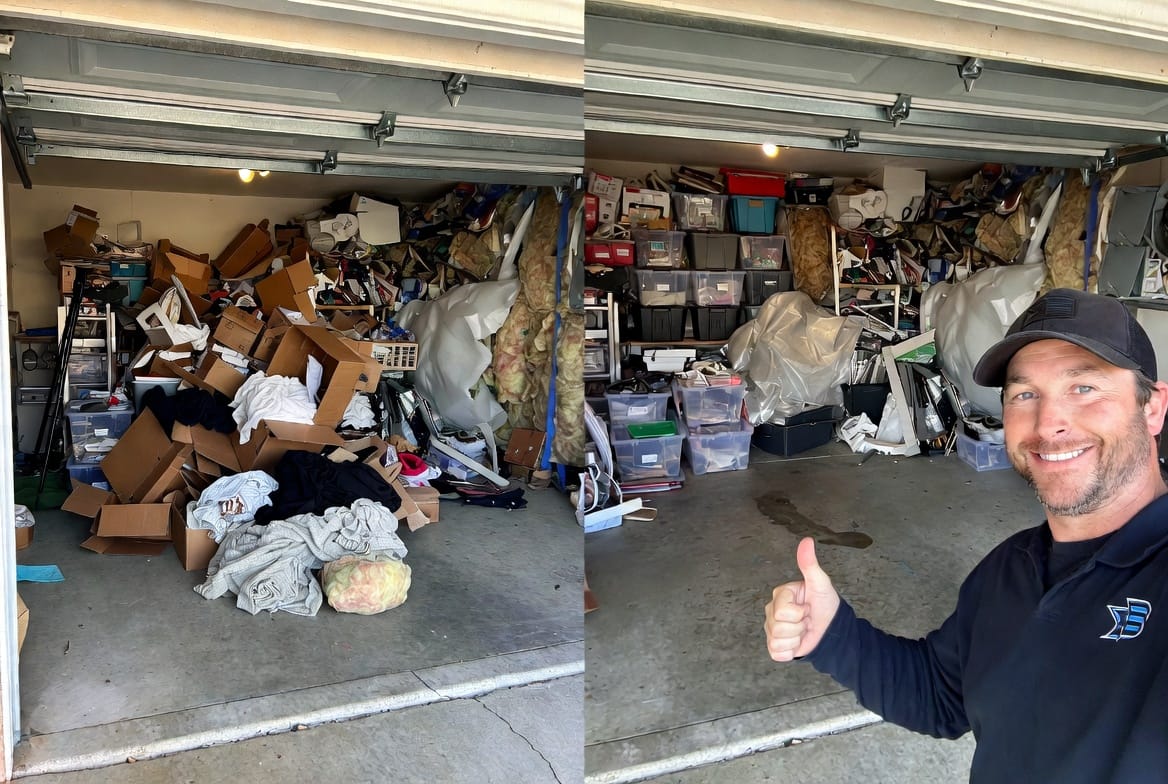
- Clear all clutter – Remove unnecessary boxes, bags, and piles that provide both nesting material and hiding spots.
- Inspect and remove insulation damage – Check attic and wall insulation for signs of chewing. Replace compromised sections and seal access points.
- Sort and discard paper products – Recycle old newspapers, magazines, and cardboard immediately. Never store them in open areas.
- Launder or dispose of fabric items – Wash reusable fabrics and store them properly; discard heavily soiled rags that could attract rodents.
- Vacuum and sanitize – Thoroughly clean all areas after removal to eliminate scent trails that draw mice back.
Each step reinforces the others. When performed consistently, these actions dramatically reduce the availability of nesting materials.
Proper Storage Solutions to Discourage Infestation
Storage is one of the most effective ways to eliminate attractants. Implement these professional-recommended practices:
- Store all cardboard and paper in sealed plastic bins with tight-fitting lids.
- Keep fabric items in elevated, rodent-proof containers.
- Use metal or heavy-duty plastic shelving instead of wooden units that mice can chew.
- Maintain a 12-inch gap between stored items and walls to allow easy inspection.
- Label bins clearly and rotate stock to prevent long-term accumulation.
These storage methods not of only prevent nesting but also protect your belongings from damage and contamination. Homeowners who adopt proper storage report significantly fewer wildlife issues year-round.
Additional Prevention Tips for Long-Term Success
Beyond material removal, integrate these habits into your routine:
- Seal all entry points larger than a dime using steel wool and caulk.
- Maintain clean gutters and trim vegetation away from your foundation.
- Store pet food and birdseed in metal containers.
- Schedule seasonal inspections to catch potential problems early.
These measures work together to create an environment mice find unattractive and difficult to inhabit.
The Benefits of Removing Attractants from Your Property
When you commit to removing attractants, you gain more than just a mouse-free home. You protect structural integrity, reduce health risks, and save money on future repairs. Prevention is always more cost-effective and less stressful than dealing with an established infestation.
Professional wildlife removal teams emphasize that consistent attention to mice nesting materials yields the best outcomes. By eliminating these resources, you break the reproductive cycle and enjoy a safer, cleaner living space.
Take Action Today for Lasting Mouse Prevention
Removing attractants from your property is the most reliable way to stop mice from nesting in your home. By addressing insulation, paper, fabric, and stored items through proper storage, decluttering, and sealing, you create conditions where mice simply cannot thrive.
Remove nesting options to prevent mice. Your property deserves the highest standard of protection – secure it now with proven wildlife removal expertise.
Eliminate Nesting Materials & Prevent Mice – Call Now!